
Loading, please wait...
LOT 1229
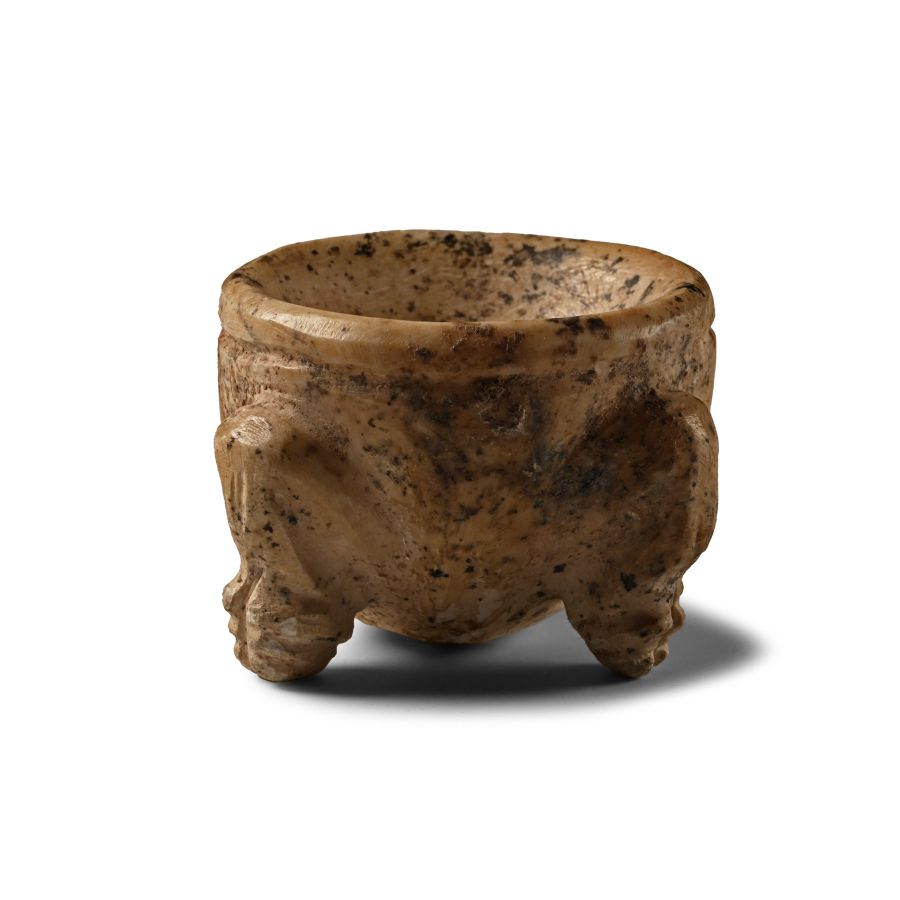
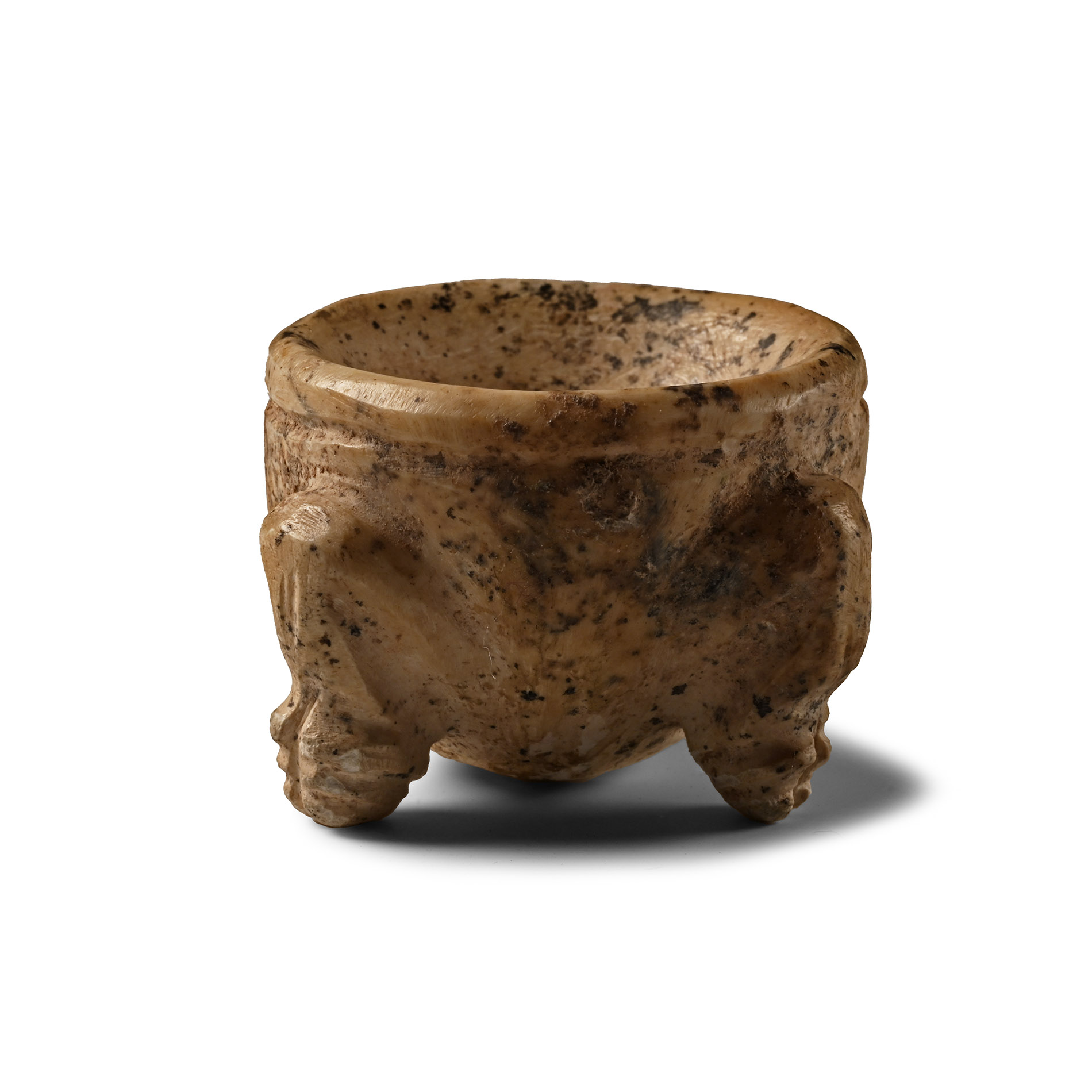
Sumerian Alabaster Cosmetic Dish
MID 2ND MILLENNIUM B.C.
1 3/8 in. (21.9 grams, 35 mm).
Featuring a shallow rounded bowl supported by three beast feet, possibly depicting reclining lions; inked inscription to the underside: '88.349', probably recording an acquisition date of 1988.
ProvenanceEx Mayfair gallery pre 1999.
Accompanied by a previous typed cataloguing card.
TimeLine Auctions follows a vetting process to ensure the authenticity and legality of all items, reinforcing our commitment to integrity and responsible trading. Each antiquity, antique, and coin lot undergoes thorough examination by a vetting committee of at least ten external specialists, professional trade association members, scientists, and archaeologists: Our Vetting Process
AUCTIONS:
TimeLine is a leading auction house specialising in antiquities, ancient art, collectables, natural history, coins, medals, and books. Our auctions offer museums, collectors, historians, and enthusiasts the opportunity to acquire unique and historically significant pieces.
-
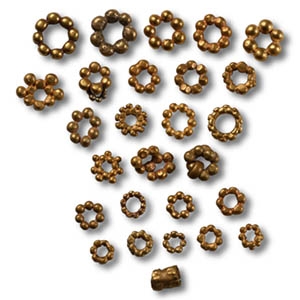
Western Asiatic Mixed Gold Bead Group
1st millennium B.C.Estimate: £400 - 600 (+bp*)
Opening Bid: £190
Mainly granule clusters in rings. 4.94 grams total, 3-6 mm
Ex property of a late Japanese collector, 1970-2000s. -
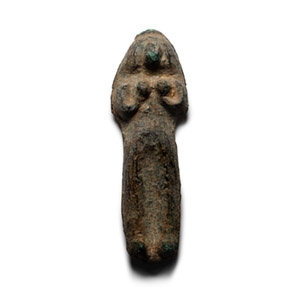
Phoenician Bronze Figure
Early 1st millennium B.C.Sold for (Inc. bp): £208
Modelled in the half-round, female in upright pose supporting her breasts in her hands. 61.3 grams, 76 mm
From the collection of a gentleman, acquired on the London art market in the 1990s. -
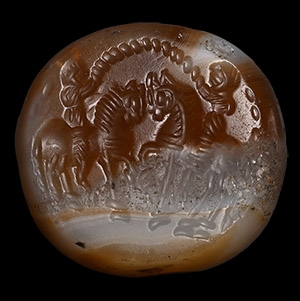
Sassanian Chalcedony Magical Seal with Figures
3rd-7th century A.D.Sold for (Inc. bp): £2,340
Plano-convex in profile with incuse scene of two horsemen each with an arm raised supporting a segmented banner; supplied with a museum-quality impression. 16.3 grams, 24 mm
UK private collection, 1980-1983. Private collection, London.
