
Loading, please wait...
LOT 1496
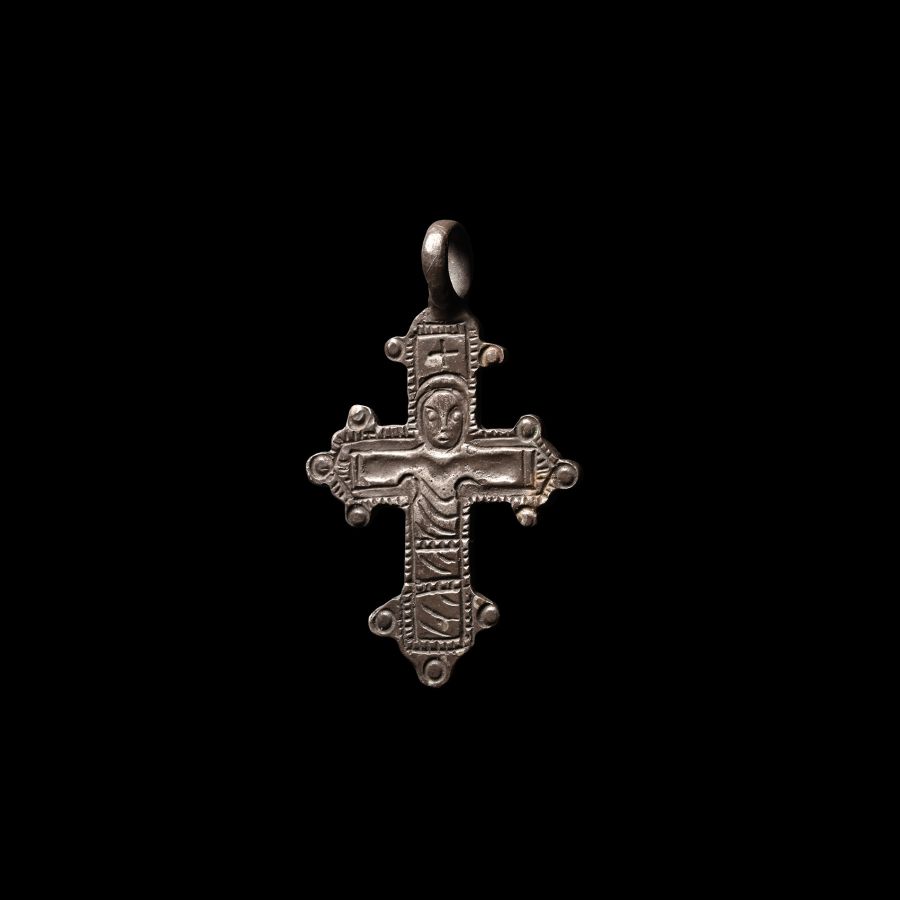
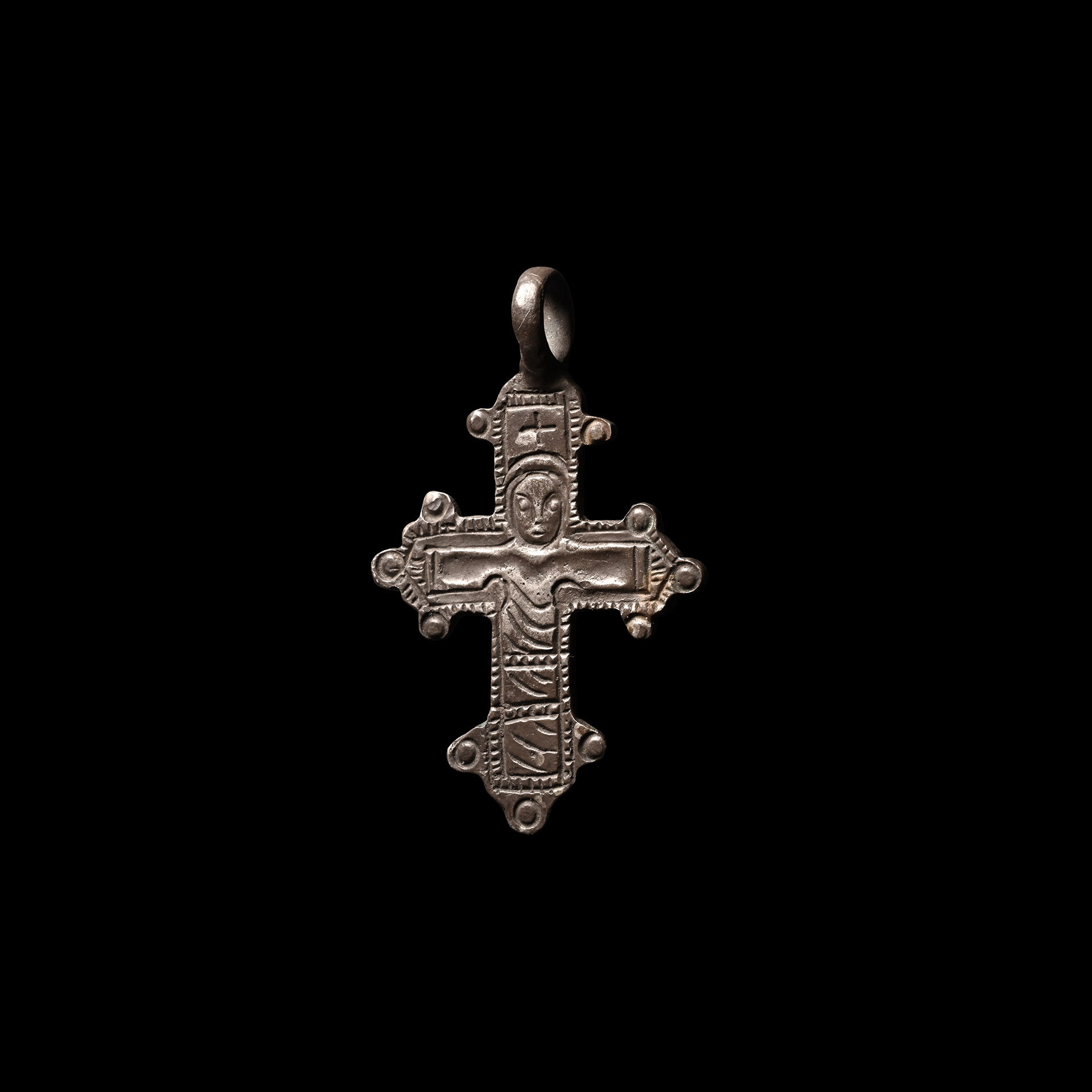
Stuart Period Silver Cross Pendant
CIRCA 17TH CENTURY A.D.
1 3/4 in. (6.4 grams, 44 mm).
A silver pendant formed as a cross bottony with integral suspension loop, low-relief facing Corpus Christi within a hatched border. [No Reserve]
ProvenanceAcquired in the late 1990s-2000.
Property of an East London gentleman.
TimeLine Auctions follows a vetting process to ensure the authenticity and legality of all items, reinforcing our commitment to integrity and responsible trading. Each antiquity, antique, and coin lot undergoes thorough examination by a vetting committee of at least ten external specialists, professional trade association members, scientists, and archaeologists: Our Vetting Process
AUCTIONS:
TimeLine is a leading auction house specialising in antiquities, ancient art, collectables, natural history, coins, medals, and books. Our auctions offer museums, collectors, historians, and enthusiasts the opportunity to acquire unique and historically significant pieces.
-
.jpg)
Georgian 'In Unity Lets Live & Die' Gold Posy Ring
18th century A.D.Sold for (Inc. bp): £780
A slender annular gold band inscribed in cursive hand to the interior: 'In Unity lets live & die', followed by maker's mark 'JK' within a rectangular cartouche. 1.37 grams, 19.64 mm overall, 17.97 mm internal diameter (approximate size British P 1/2, USA 7 3/4, Europe 16.86, Japan 16)
Found Romney Marsh area, Kent, UK. Property of a Kent gentleman. -
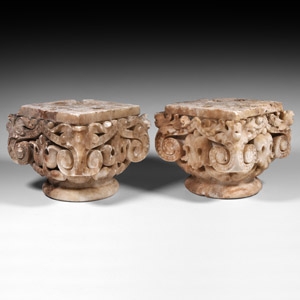
Post Medieval Georgian Pillar Capital Pair
18th-early 19th century A.D.Sold for (Inc. bp): £111
A matched pair of carved limestone pillar elements, each square in plan with three sides bearing ornamental scrolls and foliate motifs, a wreath of leaves to the base of the neck; pierced for support and one corner hollowed. 15.8 kg total, 18 x 18 cm each
Fine condition.
UK gallery, acquired in the 2000s. Property of an English gentleman. -
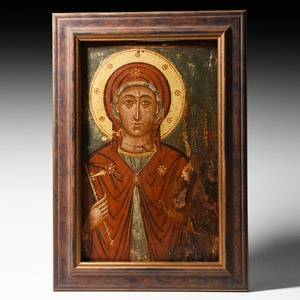
Greek Saint Paraskevi Icon
17th century A.D.Estimate: £1,200 - 1,700 (+bp*)
Opening Bid: £500
A tempera on wood icon depicting Saint Paraskevi of Rome holding a gold cross in her right hand, dressed in a light blue chiton and a red maphorion embroidered with stars and worn over a light blue veil, the gilt halo with red spot decoration; mounted on a later frame. 990 grams, 35.3 x 24.5 cm
Property of a London lady, part of her family's collection.
Saint Paraskevi is considered in the Orthodox world as the protector of sick people. Religious icon images of the saint were considered to hold powers to help in healing from various ailments, keeping the family well, and protecting against evil intentions. There was an ancient custom in the Orthodox world of bringing fruit and vegetables to the church to sanctify them on the day of Saint Paraskevi and keep them in the house as a talisman.
