
Loading, please wait...
LOT 2527
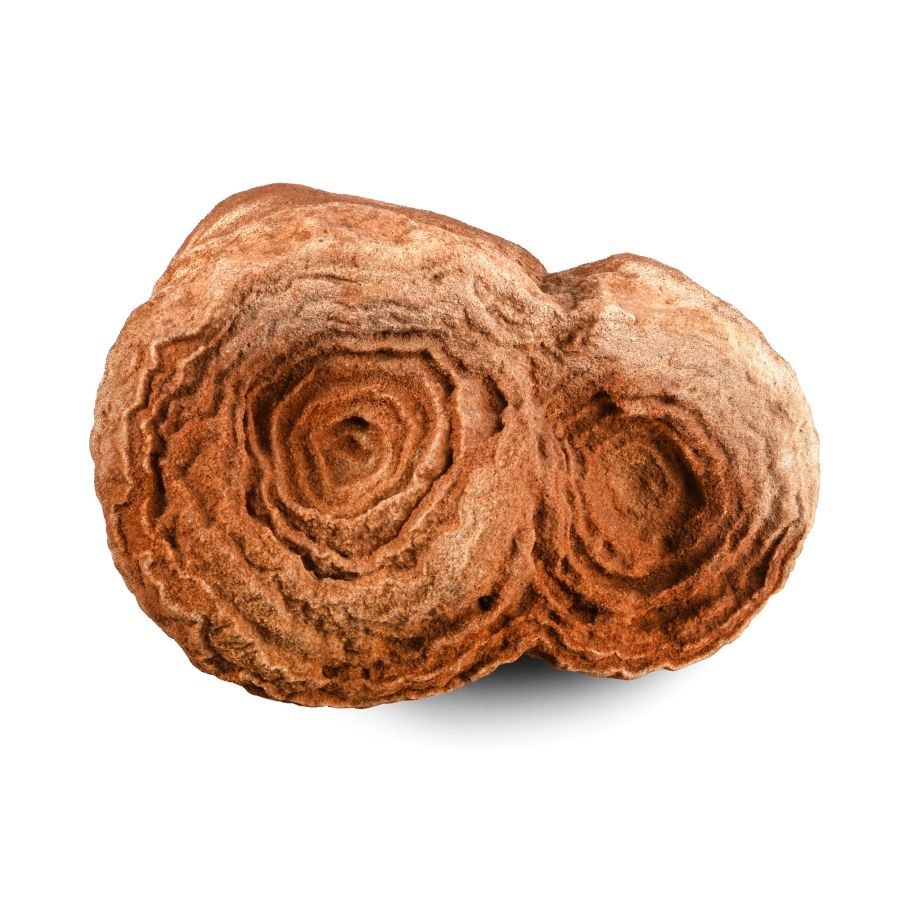
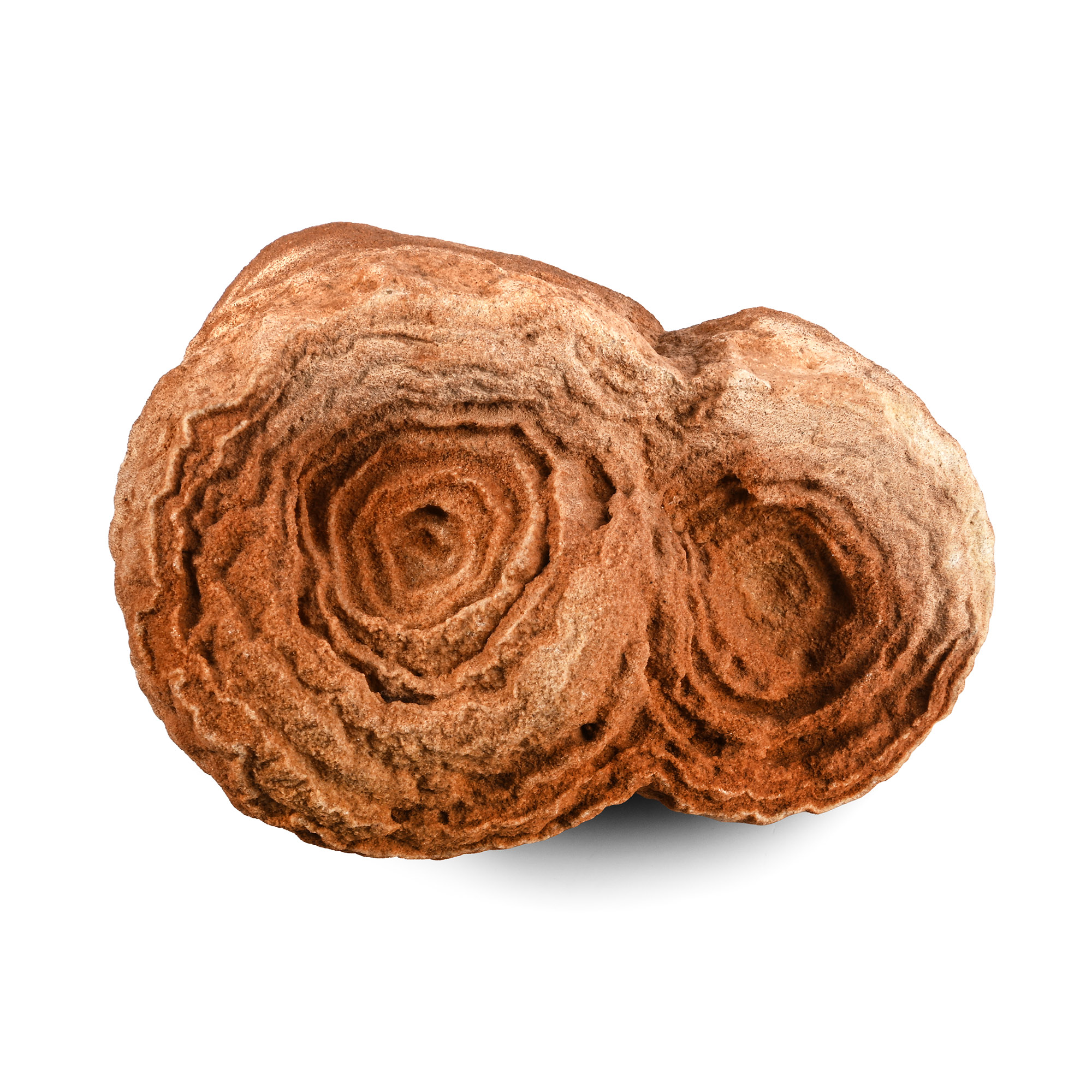
Stromatolite Specimen
4 3/4 in. (853 grams, 11.9 cm).
Comprising two intergrown egg-shaped mounds, produced by the activity of ancient cyanobacteria, the sediment layers visible on the underside. [No Reserve]
ProvenanceFrom the private collection of Kenneth Machin (1936-2020), Buckinghamshire, UK; his collection of antiquities and natural history was formed since 1948; thence by descent.
CONDITIONTimeLine Auctions follows a vetting process to ensure the authenticity and legality of all items, reinforcing our commitment to integrity and responsible trading. Each antiquity, antique, and coin lot undergoes thorough examination by a vetting committee of at least ten external specialists, professional trade association members, scientists, and archaeologists: Our Vetting Process
AUCTIONS:
TimeLine is a leading auction house specialising in antiquities, ancient art, collectables, natural history, coins, medals, and books. Our auctions offer museums, collectors, historians, and enthusiasts the opportunity to acquire unique and historically significant pieces.
-
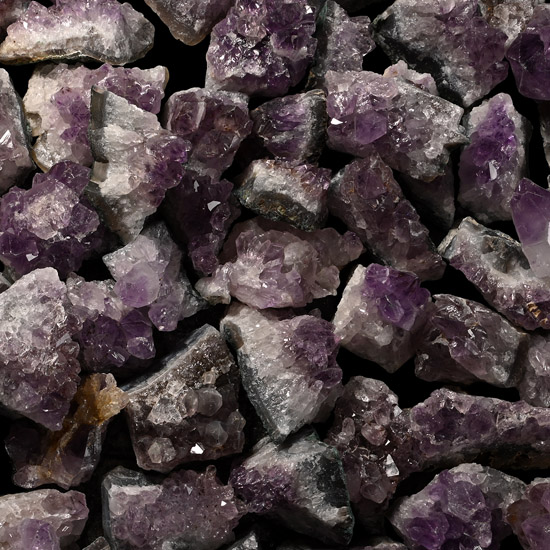
Group of Fifty [50] Amethyst Crystal Sections
Sold for (Inc. bp): £26
Comprising fifty irregular geode sections with small prismatic amethyst crystals. 2.84 kg total, 23-60 mm
From Brazil. Ex Mineral Imports, London, UK. Gregory, Bottley & Lloyd (Gregory's), Harwich, UK. -
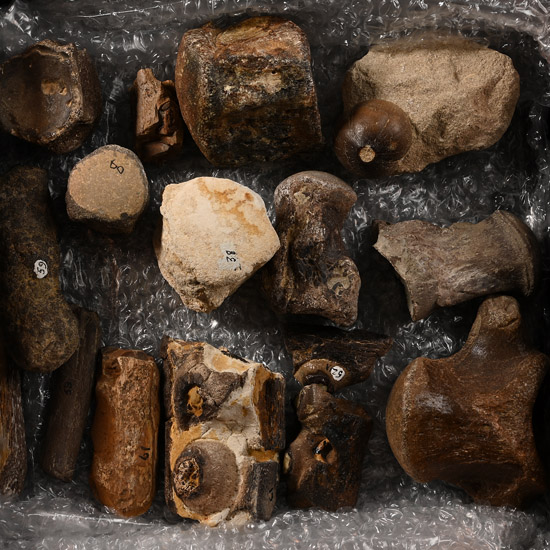
Mosasaur 'Marine Dinosaur' Fossil Bone and Tooth Collection
Cretaceous Period, circa 145-65 million years B.P.Sold for (Inc. bp): £59
Comprising various bones and jaw fragments with partial teeth, a coprolite, and others, each with an inked collector's number. 1.85 kg total, 33-99 mm
From the private collection of Kenneth Machin (1936-2020), Buckinghamshire, UK; his collection of antiquities and natural history was formed since 1948; thence by descent.
The Mosasaur is an extinct, large marine reptile dinosaur with an elongated body, long snout and paddle-like limbs. Found worldwide, they competed with other well-known sea predators of the Late Cretaceous, such as plesiosaurs and ichthyosaurs, for food, existing primarily on a diet of ammonoids, cuttlefish and fish. -
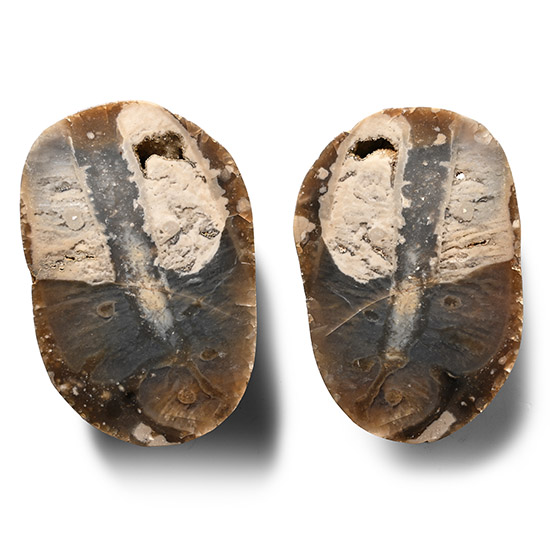
Cut and Polished Fossil Sponge in Flint Nodule
Cretaceous Period, circa 80 million years B.P.Sold for (Inc. bp): £13
An oval pebble cut in half and polished to a high degree with a small crystal-lined cavity on one side. 315 grams total, 80-81 mm
From Beachy Head, Sussex, UK. From the private collection of Kenneth Machin (1936-2020), Buckinghamshire, UK; his collection of antiquities and natural history was formed since 1948; thence by descent.
