
Loading, please wait...
LOT 2187
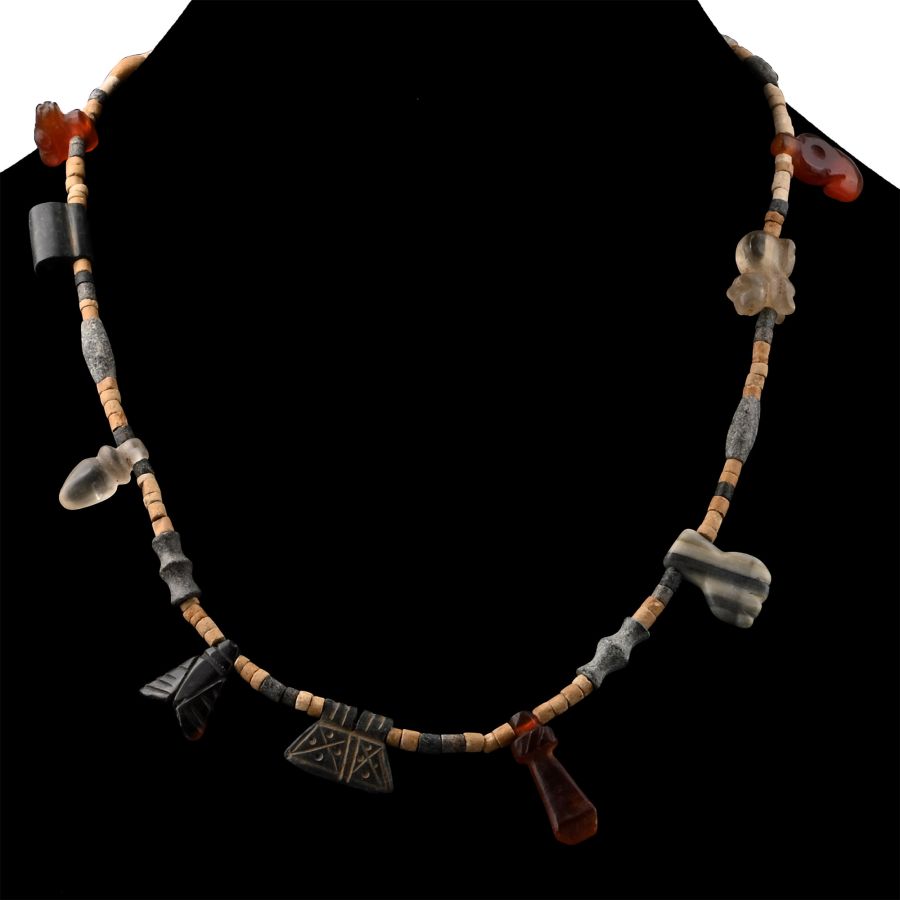
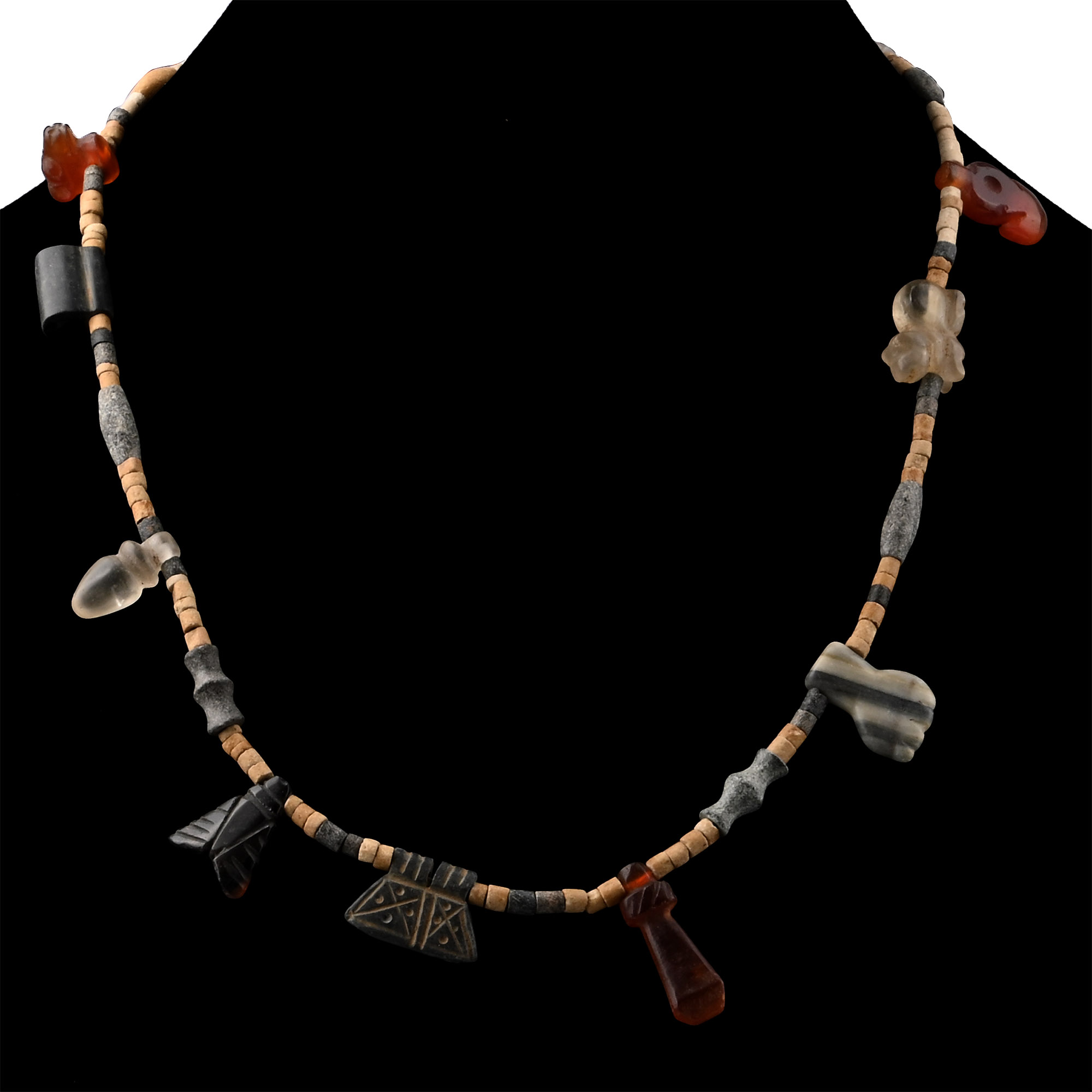
Stone Animal and Other Amulet Necklace
20TH CENTURY A.D.
22 in. (41 grams, 56 cm).
Comprising tubular, fusiform, and other beads with carved pendants in the shape of a fly, ram's head, mano fica, and other motifs. [No Reserve]
ProvenancePrivate collection, UK.
CONDITIONTimeLine Auctions follows a vetting process to ensure the authenticity and legality of all items, reinforcing our commitment to integrity and responsible trading. Each antiquity, antique, and coin lot undergoes thorough examination by a vetting committee of at least ten external specialists, professional trade association members, scientists, and archaeologists: Our Vetting Process
AUCTIONS:
TimeLine is a leading auction house specialising in antiquities, ancient art, collectables, natural history, coins, medals, and books. Our auctions offer museums, collectors, historians, and enthusiasts the opportunity to acquire unique and historically significant pieces.
-
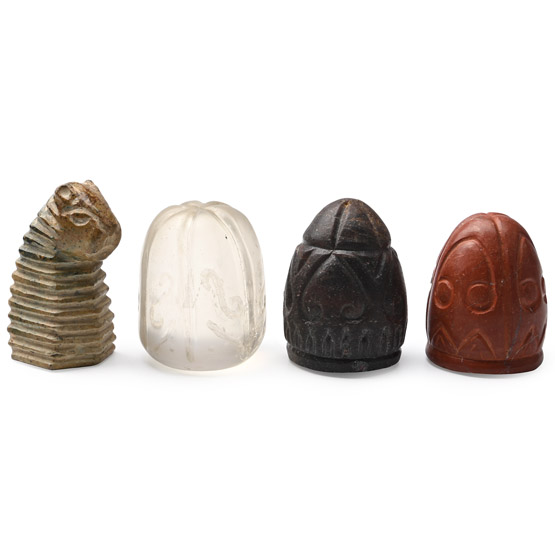
Western Asiatic Stone Gaming Piece Group
20th century A.D.Sold for (Inc. bp): £33
Including pawn with stylised masks, knight with ribbed facets and other types. 287 grams total, 40-48 mm
Private collection, UK. -
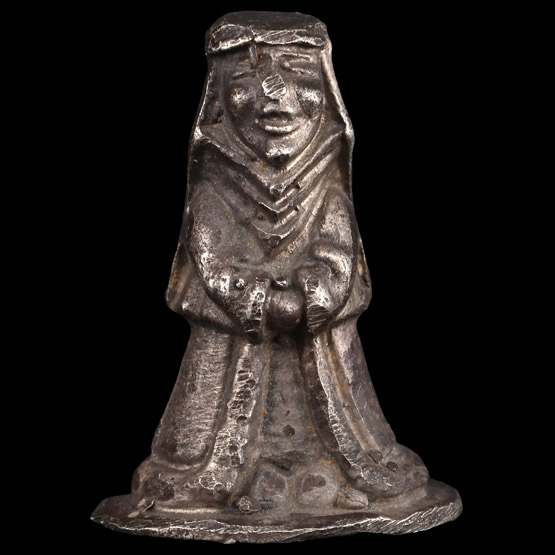
Post Medieval Silver Figure in Medieval Dress
Circa 19th century A.D.Sold for (Inc. bp): £26
Bell-shaped in profile with flared floor-length skirt, hands held at the waist inside bell sleeves. 13.4 grams, 28 mm
Ex London Coin Fair, 1990s. Ex Buckinghamshire, UK, collection. -
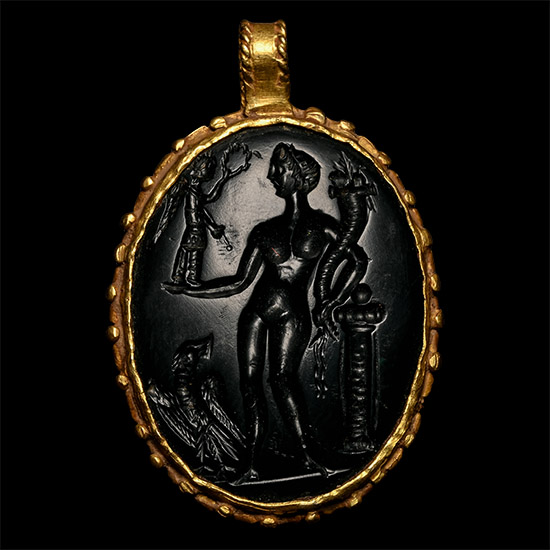
Roman Style Gold Pendant with Nude Female
19th century A.D. or earlierEstimate: £2,000 - 3,000 (+bp*)
Opening Bid: £1,000
Ellipsoid plaque with incuse standing female supporting a cornucopia on one arm and a victoriola in the other hand; altar with knop finial behind her, perching eagle at her feet; supplied with a museum-quality impression. 10.48 grams, 42 mm
Private collection, Swiss. with Geneve Encheres, 14 December 2017, no.1024. Private collection, England. This lot has been checked against the Interpol Database of stolen works of art and is accompanied by search certificate number no.13155-249557.
