
Loading, please wait...

LOT 1614
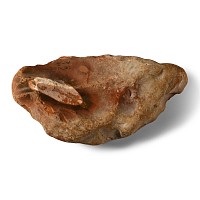
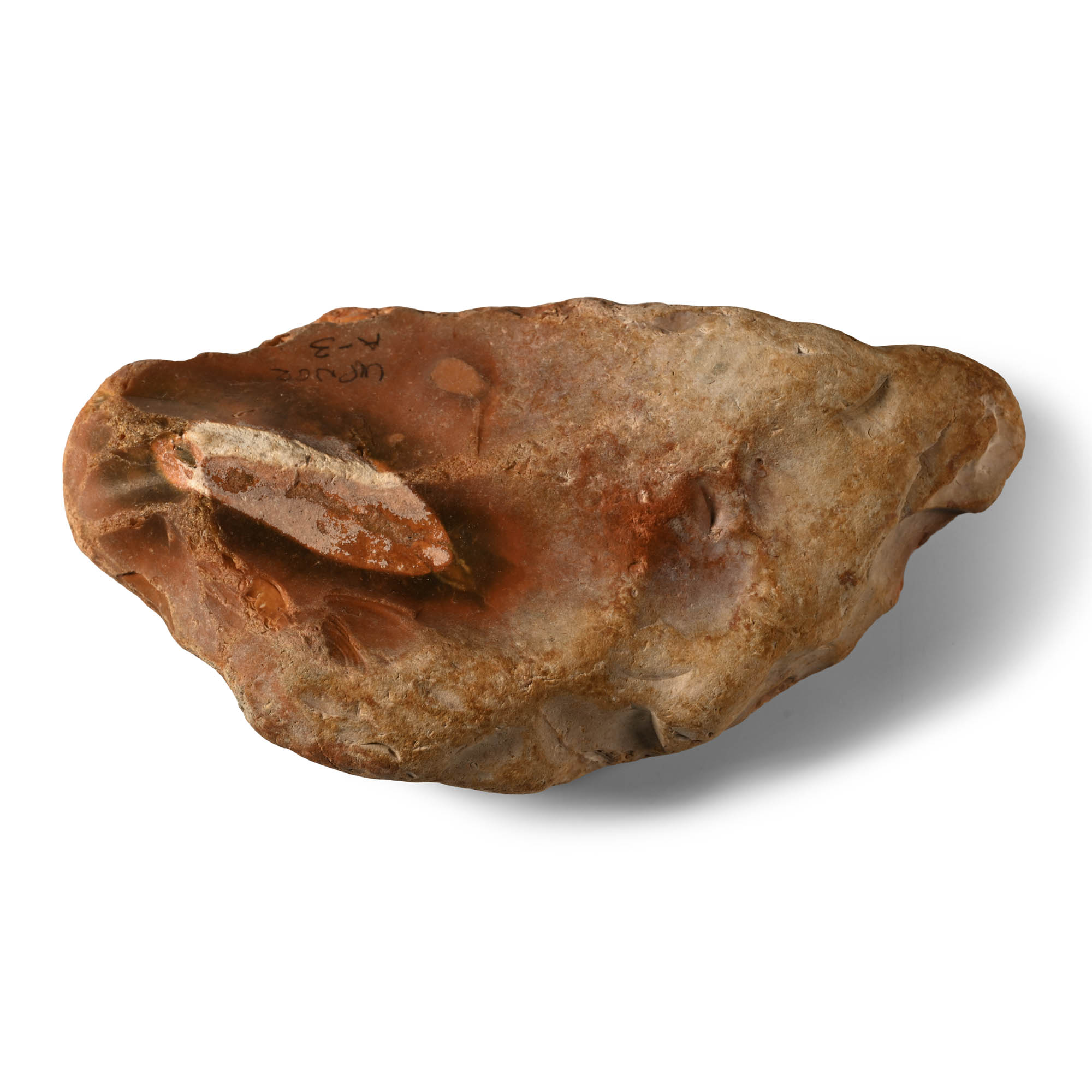
Stone Age Upnor Knapped Flint Tool
LOWER PALAEOLITHIC PERIOD, CIRCA 400,000 B.P.
4 7/8 in., (278 grams, 12.4 cm).
A Clactonian worked flint gouge; old collector's legend 'Upnor / A-3'. [No Reserve]
ProvenanceFound Upnor, Kent, UK.
Richard Jones collection, Welling, Kent, UK, 1912-1915.
Ex Rochester Museum, Kent collections.
Specialist collection of J Edwin Jarvis.
Ex Martin Schoyen collection, London, UK.
TimeLine Auctions follows a vetting process to ensure the authenticity and legality of all items, reinforcing our commitment to integrity and responsible trading. Each antiquity, antique, and coin lot undergoes thorough examination by a vetting committee of at least ten external specialists, professional trade association members, scientists, and archaeologists: Our Vetting Process
AUCTIONS:
TimeLine is a leading auction house specialising in antiquities, ancient art, collectables, natural history, coins, medals, and books. Our auctions offer museums, collectors, historians, and enthusiasts the opportunity to acquire unique and historically significant pieces.
-
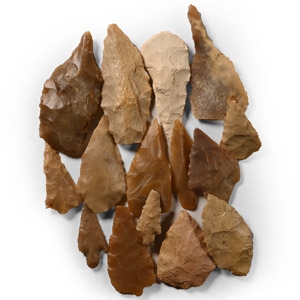
Stone Age Tilemsi Valley Flint Arrowhead and Point Group
Mesolithic Period, 12,000-4000 B.C.Sold for (Inc. bp): £20
Mainly leaf-shaped and triangular two-edged points. 60 grams total, 24-52 mm
Found Tilemsi Valley, Mali, West Africa. From a collection formed during the 1970s-1980s and acquired on the British art market. By descent to the current owner in 1988. From the collection of a South West London, UK, specialist Stone Age collector. -
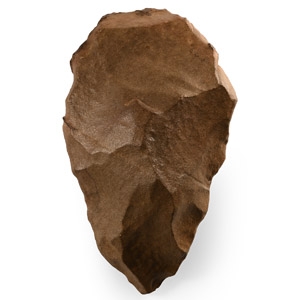
Large Stone Age Knapped Brown Stone Axehead
Lower Palaeolithic Period, circa 400,000-200,000 B.P.Sold for (Inc. bp): £39
Ovate cleaver with large patch of cortex to one face. 1.17 kg, 19 cm
From a collection acquired on the UK art market from various auction houses and collections mostly before 2000. From an important Cambridgeshire estate; thence by descent. -
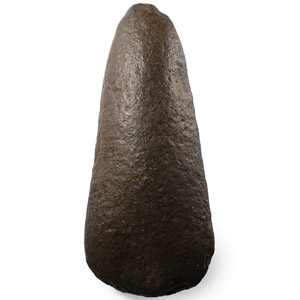
Stone Age Polished Axehead
Neolithic-Early Bronze Age, circa 6000-4500 B.P.Sold for (Inc. bp): £156
Lentoid in section, tapering from a rounded butt to a broad curved edge. 381 grams, 13.3 cm
From the private collection of Kenneth Machin (1936-2020), Buckinghamshire, UK; with collection no.BA201; his collection of antiquities and natural history was formed since 1948; thence by descent.
