
Loading, please wait...


LOT 1731
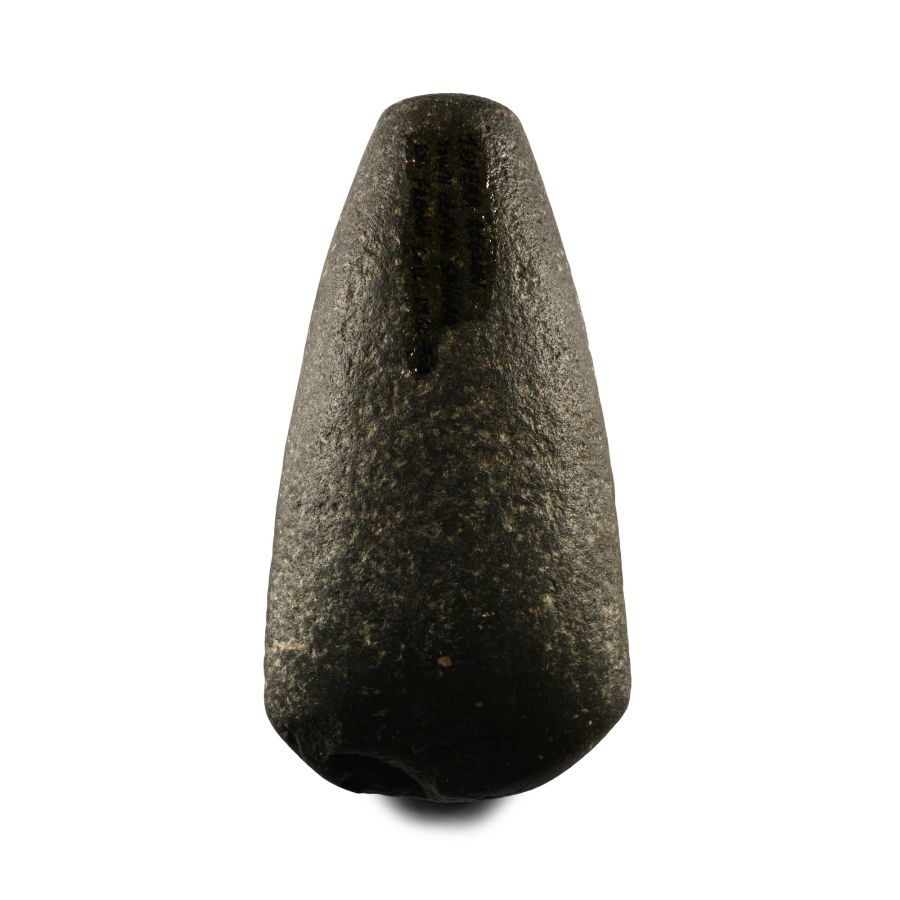
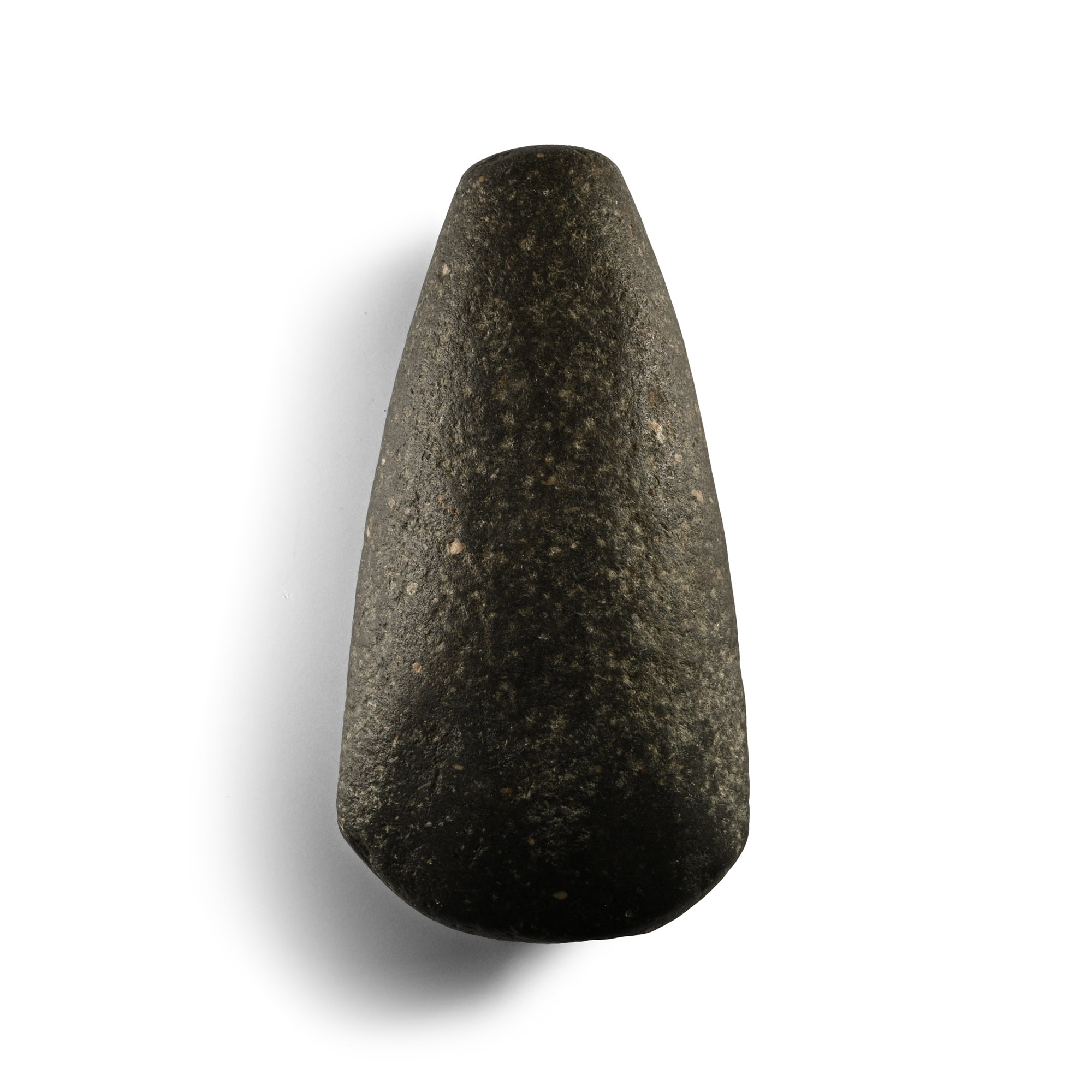
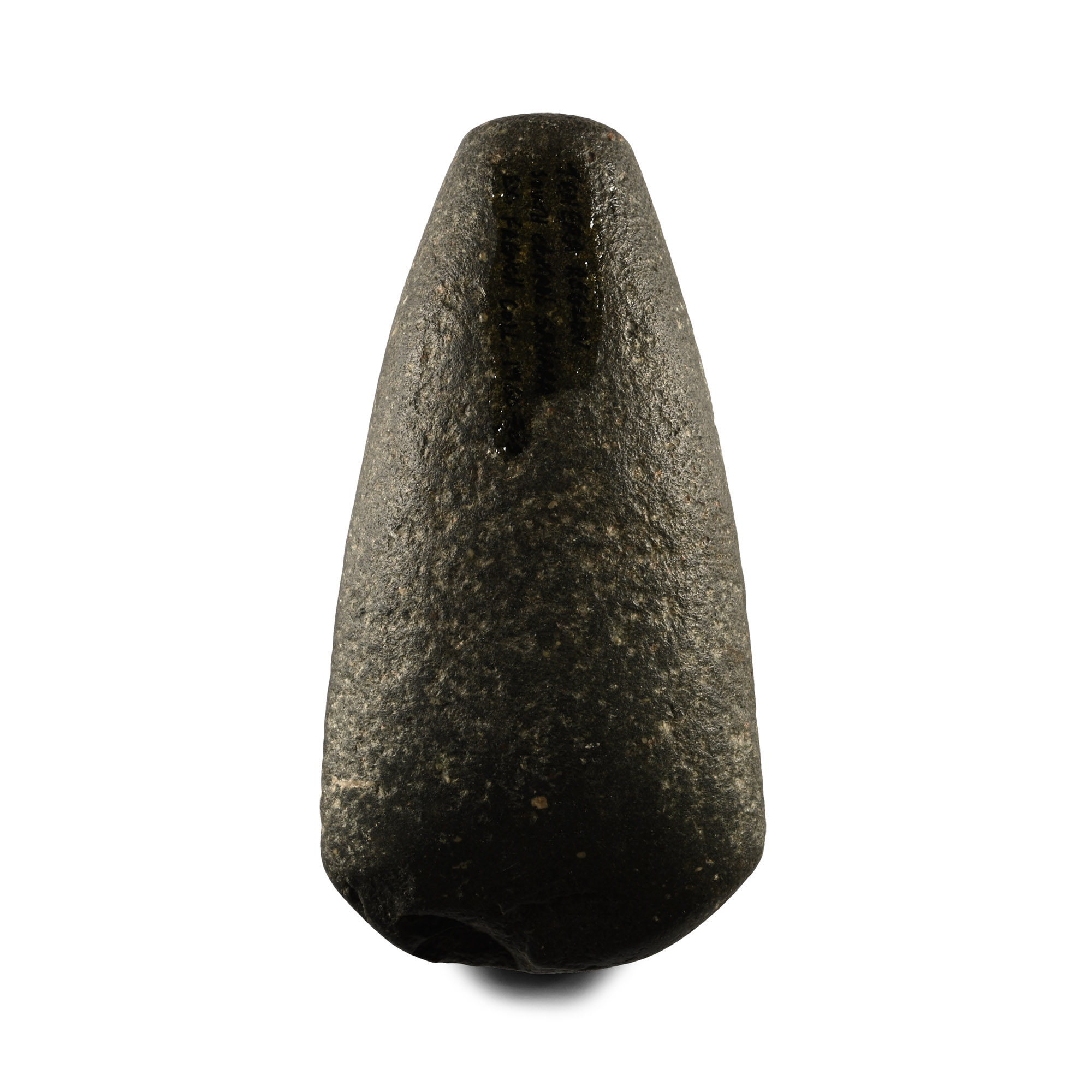
Stone Age Tenerian Pecked and Ground Celt Axe
NEOLITHIC PERIOD, CIRCA 6TH-4TH MILLENNIUM B.P.
4 5/8 in. (370 grams, 11.7 cm).
With round-section narrow butt flaring to a broad curved cutting edge. [No Reserve]
ProvenanceFound South Central Sahara.
Ex private French collection formed in the 1960s-1970s.
From a Leicestershire, UK, collection.
Accompanied by a previous catalogue information ticket.
This lot is accompanied by an illustrated lot declaration signed by the Head of the Antiquities Department, Dr Raffaele D’Amato.
TimeLine Auctions follows a vetting process to ensure the authenticity and legality of all items, reinforcing our commitment to integrity and responsible trading. Each antiquity, antique, and coin lot undergoes thorough examination by a vetting committee of at least ten external specialists, professional trade association members, scientists, and archaeologists: Our Vetting Process
AUCTIONS:
TimeLine is a leading auction house specialising in antiquities, ancient art, collectables, natural history, coins, medals, and books. Our auctions offer museums, collectors, historians, and enthusiasts the opportunity to acquire unique and historically significant pieces.
-
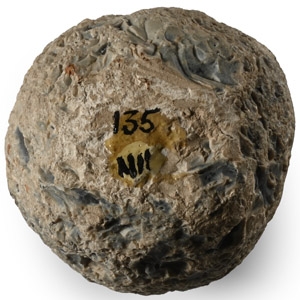
Stone Age Pecked Hammerstone
Neolithic Period, 6th-4th millennium B.P.Sold for (Inc. bp): £26
Blue-grey spherical hammerstone with inked identification '135 MH' and label 'Neolithic Hammerstone / Fen Edge Norfolk'. 207 grams, 55 mm
Found Fen Edge area, Feltwell, Norfolk, UK. Acquired M.Younge, UK, 1973. From the private collection of Kenneth Machin (1936-2020), Buckinghamshire, UK; with collection no.N11; his collection of antiquities and natural history was formed since 1948; thence by descent. This lot is accompanied by an illustrated lot declaration signed by the Head of the Antiquities Department, Dr Raffaele D’Amato. -
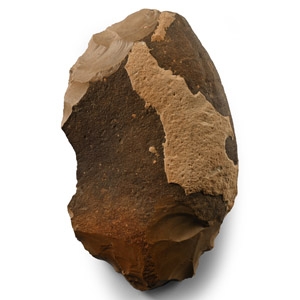
Stone Age Egyptian Knapped Ovate Hand Axe
Lower Palaeolithic Period, 450,000-280,000 B.P.Sold for (Inc. bp): £39
With thick butt and much cortex to the upper face. 180 grams, 10.6 cm
Found Egypt. From the private collection of Kenneth Machin (1936-2020), Buckinghamshire, UK; with collection no.P47; his collection of antiquities and natural history was formed since 1948; thence by descent. This lot is accompanied by an illustrated lot declaration signed by the Head of the Antiquities Department, Dr Raffaele D’Amato. -
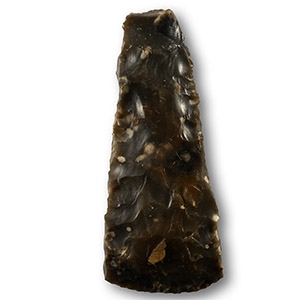
Stone Age Danish Flaked Flint Axe Head
Neolithic Period, circa 1500 B.P.Sold for (Inc. bp): £130
Narrow thick-butted with flared sides, rectangular in section with gently curved edge. 455 grams, 16.5 cm
From an old Danish collection. Acquired on the UK art market. Acquired on the European art market. From the private collection of an East Anglian, UK, specialist collector. This lot is accompanied by an illustrated lot declaration signed by the Head of the Antiquities Department, Dr Raffaele D’Amato.
