
Loading, please wait...
LOT 1604
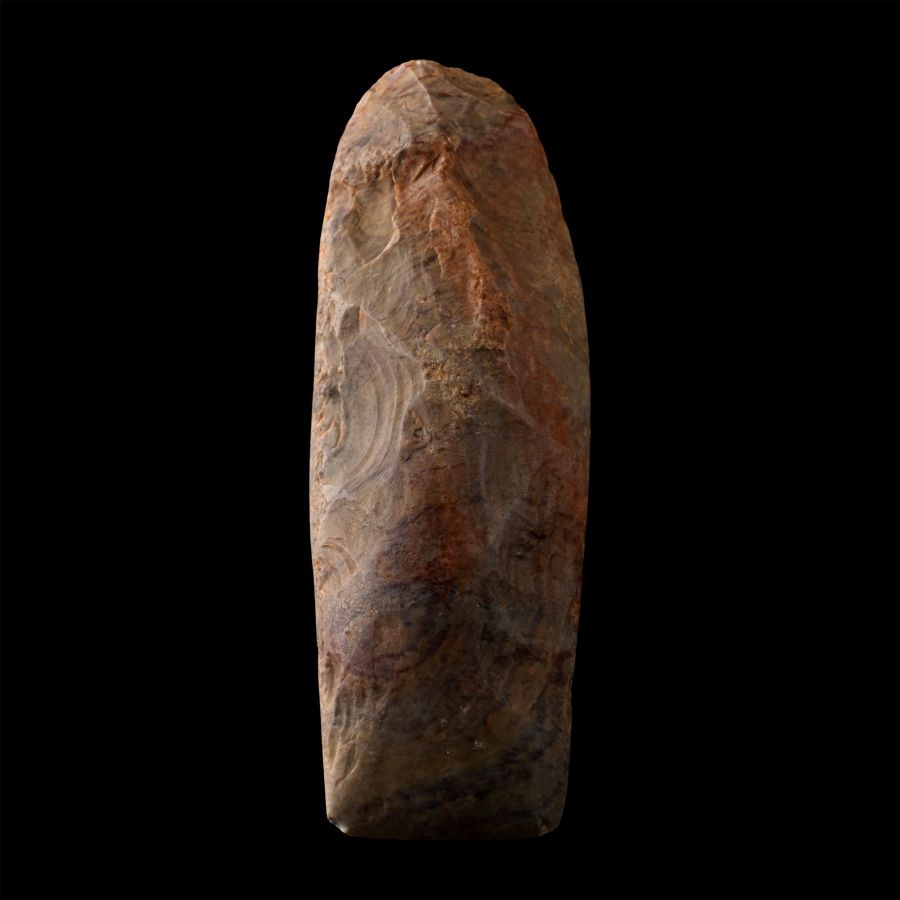
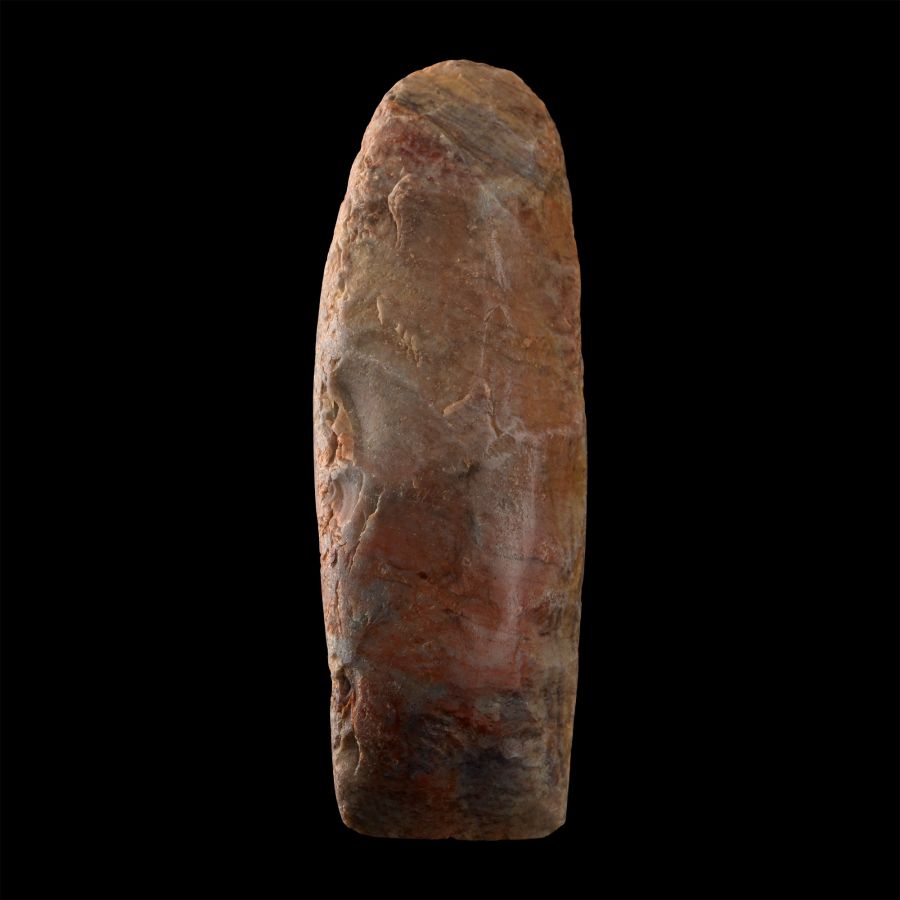
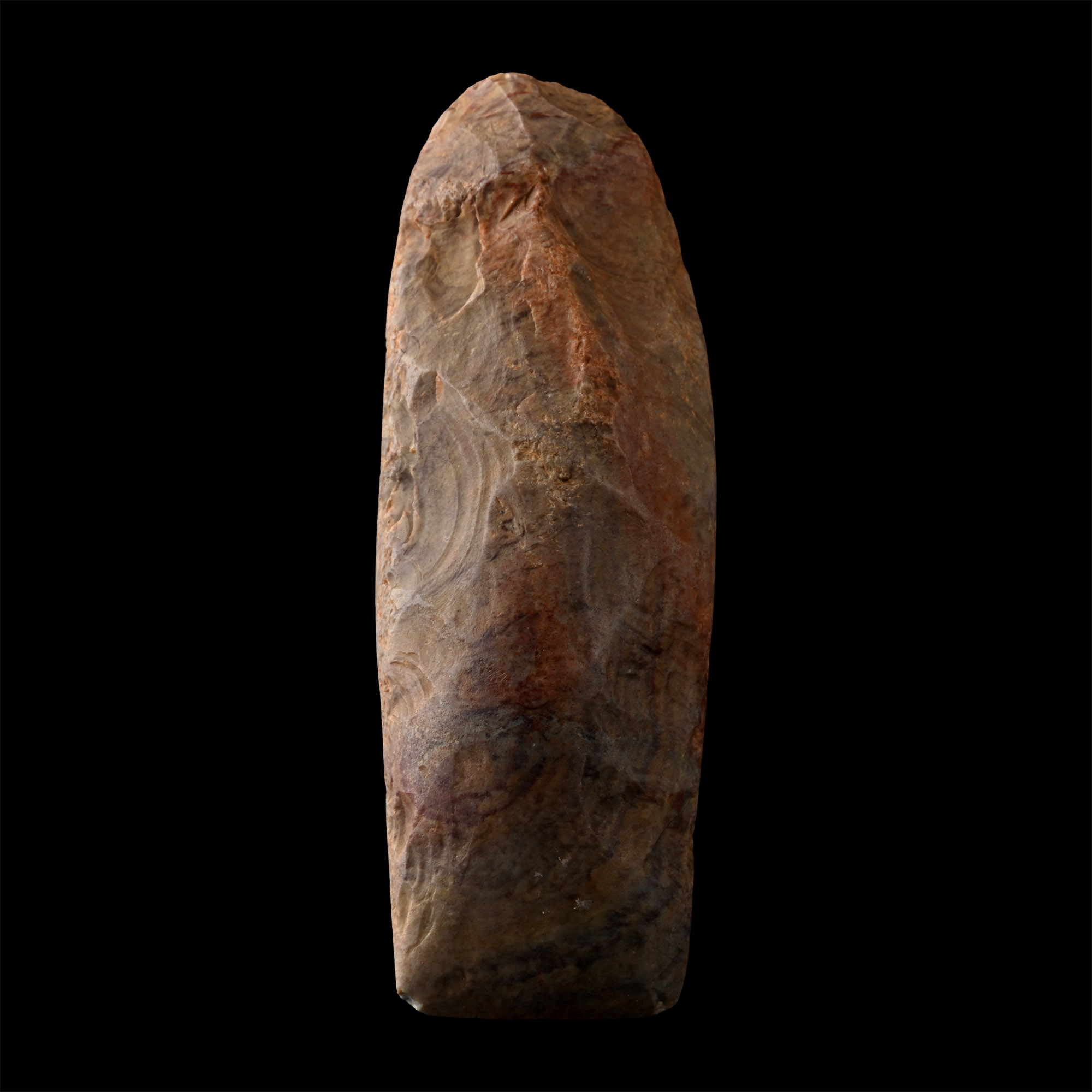
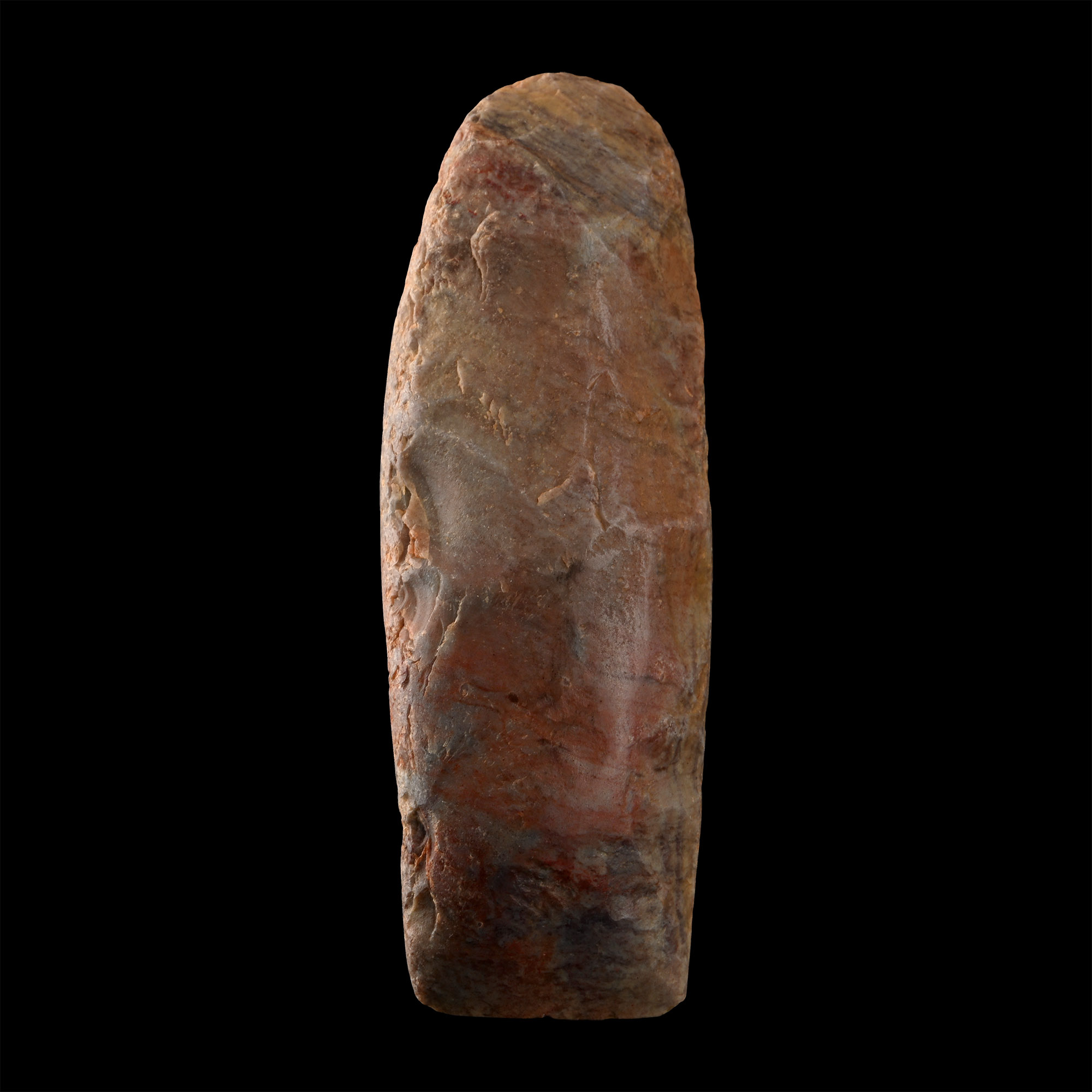
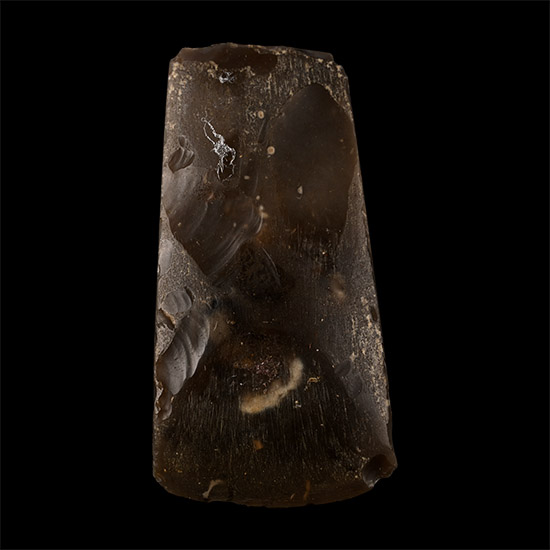
Stone Age Tenerian Axe Head
NEOLITHIC PERIOD, CIRCA 6,000 B.P.
5 1/4 in. (261 grams, 13.3 cm).
Part-polished with a squared cutting edge and rounded butt. [No Reserve]
ProvenanceFound Sahara, North Africa.
Acquired from a US-based collector.
From the private collection of an East Anglian, UK, specialist collector.
TimeLine Auctions follows a vetting process to ensure the authenticity and legality of all items, reinforcing our commitment to integrity and responsible trading. Each antiquity, antique, and coin lot undergoes thorough examination by a vetting committee of at least ten external specialists, professional trade association members, scientists, and archaeologists: Our Vetting Process
AUCTIONS:
TimeLine is a leading auction house specialising in antiquities, ancient art, collectables, natural history, coins, medals, and books. Our auctions offer museums, collectors, historians, and enthusiasts the opportunity to acquire unique and historically significant pieces.
-
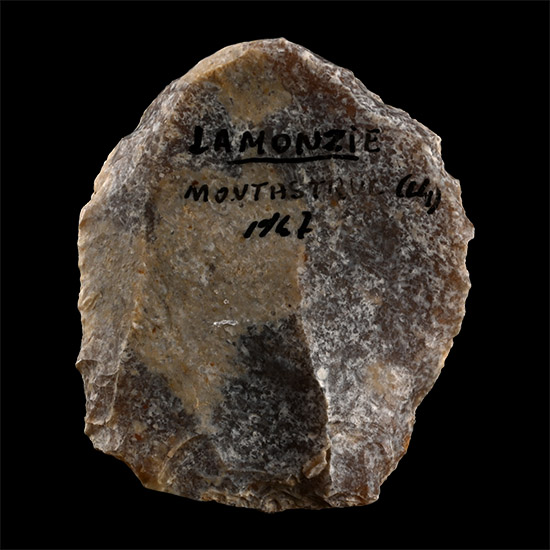
Stone Age Flint Scraper
Upper Palaeolithic Period, circa 33,000-21,000 B.P.Sold for (Inc. bp): £65
Cordate in plan with frosted patina, steep re-touch along the tip; marked 'Lamonzie Montastruc (LG) 1967'. 53 grams, 65 mm
Found Lamonzie, France, in 1967. Acquired in the 1970s-1990s. From the collection of the famous UK musician and amateur archaeologist, Victor Brox (1941-2023). Acquired on the UK art market at auction after being sold by Mr Brox’s family. From the private collection of an East Anglian, UK, specialist collector. -
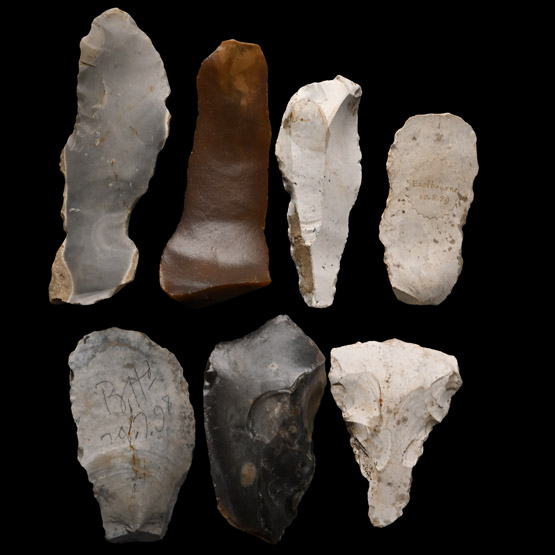
British Stone Age Knapped Scraper and Knife Blade Collection
Neolithic Period, circa 6th millennium B.P.Sold for (Inc. bp): £20
Mixed group including triangular, leaf-shaped and other types; one with old label 'Eastboune 10.8.89'; one marked 'Cissbury S. Entrance'; one marked 'Batsea'; one marked 'BHd 29.7.98' (Beachy Head?). 299 grams total, 6.6-10 cm
Found UK, three anotated with find information. From a West Country auction house, UK. From the private collection of a West Midlands lady collector. -
'Published Lord McAlpine' Stone Age Polished Axe Head
Neolithic Period, circa 6,000 B.P.Sold for (Inc. bp): £286
A thin-butted handaxe of trapezoidal outline in dark brown flint; marked 'M1784'. 156 grams, 10.4 cm
From the private collection of Lord McAlpine of West Green, UK. From the private collection of an East Anglian, UK, specialist collector.
