
Loading, please wait...
LOT 1626
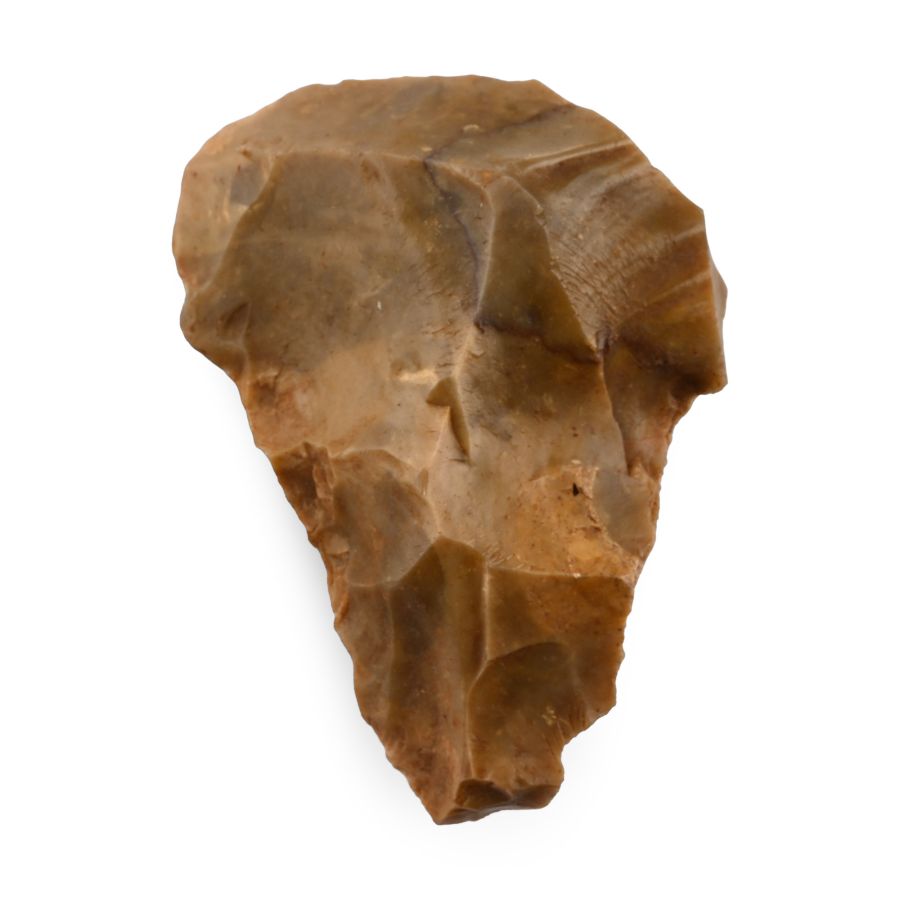
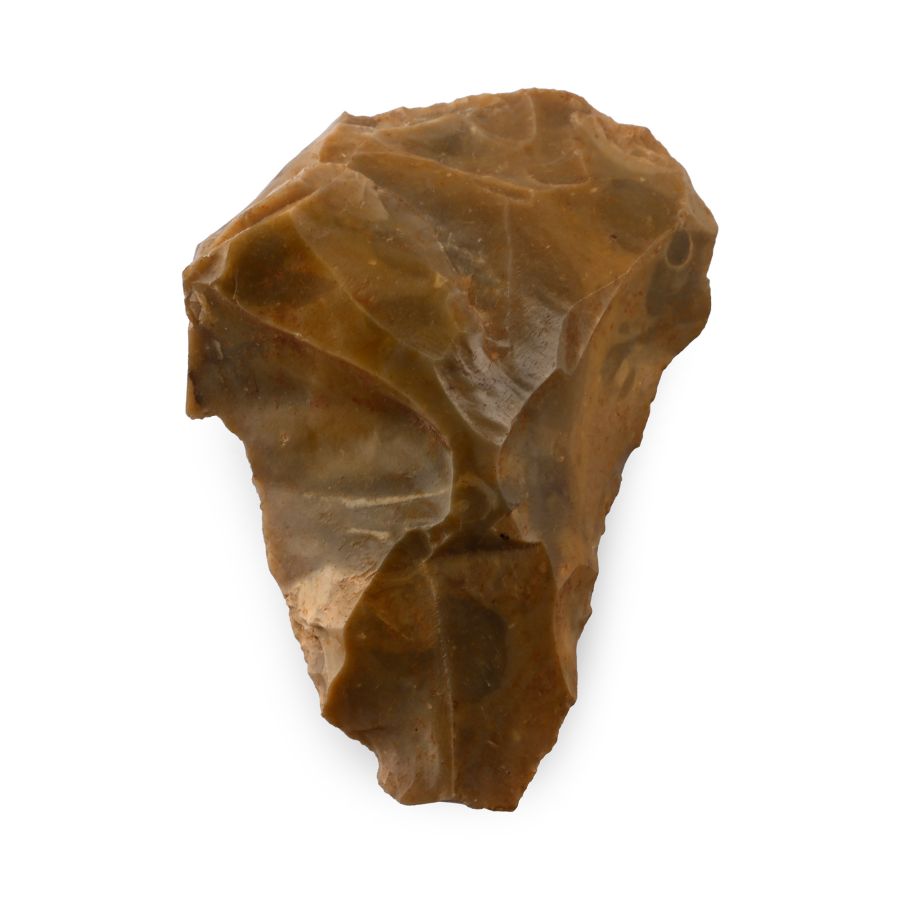
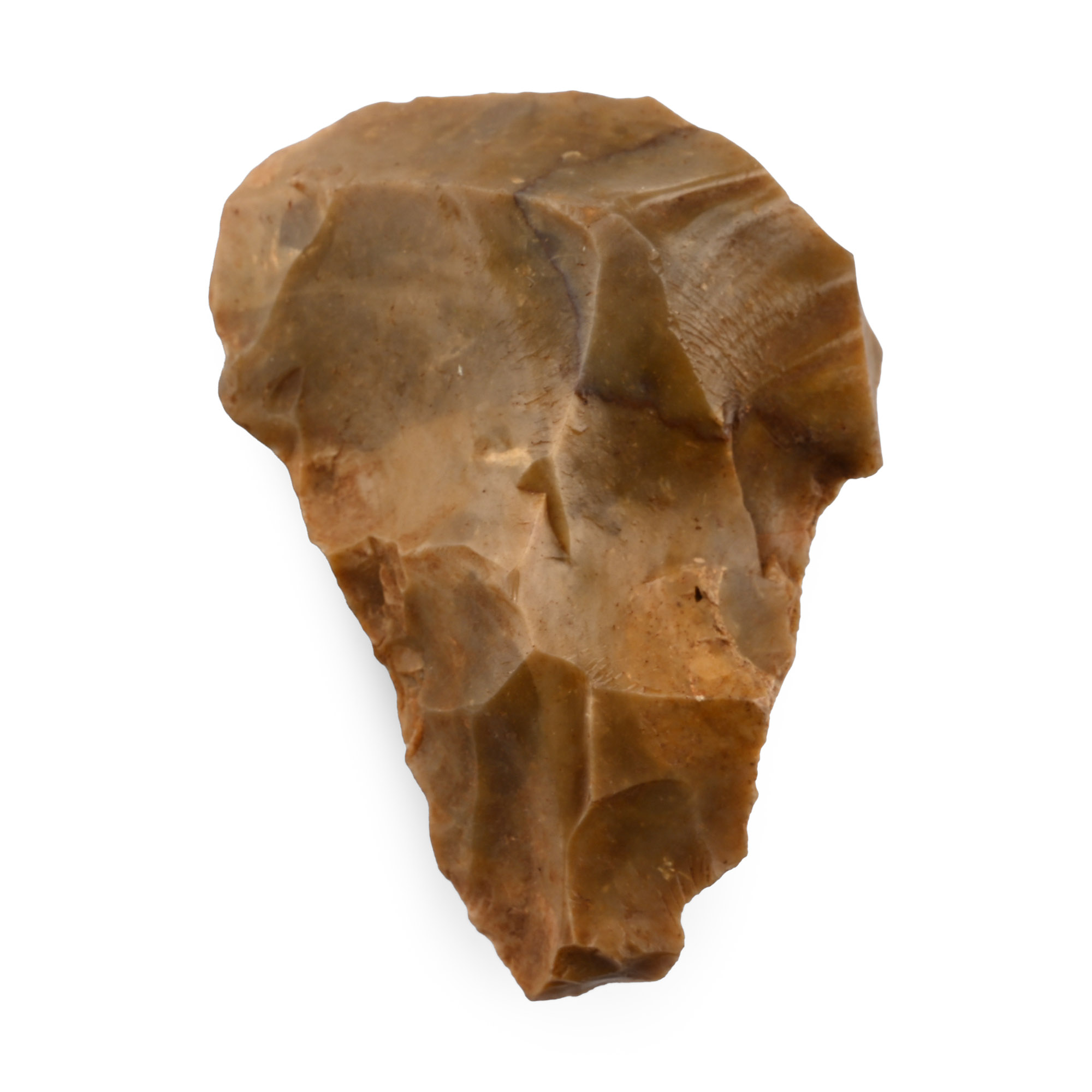
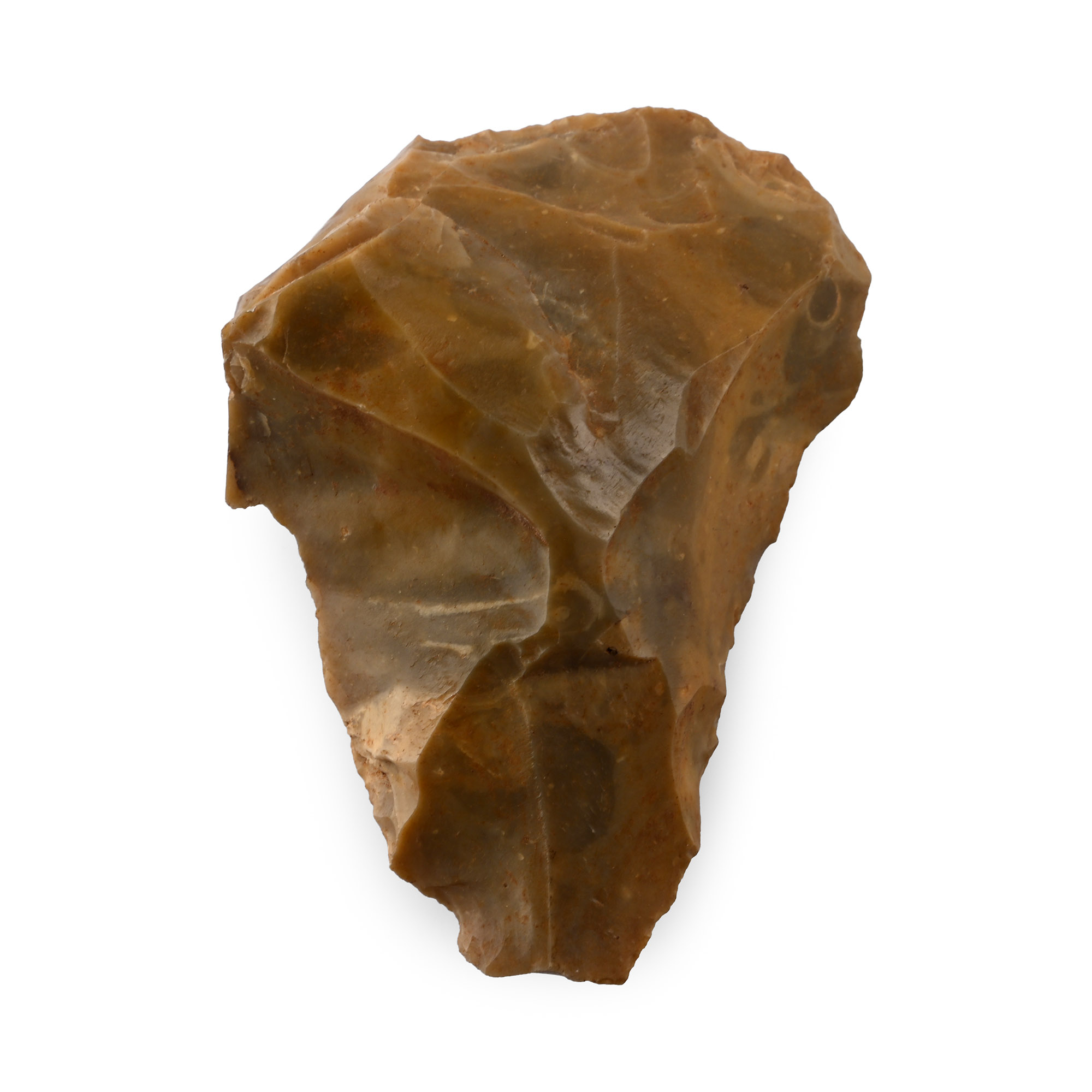
Stone Age 'Swanscombe' Flint Retouched Flake
PALAEOLITHIC PERIOD, CIRCA 300,000-200,000 B.P.
2 5/8 in. (66 grams, 67 mm).
Subtriangular in plan with broad butt; point broken in antiquity; labelled '57'. [No Reserve]
ProvenanceFound Milton Street, Swanscombe, Kent, UK.
From the private collection of Kenneth Machin (1936-2020), Buckinghamshire, UK; his collection of antiquities and natural history was formed since 1948; thence by descent.
This lot is accompanied by an illustrated lot declaration signed by the Head of the Antiquities Department, Dr Raffaele D'Amato.
TimeLine Auctions follows a vetting process to ensure the authenticity and legality of all items, reinforcing our commitment to integrity and responsible trading. Each antiquity, antique, and coin lot undergoes thorough examination by a vetting committee of at least ten external specialists, professional trade association members, scientists, and archaeologists: Our Vetting Process
AUCTIONS:
TimeLine is a leading auction house specialising in antiquities, ancient art, collectables, natural history, coins, medals, and books. Our auctions offer museums, collectors, historians, and enthusiasts the opportunity to acquire unique and historically significant pieces.
-
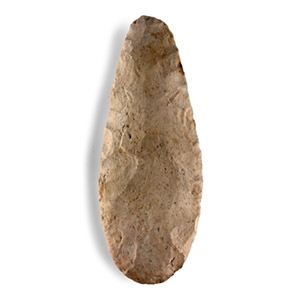
Stone Age 'Salisbury' Flint Axehead
Neolithic Period, circa 6000 B.P.Sold for (Inc. bp): £514
Knapped axe with slender butt. 305 grams, 18.5 cm
Found Salisbury, Wiltshire, UK. Ex collection of P James, South England. Acquired on the UK art market. From the private collection of an East Anglian, UK, specialist collector. This lot is accompanied by an illustrated lot declaration signed by the Head of the Antiquities Department, Dr Raffaele D'Amato.
The beautiful slender form would suggest that it was not a functional axe but one for use during a ceremony, or used as a grave offering. -
.jpg)
Stone Age Polished Hand Axe
Neolithic Period, circa 5500-2200 B.P.Sold for (Inc. bp): £468
Rectangular in section with a narrow rounded butt and asymmetrical curved edge; pitted surface; old collector's labels 'France (Bourgogne)', 'Saulieu, Côte d'Or', 'N15621'. 489 grams, 13 cm
Ex Hervé Bouraly, Saint Ouen, France, between 1965-1990. This lot is accompanied by an illustrated lot declaration signed by the Head of the Antiquities Department, Dr Raffaele D’Amato. This lot is accompanied by an illustrated lot declaration signed by the Head of the Antiquities Department, Dr Raffaele D'Amato. -
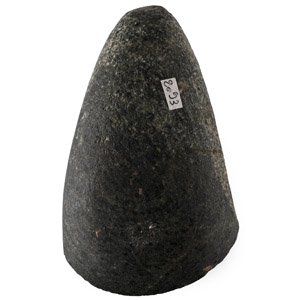
Stone Age Green Stone Polished Axehead
Neolithic Period, circa 6000 B.P.Sold for (Inc. bp): £78
Triangular polished axehead with bifacial blade and pointed butt. 193 grams, 95 mm
Found Rhone Valley Region, France. From an old large French collection. Acquired on the European art market. From the private collection of an East Anglian, UK, specialist collector. This lot is accompanied by an illustrated lot declaration signed by the Head of the Antiquities Department, Dr Raffaele D'Amato.
