Loading, please wait...

Stone Age Solutrean Laurel Leaf Point Stone Age Solutrean Laurel Leaf Point Stone Age Solutrean Laurel Leaf Point Stone Age Solutrean Laurel Leaf Point Stone Age Solutrean Laurel Leaf Point Stone Age Solutrean Laurel Leaf Point
Use mousewheel to zoom in and out, click to enlarge
Details

LOT 1609

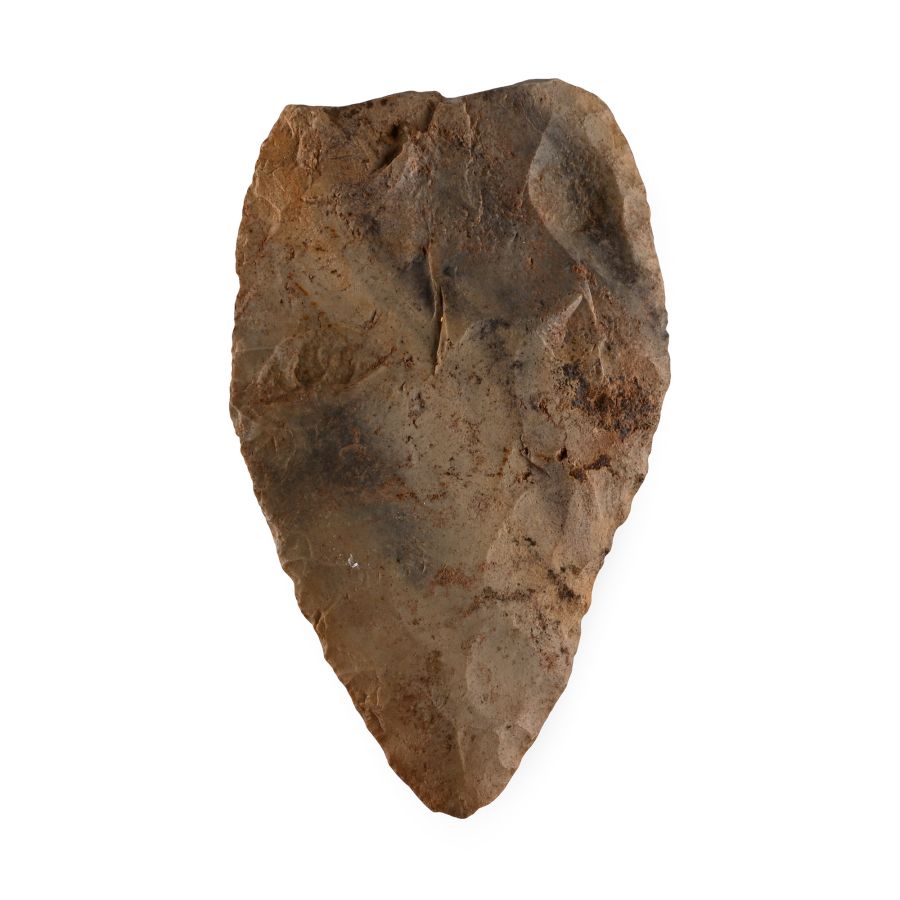
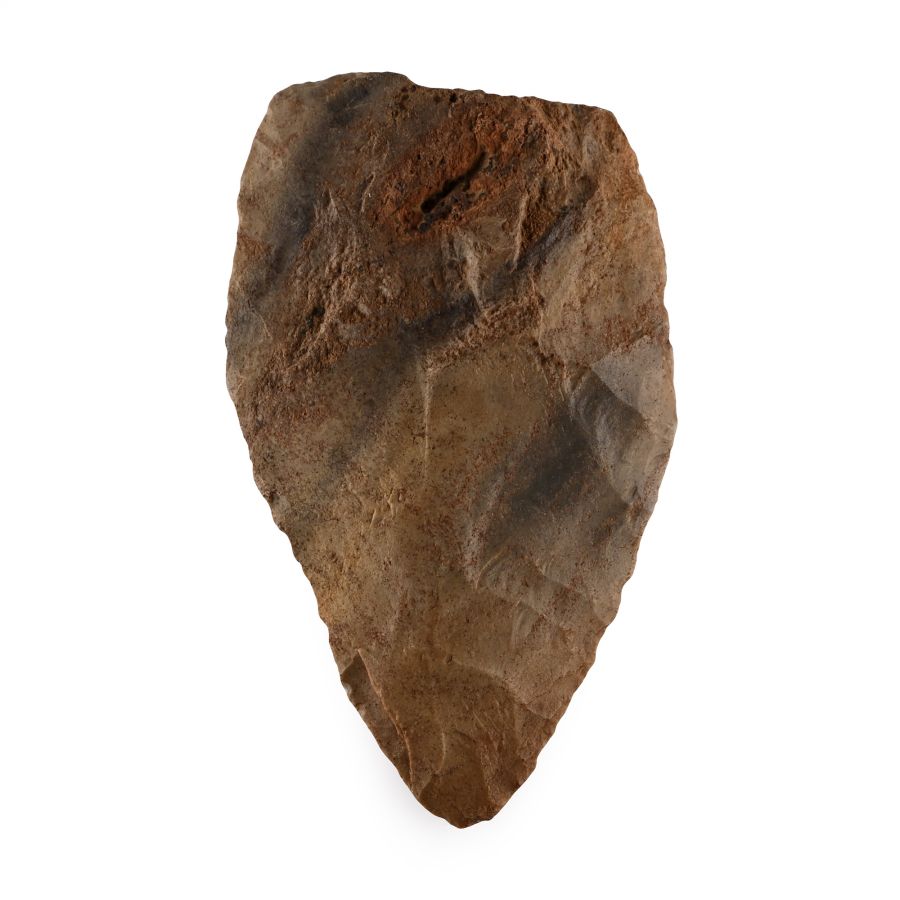
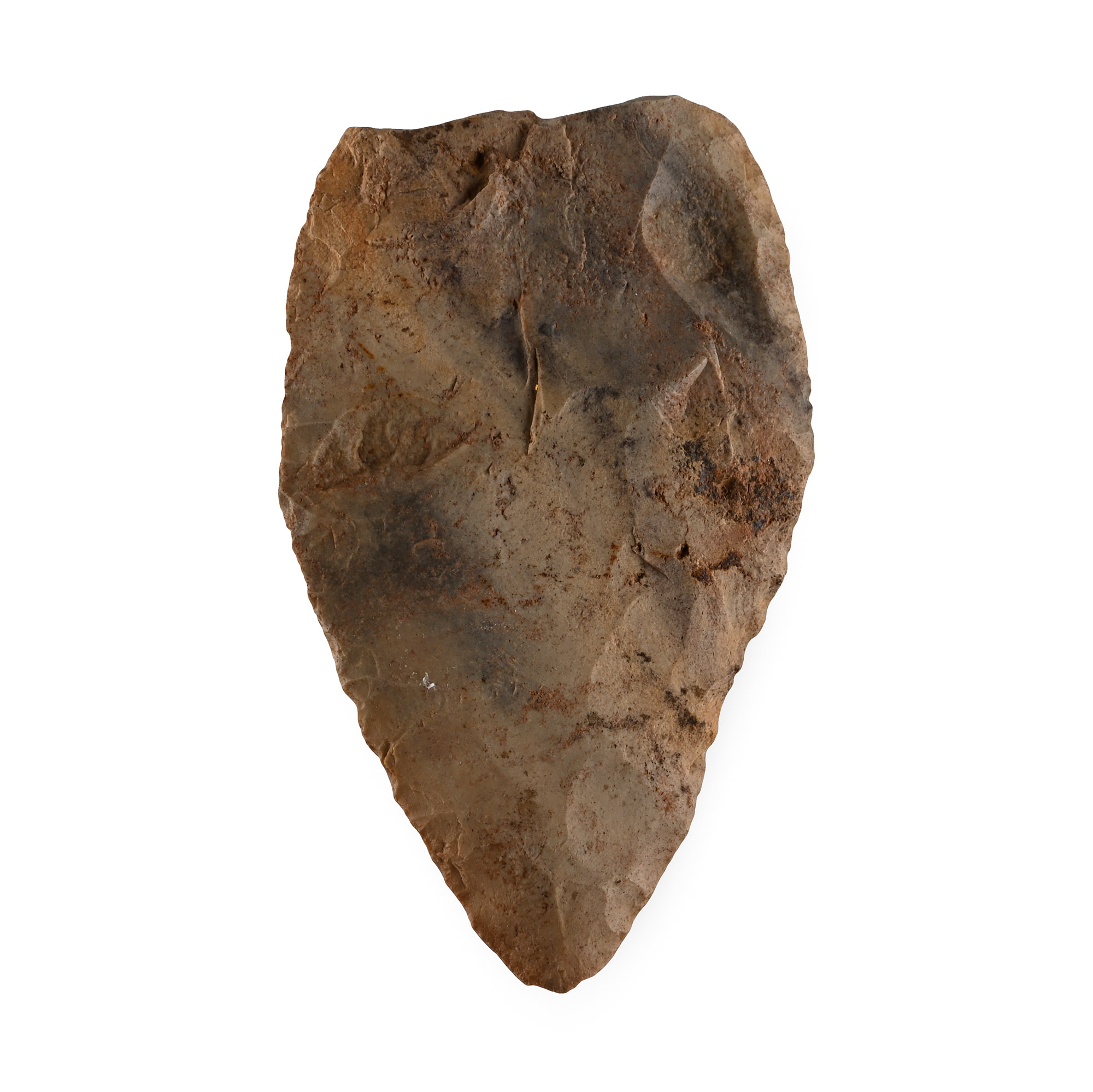
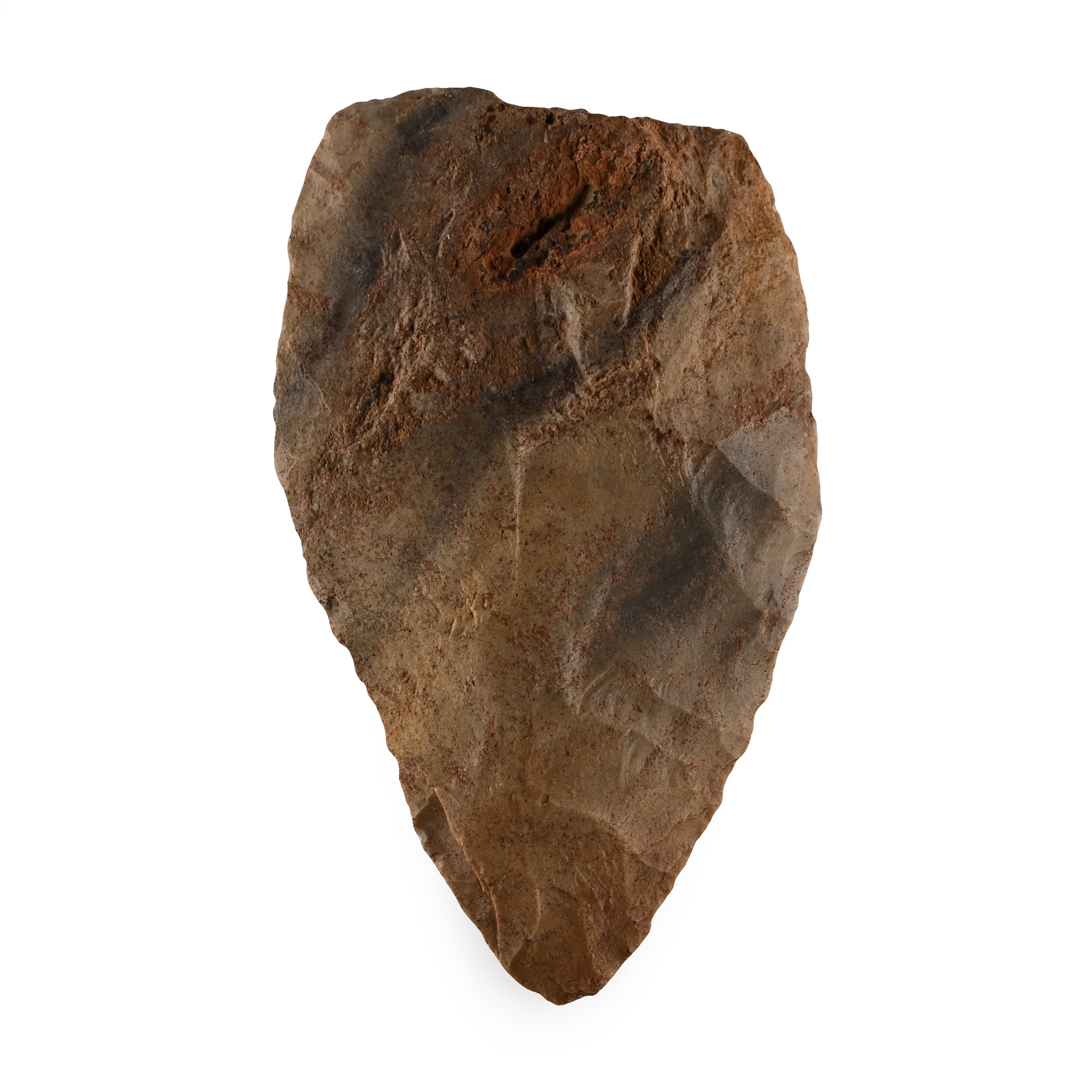
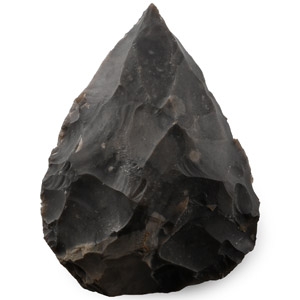
Stone Age Solutrean Laurel Leaf Point

UPPER PALAEOLITHIC PERIOD, CIRCA 22,000-17,000 YEARS B.P.

3 in. (38.4 grams, 77 mm).

A knapped laurel leaf-shaped point in light grey/brown flint.

Provenance

Found Dordogne Region, France.
Ex Naboon collection.
Acquired on the European art market.
From the private collection of an East Anglian, UK, specialist collector.
This lot is accompanied by an illustrated lot declaration signed by the Head of the Antiquities Department, Dr Raffaele D'Amato.

Footnotes

The Solutrean industry is named after the type site of 'Solutre' in East Central France. The culture is known as the epitome of sophisticated stone tools.

CONDITION
VETTING:

TimeLine Auctions follows a vetting process to ensure the authenticity and legality of all items, reinforcing our commitment to integrity and responsible trading. Each antiquity, antique, and coin lot undergoes thorough examination by a vetting committee of at least ten external specialists, professional trade association members, scientists, and archaeologists: Our Vetting Process


AUCTIONS:

TimeLine is a leading auction house specialising in antiquities, ancient art, collectables, natural history, coins, medals, and books. Our auctions offer museums, collectors, historians, and enthusiasts the opportunity to acquire unique and historically significant pieces.

LOT 1609

Stone Age Solutrean Laurel Leaf Point

Sold for (Inc. bp): £468

Print page

RELATED LOTS
  • Stone Age Clactonian Twydall Flint Tool
    Stone Age Clactonian 'Twydall' Flint Tool
    Lower Palaeolithic Period, circa 400,000 B.P.

    Sold for (Inc. bp): £13

    A knapped implement, inked collector's note '2. SS. 1281. C Twydall'. 82 grams, 68 mm


    Found Twydall, Kent, UK, 1912-1915. Richard Jones collection, Welling, Kent, UK, 1912-1915. Ex Rochester Museum, Kent collections. Specialist collection of J Edwin Jarvis. Ex Martin Schoyen collection, London, UK. Accompanied by a copy of an article on the site at Twydall and collections list. This lot is accompanied by an illustrated lot declaration signed by the Head of the Antiquities Department, Dr Raffaele D'Amato.

    These tools were part of the collection that was originally donated by a Mr Richard Jones of Welling in Kent to the Rochester Museum. During the period 1912-1915. Mr George Payne of the Kent Archaeological Society also collected along with a Mr George Baker. During 1902 'Sharpes Green Cement Works' was erected, then the smallest cement works on record, using second hand equipment and the last to use Static Chamber Kilns. The processing site was situated on the south shore of the river Medway near Gillingham, Kent, on an island known locally as "Horrid Hill" just off the shore. Horrid Hill was so named because French prisoners of the Napoleonic war who attempted to escape the 'Hulks' moored on the river were hanged here for their efforts. The raw material for the manufacture of cement was extracted from a local quarry in orchard grounds belonging to a Mr Walter Stunt of Lorrendon, Faversham, Kent at a place called Twydall between Chatham and Upchurch. During the removal of the chalk an infilled cavity was broken into on the eastern face of the quarry, which contained very rich lower Palaeolithic material. To facilitate the removal of the extracted chalk from the quarry to the works on the river a trackway was constructed to allow a small horse drawn railway to carry wagon loads of chalk for processing. To transport the loads over the tidal saltmarsh from river bank to the island a causeway was built above the upper tidal limit to the works. The material used was the gravel extracted at the quarry which was useless for the manufacture of cement and which contained the implements. The subsequent erosion caused by the tidal flow of the river exposed the Palaeolithic implements along the stretch of the causeway and, during the period of 1912 to 1915, were collected from the surface. The majority of the material is made up of flakes and cores typical of the 'Clactonian' style with also some Acheulian axes. The implements are well retouched and worked on thick, heavy flakes with high angle platforms, typical of the 'Clactonian' industry. The tools are made from the same marbled north Kent flint which was used at the Swanscombe Palaeolithic site from the ancient lower gravels of the Thames valley. This flint is typically a brown and yellow banded variety derived from the dark green skinned nodules of the "Bull Head" bed which underlies the Thanet sands.

    Lot Details

  • Very Large Stone Age Mousterian Levelious Flint Knife
    Very Large Stone Age Mousterian Levelious Flint Knife
    Middle Palaeolithic Period, circa 150,000- 60,000 B.P.

    Sold for (Inc. bp): £130

    Broadly ovate knapped from buff to light grey flint, made by Neanderthal man. 215 grams, 12 cm


    Found Bourgogne Franche-Compte Region, France. From a large French collection built up in the early 1900s. Acquired on the European art market. From the private collection of an East Anglian, UK, specialist collector. This lot is accompanied by an illustrated lot declaration signed by the Head of the Antiquities Department, Dr Raffaele D'Amato.

    Lot Details

  • Stone Age Flint Single-Faced Knife Group
    Stone Age Flint Single-Faced Knife Group
    Mesolithic Period, circa 6000 B.P.

    Sold for (Inc. bp): £33

    Three knapped knife blades, one in dark grey flint with some cortex, two pale brown. 22.05 grams total, 43-61 mm


    Found Thames Valley in the 19th century. From an antiquarian Palaeolithic study collection, Shropshire, UK. This lot is accompanied by an illustrated lot declaration signed by the Head of the Antiquities Department, Dr Raffaele D'Amato.

    Lot Details

Stay up-to-date with the latest from TimeLine Auctions by joining our mailing list