
Loading, please wait...
LOT 1601
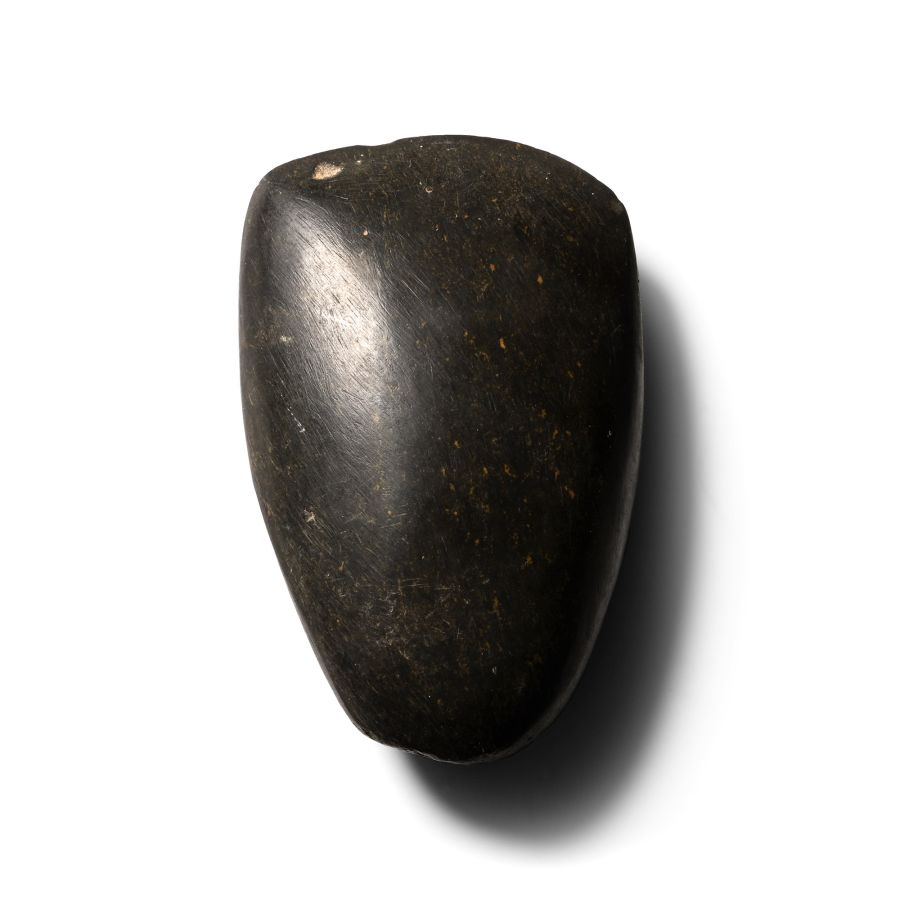
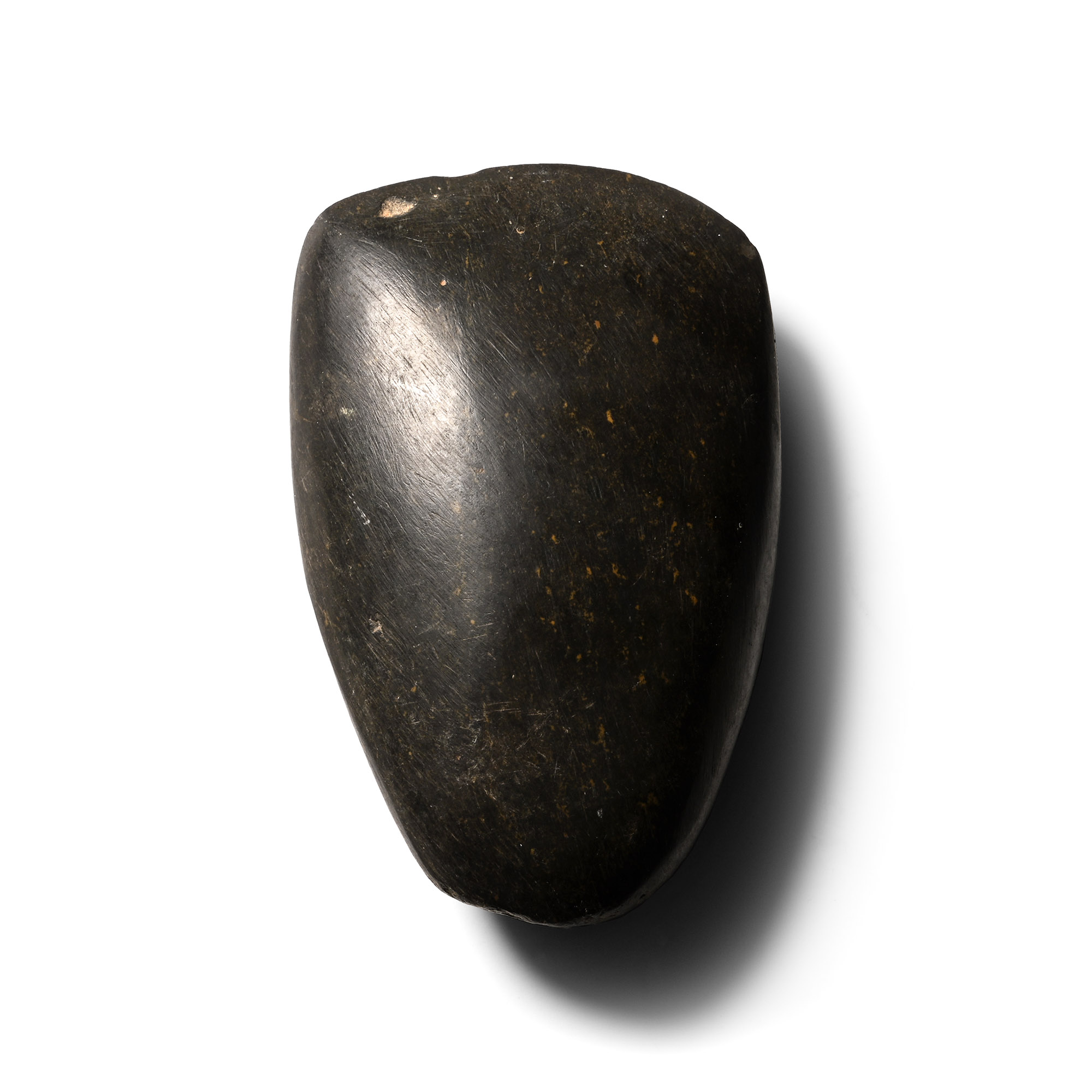
Stone Age Polished Stone Axehead
NEOLITHIC PERIOD, CIRCA 6,000 B.P.
3 1/4 in. (206 grams, 82 mm).
Tongue-shaped in plan and lentoid in profile; fine polished finish. [No Reserve]
ProvenanceFrom a UK private collection since at least 1946.
Property of a West London, UK, gentleman.
TimeLine Auctions follows a vetting process to ensure the authenticity and legality of all items, reinforcing our commitment to integrity and responsible trading. Each antiquity, antique, and coin lot undergoes thorough examination by a vetting committee of at least ten external specialists, professional trade association members, scientists, and archaeologists: Our Vetting Process
AUCTIONS:
TimeLine is a leading auction house specialising in antiquities, ancient art, collectables, natural history, coins, medals, and books. Our auctions offer museums, collectors, historians, and enthusiasts the opportunity to acquire unique and historically significant pieces.
-
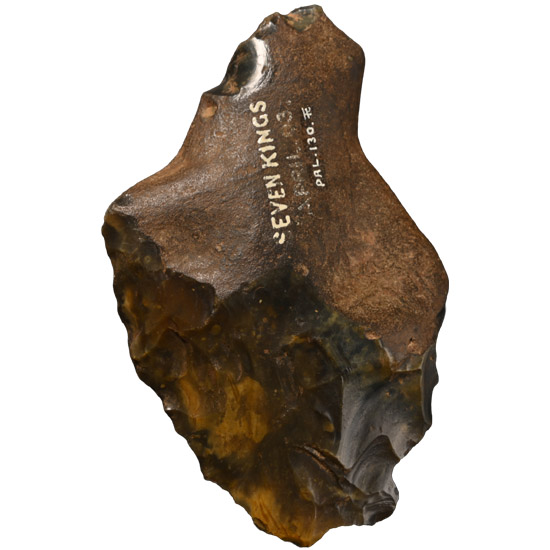
British Stone Age Knapped Flint Axe
Middle Palaeolithic Period, circa 150,000-60,000 B.P.Sold for (Inc. bp): £65
In dark brown flint, an old inked collector's note 'Seven Kings, April [?]3, PAL.130. (monogram)' on one side. 167 grams, 11.5 cm
Found in Seven Kings, East London, UK. From the collection of Martin Doyle, Leverstock, UK, 1980s-2000s. -
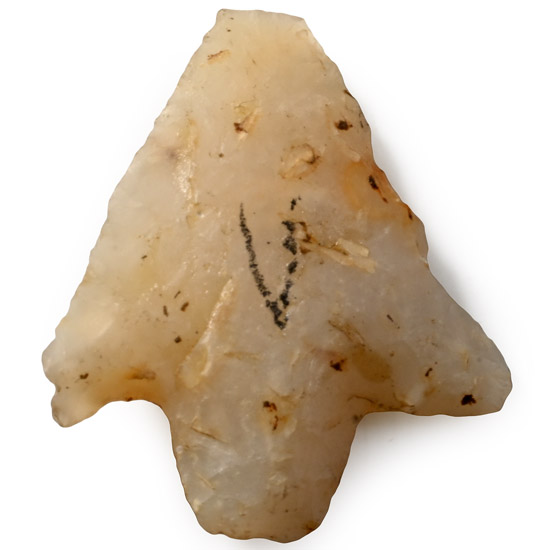
French Stone Age Knapped Chalcedony Arrowhead
Neolithic Period, circa 6000 B.P.Sold for (Inc. bp): £59
Barbed and tanged type made from a rare material. 1.8 grams, 22 mm
From Henoville, France. Acquired in the 1970s-1990s. From the collections of the famous UK musician and amateur archaeologist, Victor Brox (1941-2023). Acquired on the UK art market in the 2020s. From a private collection. -
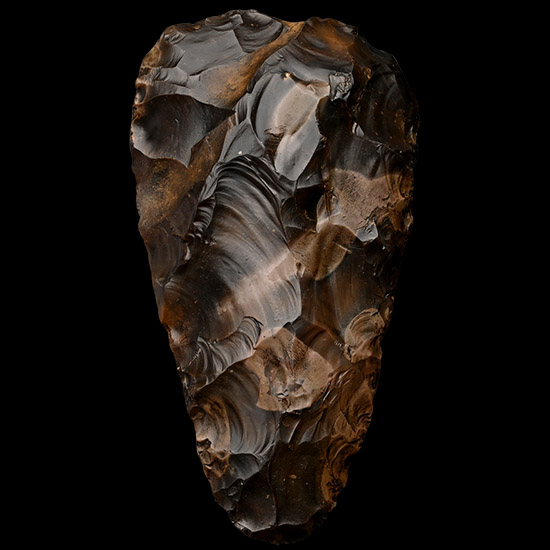
Large and Impressive Nordic Stone Age Flaked Flint Preform for a Handaxe
Neolithic Period, circa 5000-3500 B.P.Sold for (Inc. bp): £845
Large ovate handaxe 'blank' with initial knapping work already undertaken, preparatory to finishing and dressing. 790 grams, 19 cm
Formerly in the collection of Swedish Industrialist Nils Thorwaldsen (1918-2019). Ex private collection; acquired during the 1970s-1980s.
These flint axe 'blanks' were widely traded during Neolithic times.
