
Loading, please wait...
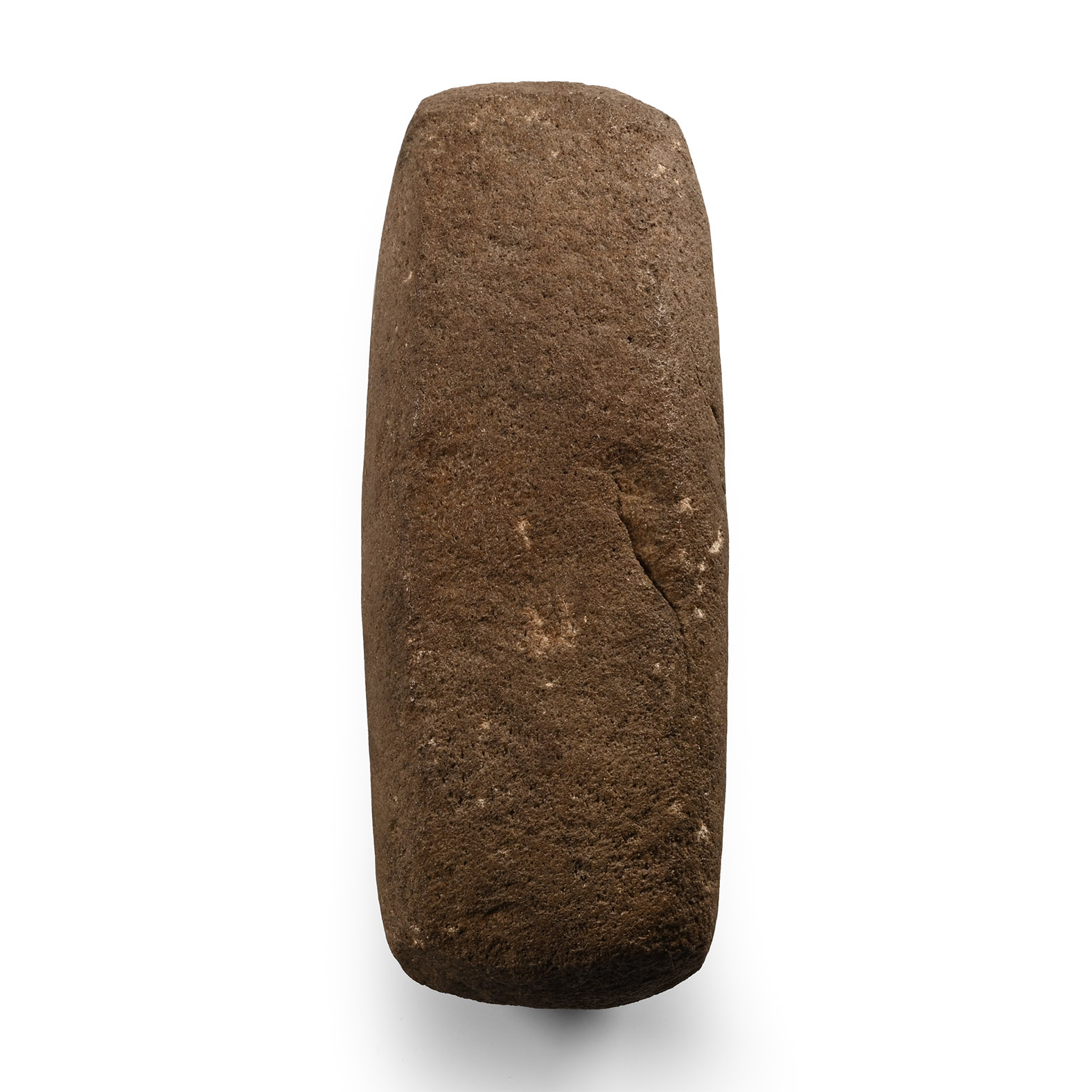
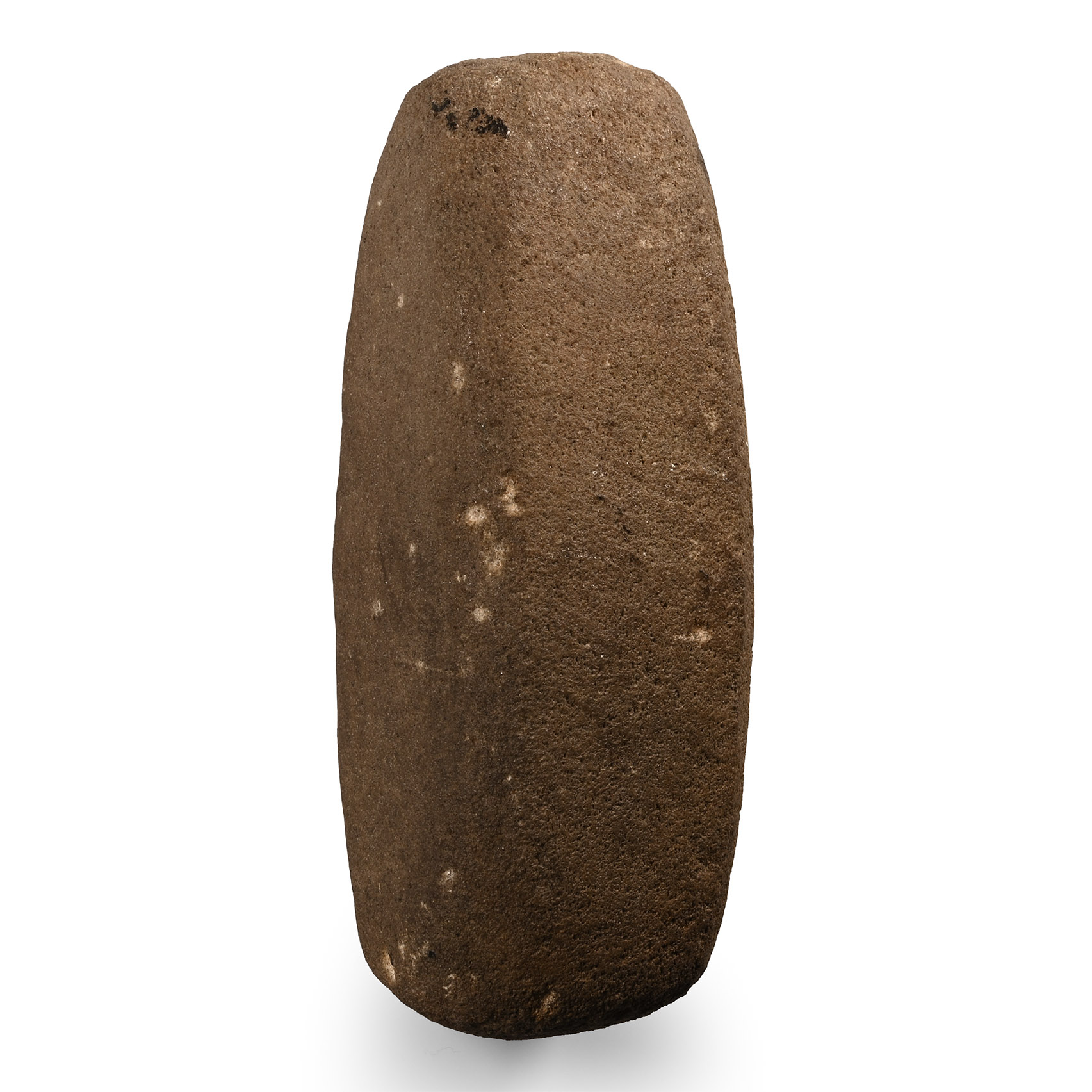
LOT 1533
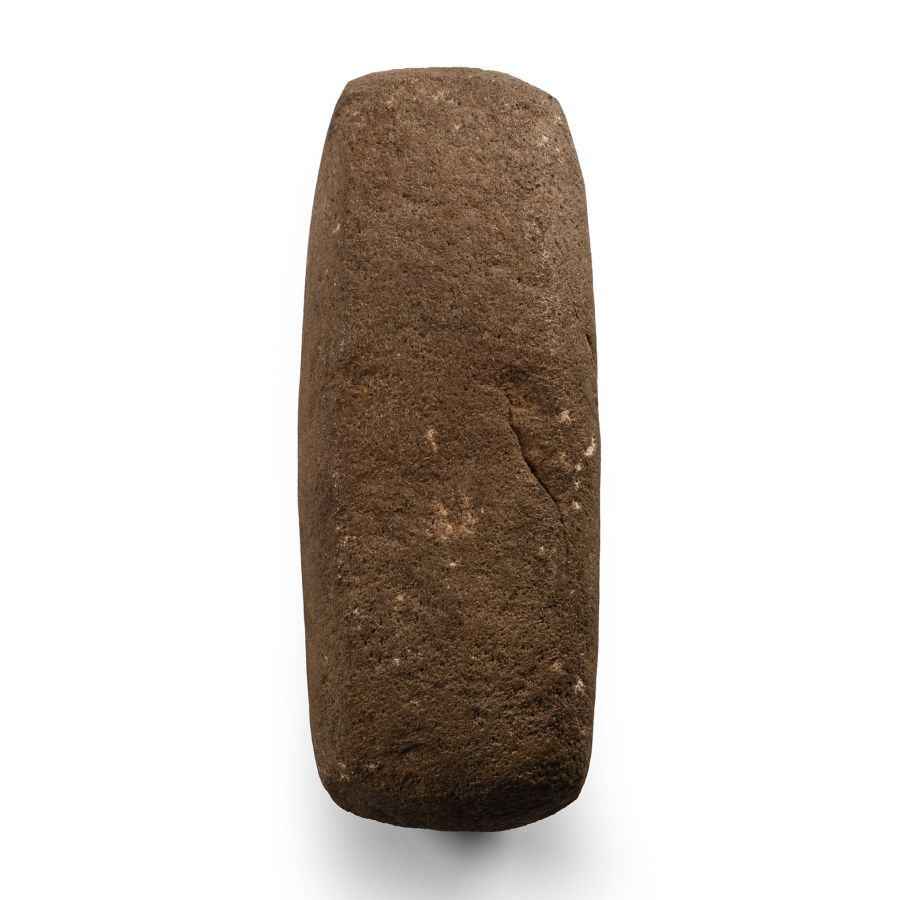
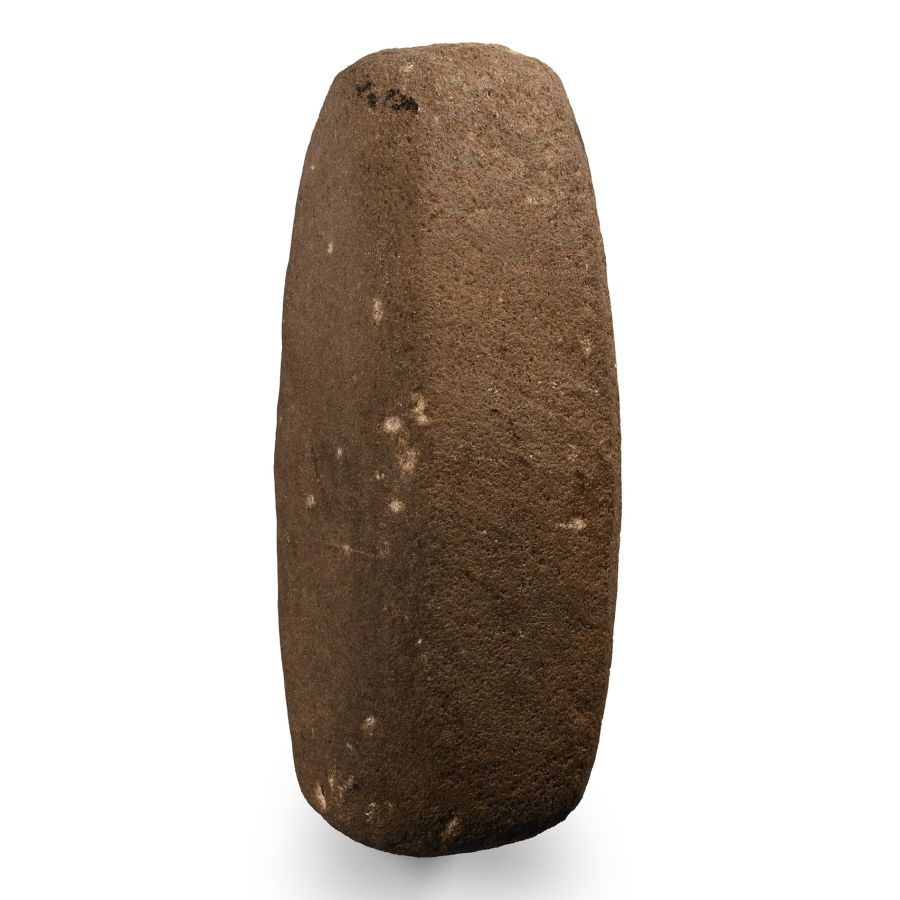
Stone Age Polished Axe-Hammer
NEOLITHIC PERIOD, CIRCA 6TH-4TH MILLENNIUM B.C.
5 7/8 in. (689 grams, 15 cm).
With narrow blade and rounded butt. [No Reserve]
ProvenanceFrom a collection acquired on the UK art market from various auction houses and collections mostly before 2000.
From an important Cambridgeshire estate; thence by descent.
TimeLine Auctions follows a vetting process to ensure the authenticity and legality of all items, reinforcing our commitment to integrity and responsible trading. Each antiquity, antique, and coin lot undergoes thorough examination by a vetting committee of at least ten external specialists, professional trade association members, scientists, and archaeologists: Our Vetting Process
AUCTIONS:
TimeLine is a leading auction house specialising in antiquities, ancient art, collectables, natural history, coins, medals, and books. Our auctions offer museums, collectors, historians, and enthusiasts the opportunity to acquire unique and historically significant pieces.
-
Stone Age Angular and Other Arrowhead Collection
Neolithic Period, circa 6th-4th millennium B.C.Sold for (Inc. bp): £468
Comprising mostly bifacial and uniface flint and chert arrowheads; probably from the Sahara region of North Africa. 110 grams total, 22-48 mm
UK gallery, early 2000s. -
Stone Age Long Gravettian Flint Point
Upper Palaeolithic Period, circa 40,000-20,000 B.P.Sold for (Inc. bp): £260
With fine retouching; a very well made example of this rare type; with inked findspot legend 'La Vergne / Carlux / 24 / JAV' and old collector's label '[...] Carlux / Dordogne'. 78 grams, 10.3 cm
Found La Vergne, Carlux, France. Acquired in the 1970s-1990s. From the collection of famous UK musician and amateur archaeologist, Victor Brox (1941-2023). -
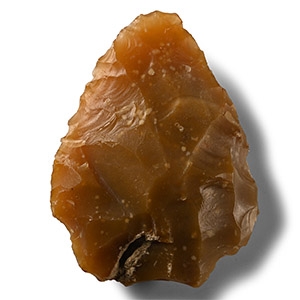
Stone Age Mousterian Bifacial Flint Handaxe
Middle Palaeolithic Period, circa 150,000- 60,000 B.P.Sold for (Inc. bp): £59
Cordate in plan, finely made with intricate retouching. 123 grams, 87 mm
Found Barraux, France. From the collection of a Belgian collector. Acquired on the European art market. From the private collection of an East Anglian, UK, collector.
Attributed to Homo neanderthalensis.
