
Loading, please wait...
LOT 0265
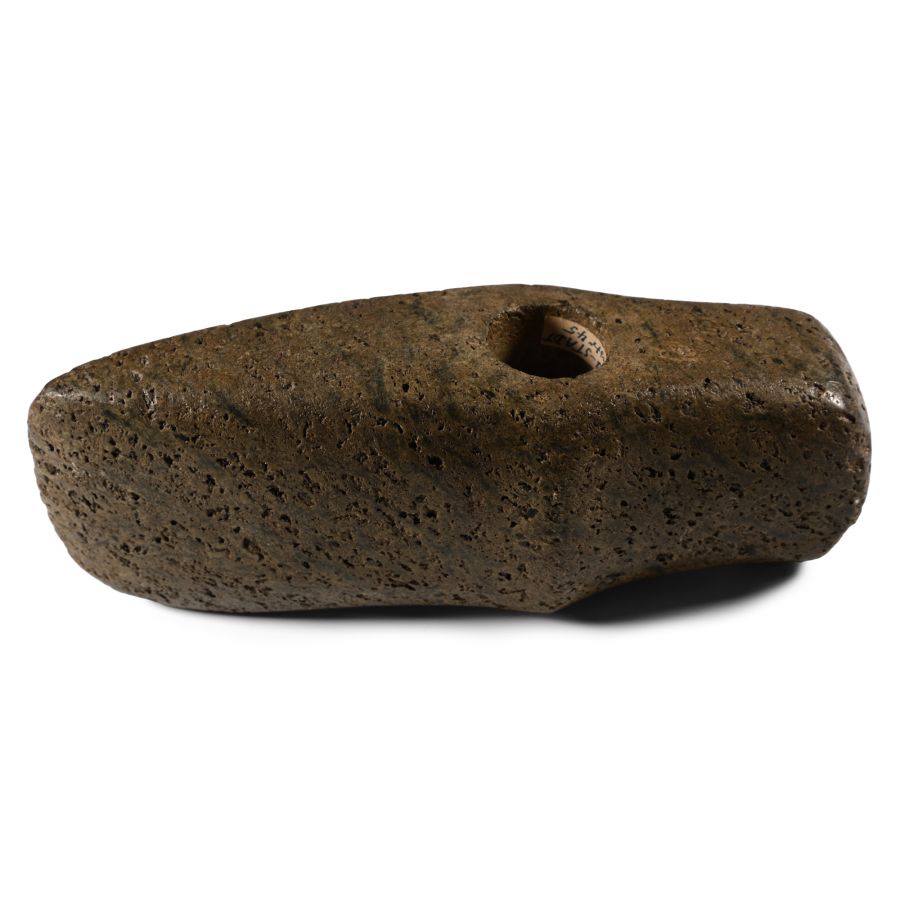
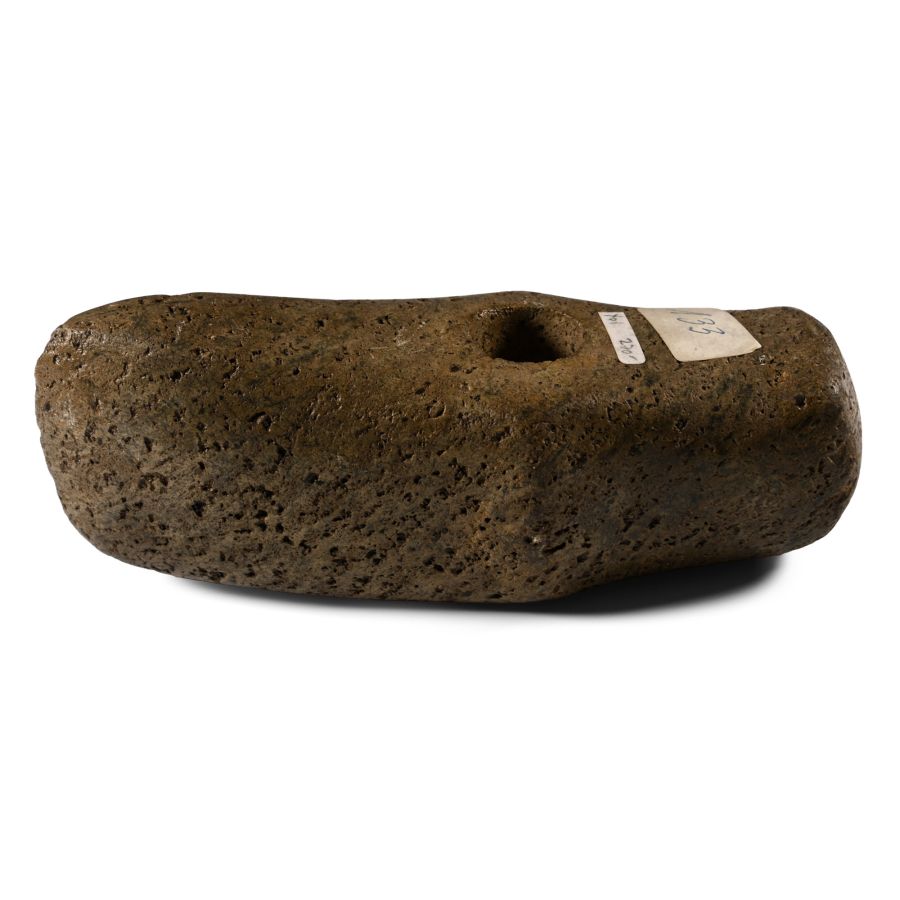
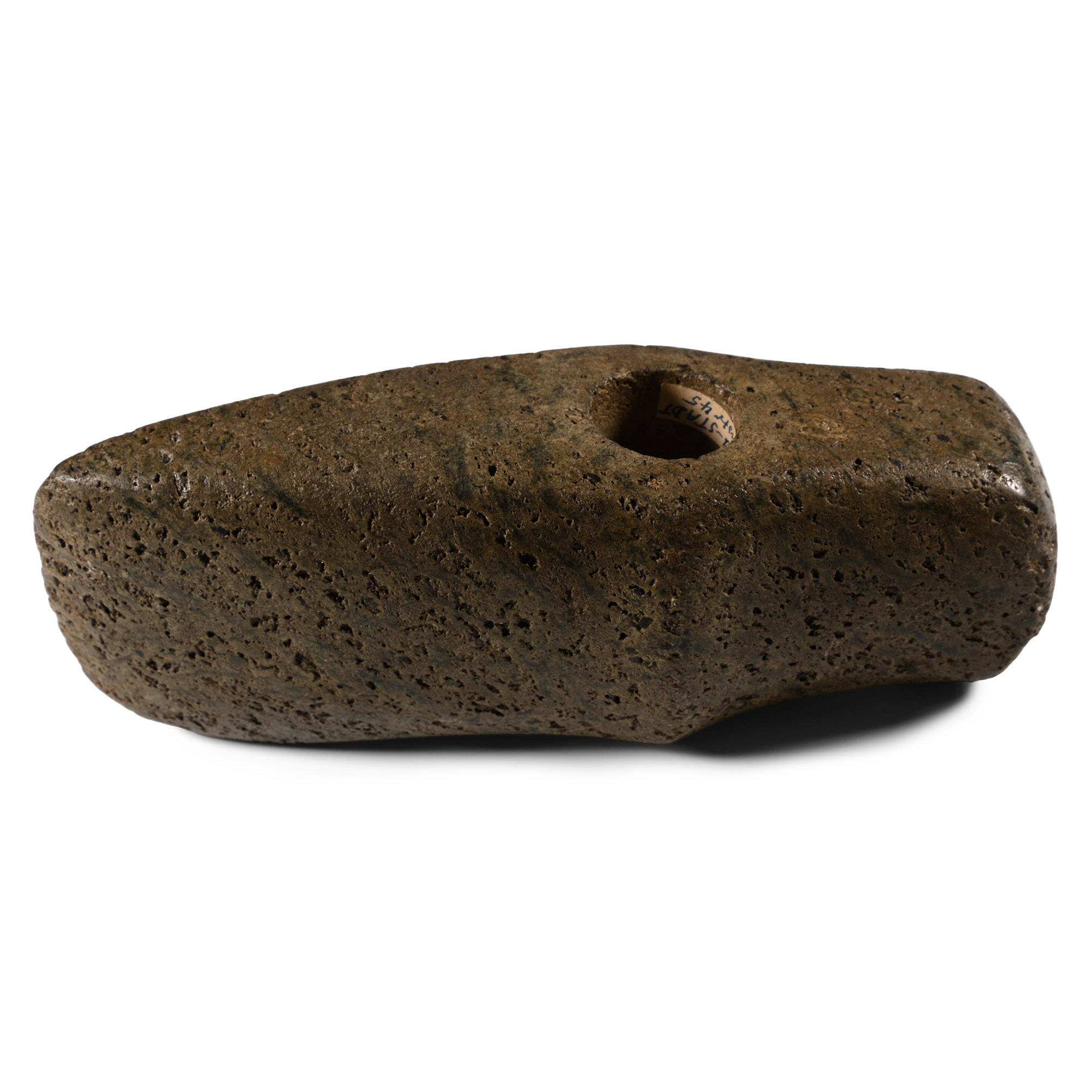
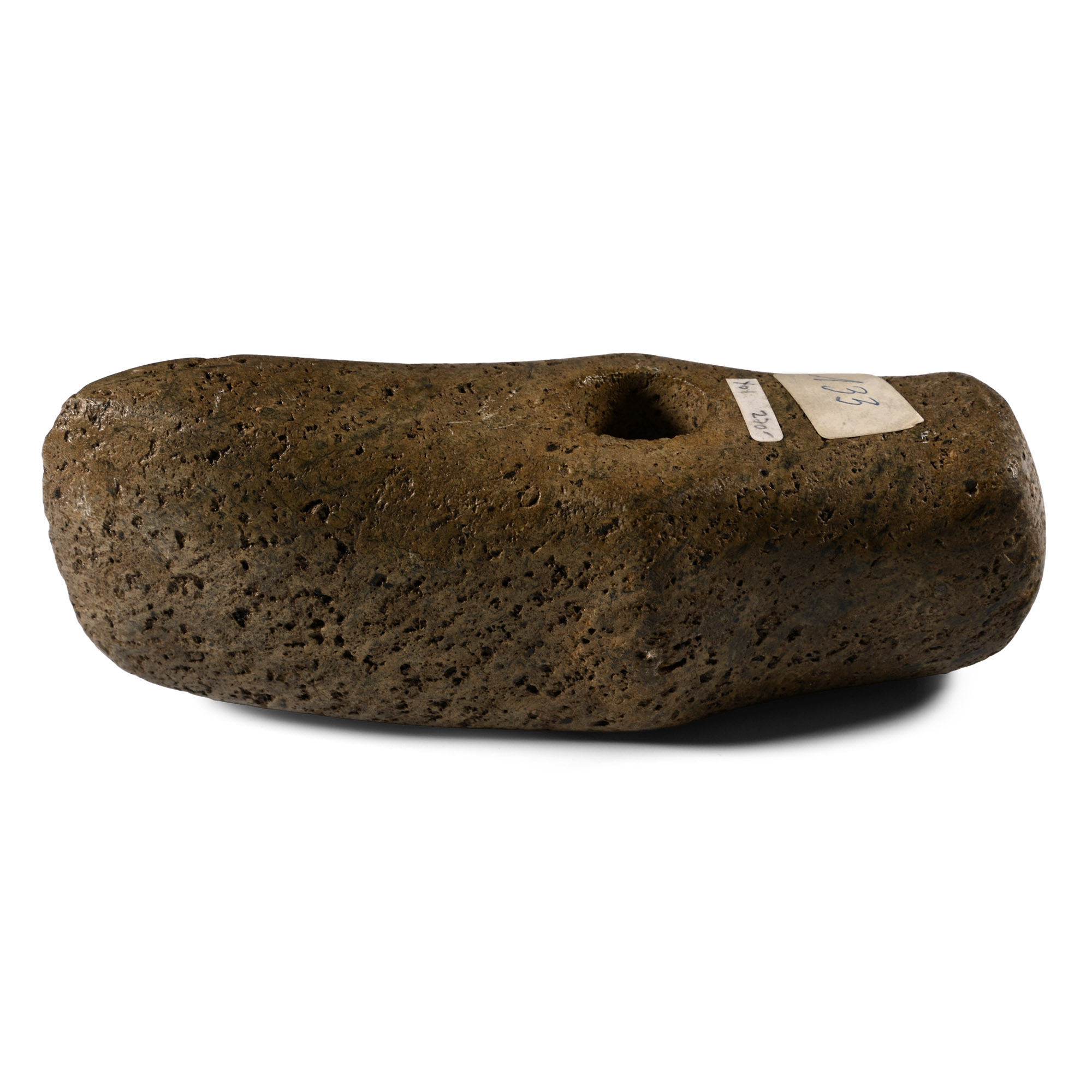
Stone Age Pierced Boat-Shaped Axehead
NEOLITHIC PERIOD, 4TH MILLENNIUM B.P.
5 3/4 in. (656 grams, 14.8 cm).
Boat-shaped in plan with central drilling; domed hammer-face to butt, carination to each broad face.
ProvenanceAcquired in the 1996.
Private collection, Switzerland, thence by descent.
Private collection, since the late 1990s.
Cf. MacGregor, A. (ed.), Antiquities from Europe and the Near East in the Collection of Lord McAlpine of West Green, Oxford, 1987, item 6.18-6.19-6.20-6.21, for type.
CONDITIONTimeLine Auctions follows a vetting process to ensure the authenticity and legality of all items, reinforcing our commitment to integrity and responsible trading. Each antiquity, antique, and coin lot undergoes thorough examination by a vetting committee of at least ten external specialists, professional trade association members, scientists, and archaeologists: Our Vetting Process
AUCTIONS:
TimeLine is a leading auction house specialising in antiquities, ancient art, collectables, natural history, coins, medals, and books. Our auctions offer museums, collectors, historians, and enthusiasts the opportunity to acquire unique and historically significant pieces.
-
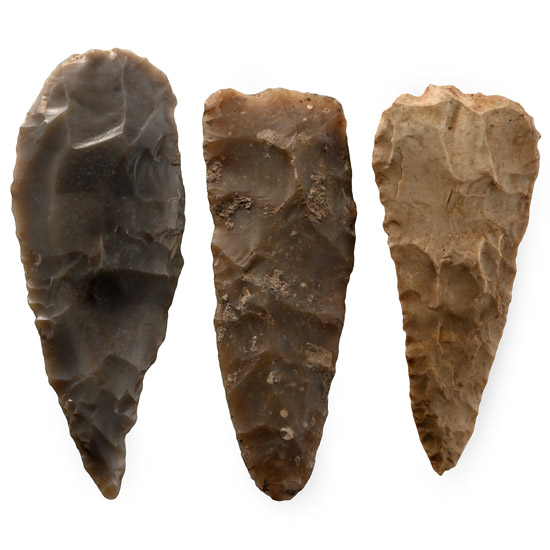
Large North American Stone Age Knapped Spear Point Group
Archaic Woodland Period, circa 2500-1900 B.P. or laterSold for (Inc. bp): £26
Comprising three ovate points in brown and grey stone. 82.8 grams total, 85-96 mm
From a previous old English collection. From the private collection of a West Midlands lady collector; acquired from a UK auction house. -
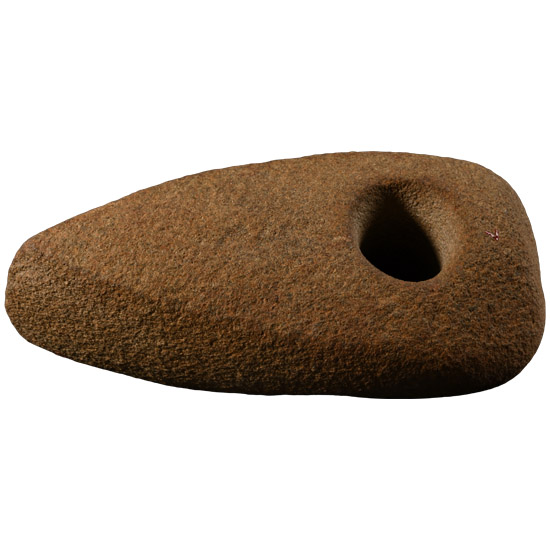
Danish Stone Age Pecked Boat-Shaped Axehead
Neolithic Period, circa 6,000 B.P.Sold for (Inc. bp): £98
With a rounded butt, slightly curving cutting edge and a round socket; inked collector's note 'Slagelse' to the rear. 1.28 kg, 17 cm
Found Slagelse, Denmark. From the collection of Martin Doyle, Leverstock, UK, 1980s-2000s. -
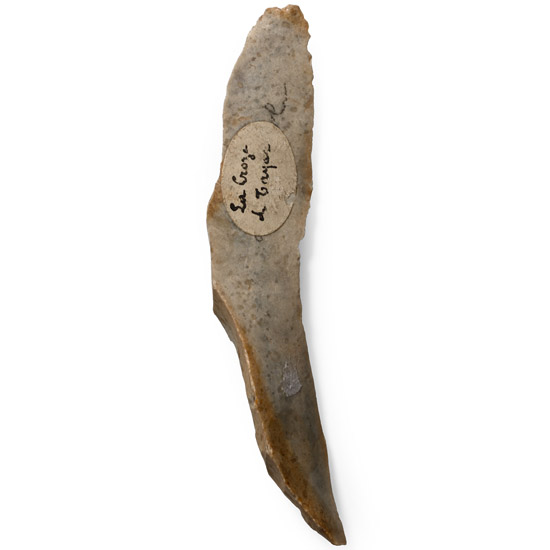
French Stone Age Knapped Flint Long Crested Blade Scraper
Gravettian Period, circa 33,000-21,000 B.P.Sold for (Inc. bp): £286
Slender curved blade with faceted upper face and extensive retouch to one edge; old label 'La Croze du Tayac'. 16.2 grams, 92 mm
From La Croze du Tayac, France. Acquired in the 1970s-1990s. From the collections of the famous UK musician and amateur archaeologist, Victor Brox (1941-2023). From the private collection of an East Anglian, UK, specialist collector.
