
Loading, please wait...
LOT 1223
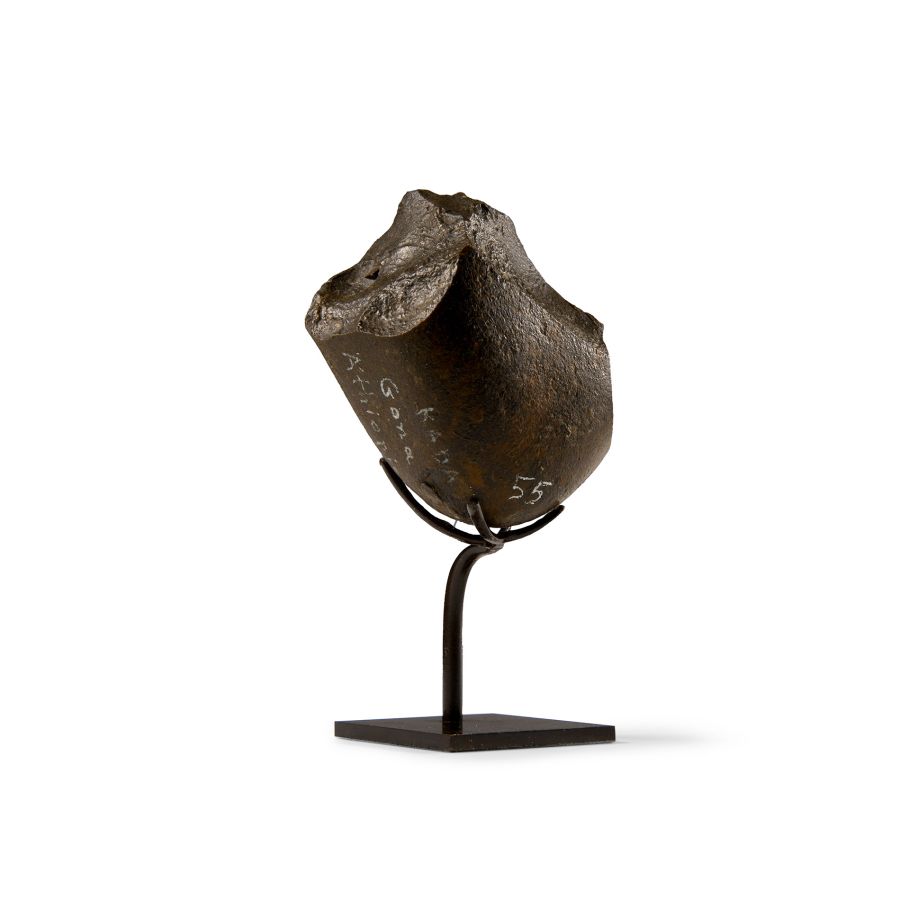
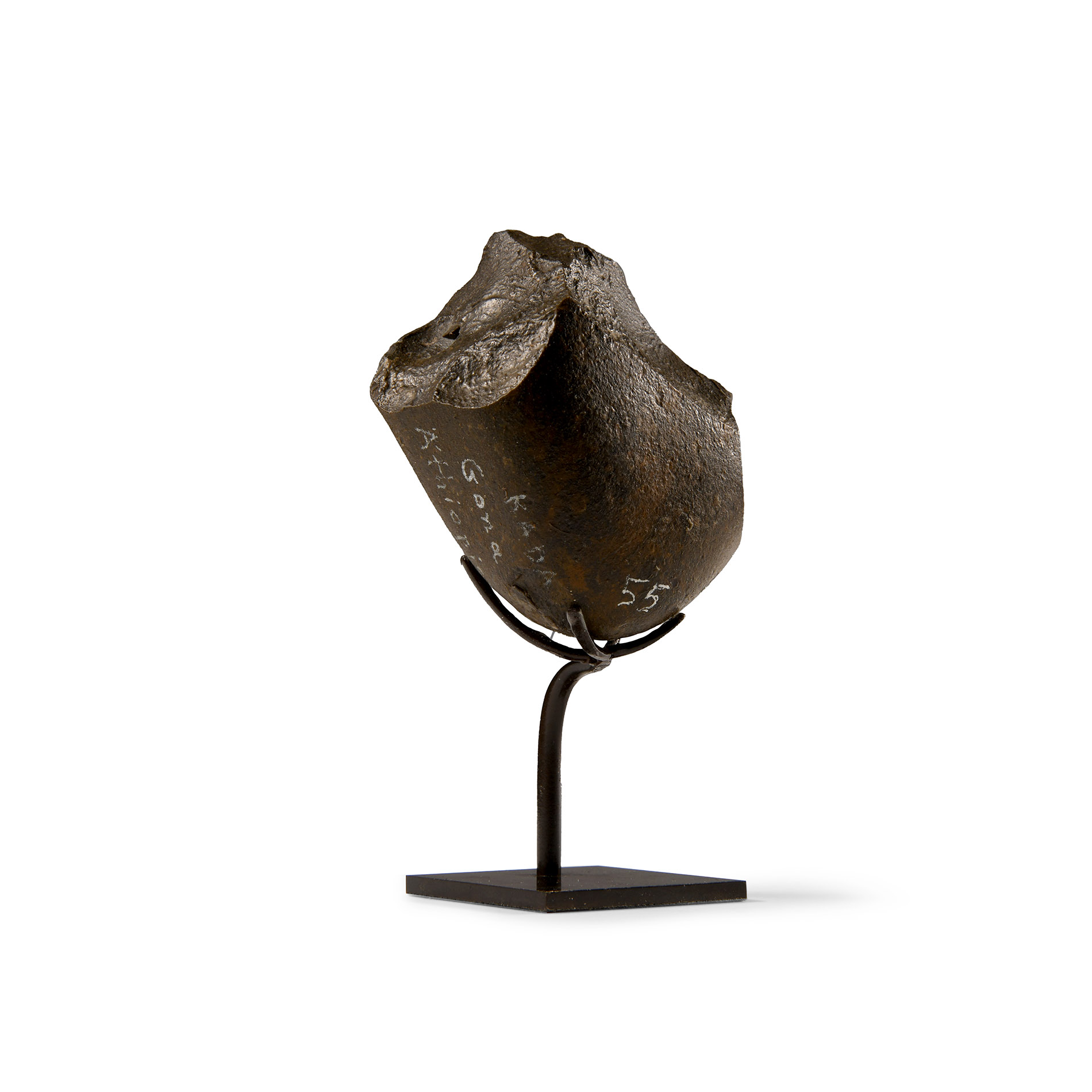
Stone Age Oldowan Pebble Hand Axe
LOWER PALAEOLITHIC PERIOD, CIRCA 2.6-1.7 MILLION YEARS B.P.
2 7/8 in. (340 grams total, 12.5 cm including stand).
Basalt or similar natural stone pebble with crudely knapped cutting or chopping edge; with inked KADA / Gona / Athiopien' findspot note and numbered '55'; with custom-made display stand.
ProvenanceFound near Kada Gona, Ethiopia in the 1960s.
Subsequently Stark collection, Germany.
Later with the Celtic and Prehistoric Museum, Dingle, Country Kerry, Republic of Ireland.
The Oldowan implements, mostly comprising roughly knapped or chipped stone pebbles that provide crude cutting edges, are some of the most ancient artefacts made by the earliest recognised hominids, typified by the discoveries at Oldovan Gorge in Africa, found there by the Leakey family.
CONDITIONTimeLine Auctions follows a vetting process to ensure the authenticity and legality of all items, reinforcing our commitment to integrity and responsible trading. Each antiquity, antique, and coin lot undergoes thorough examination by a vetting committee of at least ten external specialists, professional trade association members, scientists, and archaeologists: Our Vetting Process
AUCTIONS:
TimeLine is a leading auction house specialising in antiquities, ancient art, collectables, natural history, coins, medals, and books. Our auctions offer museums, collectors, historians, and enthusiasts the opportunity to acquire unique and historically significant pieces.
-
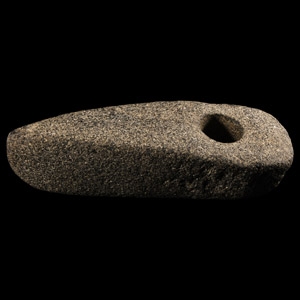
Stone Age Pierced Battle Axe-Hammer
3rd-2nd millennium B.C.Sold for (Inc. bp): £312
With rounded butt and convex sides, pierced for attachment to the handle. 921 grams, 18 cm
Found near Oxford, Oxfordshire, UK, by the vendor's father. Property of a Suffolk lady.
Axe-hammers like this one were used in felling trees to create fields from the natural woodland, and in shaping timber for building. The great number of stone axes and axe-hammers from Nordic European areas are a measure of how densely populated some parts of the Europe had become by five thousand years ago. -
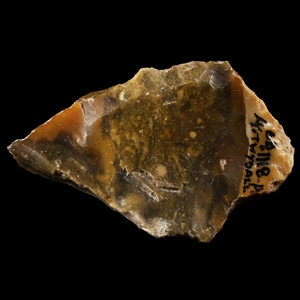
Stone Age Twydall Flint Flake Implement
Lower Palaeolithic Period, circa 400,000 B.P.Sold for (Inc. bp): £78
Formed on s small, thin flake with some trimming to edges; with inked collection number: '6B.1118.A / 4.TWYDALL'. 41 grams, 66 mm
Found Twydall, Kent, UK. Richard Jones collection, Welling, Kent, UK, 1912-1915. Ex Rochester Museum, Kent collections. Specialist collection of J Edwin Jarvis. Ex Martin Schoyen collection, London, UK. Accompanied by a copy of an article on the site at Twydall. -
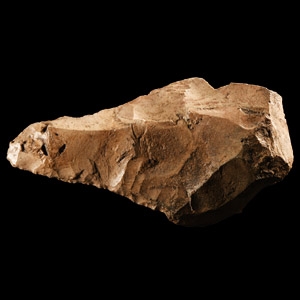
Stone Age French Ficron Handaxe in Pink Quartzite
Palaeolithic Period, circa 300,000 B.P.Sold for (Inc. bp): £52
Knapped, with a bulbous head and slender tapering butt. 307 grams, 13.6 cm
From an old French collection. Ex Norfolk, UK, private collection. From the collection of a South West London, UK, collector.
