
Loading, please wait...
LOT 1606
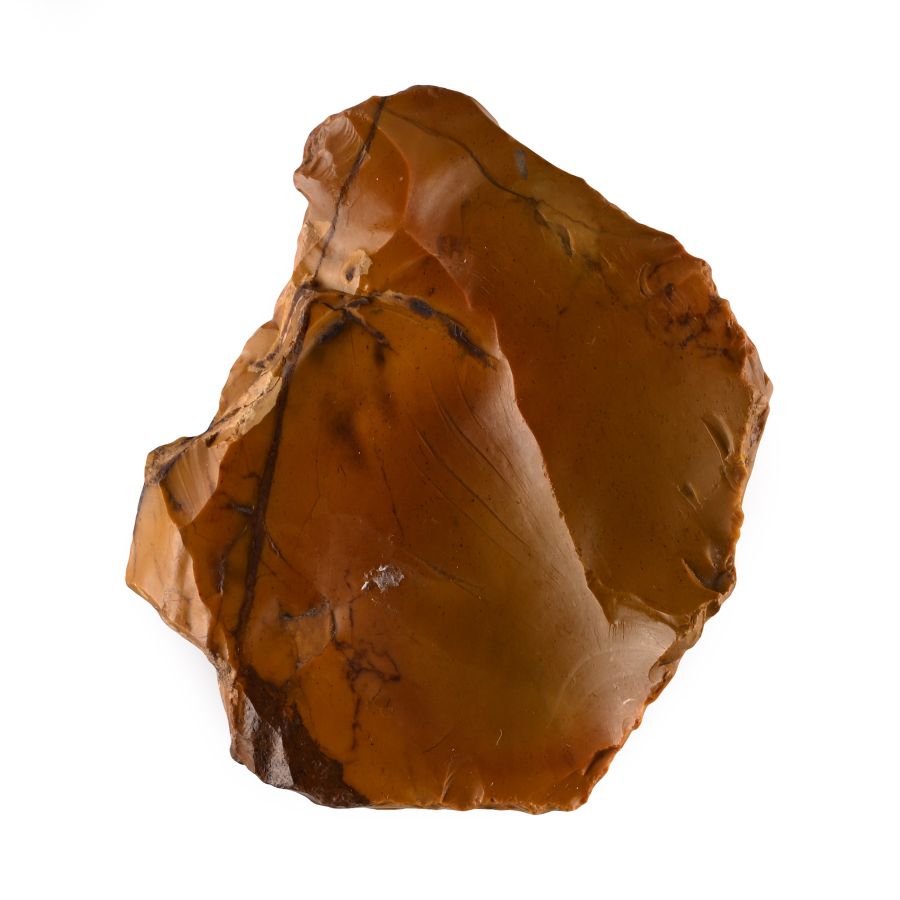
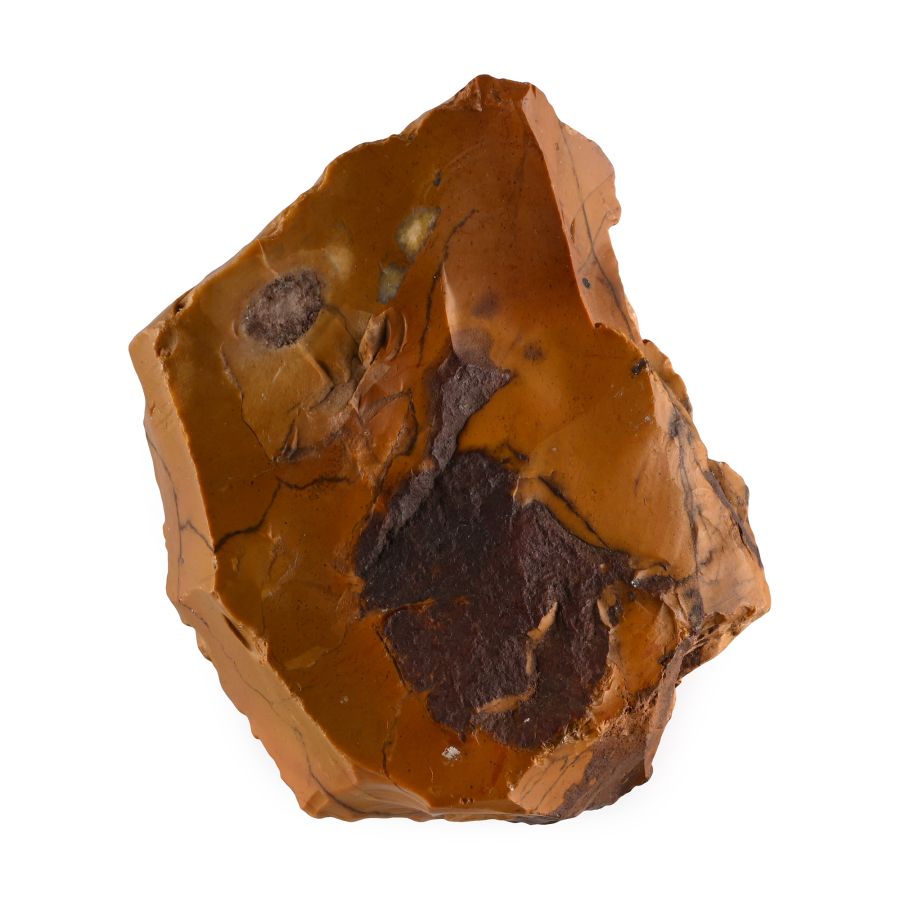
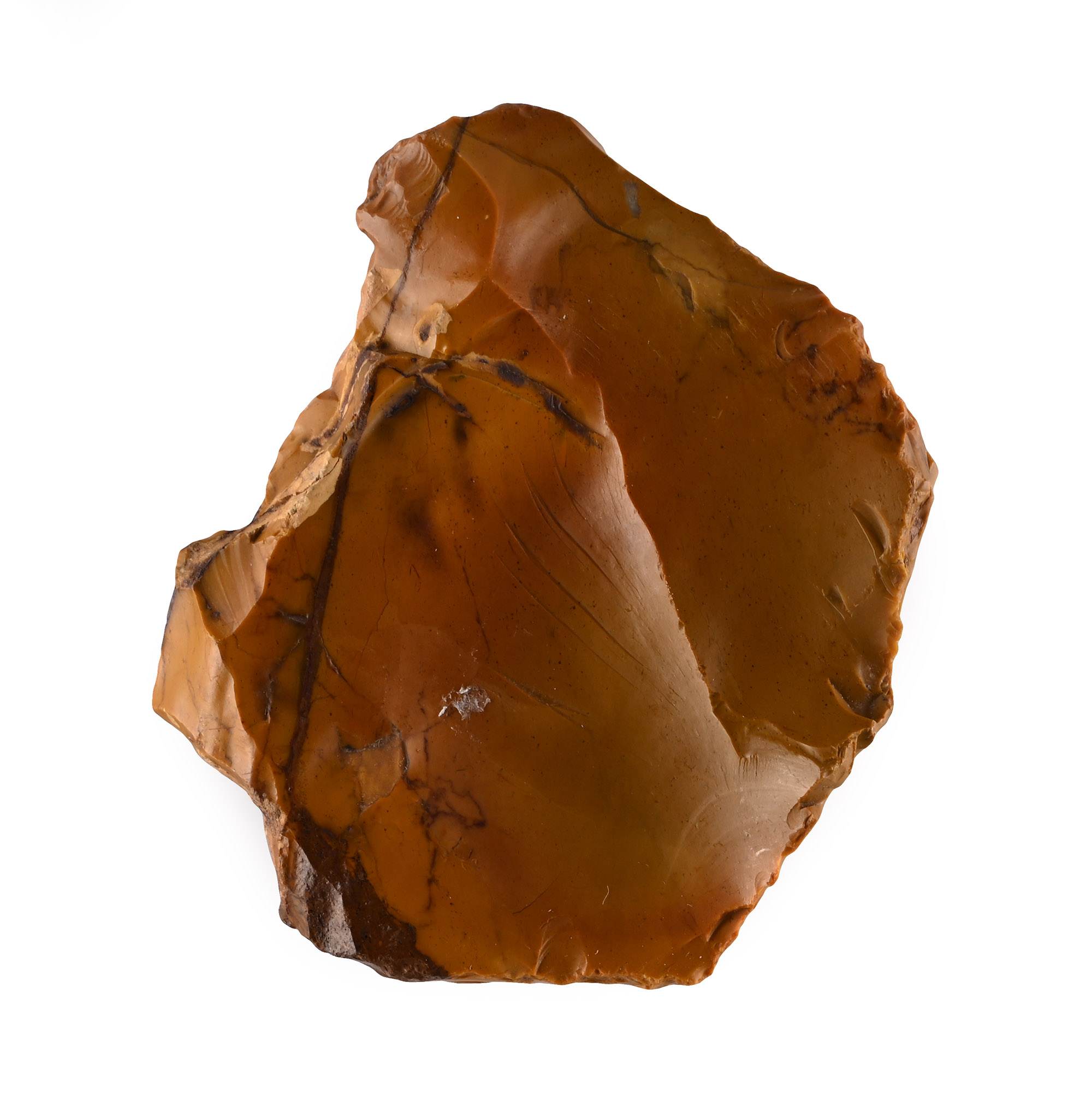
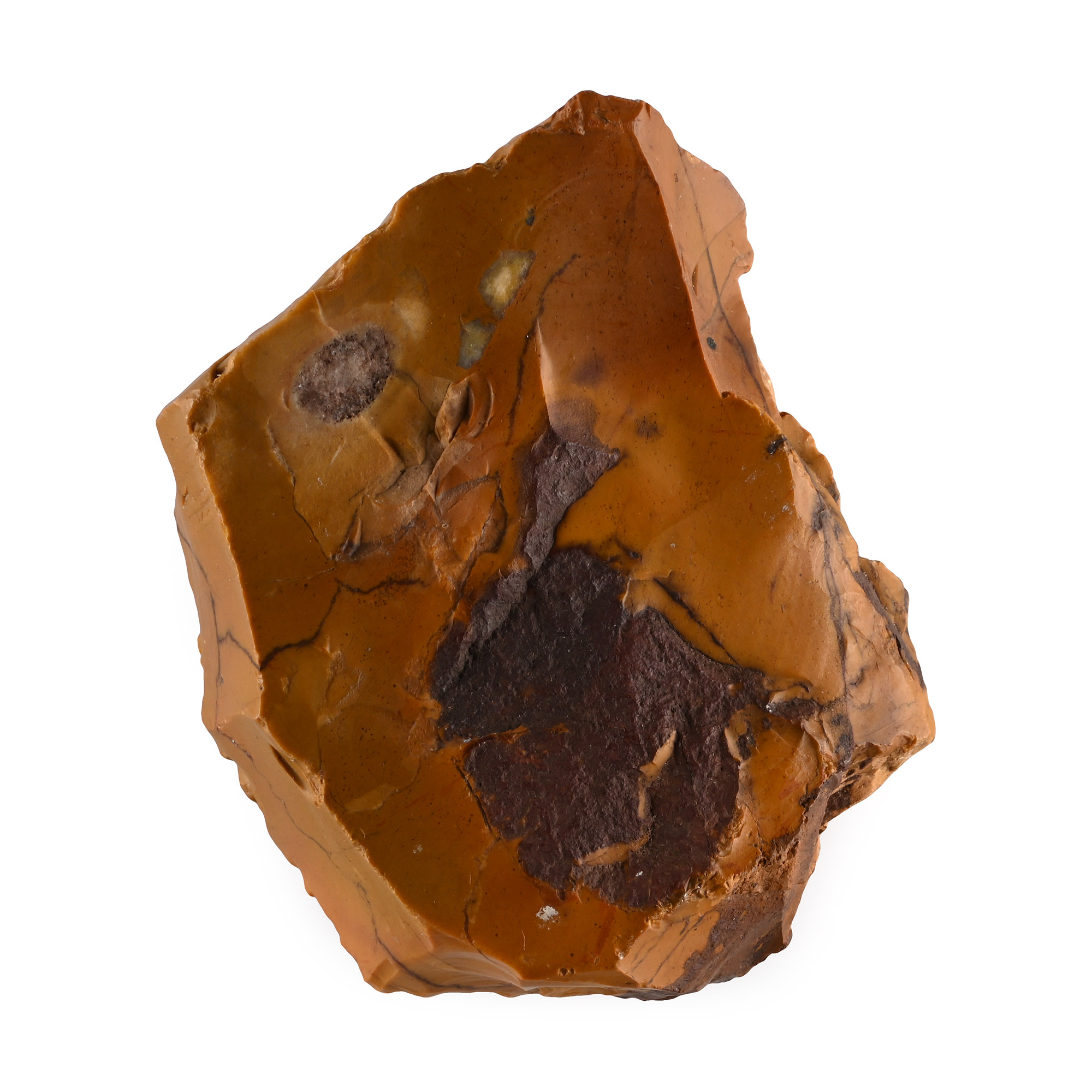
Stone Age Mousterian 'Fontmaure' Jasper Levellious Point Core
MIDDLE PALAEOLITHIC PERIOD, CIRCA 150,000-60,000 B.P.
3 in. (116 grams, 74 mm).
A knapped core with traces of chalcedony running through the jasper. [No Reserve]
ProvenanceFound Fontmaure, Vienne department, France.
Ex famous UK musician and amateur archaeologist, Victor Brox (1941-2023).
Acquired on the UK art market.
From the private collection of an East Anglian, UK, specialist collector.
This lot is accompanied by an illustrated lot declaration signed by the Head of the Antiquities Department, Dr Raffaele D'Amato.
TimeLine Auctions follows a vetting process to ensure the authenticity and legality of all items, reinforcing our commitment to integrity and responsible trading. Each antiquity, antique, and coin lot undergoes thorough examination by a vetting committee of at least ten external specialists, professional trade association members, scientists, and archaeologists: Our Vetting Process
AUCTIONS:
TimeLine is a leading auction house specialising in antiquities, ancient art, collectables, natural history, coins, medals, and books. Our auctions offer museums, collectors, historians, and enthusiasts the opportunity to acquire unique and historically significant pieces.
LOT 1606
Stone Age Mousterian 'Fontmaure' Jasper Levellious Point Core
Sold for (Inc. bp): £26
-
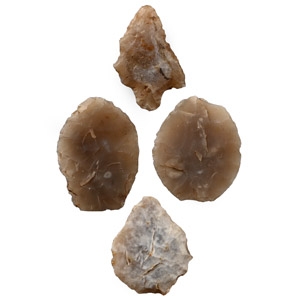
Stone Age Flint Arrowhead Group
Neolithic Period, circa 5000 B.P.Sold for (Inc. bp): £20
Four paper-thin ovate arrowheads. 5.6 grams total, 22-26 mm
Found Thames Valley in the 19th century. From an antiquarian Palaeolithic study collection, Shropshire, UK. This lot is accompanied by an illustrated lot declaration signed by the Head of the Antiquities Department, Dr Raffaele D'Amato. -
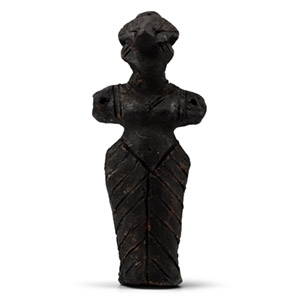
Vinca Clay Standing Idol
Neolithic, 6th-4th millennium B.C. or laterSold for (Inc. bp): £1,105
With triangular headdress, stub arms extended laterally, incised chevron detailing to face and body; mounted on a custom-made stand. 405 grams including stand, 19 cm
Fine condition.
From a UK collection; acquired on the French art market. From the private collection of John Meredith, acquired since the 1990s; thence by descent. This lot is accompanied by an illustrated lot declaration signed by the Head of the Antiquities Department, Dr Raffaele D'Amato. -
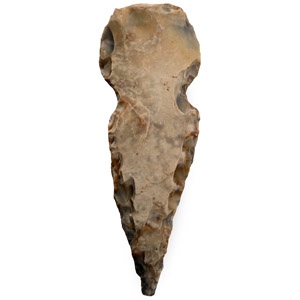
British Stone Age Knapped Flint Waisted Point
Middle Palaeolithic Period, Mousterian circa 150,000-60,000 B.P.Sold for (Inc. bp): £111
Leaf-shaped in plan and triangular in section; remains of old early 20th century label to verso. 49.7 grams, 10.2 cm
From an old West Country, UK, collection, sold at auction. From the private collection of a West Midlands lady collector. This lot is accompanied by an illustrated lot declaration signed by the Head of the Antiquities Department, Dr Raffaele D'Amato.
