
Loading, please wait...
LOT 1654
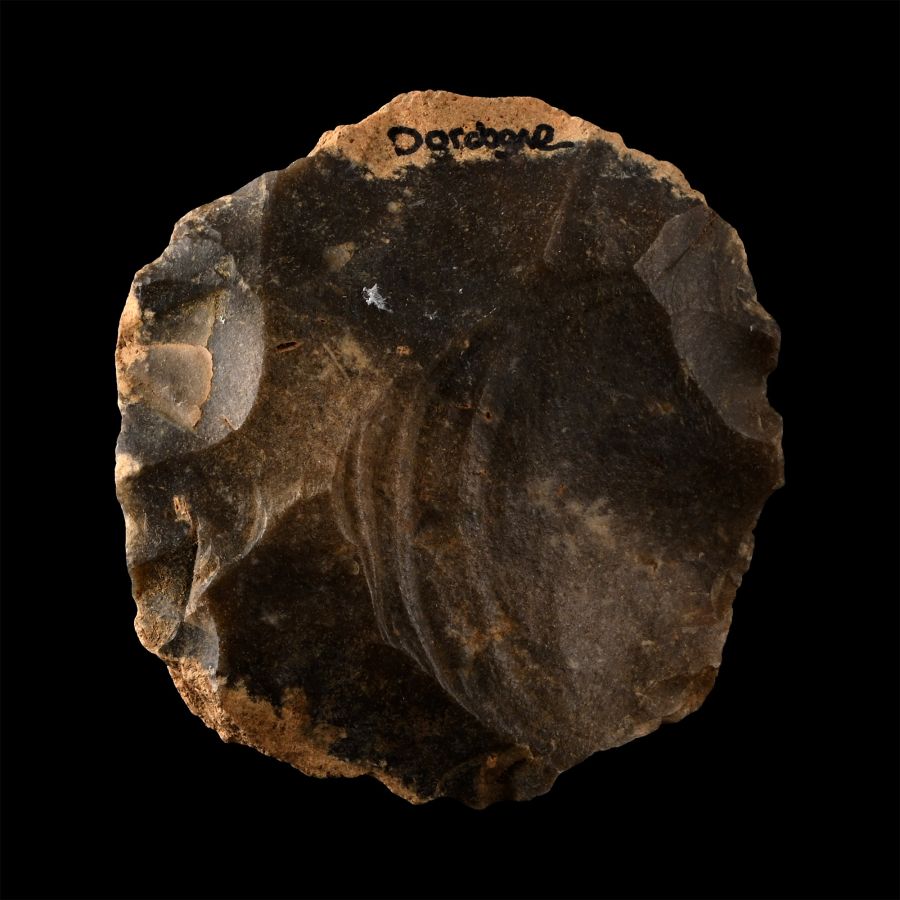
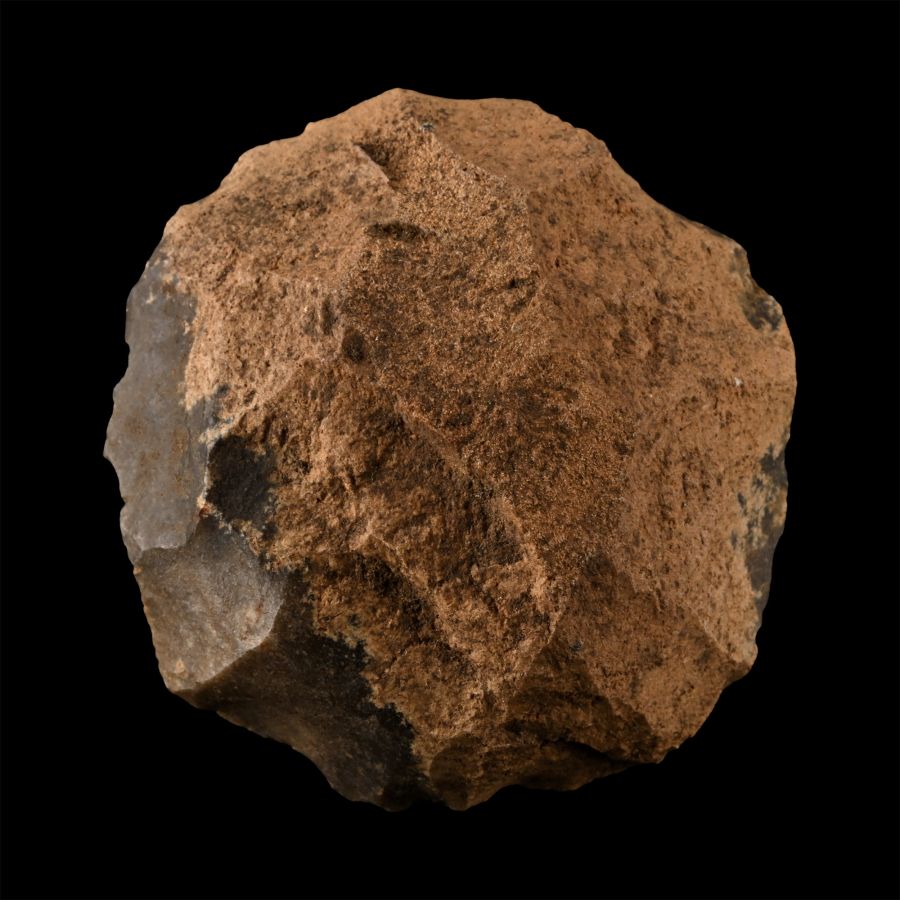
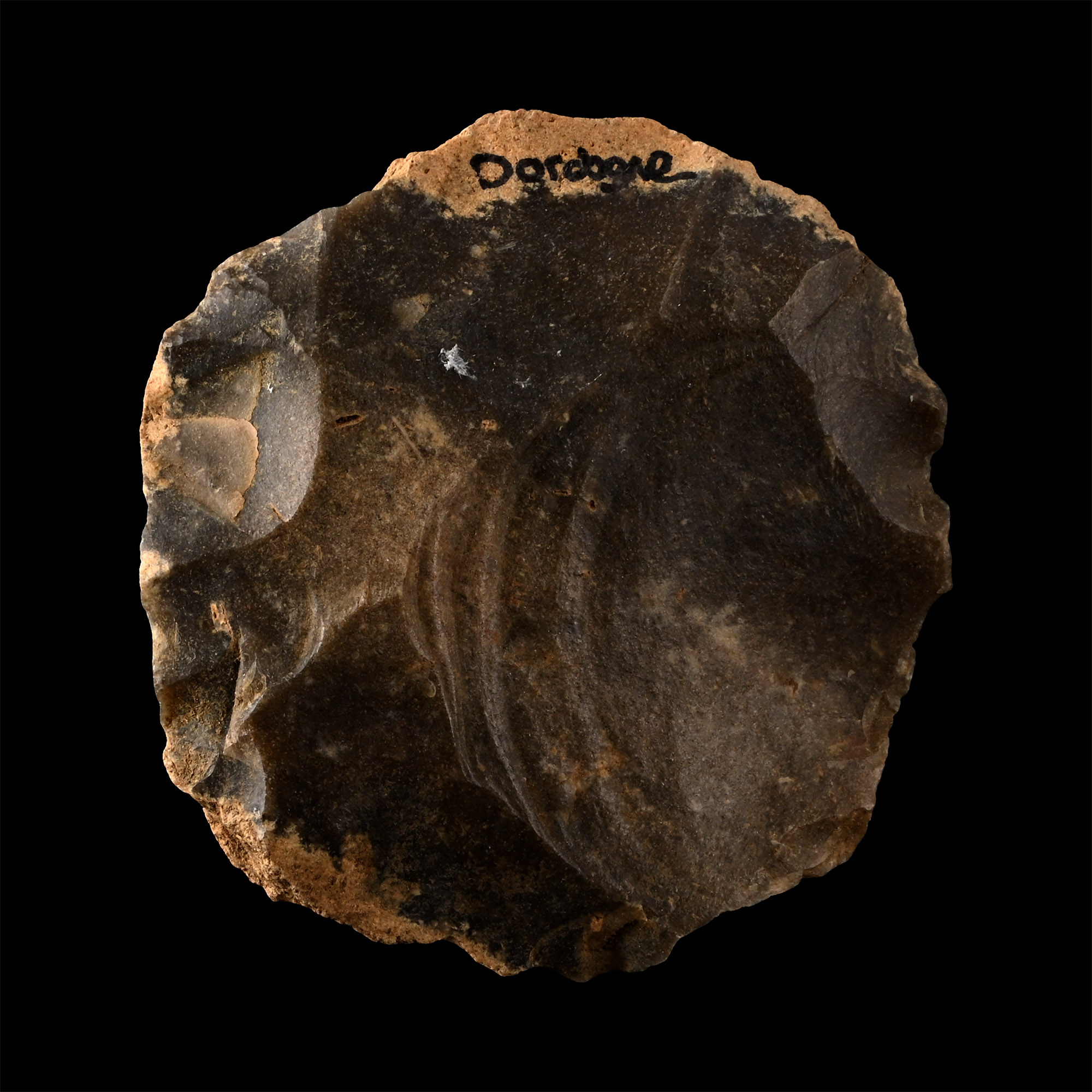
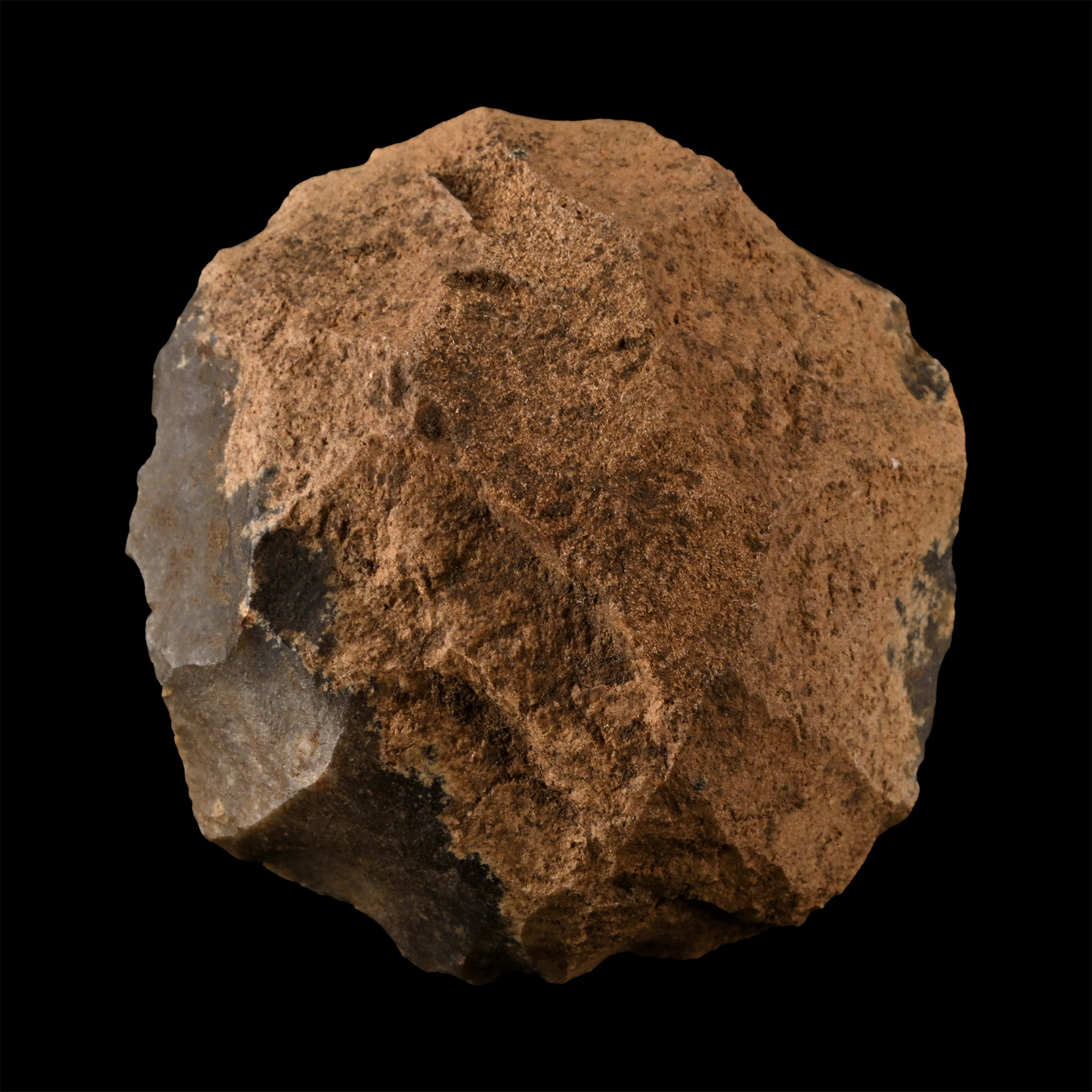
Stone Age Levallois Flint Core
MIDDLE PALAEOLITHIC, MOUSTERIAN, CIRCA 150,000-60,000 B.P.
2 3/8 in. (76 grams, 61 mm).
Plano-convex in form with cortex to the upper face; underside marked 'Dor[..]one'. [No Reserve]
ProvenanceFound Dordogne, France.
Acquired in the 1970s-1990s.
From the collection of the famous UK musician and amateur archaeologist, Victor Brox (1941-2023).
Acquired on the UK art market at auction after being sold by Mr Brox’s family.
From the private collection of an East Anglian, UK, Specialist Collector.
TimeLine Auctions follows a vetting process to ensure the authenticity and legality of all items, reinforcing our commitment to integrity and responsible trading. Each antiquity, antique, and coin lot undergoes thorough examination by a vetting committee of at least ten external specialists, professional trade association members, scientists, and archaeologists: Our Vetting Process
AUCTIONS:
TimeLine is a leading auction house specialising in antiquities, ancient art, collectables, natural history, coins, medals, and books. Our auctions offer museums, collectors, historians, and enthusiasts the opportunity to acquire unique and historically significant pieces.
-
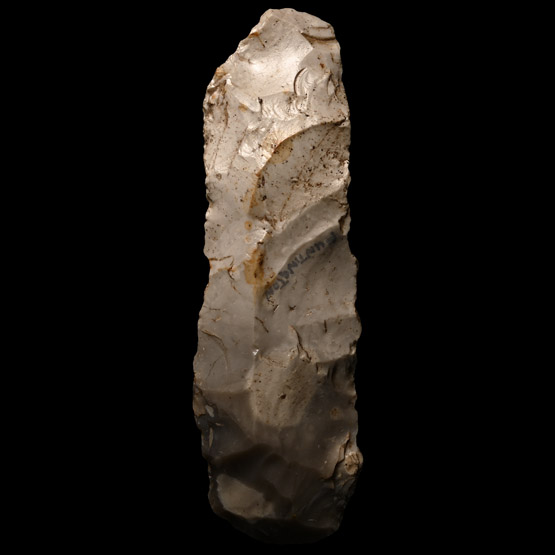
British Stone Age Flint Axehead
Mesolithic Period, circa 12th-8th millennium B.P.Sold for (Inc. bp): £91
Biconvex in section with rounded butt and long cutting edges. 155 grams, 12.8 cm
Found Funtington, West Sussex, UK. From a Derbyshire auction house, UK. From the private collection of a West Midlands lady collector. -
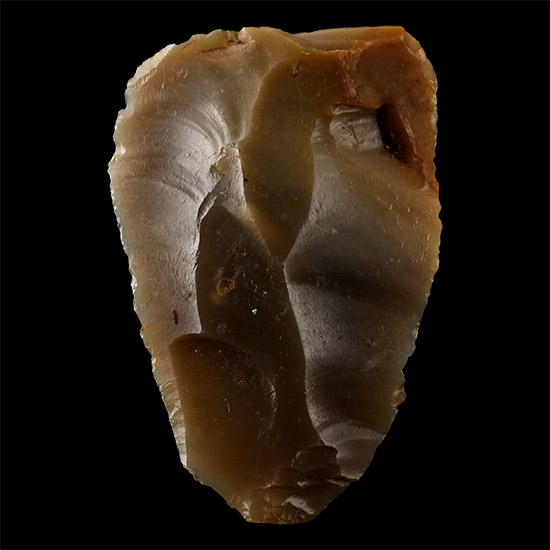
Stone Age Neanderthal Flint Knife
Middle Palaeolithic Period, Mousterian circa 150,000-60,000 B.P.Sold for (Inc. bp): £130
Linguiform type, plano-convex in section with square butt. 40 grams, 71 mm
Found Yonne, Bourgogne-Franche-Comté Region, France. From a large French collection built up in the early 1900s. From a private collection of a French gentleman, which was sold by his family at auction after his death. -
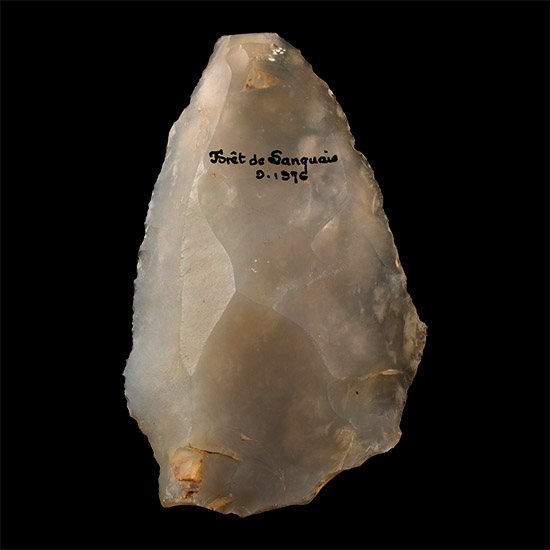
Stone Age Levallois Chalcedony Point
Middle Palaeolithic, Mousterian, circa 150,000-60,000 B.P.Sold for (Inc. bp): £286
Piriform in plan with broad butt; old inked inscription 'Forêt de Sanquais D.1976'. 45.9 grams, 80 mm
Found Foret de Sanquais, France, in February 1976. Acquired in the 1970s-1990s. From the collection of the famous UK musician and amateur archaeologist, Victor Brox (1941-2023). Acquired on the UK art market at auction after being sold by Mr Brox’s family. From the private collection of an East Anglian, UK, specialist collector.
