
Loading, please wait...
LOT 1896
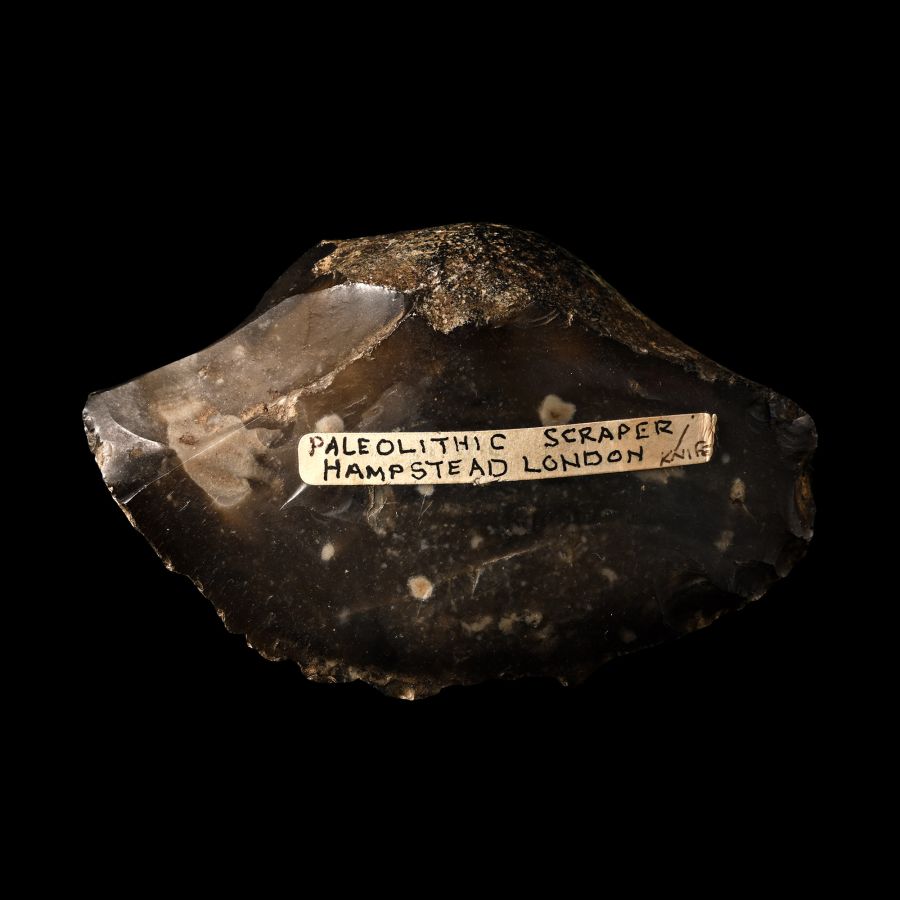
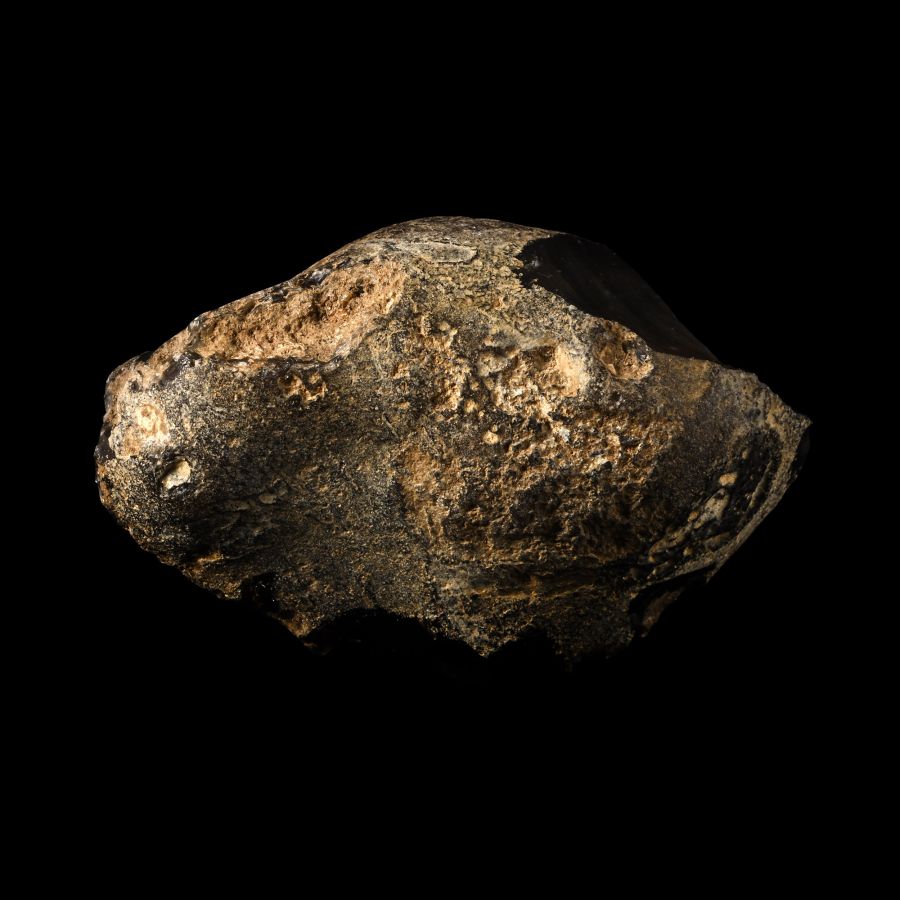
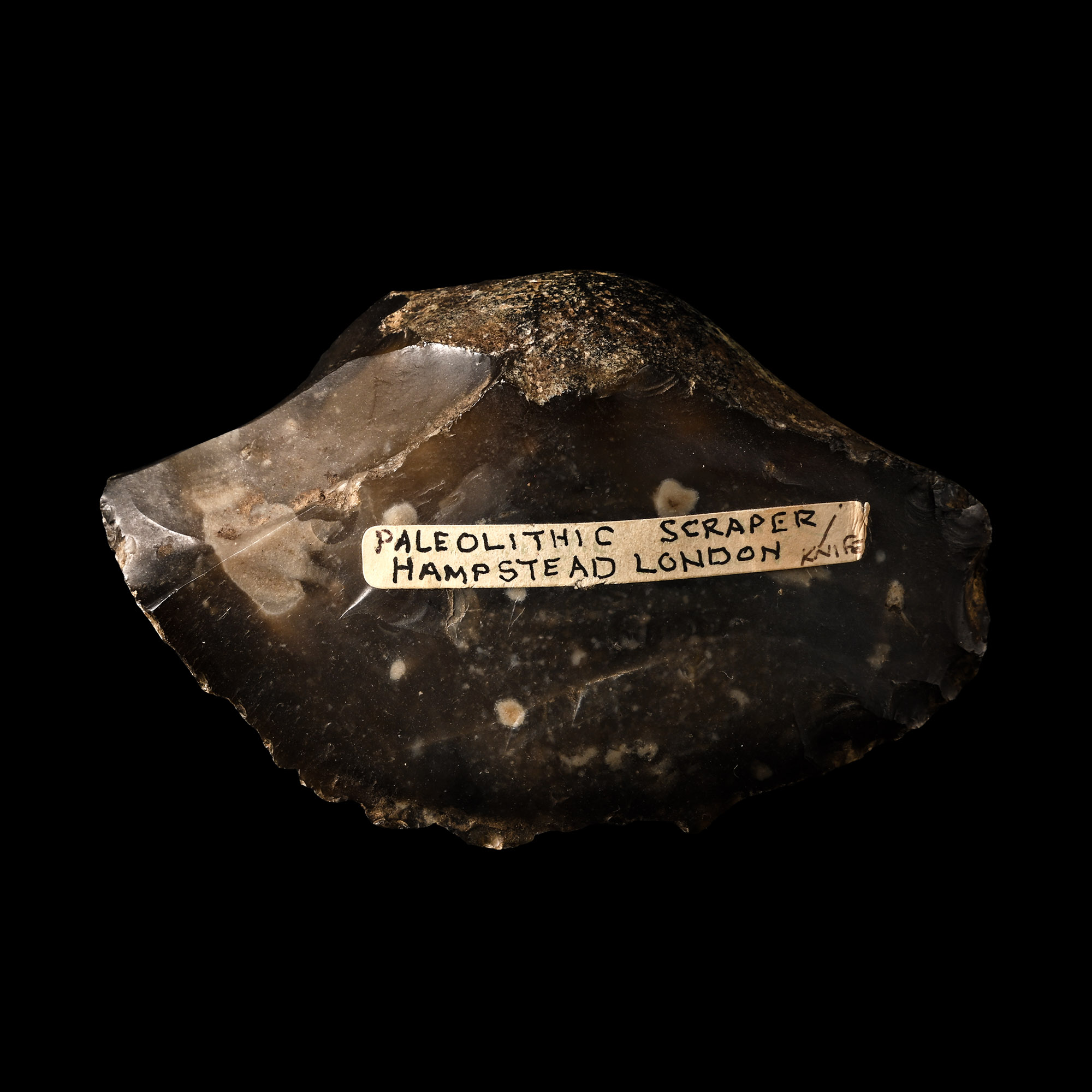
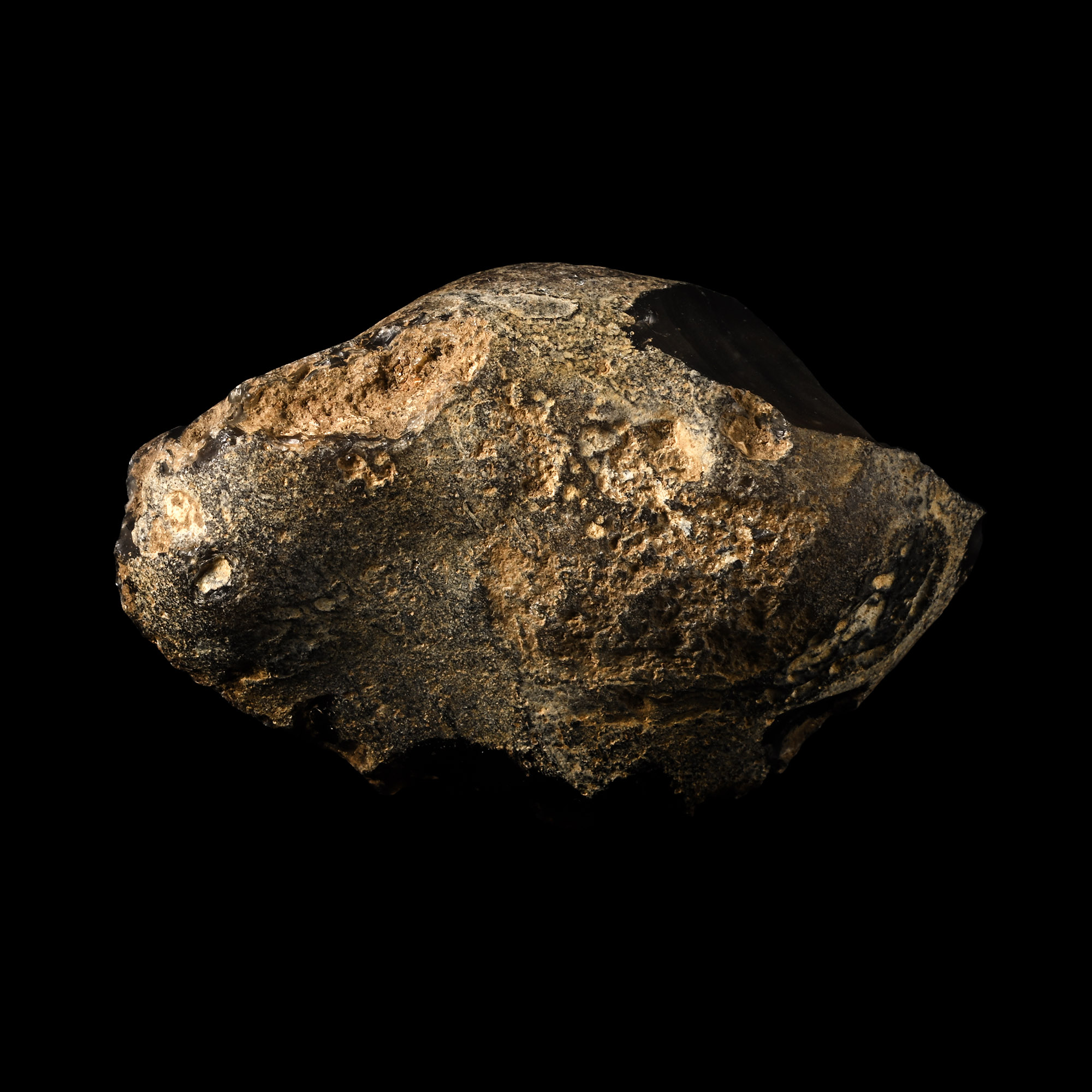
Stone Age Knapped Flint Scraper Knife
PALAEOLITHIC PERIOD, CIRCA 250,000-150,000 B.P.
3 3/8 in. (169 grams, 87 mm).
With thick rear edge and broad curved blade, old label 'Paleolithic Scraper / Knife / Hampstead, London'. [No Reserve]
ProvenanceFound Hampstead, London, UK.
Acquired on the UK art market before 2000.
Property of an Essex, UK, gentleman.
TimeLine Auctions follows a vetting process to ensure the authenticity and legality of all items, reinforcing our commitment to integrity and responsible trading. Each antiquity, antique, and coin lot undergoes thorough examination by a vetting committee of at least ten external specialists, professional trade association members, scientists, and archaeologists: Our Vetting Process
AUCTIONS:
TimeLine is a leading auction house specialising in antiquities, ancient art, collectables, natural history, coins, medals, and books. Our auctions offer museums, collectors, historians, and enthusiasts the opportunity to acquire unique and historically significant pieces.
-
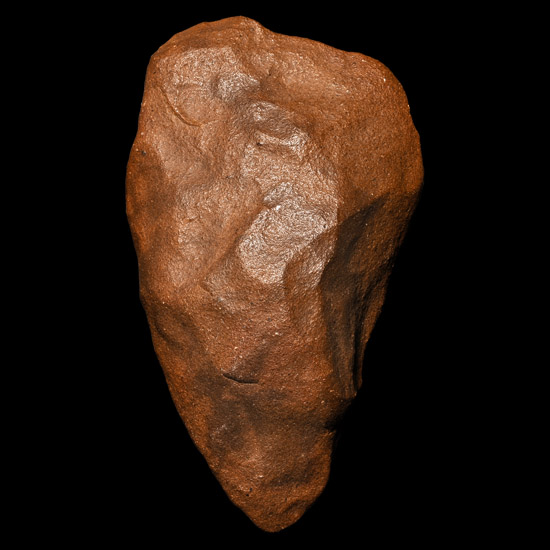
African Stone Age Homo Erectus Knapped Red Stone Handaxe
Palaeolithic Period, circa 1,000,000-500,000 B.P.Sold for (Inc. bp): £195
Piriform in plan and lentoid in section with eccentric round butt. 467 grams, 15.5 cm.
From Goezzam, Sahara. Ex old German collection formed in the 1970s. Purchased on the European art market. -
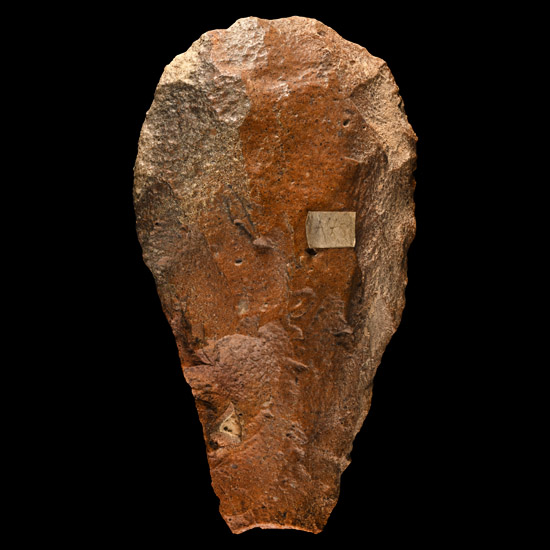
African Stone Age Homo Erectus Large Knapped Orange Stone Handaxe
Palaeolithic Period, circa 1,000,000-500,000 B.P.Sold for (Inc. bp): £143
Piriform in plan and lentoid in section with broad rounded butt; tip absent. 573 grams, 18.1 cm
From El Golea, Algeria. Ex old German collection formed in the 1970s. Purchased on the European art market. Property of a Norfolk, UK, collector. -
.jpg)
Superb Large Acheulean Stone Age Dark Red Quartzite Lanceolate Handaxe Made by Homo Erectus
Middle-Lower Palaeolithic Period, circa 400,000-200,000 B.P.Sold for (Inc. bp): £260
Piriform in plan with desert patina. rounded tip. 1.05 kg, 21.5 cm
Found in Ubari, Libya, with an inked find spot. From a collection formed during the seventies and eighties and acquired on the British art market. By descent to the current owner in 1998.
