
Loading, please wait...
LOT 1943
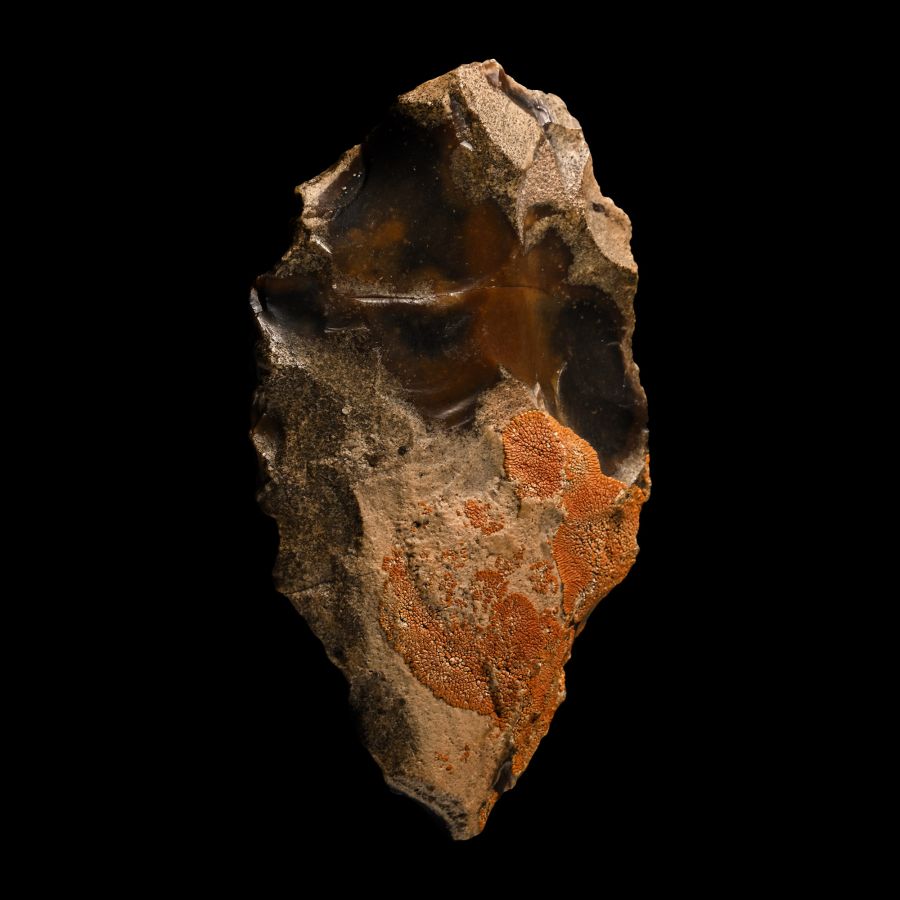
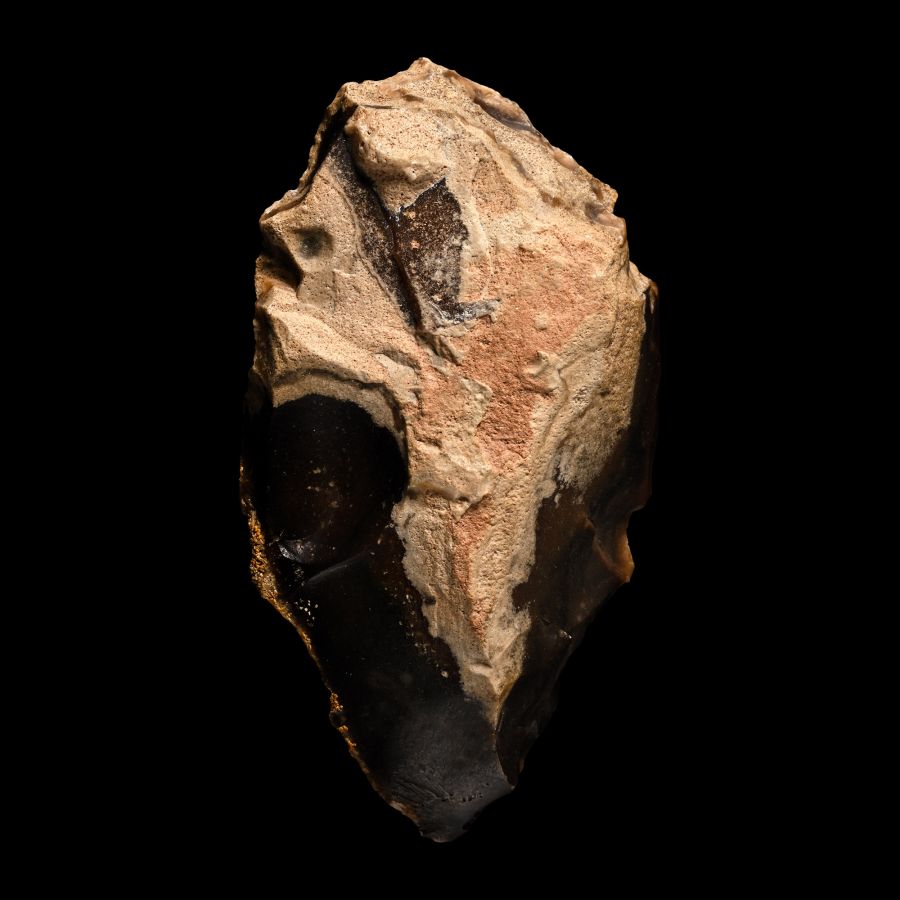
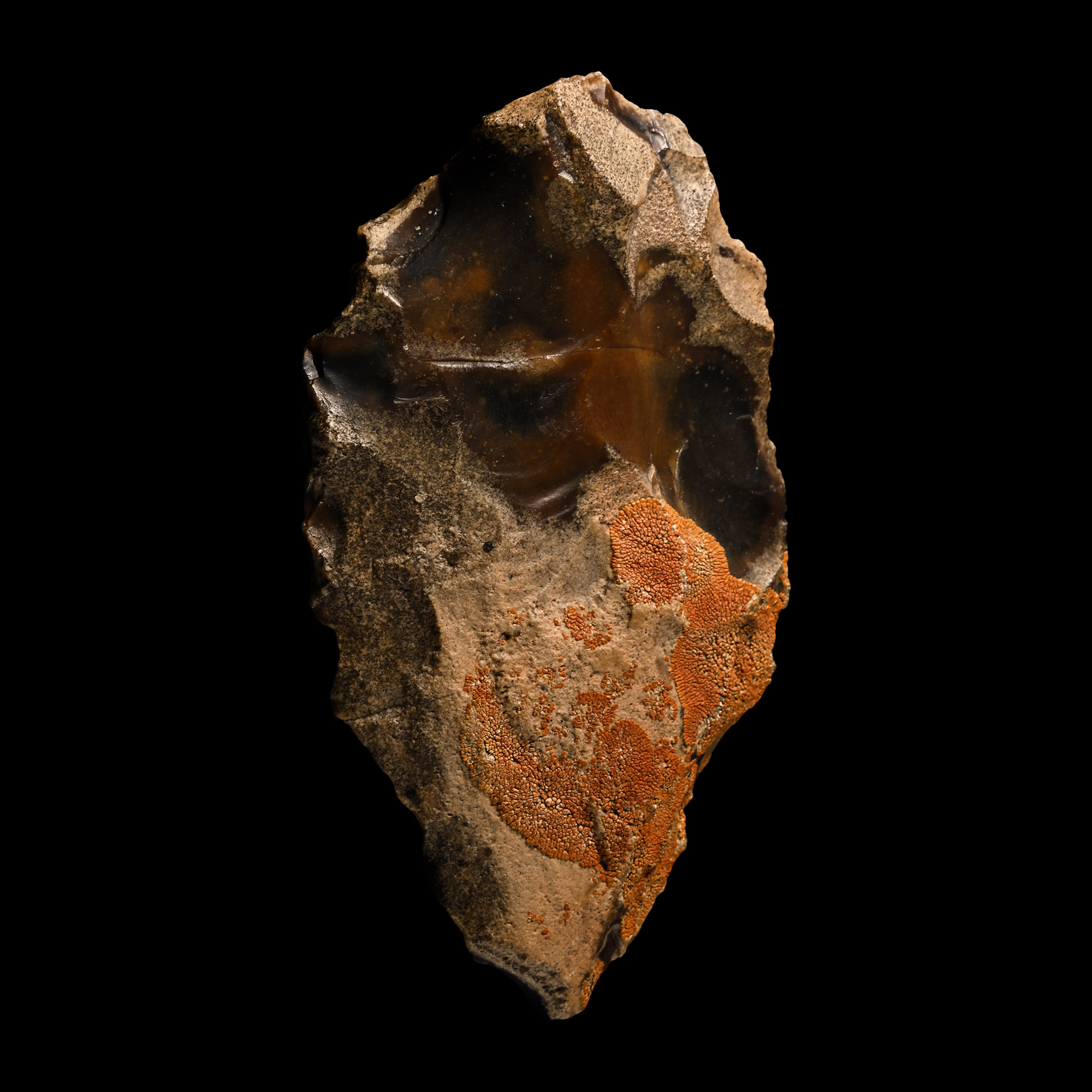
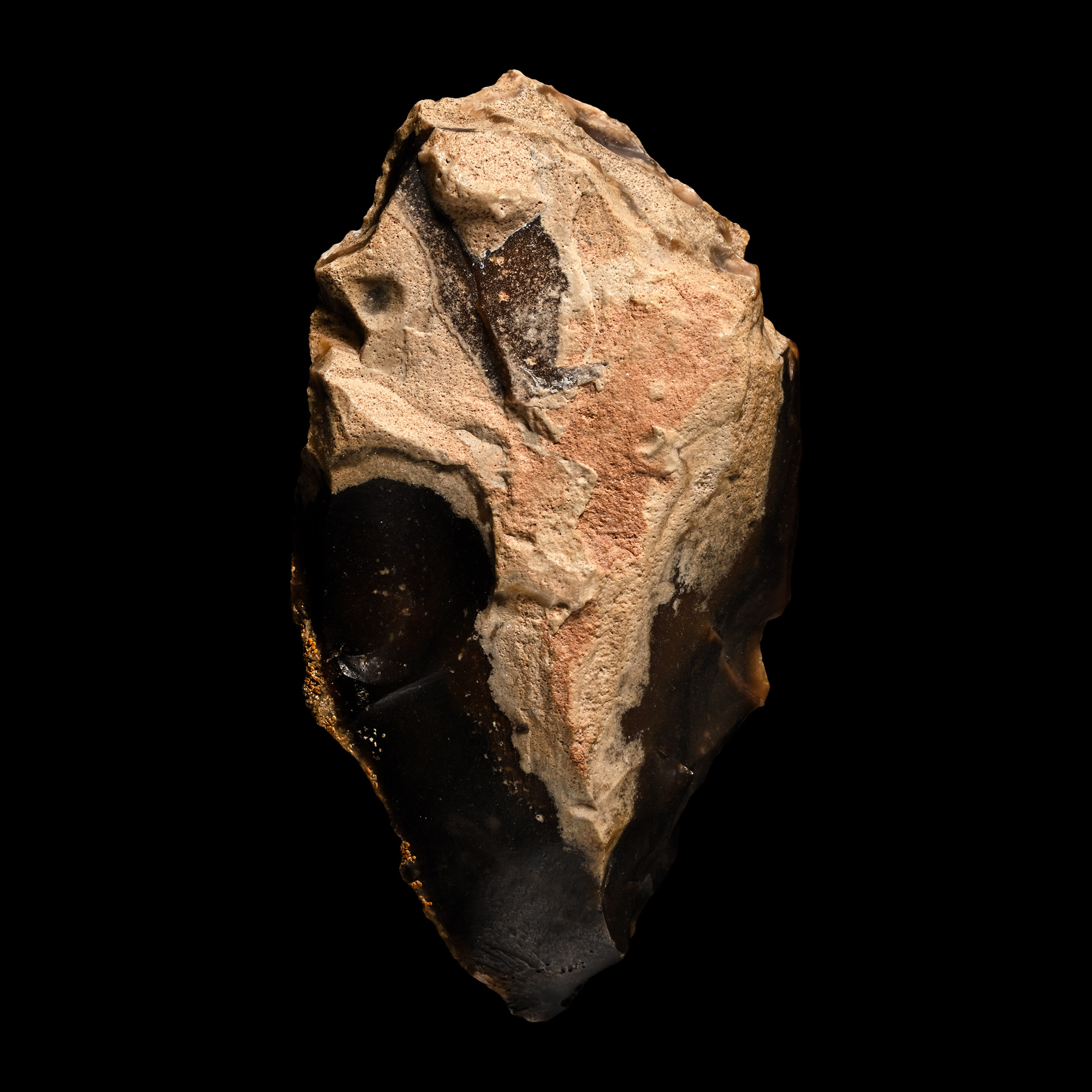
Stone Age Knapped Flint Hand Axe
PALAEOLITHIC PERIOD, CIRCA 250,000-150,000 B.P.
4 3/4 in. (215 grams, 12.2 cm).
Cordate in profile with extensive cortex and lichen. [No Reserve]
ProvenanceFound Hampstead, London, UK.
Acquired on the UK art market before 2000.
Property of an Essex, UK, gentleman.
TimeLine Auctions follows a vetting process to ensure the authenticity and legality of all items, reinforcing our commitment to integrity and responsible trading. Each antiquity, antique, and coin lot undergoes thorough examination by a vetting committee of at least ten external specialists, professional trade association members, scientists, and archaeologists: Our Vetting Process
AUCTIONS:
TimeLine is a leading auction house specialising in antiquities, ancient art, collectables, natural history, coins, medals, and books. Our auctions offer museums, collectors, historians, and enthusiasts the opportunity to acquire unique and historically significant pieces.
-
.jpg)
Acheulean Stone Age Dark Red Quartzite Handaxe Made by Homo Erectus
Lower Palaeolithic Period, circa 1,000,000-500,000 B.P.Sold for (Inc. bp): £98
Ovate in profile and lentoid in section with broad edge. 724 grams, 14.1 cm
From Northern Sahara, North Africa. From a collection formed during the seventies and eighties and acquired on the British art market. By descent to the current owner in 1998. -
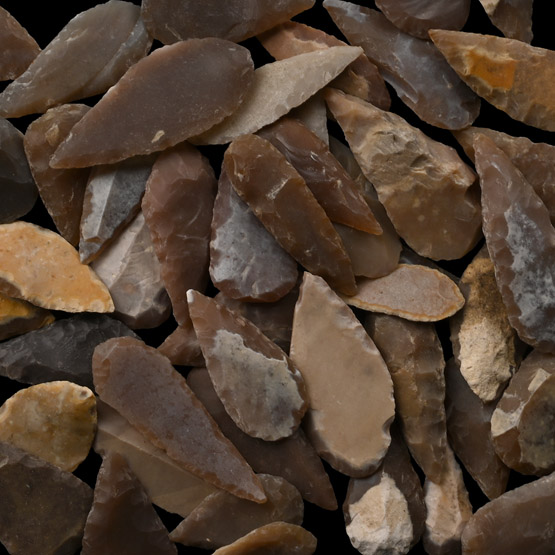
Stone Age Leaf-Shaped Arrowhead Collection
Neolithic Period, 6th-4th millennium B.C.Sold for (Inc. bp): £98
Comprising mostly bifacial and uniface leaf-shaped and piriform flint and chert arrowheads; probably from the Sahara region of North Africa. 77 grams total, 20-36 mm
UK gallery, early 2000s.
Similar specimens of arrowheads have been found in the Eastern Sahara Region of Abu Tartur Plateau. Most of the arrowheads came from the El Jarar Neolithic, c. 7700-7300 B.P. (c.6500-6100 B.C.). Other parallels occur in the region of Kharga Oasis. -
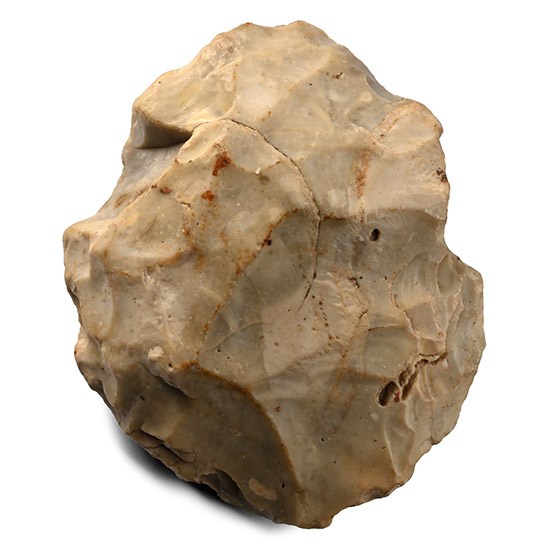
British Stone Age Mousterian Knapped Flint Bifacial Handaxe from Farnham Made by Neanderthal Man
Middle Palaeolithic Period, circa 150,000 to 60,000 B.P.Sold for (Inc. bp): £546
Ovate in form with thick butt. 66 grams, 64.4 mm
Found in 1901. From the collection of Captain Streatfield, who helped to fund the archaeology excavations at Farnham, Kent. After Captain Streatfield passed away in the 1940s, his collection was sold at auction to a gentleman in Kent. The collection was then sold again in the 2020’s via a UK auction house.
Artefacts from this period in Great Britain are not common.
