
Loading, please wait...
LOT 1228
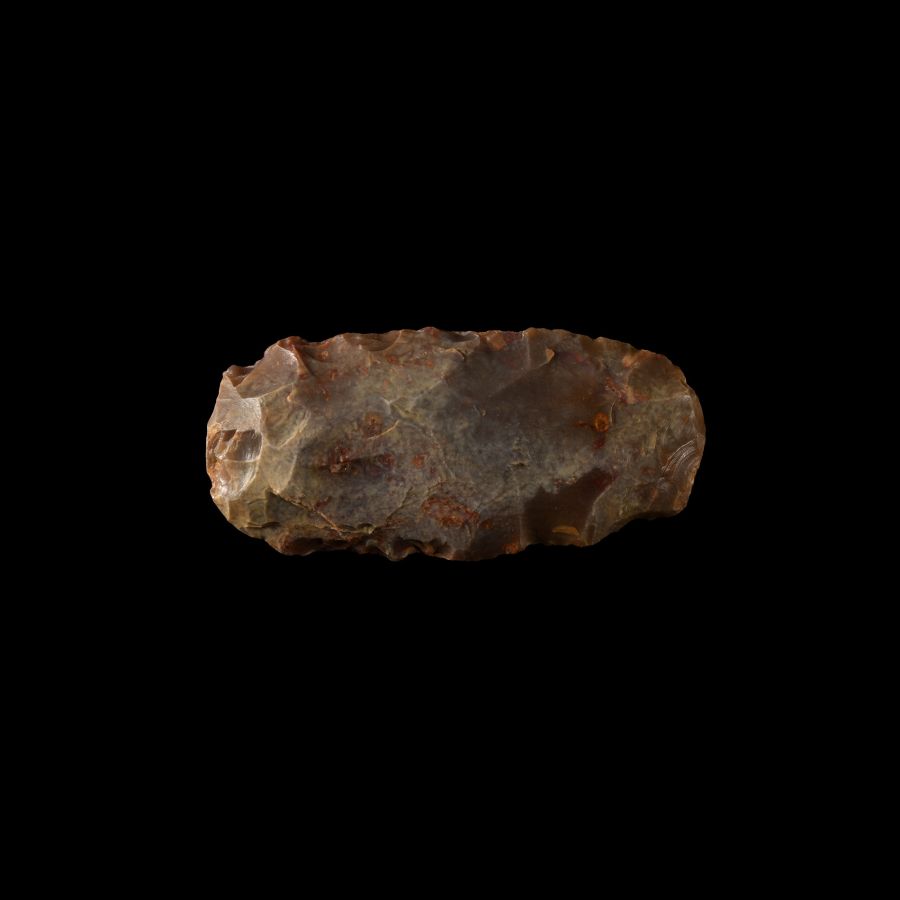
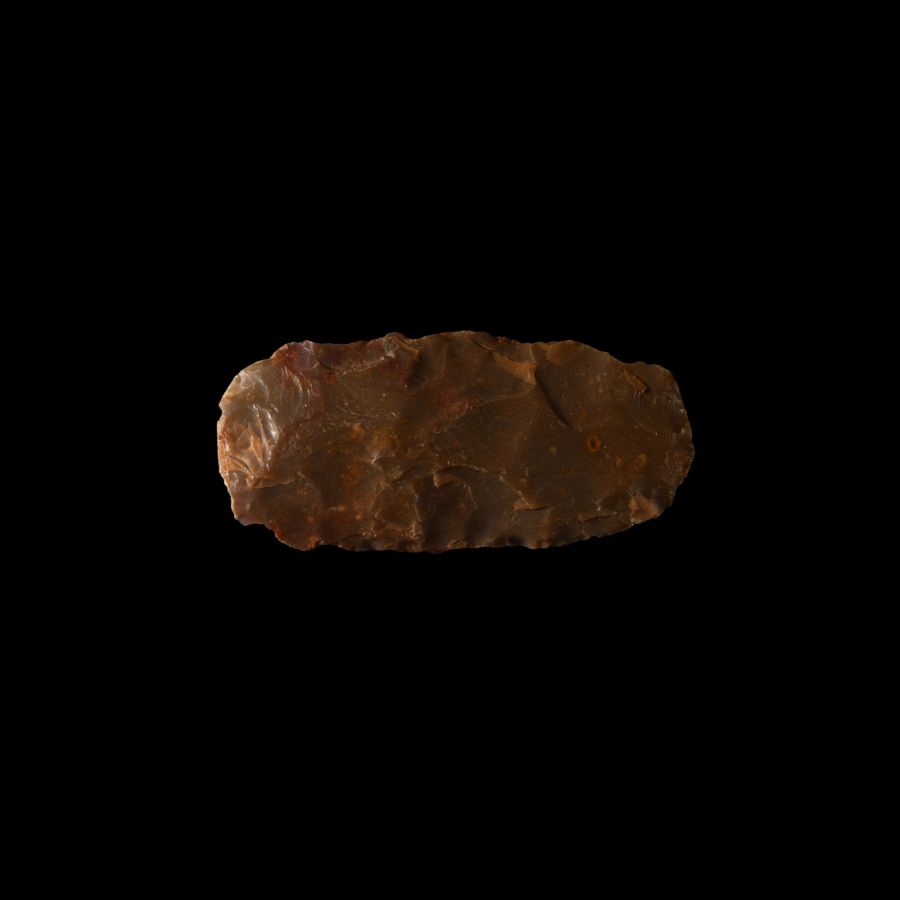
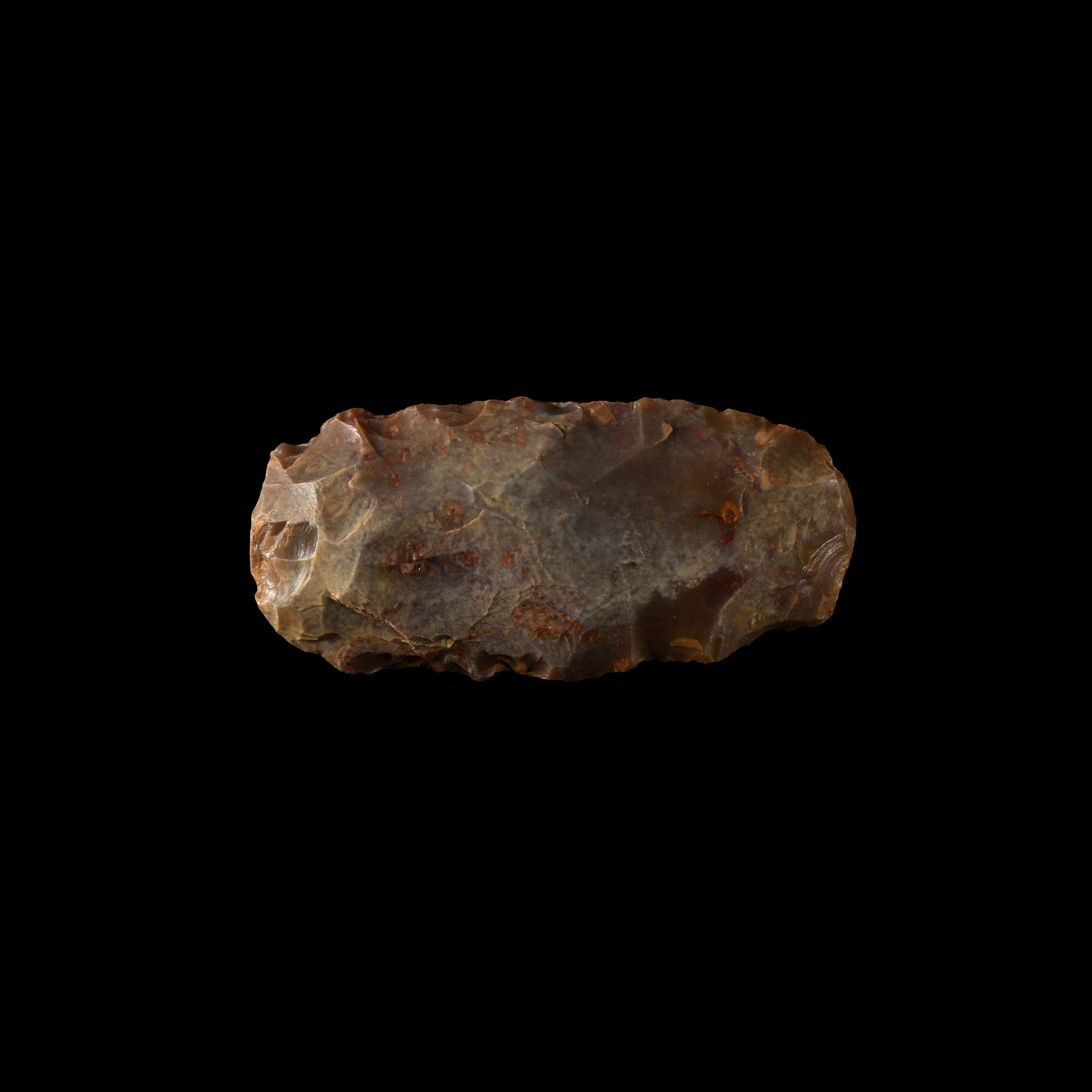
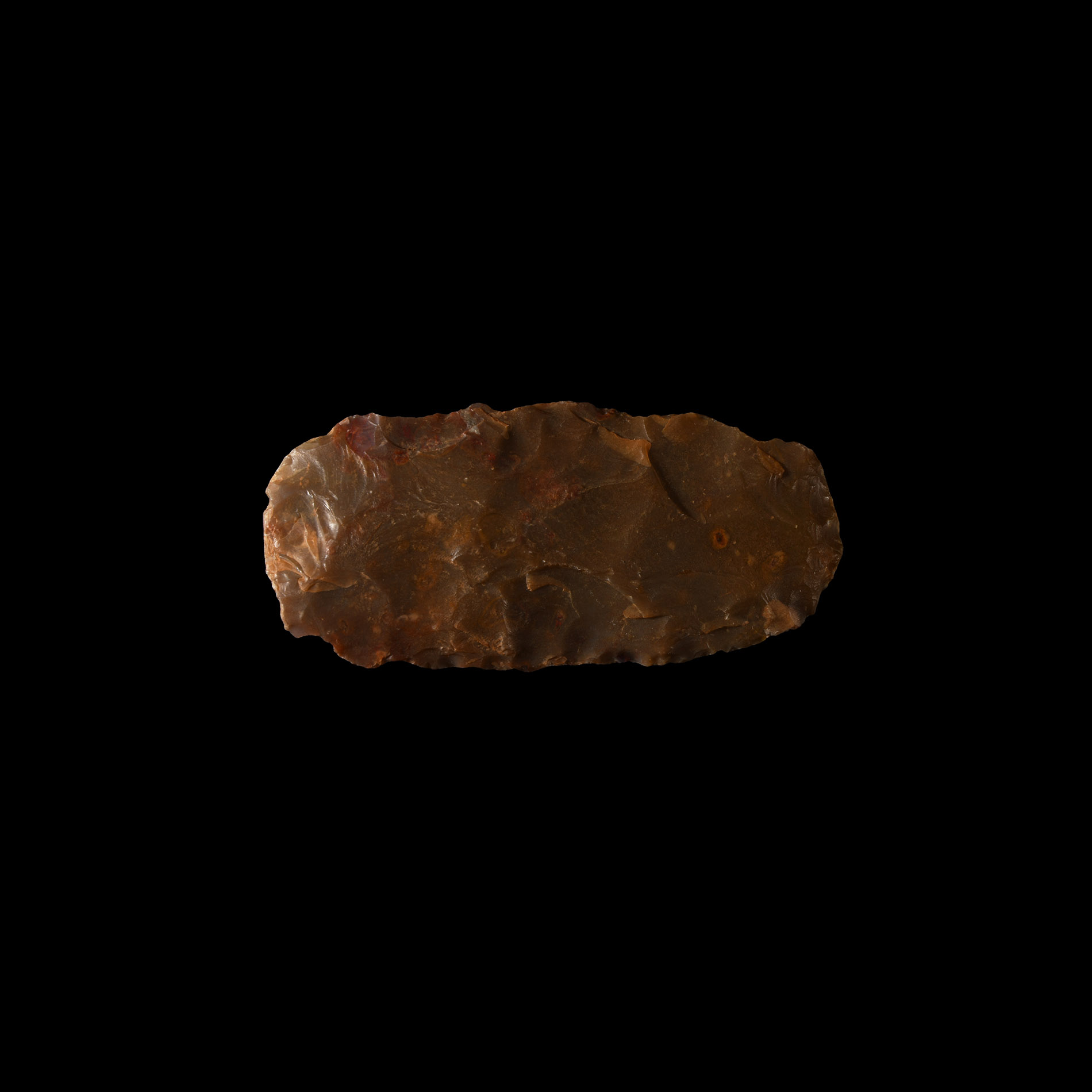
Stone Age Knapped Flint Axe
NEOLITHIC PERIOD, 8TH-5TH MILLENNIUM B.C.
3 3/4 in. (87 grams, 97 mm).
Of thin lentoid section with convex cutting edge; showing milky patination to one side; likely of European origin. [No Reserve]
ProvenancePrivate UK family collection formed in the early 1970s.
The property of Mr and Mrs P R of East Sussex.
Thence by descent to family members.
TimeLine Auctions follows a vetting process to ensure the authenticity and legality of all items, reinforcing our commitment to integrity and responsible trading. Each antiquity, antique, and coin lot undergoes thorough examination by a vetting committee of at least ten external specialists, professional trade association members, scientists, and archaeologists: Our Vetting Process
AUCTIONS:
TimeLine is a leading auction house specialising in antiquities, ancient art, collectables, natural history, coins, medals, and books. Our auctions offer museums, collectors, historians, and enthusiasts the opportunity to acquire unique and historically significant pieces.
-
Stone Age Flint Implement Collection
Neolithic Period, 8th-5th millennium B.C.Sold for (Inc. bp): £26
Comprising a group of mixed stone implements, mostly in flint or chert and knapped, including blades, scrapers and points; some broken and probably from the Sahara region of North Africa. 634 grams total, 24-94 mm
UK gallery, early 2000s. -
Stone Age Part Polished Knapped Flint Axe
Neolithic Period, 4th-3rd millennium B.C.Sold for (Inc. bp): £78
Wedge-shaped in plan with convex cutting edge and butt, ridge to one cheek; handwritten collector's identification notes to one face reading 'Bardouville Seine Martime, France'. 91 grams, 88 mm
Found Bardouville, Seine Maritime, Normandy, France. From a Leicestershire, UK, collection. -

Stone Age Tenerian Culture Flint Tool Group
Neolithic Period, 7500-5300 B.P.Sold for (Inc. bp): £26
Comprising twenty tools, including knives, scrapers and cores. 300 grams total, 46-83 mm
From the Tenera Region, of South Central Sahara. From a private French collection formed in the 1960s-1970s.
