
Loading, please wait...
LOT 1118
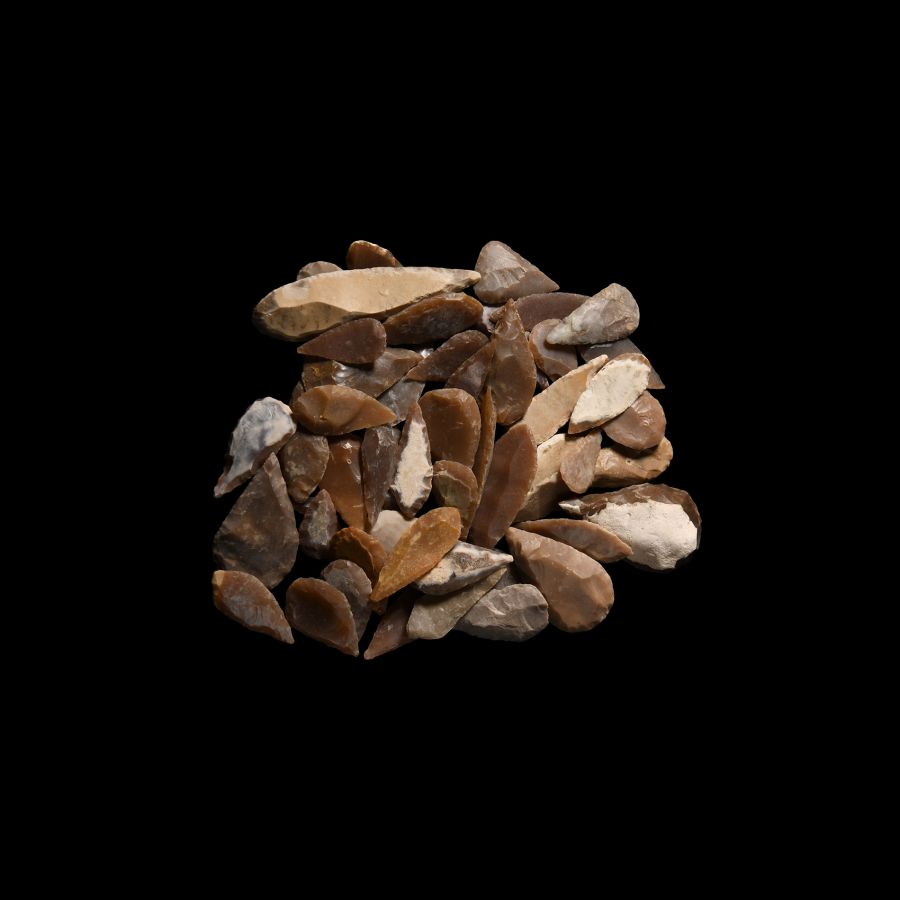
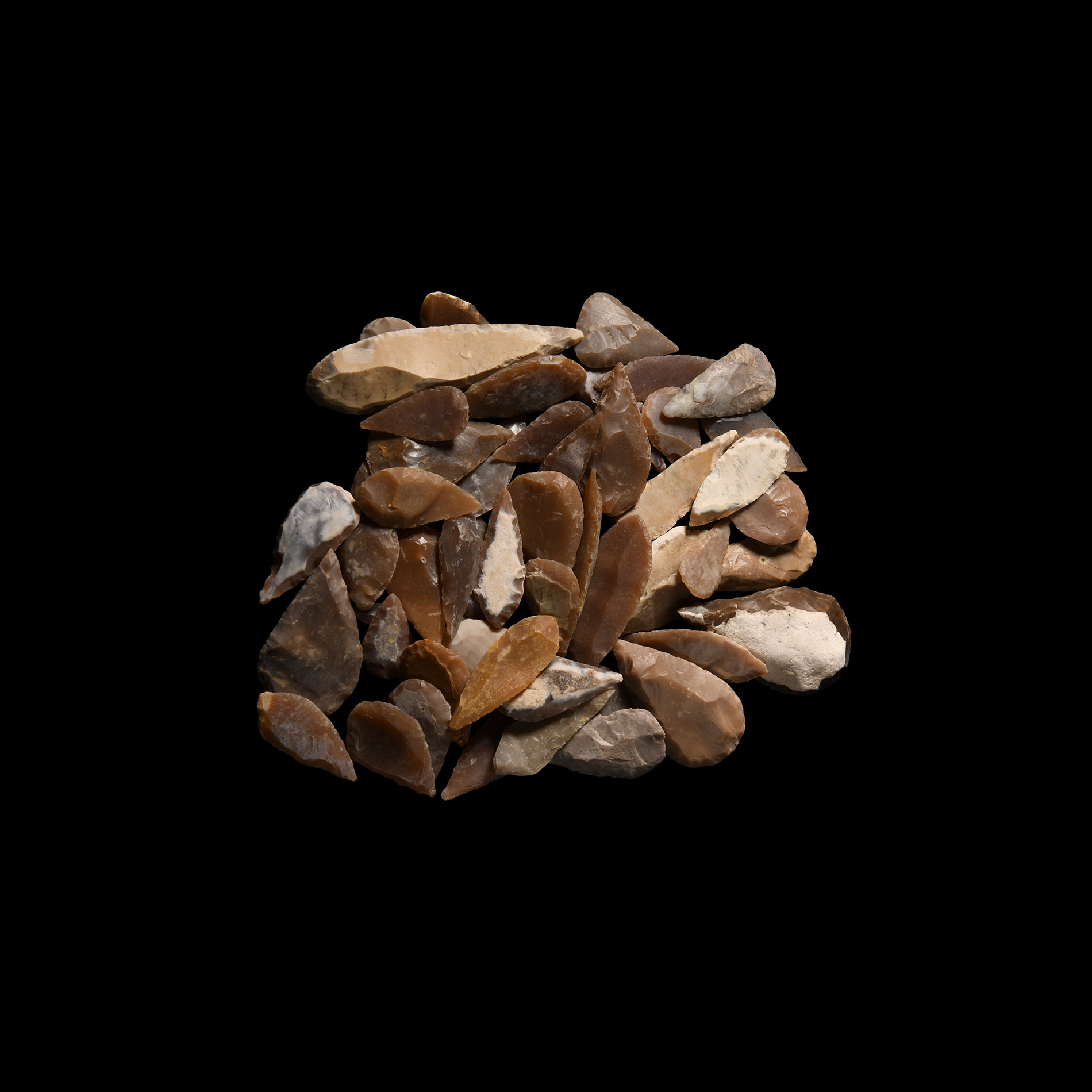
Stone Age Knapped Flint Arrowhead Collection
NEOLITHIC PERIOD, 8TH-5TH MILLENNIUM B.P.
3/4 - 2 1/4 in. (114 grams total, 19-59 mm).
A group of fifty knapped flint arrowheads. [50, No Reserve]
ProvenanceUK gallery, acquired in the 2000s.
Property of an English gentleman.
TimeLine Auctions follows a vetting process to ensure the authenticity and legality of all items, reinforcing our commitment to integrity and responsible trading. Each antiquity, antique, and coin lot undergoes thorough examination by a vetting committee of at least ten external specialists, professional trade association members, scientists, and archaeologists: Our Vetting Process
AUCTIONS:
TimeLine is a leading auction house specialising in antiquities, ancient art, collectables, natural history, coins, medals, and books. Our auctions offer museums, collectors, historians, and enthusiasts the opportunity to acquire unique and historically significant pieces.
-

Stone Age Projectile Point Group
Neolithic Period, circa 6th millennium B.C.Sold for (Inc. bp): £39
A group of 32 flint projectile points. 170 grams total, 35-73 mm
Ex Arthur Halcrow Versage collection, Reigate, Surrey, UK. -
Stone Age Knapped Flint Arrowhead Collection
Neolithic Period, 8th-5th millennium B.P.Sold for (Inc. bp): £72
A group of fifty knapped flint arrowheads. 126 grams total, 23-43 mm
Fine condition.
UK gallery, acquired in the 2000s. Property of an English gentleman. -
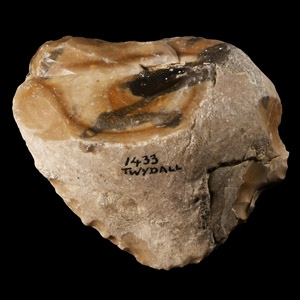
Stone Age Twydall Flint Retouched Implement
Lower Paleolithic Period, circa 400,000 B.P.Sold for (Inc. bp): £13
A retouched Twydall flint implement bearing a handwritten collector's id. to the body '1433 Twydall'. 364 grams, 94 mm
Found Twydall, Kent, UK. Richard Jones collection, Welling, Kent, UK, 1912-1915. Ex Rochester Museum, Kent collections. Specialist collection of J Edwin Jarvis. Ex Martin Schoyen collection, London, UK. Accompanied by a copy of an article on the site at Twydall.
