
Loading, please wait...


LOT 1479
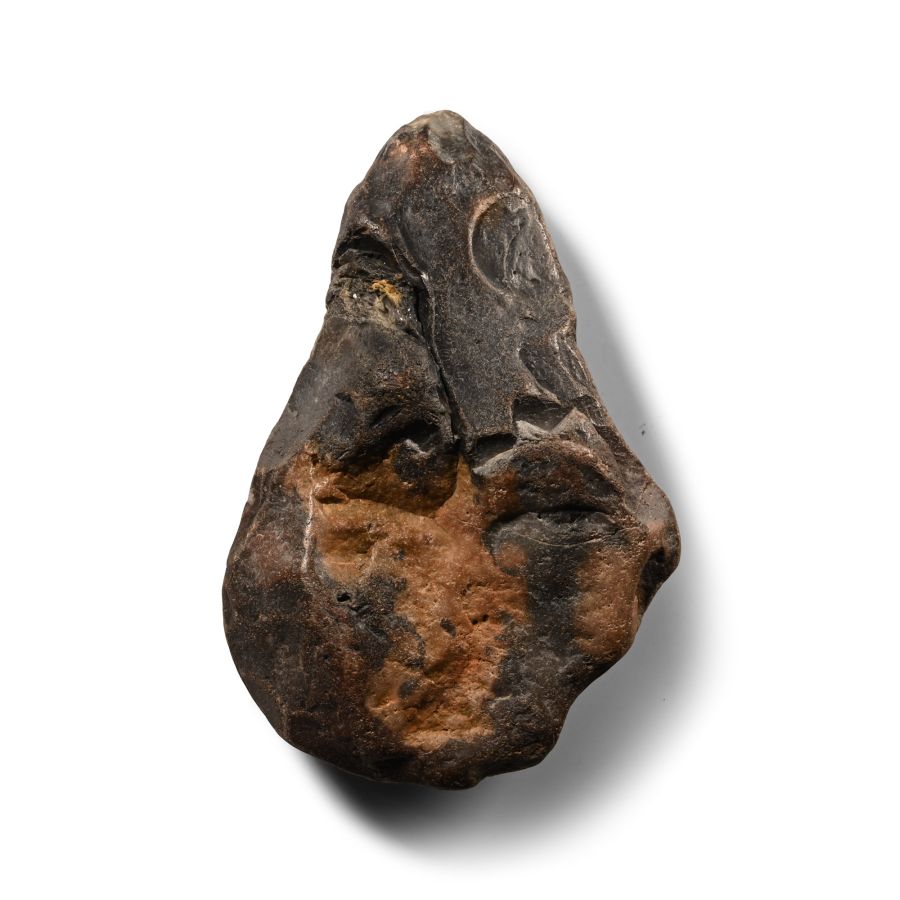
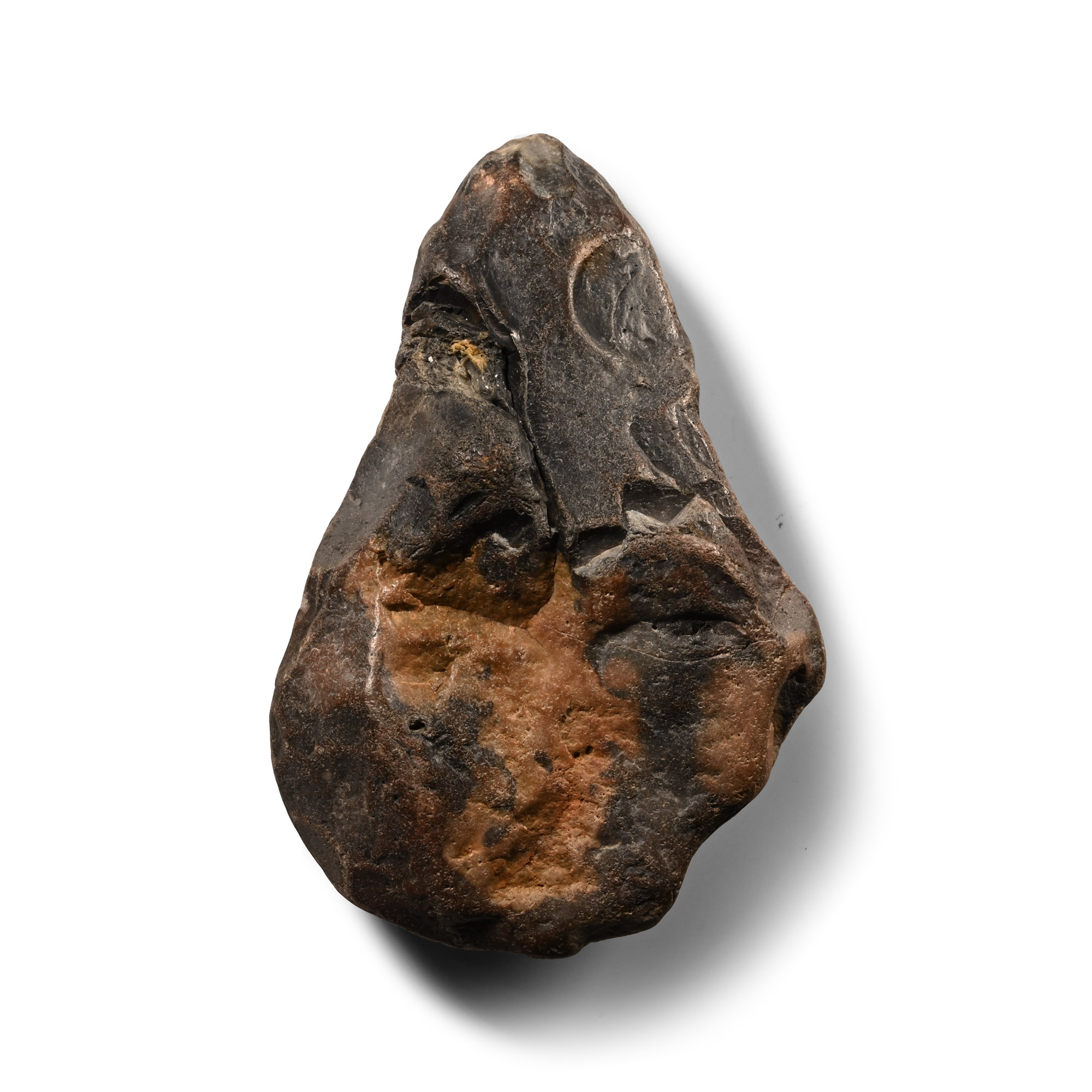
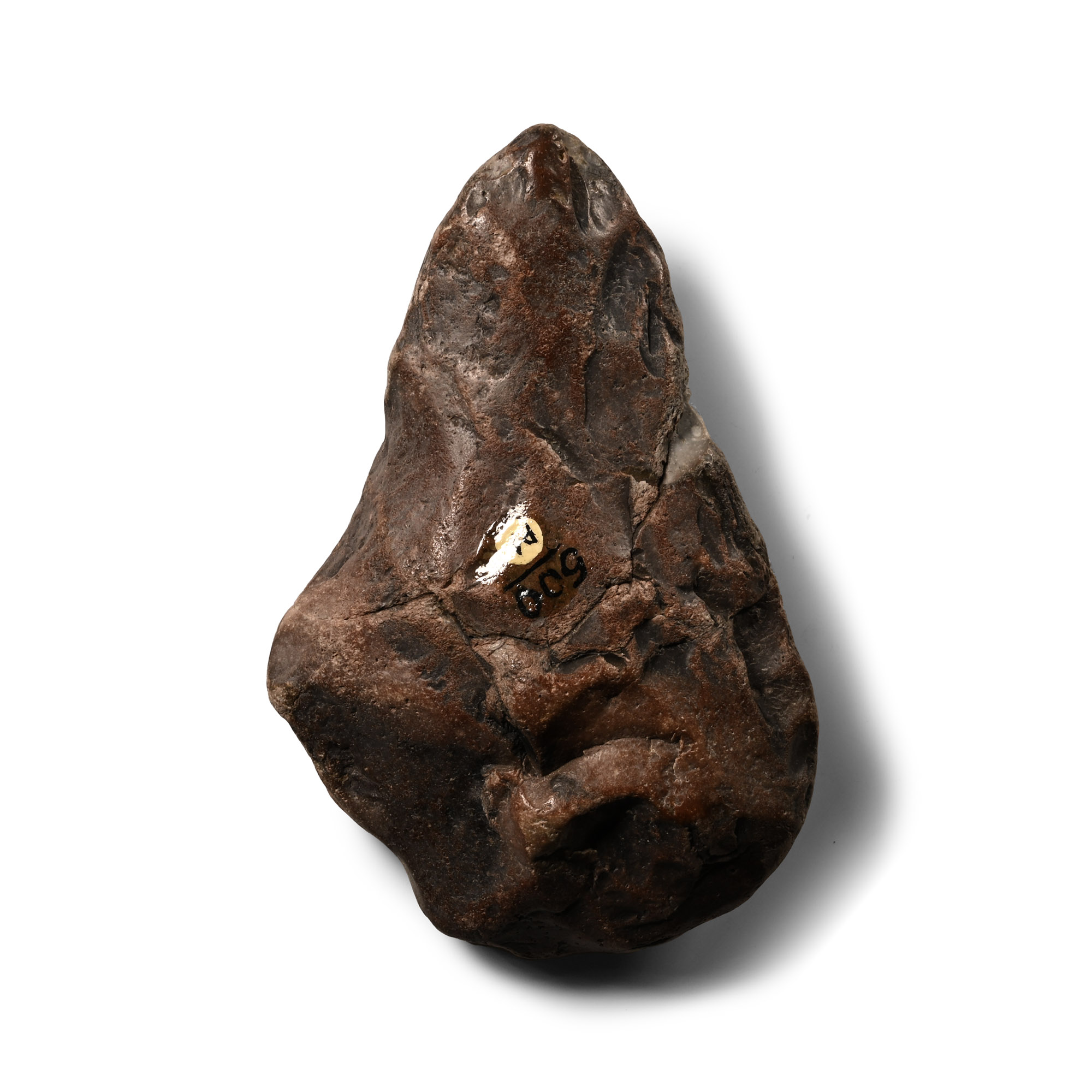
Stone Age Hurst Castle Flint Handaxe
LOWER PALAEOLITHIC PERIOD, CIRCA 480,000-250,000 B.P.
5 1/8 in. (340 grams, 13 cm).
Piriform in profile with sturdy point; water-worn surface; old collector's inked references '500' and 'P6'. [No Reserve]
ProvenanceFound on Hurst Point Beach, Hurst Castle, Hampshire, UK, by Robert Water, in 1977.
From the private collection of Kenneth Machin (1936-2020), Buckinghamshire, UK; with collection no.P6; his collection of antiquities and natural history was formed since 1948; thence by descent.
Accompanied by a copy of the relevant collector's catalogue page and line drawings.
TimeLine Auctions follows a vetting process to ensure the authenticity and legality of all items, reinforcing our commitment to integrity and responsible trading. Each antiquity, antique, and coin lot undergoes thorough examination by a vetting committee of at least ten external specialists, professional trade association members, scientists, and archaeologists: Our Vetting Process
AUCTIONS:
TimeLine is a leading auction house specialising in antiquities, ancient art, collectables, natural history, coins, medals, and books. Our auctions offer museums, collectors, historians, and enthusiasts the opportunity to acquire unique and historically significant pieces.
-
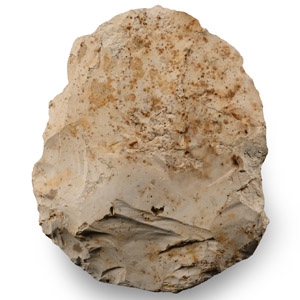
Stone Age Tarn-et-Garonne Bifacial Neanderthal Axehead
Palaeolithic Period, circa 60,000-40,000 years B.P.Sold for (Inc. bp): £72
A Mousterian handaxe, plano-convex in profile with natural cavity to the butt; old collector's label 'Biface Moustérien / 60/40.000 and / Tarn et Garonne'. 107 grams, 74 mm
Found Tarn-et-Garonne, France. Acquired from Brian Beveridge, Oxford, UK, 14 March 2004. Acquired from a Buckingham, UK, collection. From the private collection of Kenneth Machin (1936-2020), Buckinghamshire, UK; with collection no.N39; his collection of antiquities and natural history was formed since 1948; thence by descent. -
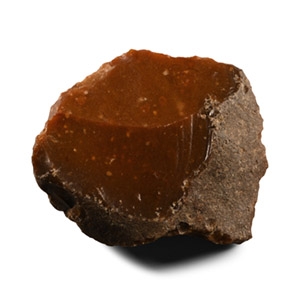
Stone Age Le Grand-Pressigny Mousterian Neanderthal Flint Knife
Palaeolithic Period, circa 130,000-40,000 B.P.Sold for (Inc. bp): £59
With large amount of cortex forming the 'handle' and broad cutting edge. 252 grams, 10 cm
Found Le Grand-Pressigny, France. From the private collection of Kenneth Machin (1936-2020), Buckinghamshire, UK; with collection no.P63; his collection of antiquities and natural history was formed since 1948; thence by descent. -
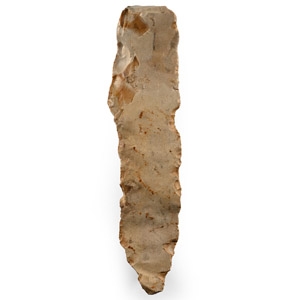
Stone Age Flint Retouched Blade
Neolithic Period, 8th-2nd millennium B.C.Sold for (Inc. bp): £39
Slender two-edged scraper blade. 178 grams, 18.1 cm
From a Cambridgeshire, UK, collection formed mostly before 2000. From the collection of a South West London, UK, specialist Stone Age collector.
