
Loading, please wait...
LOT 0306
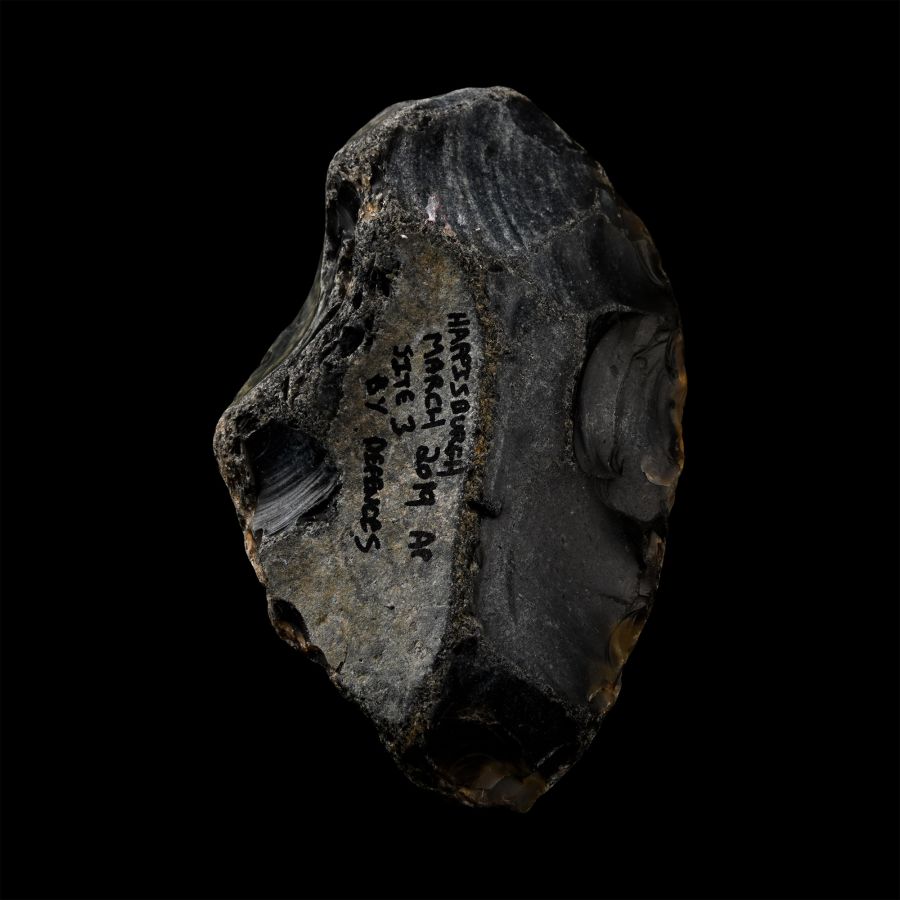
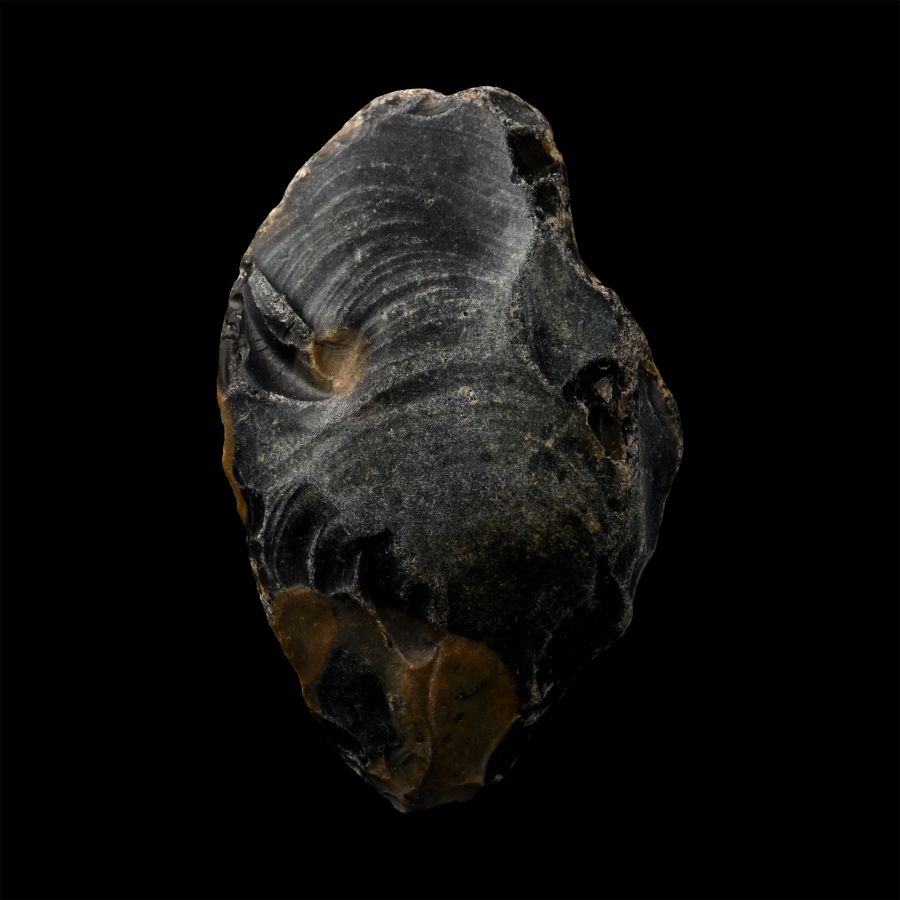
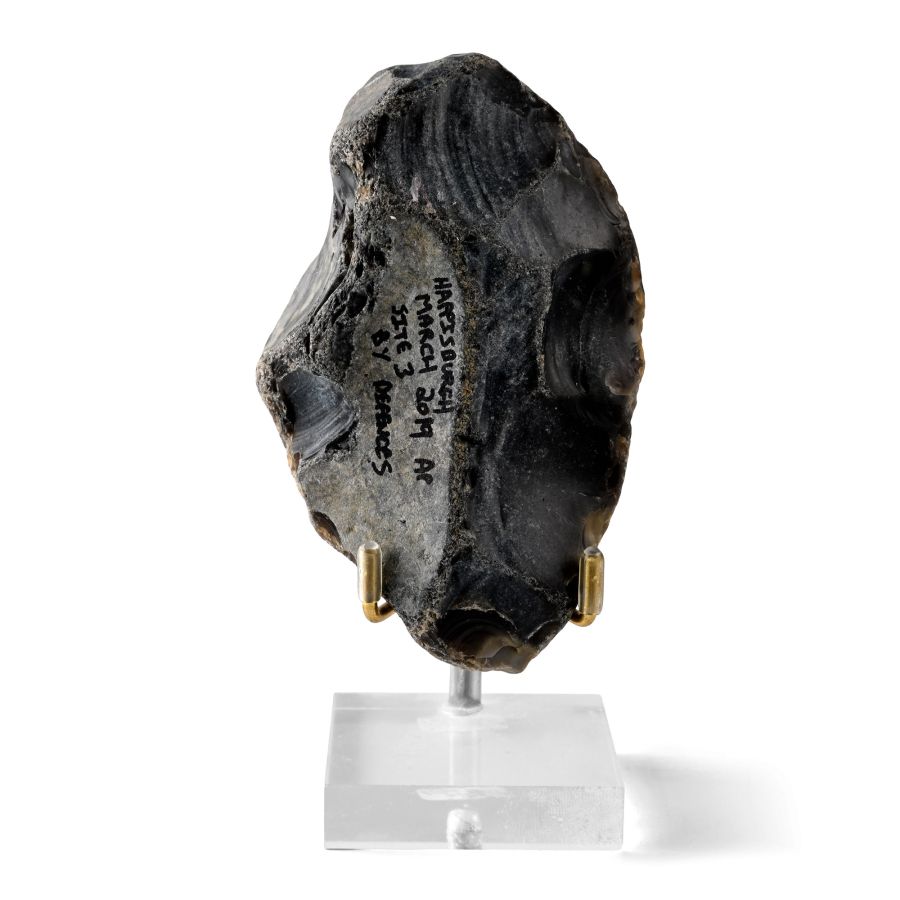
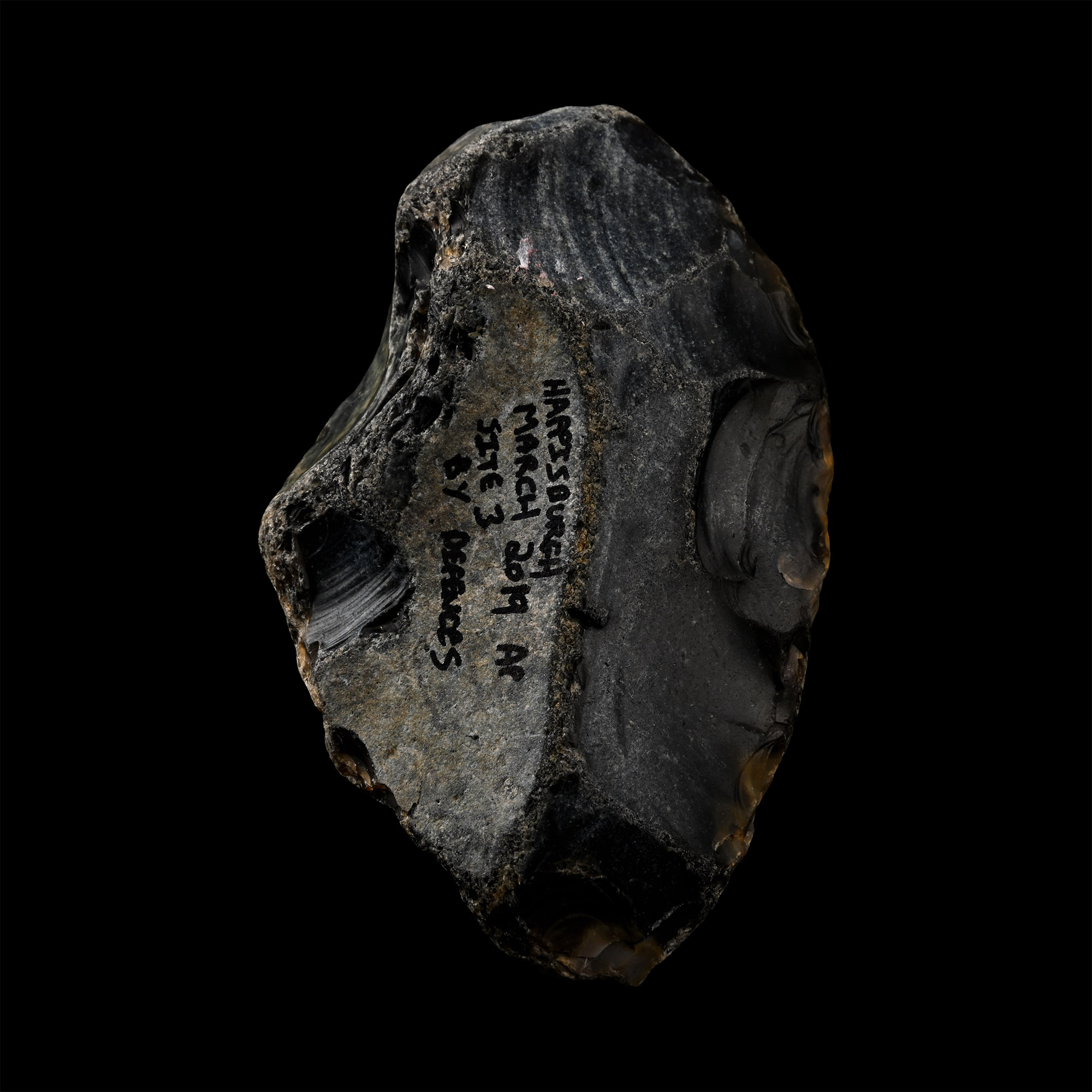
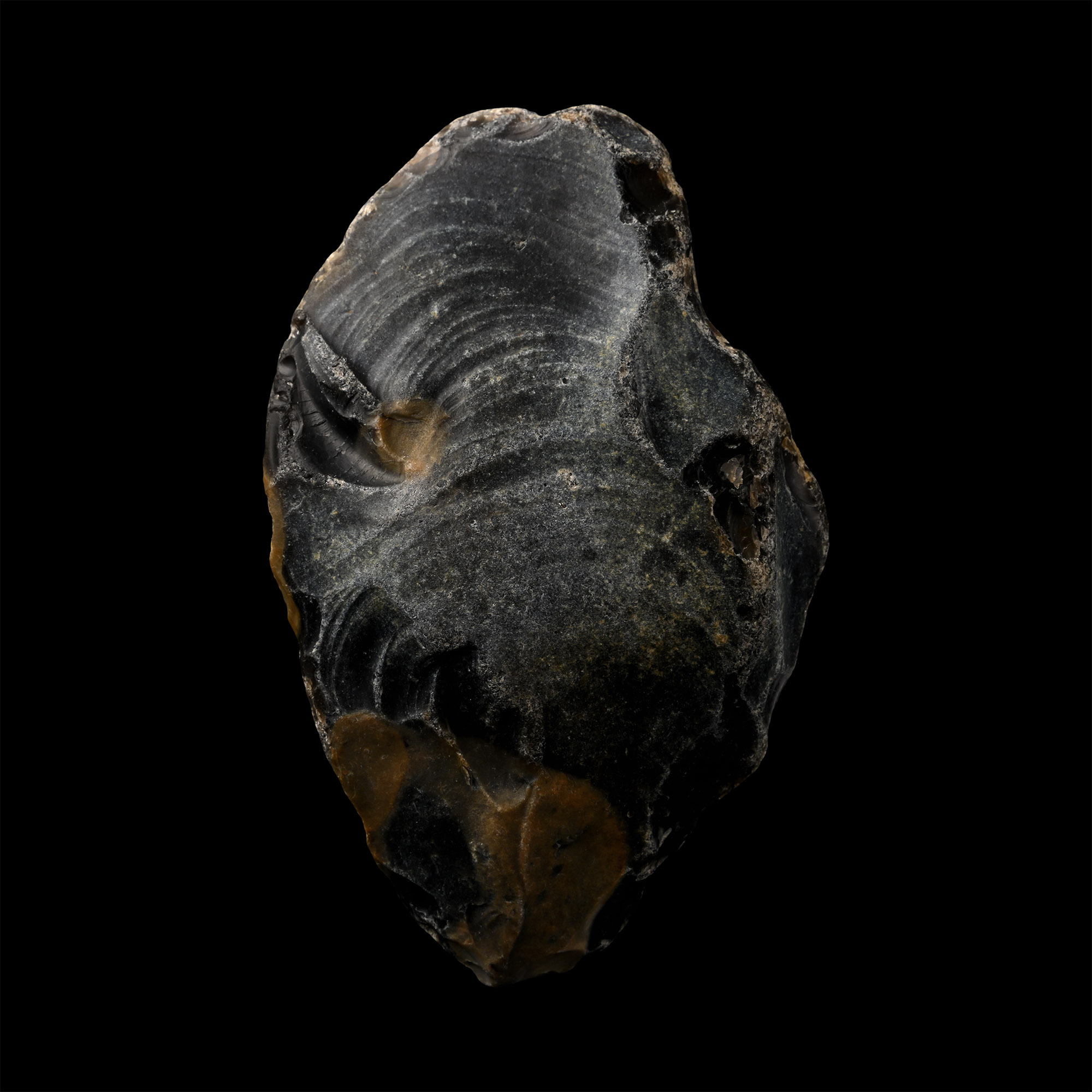
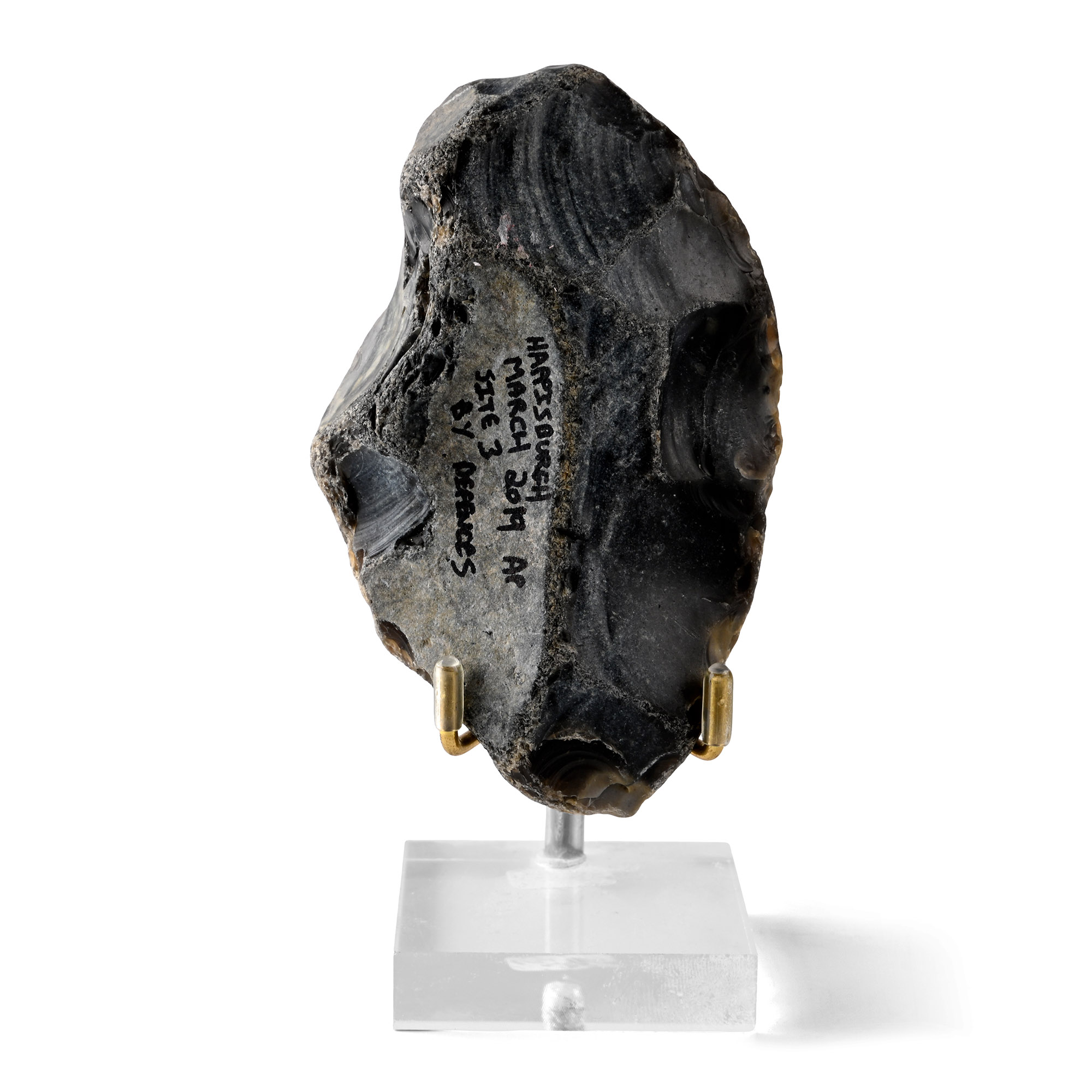
Stone Age Homo Heidelbergensis Uniface Flint Handaxe from Happisburgh
LOWER PALAEOLITHIC PERIOD, CIRCA 600,000-250,000 B.P.
4 in. (237 grams, 10.3 cm without stand).
Formed from a cobble and marked 'Happisburgh March 2019 AP Site 3 by Defences'; mounted on a custom-made stand.
ProvenanceFound by Mr Anthony Pryke in Happisburgh, Norfolk, UK, March 2019, near site 3.
FootnotesDiscovery by Mr A Pryke after the 'Beast from the East Storm', which stripped the beach of the sand and helped to erode the Palaeolithic artefacts from the ancient Thames river bed. During the time the artefacts were dropped, the Thames ran through North Norfolk and what is now Happisburgh before it was pushed down to its current position in London via the Ice Age glacial melts. The site of Happisburgh in Norfolk has helped to push the history of inhabitation of the British Isles back by 200,000 making it a site of special importance.
CONDITIONTimeLine Auctions follows a vetting process to ensure the authenticity and legality of all items, reinforcing our commitment to integrity and responsible trading. Each antiquity, antique, and coin lot undergoes thorough examination by a vetting committee of at least ten external specialists, professional trade association members, scientists, and archaeologists: Our Vetting Process
AUCTIONS:
TimeLine is a leading auction house specialising in antiquities, ancient art, collectables, natural history, coins, medals, and books. Our auctions offer museums, collectors, historians, and enthusiasts the opportunity to acquire unique and historically significant pieces.
LOT 0306
Stone Age Homo Heidelbergensis Uniface Flint Handaxe from Happisburgh
Sold for (Inc. bp): £351
-
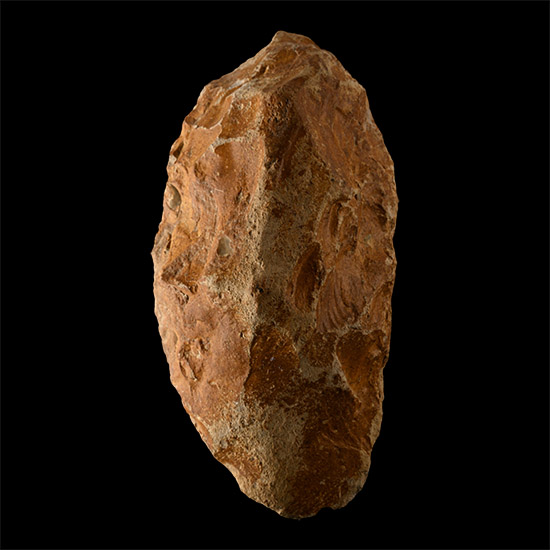
Huge Stone Age Acheulean Ovate Flint Handaxe
Lower Palaeolithic Period, circa 600,000-350,000 B.P.Estimate: £500 - 700 (+bp*)
Opening Bid: £250
Extremely large example of a chopping tool, likely made by Homo Heidelbergensis; mounted on a custom-made display stand. 1.54 kg, 21.1 cm without stand
From the well regarded, long closed quarry site of St Meme, Charente, France. From an old large French collection. Acquired on the European art market. From a UK private collection. -
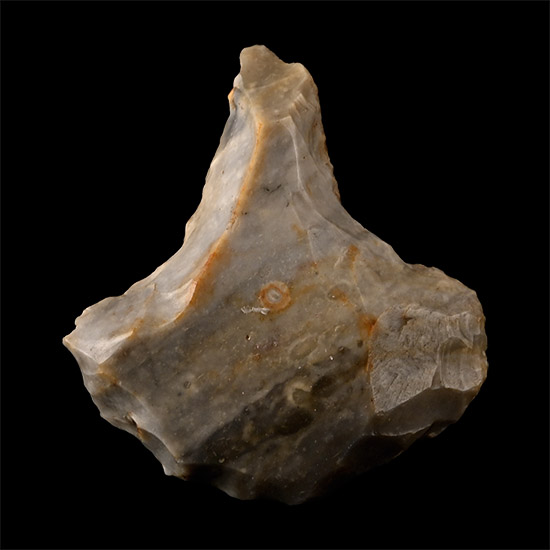
British Stone Age Flint Awl from Farnham
Neolithic Period, circa 6,000 B.P.Sold for (Inc. bp): £234
Pelta-shaped in plan and plano-convex in section with sturdy drilling spike. 18.4 grams, 45 mm
Found Farnham, Surrey, UK, in 1901. From the collection of Captain Streatfield who helped to fund the archaeology excavations at Farnham, Kent.
After Captain Streatfield passed away in the 1940s, his collection was sold at auction to a gentleman in Kent. The collection was then sold again in the 2020’s via a UK auction house. -
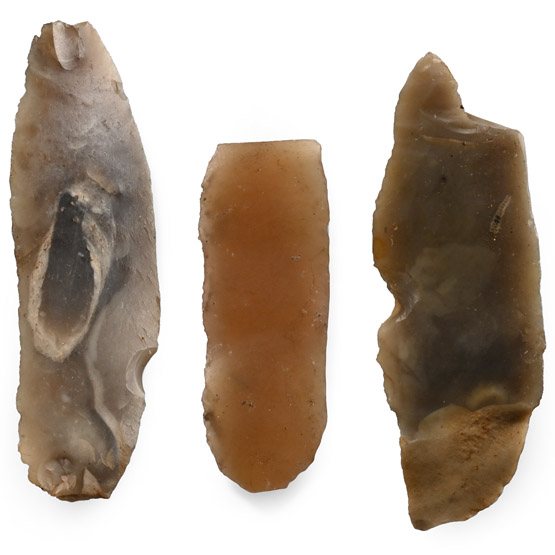
British Stone Age Flint Blades from Farnham
Mesolithic Period, circa 12,000-8,000 B.P.Sold for (Inc. bp): £104
Group of three microliths, linguiform in plan. 5.16 grams total, 27-36 mm
Found Farnham, Surrey, UK, in 1901. From the collection of Captain Streatfield who helped to fund the archaeology excavations at Farnham, Kent.
After Captain Streatfield passed away in the 1940s, his collection was sold at auction to a gentleman in Kent. The collection was then sold again in the 2020’s via a UK auction house.
