
Loading, please wait...
LOT 0306
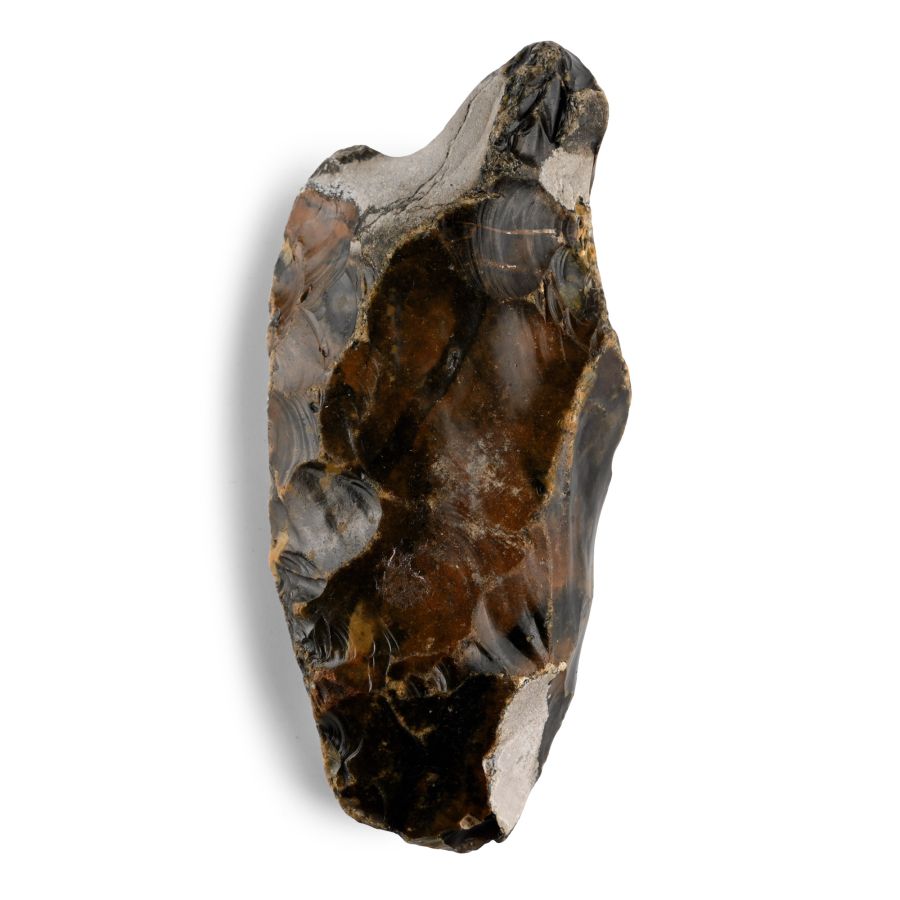
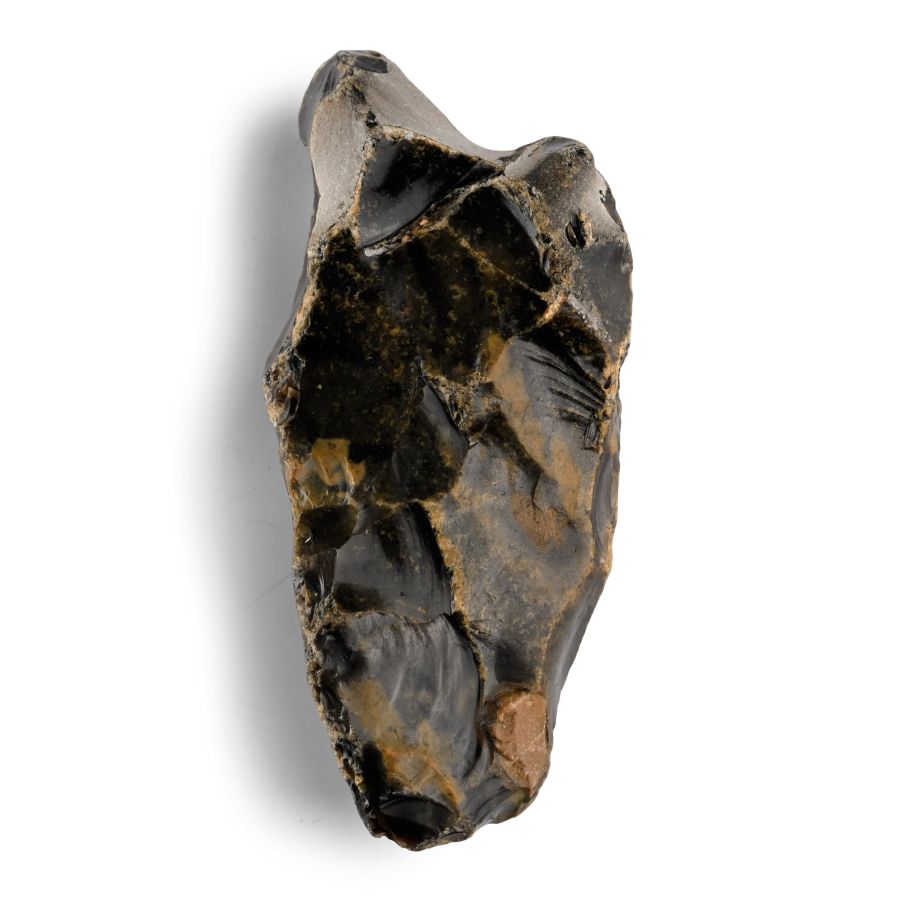
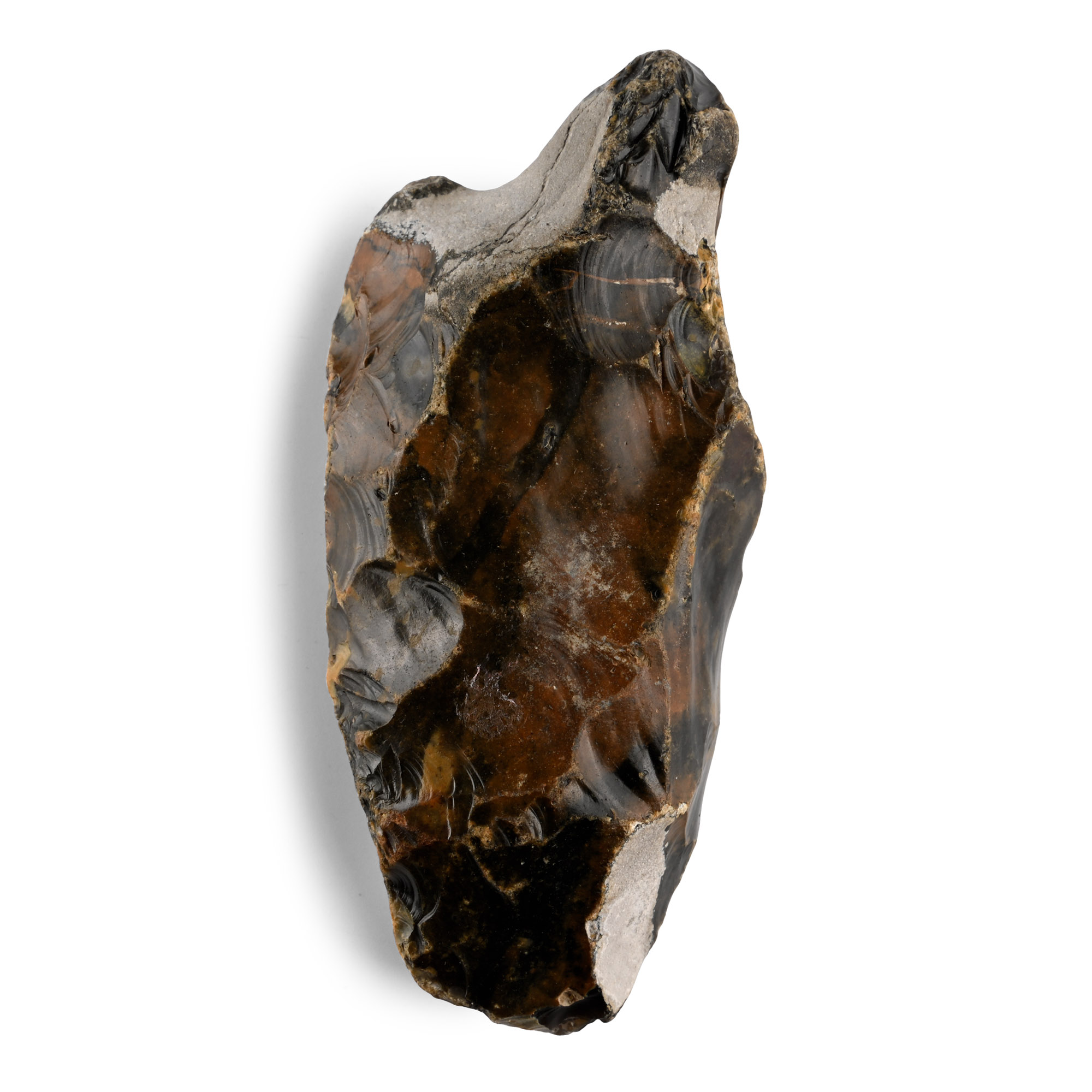
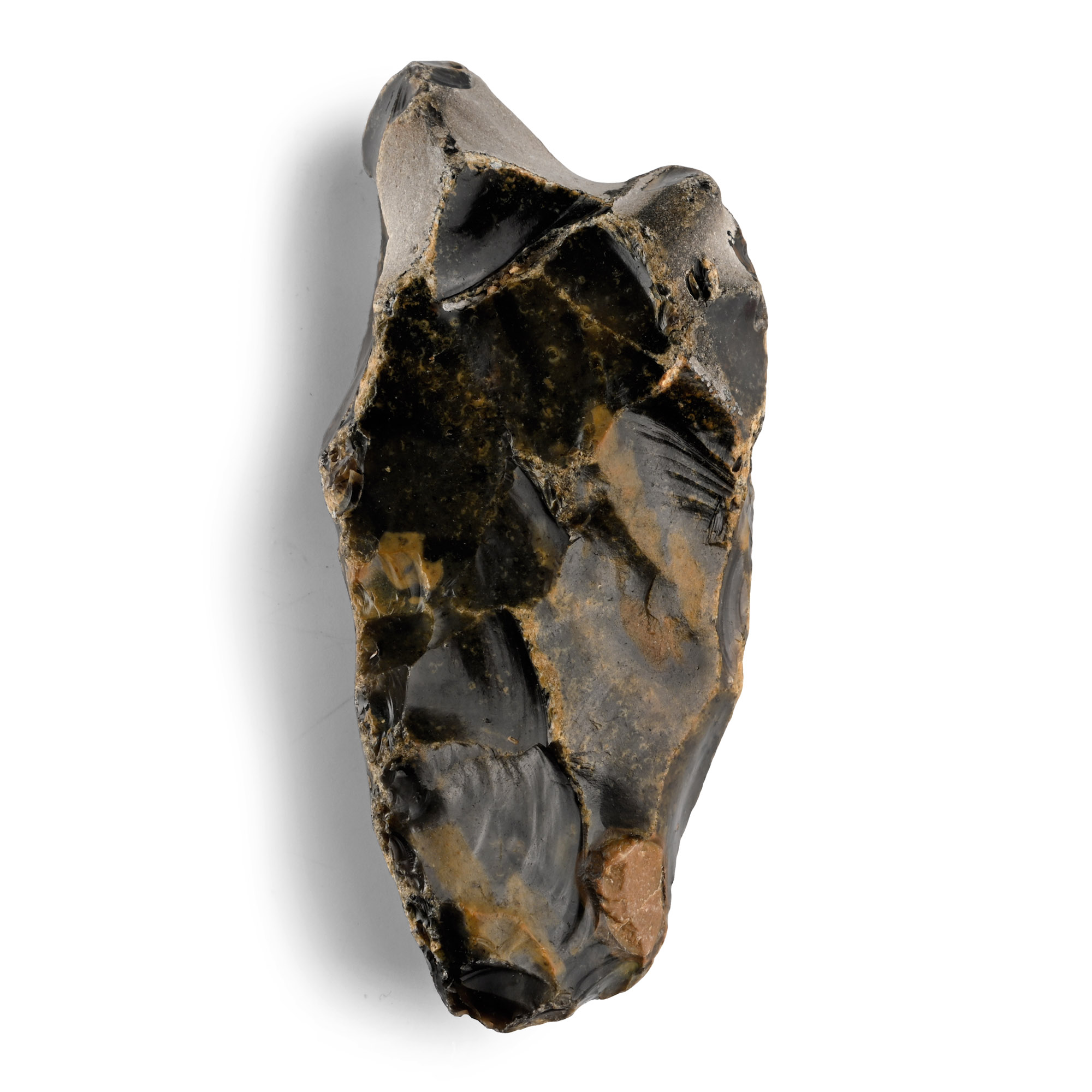
Stone Age Happisburgh Type Flint Handaxe
LOWER PALAEOLITHIC, CIRCA 600,000-250,000 B.P.
5 1/8 in. (293 grams, 13 cm).
Of brown, buff and black patinated flint, the butt (Type A) fairly cortical with two 'horned' projections of the nodule, one much longer than the other, another patch of cortex remains towards the point to the dorsal face.
ProvenanceDiscovered by P Macro at Happisburgh, Norfolk, UK, between Tuesday 1st October 2019 and Saturday 30th November 2019.
Ex collection of P James, South England.
Acquired directly from the finder.
From the private collection of an East Anglian, UK, specialist collector.
Accompanied by a copy of the British Museum's Portable Antiquities Scheme (PAS) report no.NMS-3A3691.
This lot is accompanied by an illustrated lot declaration signed by the Head of the Antiquities Department, Dr Raffaele D'Amato.
The site of Happisburgh in Norfolk has helped to push the history of inhabitation of the British Isles back by 200,000 years, making it a site of special importance.
CONDITIONTimeLine Auctions follows a vetting process to ensure the authenticity and legality of all items, reinforcing our commitment to integrity and responsible trading. Each antiquity, antique, and coin lot undergoes thorough examination by a vetting committee of at least ten external specialists, professional trade association members, scientists, and archaeologists: Our Vetting Process
AUCTIONS:
TimeLine is a leading auction house specialising in antiquities, ancient art, collectables, natural history, coins, medals, and books. Our auctions offer museums, collectors, historians, and enthusiasts the opportunity to acquire unique and historically significant pieces.
-
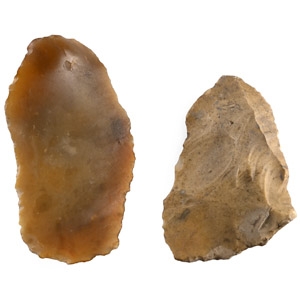
Stone Age Flint Knife Group
Neolithic Period, circa 5000 B.P.Sold for (Inc. bp): £7
Two hard hammer struck knife blades, one with old collector's label: 'SCRAPER / THAMES VALLEY'. 46.1 grams total, 58-72 mm
Found Thames Valley in the 19th century. From an antiquarian Palaeolithic study collection, Shropshire, UK. This lot is accompanied by an illustrated lot declaration signed by the Head of the Antiquities Department, Dr Raffaele D'Amato. -
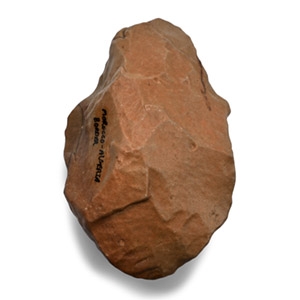
Stone Age 'Homo Erectus' Chert Handaxe
Lower Palaeolithic Period, circa 450,000-250,000 B.P.Sold for (Inc. bp): £78
Lentoid in section and piriform in plan with broad cutting edge; inked 'Morocco-Algeria Border'. 234 grams, 96 mm
From the Morocco-Algeria border, North Africa. Ex UK collection. From the private collection of a Leicestershire, UK, gentleman. This lot is accompanied by an illustrated lot declaration signed by the Head of the Antiquities Department, Dr Raffaele D'Amato. -
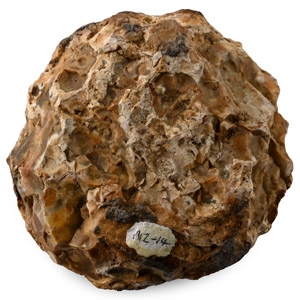
Stone Age 'Waddesdon' Flint Hammerstone
Neolithic Period, 6th-4th millennium B.P.Sold for (Inc. bp): £13
Discoid in plan with abraded surface due to heavy usage; inked label 'N2-14'. 156 grams, 67 mm
Found Lodge Hill Northside, Waddesdon, Buckinghamshire, UK. From the private collection of Kenneth Machin (1936-2020), Buckinghamshire, UK; his collection of antiquities and natural history was formed since 1948; thence by descent. This lot is accompanied by an illustrated lot declaration signed by the Head of the Antiquities Department, Dr Raffaele D'Amato.
