
Loading, please wait...
LOT 1667
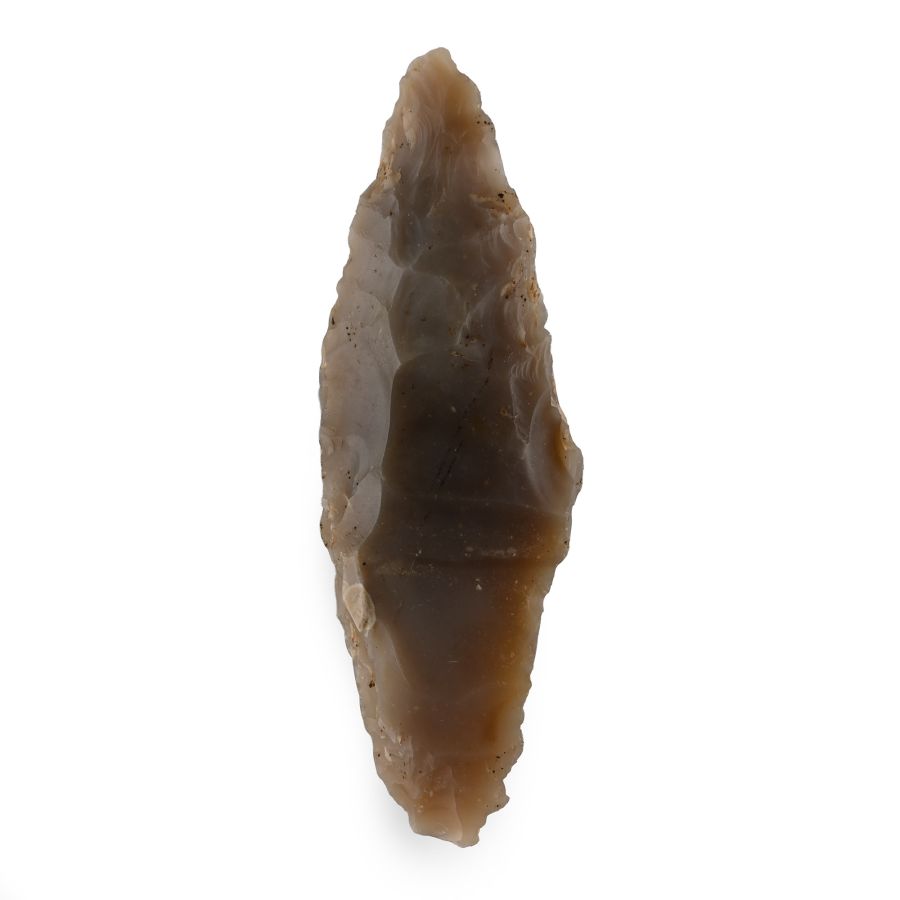
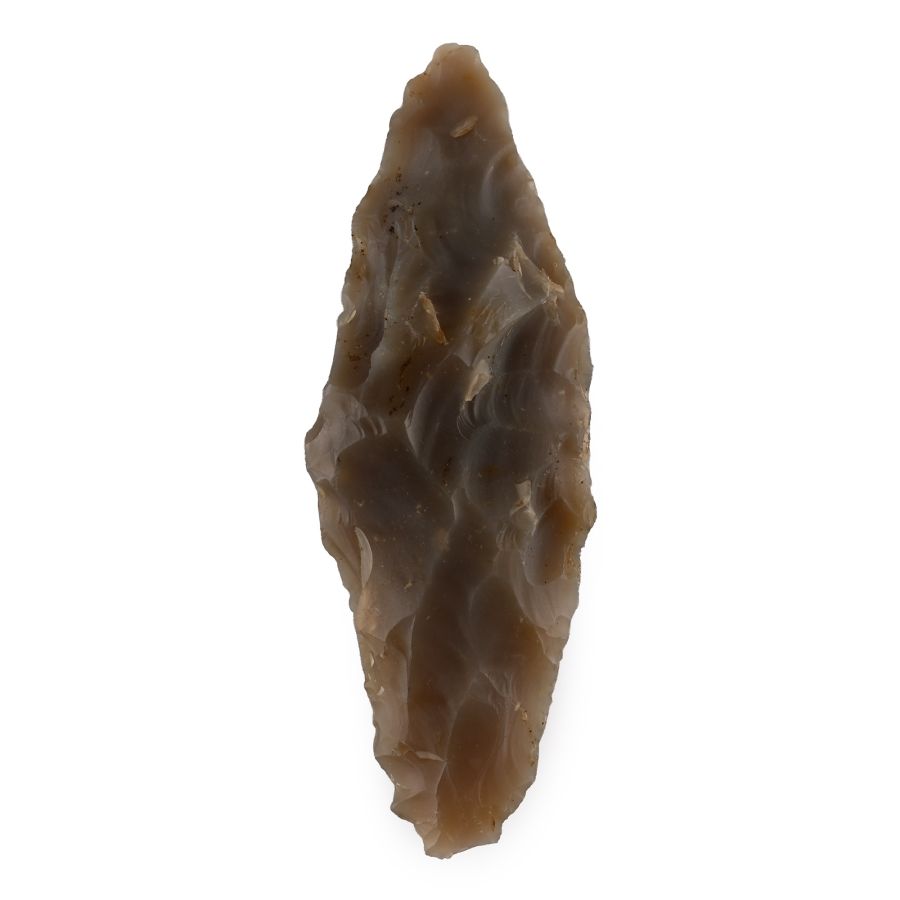
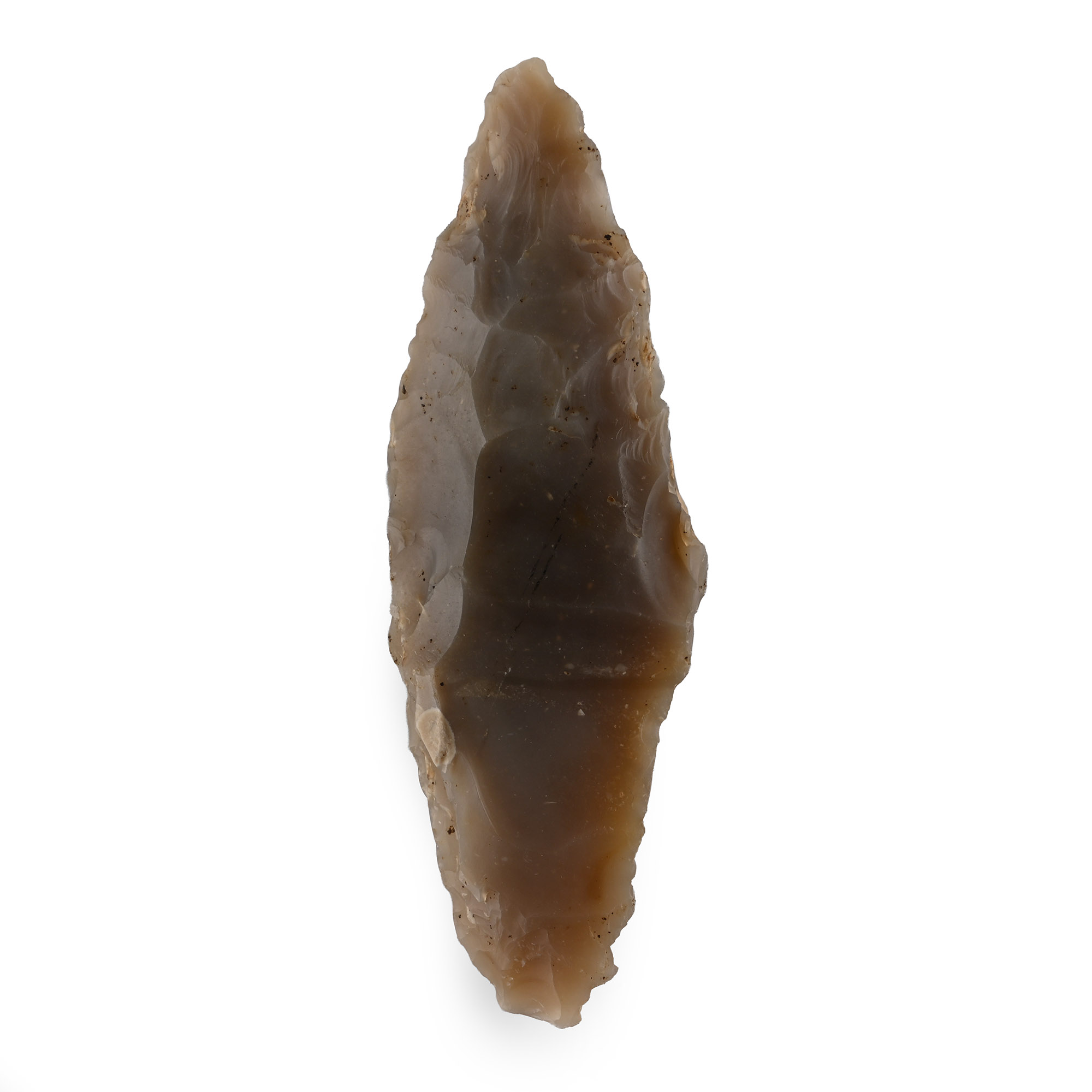
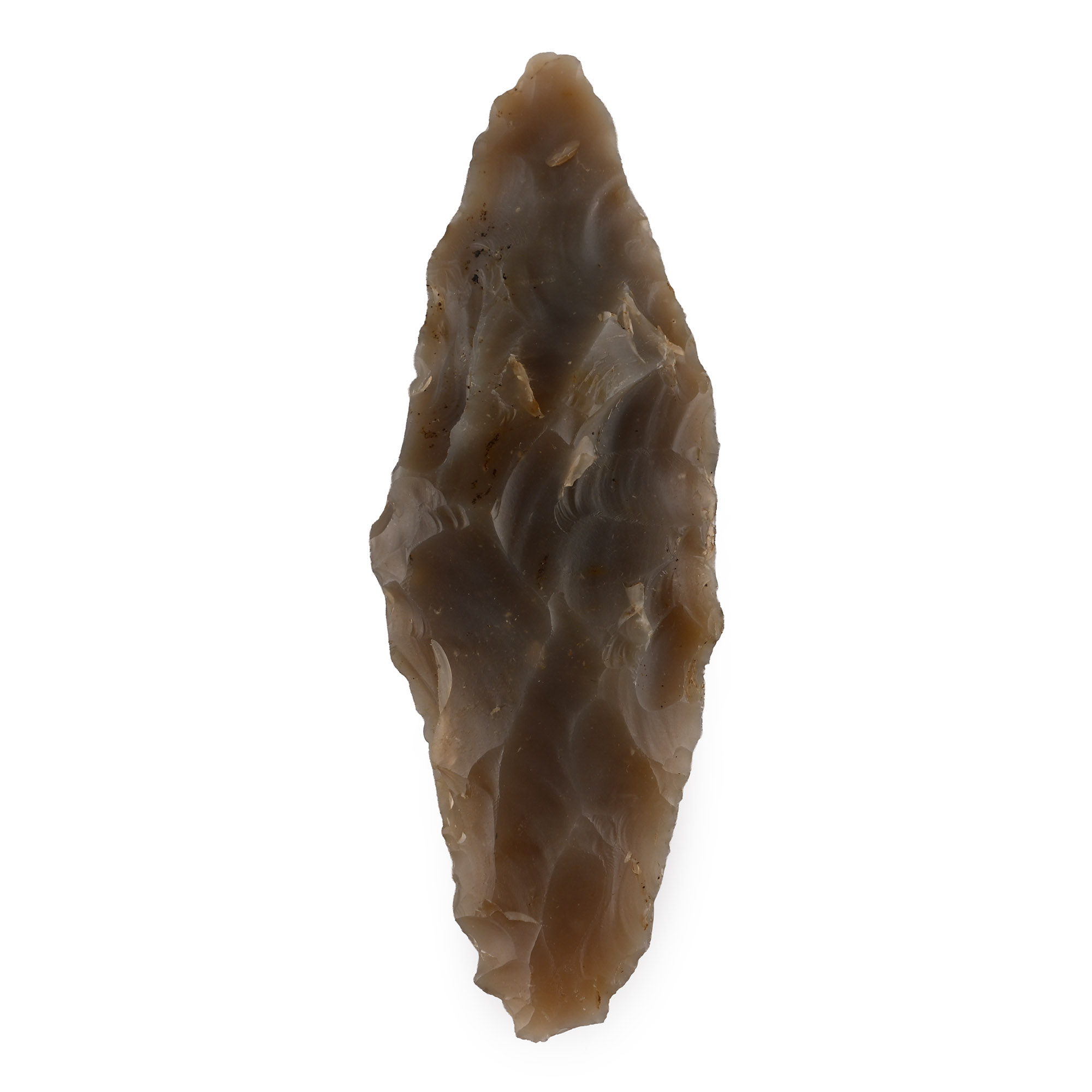
Stone Age Fine Knapped Point
UPPER PALAEOLITHIC PERIOD, CIRCA 40,000-22,000 B.P.
3 3/4 in. (38 grams, 94 mm).
A knapped lozenge-shaped bifacial tool in light grey flint.
ProvenanceFound Yonne, Bourgogne-Franche-Comté Region, France.
From a large French collection formed in the early 1900s.
Acquired on the UK art market.
From the private collection of an East Anglian, UK, specialist collector.
TimeLine Auctions follows a vetting process to ensure the authenticity and legality of all items, reinforcing our commitment to integrity and responsible trading. Each antiquity, antique, and coin lot undergoes thorough examination by a vetting committee of at least ten external specialists, professional trade association members, scientists, and archaeologists: Our Vetting Process
AUCTIONS:
TimeLine is a leading auction house specialising in antiquities, ancient art, collectables, natural history, coins, medals, and books. Our auctions offer museums, collectors, historians, and enthusiasts the opportunity to acquire unique and historically significant pieces.
-
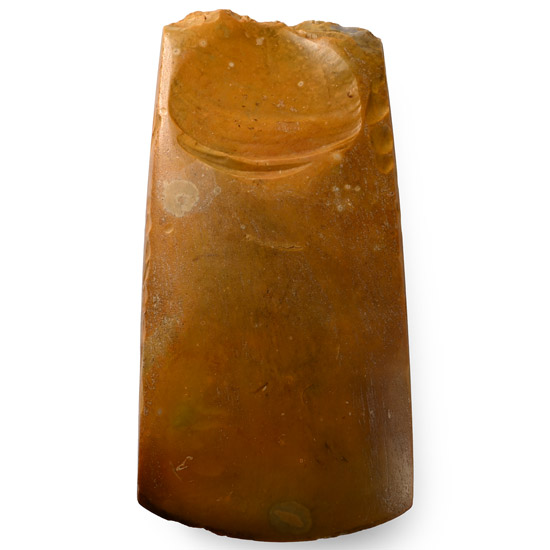
Danish Neolithic Polished Axe
Neolithic Period, circa 3500-3000 B.P.Sold for (Inc. bp): £117
Rectangular in section, with squared butt and slightly curved edge; polished on all four faces with superb orange patina. 560 grams, 14.7 cm
From the estate of artist Holger Karlsson, Trollhatte, Sweden. Acquired in Stockholm, Sweden. Accompanied by a copy of a Swedish National Heritage Board export permit. -
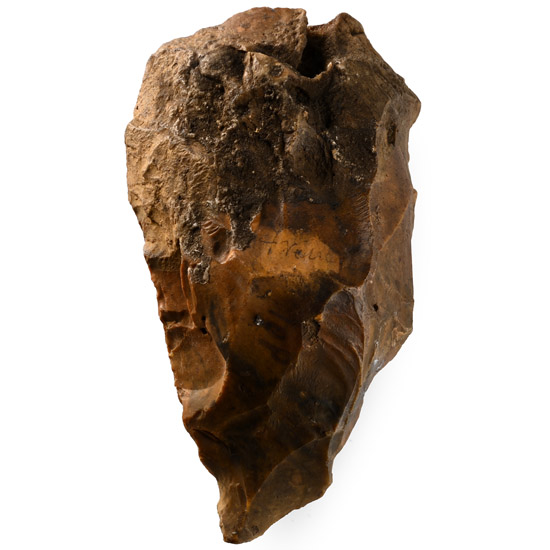
Stone Age Acheulean Flint Handaxe
Lower Palaeolithic, circa 700,000-300,000 B.P.Sold for (Inc. bp): £124
Ovate with brown-orange patina, inked collector's note 'Framce Rosehill coll.' and a pencilled note below. 280 grams, 11.8 cm
From France (according to inscription). The Rosehill Collection of the Rt Hon David Carnegie (1865-1921), 10th Earl of Northesk (according to inscription), and likely sold at the sale of his collection at Christie's, London, 14-17 July 1924. Collection of Michel C. Vaes (1934-2024), Belgium, formed 1960s-90s. Accompanied by a copy of the EU Licence no.2026 DMF 0436. -
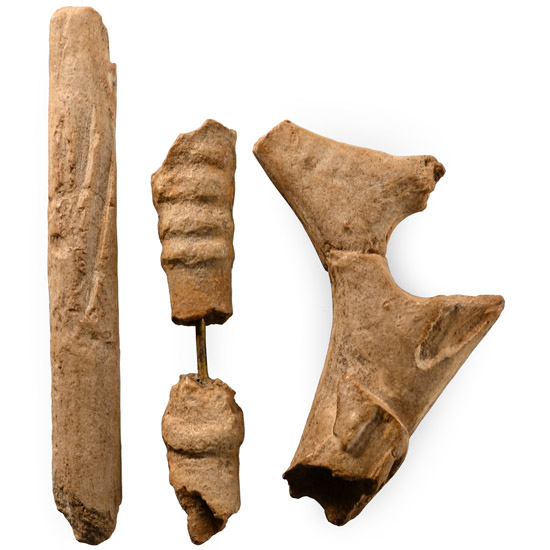
Early Human Bone Implements
Upper Palaeolithic-Bronze Age Period, circa 40,000-3,000 B.P.Sold for (Inc. bp): £176
Comprising three bone implements, one fragmentary and joined by a metal pin. 112 grams total, 10.3-13.9 cm
From France. Private collection, UK.
