
Loading, please wait...

LOT 1536
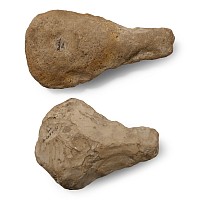
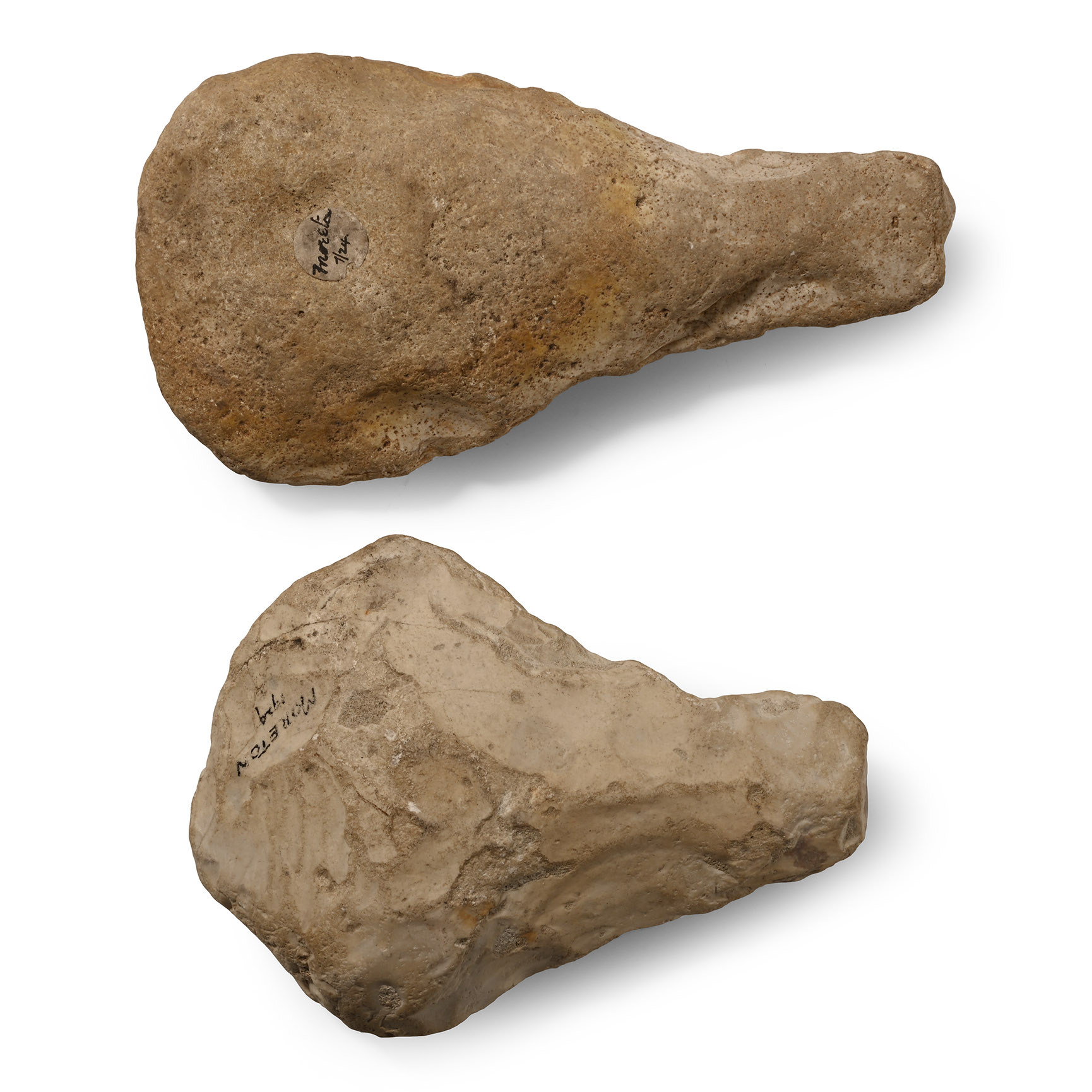
Stone Age British Flint Handaxe Group
PALAEOLITHIC PERIOD, 400,000-300,000 B.P.
4 5/8 - 5 1/8 in. (709 grams total, 11.8-15 cm).
Comprising two tapered hand axes each with spatulate tips, with typical river terrace patination and water-worn surfaces, one inked 'MORETON 1929' and the other with inked 'MORETON 7/24' label. [2, No Reserve]
ProvenanceFound Moreton, Dorset, UK, in the 1920s.
Acquired in the 1980s.
From the collection of a North West London, UK, gentleman.
TimeLine Auctions follows a vetting process to ensure the authenticity and legality of all items, reinforcing our commitment to integrity and responsible trading. Each antiquity, antique, and coin lot undergoes thorough examination by a vetting committee of at least ten external specialists, professional trade association members, scientists, and archaeologists: Our Vetting Process
AUCTIONS:
TimeLine is a leading auction house specialising in antiquities, ancient art, collectables, natural history, coins, medals, and books. Our auctions offer museums, collectors, historians, and enthusiasts the opportunity to acquire unique and historically significant pieces.
-
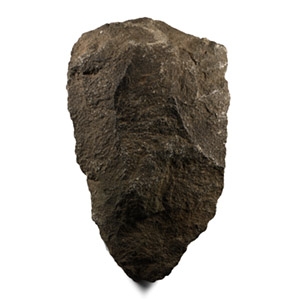
Stone Age Basalt 'Homo Erectus' Handaxe
Lower Palaeolithic Period, circa 1,000,000-600,000 B.P.Sold for (Inc. bp): £111
Unusually large in size and weight; old collector's reference sticker number '15'. 2.85 kg, 27 cm
From Sub Saharan Africa. Acquired in the 1970s-1990s. From the collection of famous UK musician and amateur archaeologist, Victor Brox (1941-2023). -
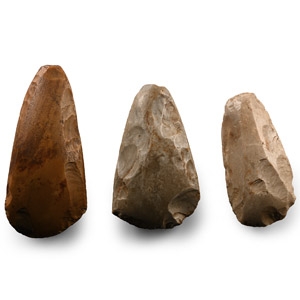
Stone Age Polished Handaxe Group
Lower Palaeolithic Period, 450,000-200,000 B.C.Sold for (Inc. bp): £65
Each lentoid in profile, one with old find spot label 'Baichinet/pierre [...]'. 386 grams total, 8.5-11 cm
Old French collection. Private collection, London. -
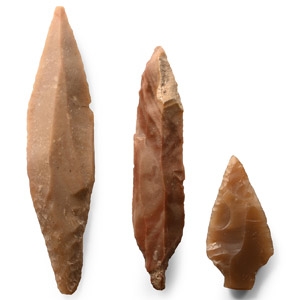
Stone Age Knapped Arrowhead and Blade Group
Neolithic, circa 4th-3rd millennium B.C.Sold for (Inc. bp): £46
Two scaphoid and plano-convex in section, one barbed and tanged. 26 grams total, 43-90 mm
Old French collection. Private collection, London.
