
Loading, please wait...
LOT 0381
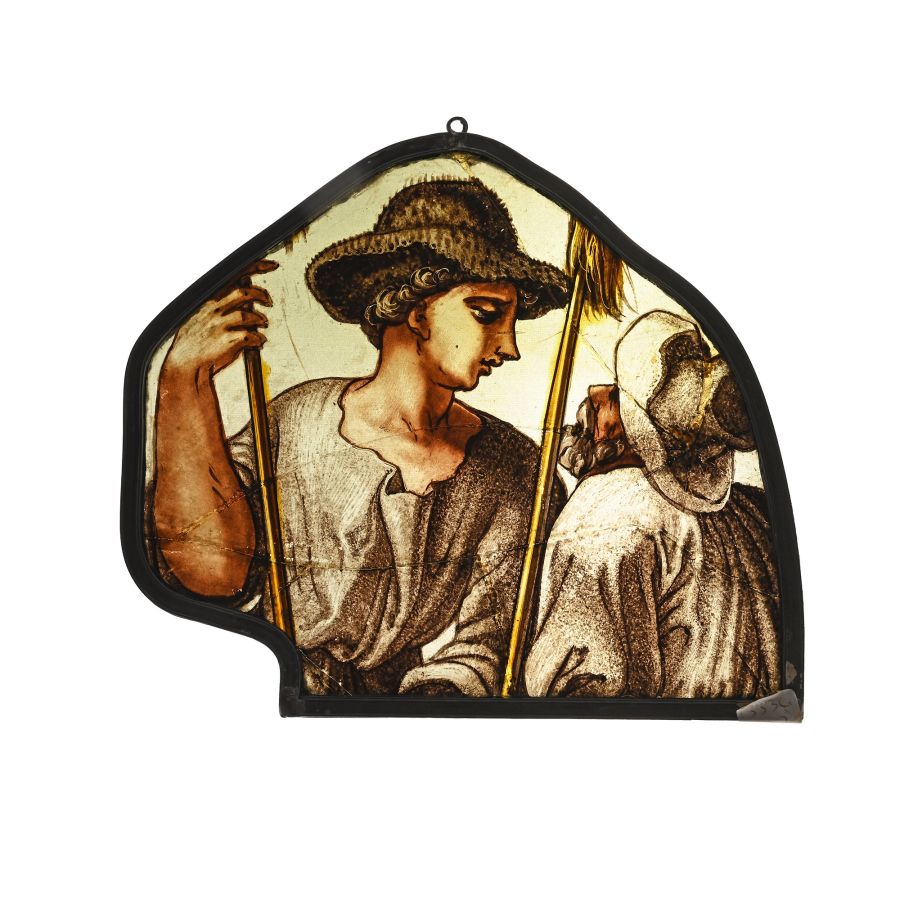
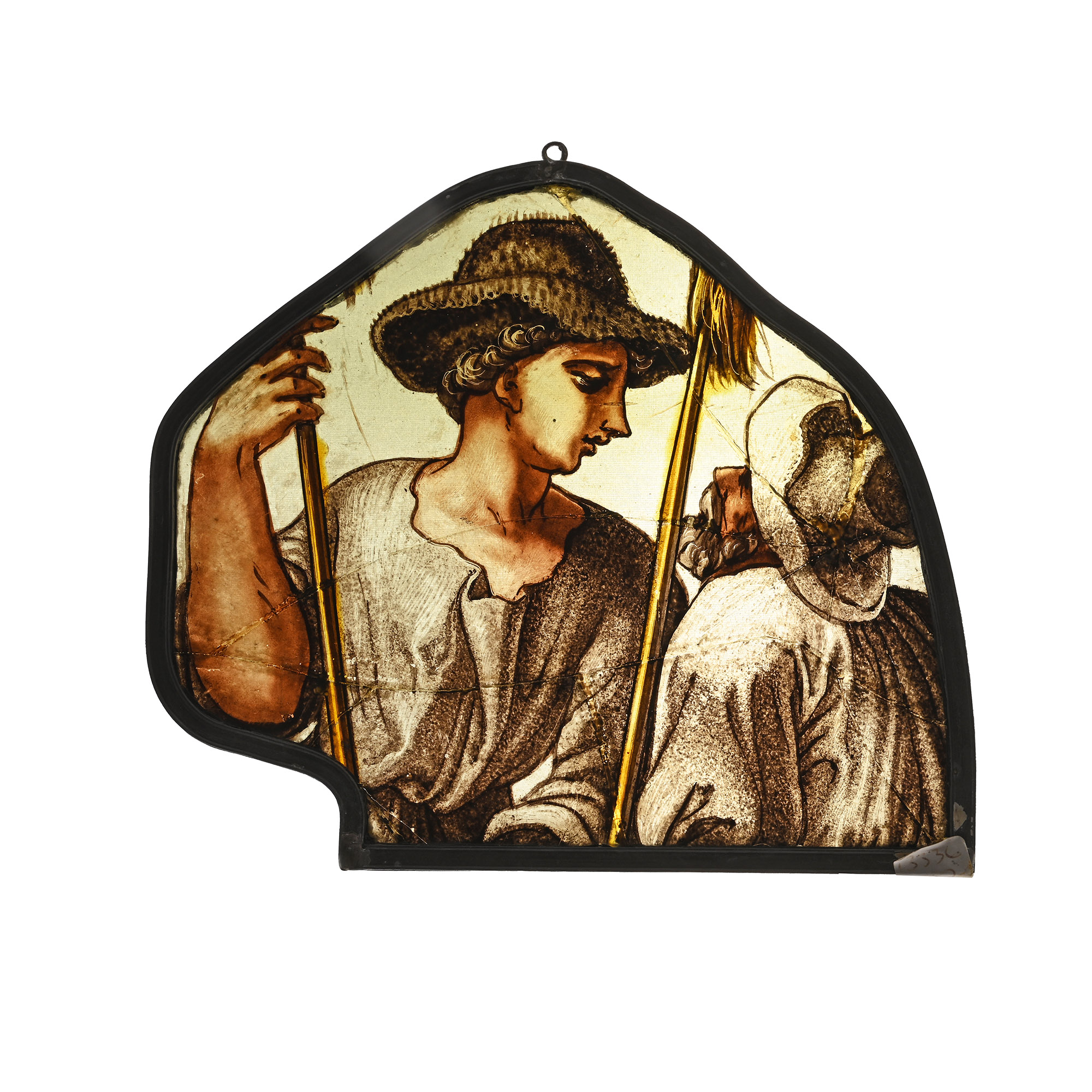
Stained Glass Panel with Two Shepherds
FRANCE, EARLY 17TH CENTURY A.D.
8 in. (280 grams, 20.5 cm).
Irregular panel in lead frame with pastoral motif of finely painted prominent youthful male in profile, an older bearded male with turned back; both holding a shepherd(?) staff. [No Reserve]
ProvenanceEx Galerie de Chartres, 8 March 2009, no.87.
Ex central London gallery.
This lot has been cleared against the Art Loss Register database, and is accompanied by an illustrated lot declaration signed by the Head of the Antiquities Department, Dr Raffaele D'Amato.
TimeLine Auctions follows a vetting process to ensure the authenticity and legality of all items, reinforcing our commitment to integrity and responsible trading. Each antiquity, antique, and coin lot undergoes thorough examination by a vetting committee of at least ten external specialists, professional trade association members, scientists, and archaeologists: Our Vetting Process
AUCTIONS:
TimeLine is a leading auction house specialising in antiquities, ancient art, collectables, natural history, coins, medals, and books. Our auctions offer museums, collectors, historians, and enthusiasts the opportunity to acquire unique and historically significant pieces.
-
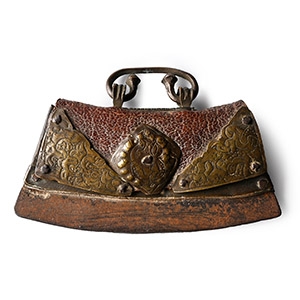
Tibetan Fire Steel Pouch Pendant
19th century A.D.Sold for (Inc. bp): £39
A mechang pouch with ornamental brass mounts on the leather cover, large suspension loop on the top and fire-steel on the bottom, remains of fire starters inside the pouch. 73.8 grams, 10.4 cm
Acquired on the UK art market. Property of a Nottinghamshire, UK, gentleman. This lot is accompanied by an illustrated lot declaration signed by the Head of the Antiquities Department, Dr Raffaele D'Amato. -
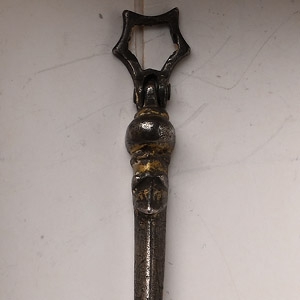
Tudor Period Silver-Gilt Hook Fastener
16th century A.D.Sold for (Inc. bp): £26
D-shaped in section with hook finial, bulb and hinge with openwork hexagonal hoop. 5.16 grams, 67 mm
From Northern Europe. Acquired from Coincraft, London, UK. From the private collection of Kenneth Machin (1936-2020), Buckinghamshire, UK; his collection of antiquities and natural history was formed since 1948; thence by descent. Accompanied by a Coincraft certificate of authenticity. This lot is accompanied by an illustrated lot declaration signed by the Head of the Antiquities Department, Dr Raffaele D'Amato. -
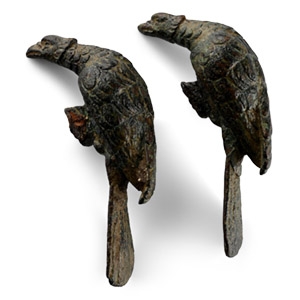
Georgian Bronze Bird Statuette Pair
England, circa 18th century A.D.Sold for (Inc. bp): £26
Matched pair, each with a long spatulate tail, folded wings and hunched neck; ferrous remains at the attachment point. 108 grams total, 64 mm each
Found Cambridgeshire, UK. This lot is accompanied by an illustrated lot declaration signed by the Head of the Antiquities Department, Dr Raffaele D'Amato.
