
Loading, please wait...
LOT 1472
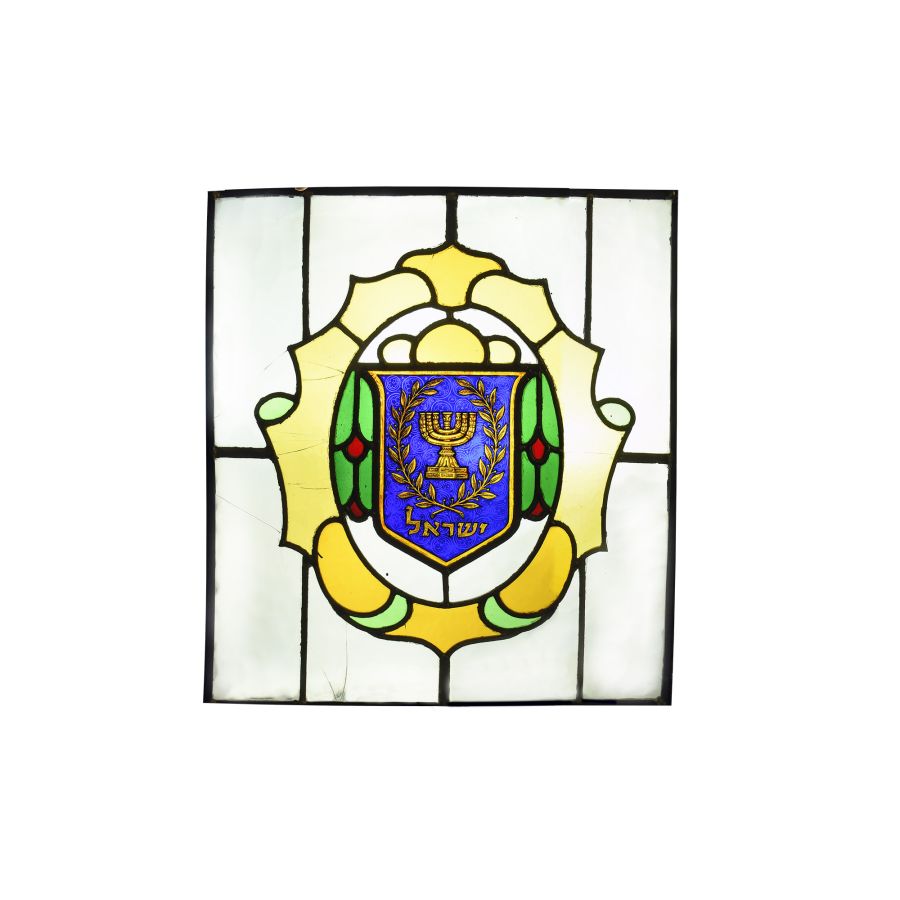
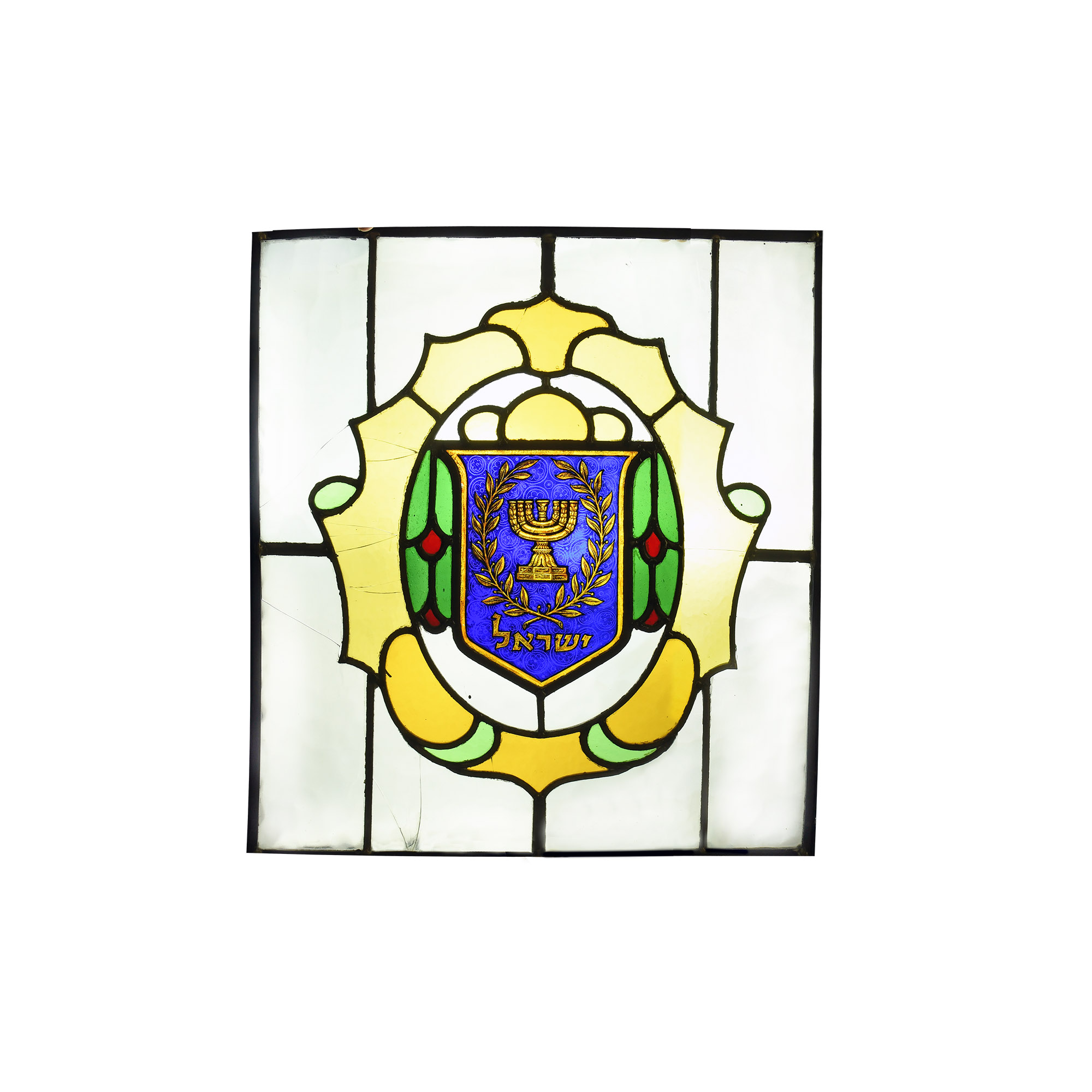
Stained Glass Menorah Panel
20TH CENTURY A.D.
21 7/8 x 24 in. (4.3 kg, 55.5 x 61 cm).
A rectangular panel of stained glass displaying a menorah within a wreath at its centre; polychrome surrounding shield; the individual glass pieces and the whole with lead cames.
ProvenanceEx London, UK, gallery.
Property of a London gentleman.
TimeLine Auctions follows a vetting process to ensure the authenticity and legality of all items, reinforcing our commitment to integrity and responsible trading. Each antiquity, antique, and coin lot undergoes thorough examination by a vetting committee of at least ten external specialists, professional trade association members, scientists, and archaeologists: Our Vetting Process
AUCTIONS:
TimeLine is a leading auction house specialising in antiquities, ancient art, collectables, natural history, coins, medals, and books. Our auctions offer museums, collectors, historians, and enthusiasts the opportunity to acquire unique and historically significant pieces.
LOT 1472
Stained Glass Menorah Panel
Estimate £300 - 400€350 - 460 (for guidance only)$410 - 540 (for guidance only)
-
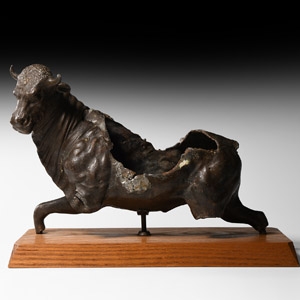
Bronze Fragmentary Bull
20th century A.D.Estimate: £700 - 900 (+bp*)
Opening Bid: £375
A dynamically poised bull, naturalistically modelled looking downwards and slightly to the left, with short curls to the top of the head; mounted on a custom-made display stand. 2.4 kg total, 30 cm wide including stand
From an important Paris gallery, France. with Adjug Auctions, Paris, France, 2 February 2020, lot 518. -
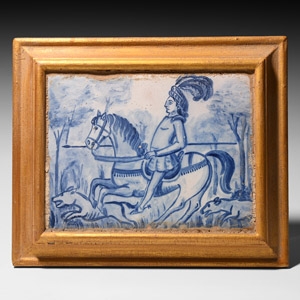
Spanish Blue and White Tile with Hunting Scene
Possibly 18th century A.D.Sold for (Inc. bp): £89
A blue and white rectangular tile depicting a hunting scene set in woodland, showing a mounted rider galloping left, holding a spear and wearing a plumed headdress, hunting hounds running beside him; mounted in a gold-coloured frame. 1.37 kg, 27.5 x 23 cm
Fair condition.
Acquired in the 2000s. Property of a North London collector. -
.jpg)
Georgian 'In Unity Lets Live & Die' Gold Posy Ring
18th century A.D.Sold for (Inc. bp): £780
A slender annular gold band inscribed in cursive hand to the interior: 'In Unity lets live & die', followed by maker's mark 'JK' within a rectangular cartouche. 1.37 grams, 19.64 mm overall, 17.97 mm internal diameter (approximate size British P 1/2, USA 7 3/4, Europe 16.86, Japan 16)
Found Romney Marsh area, Kent, UK. Property of a Kent gentleman.
