
Loading, please wait...
LOT 2707
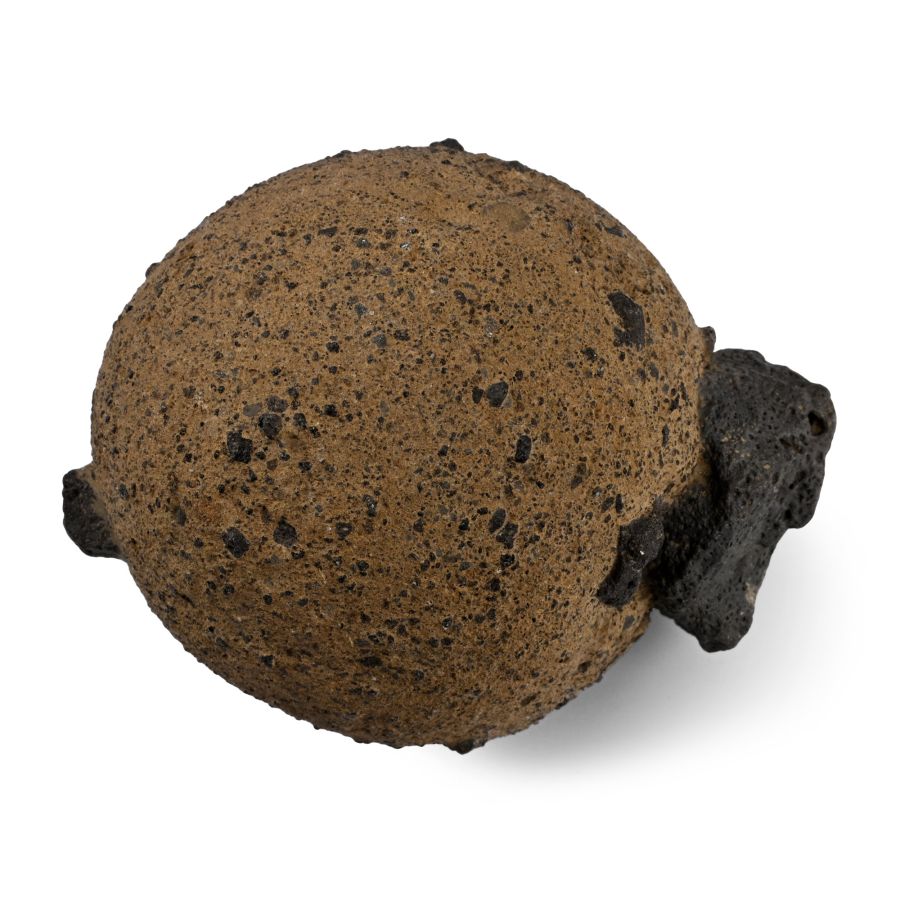
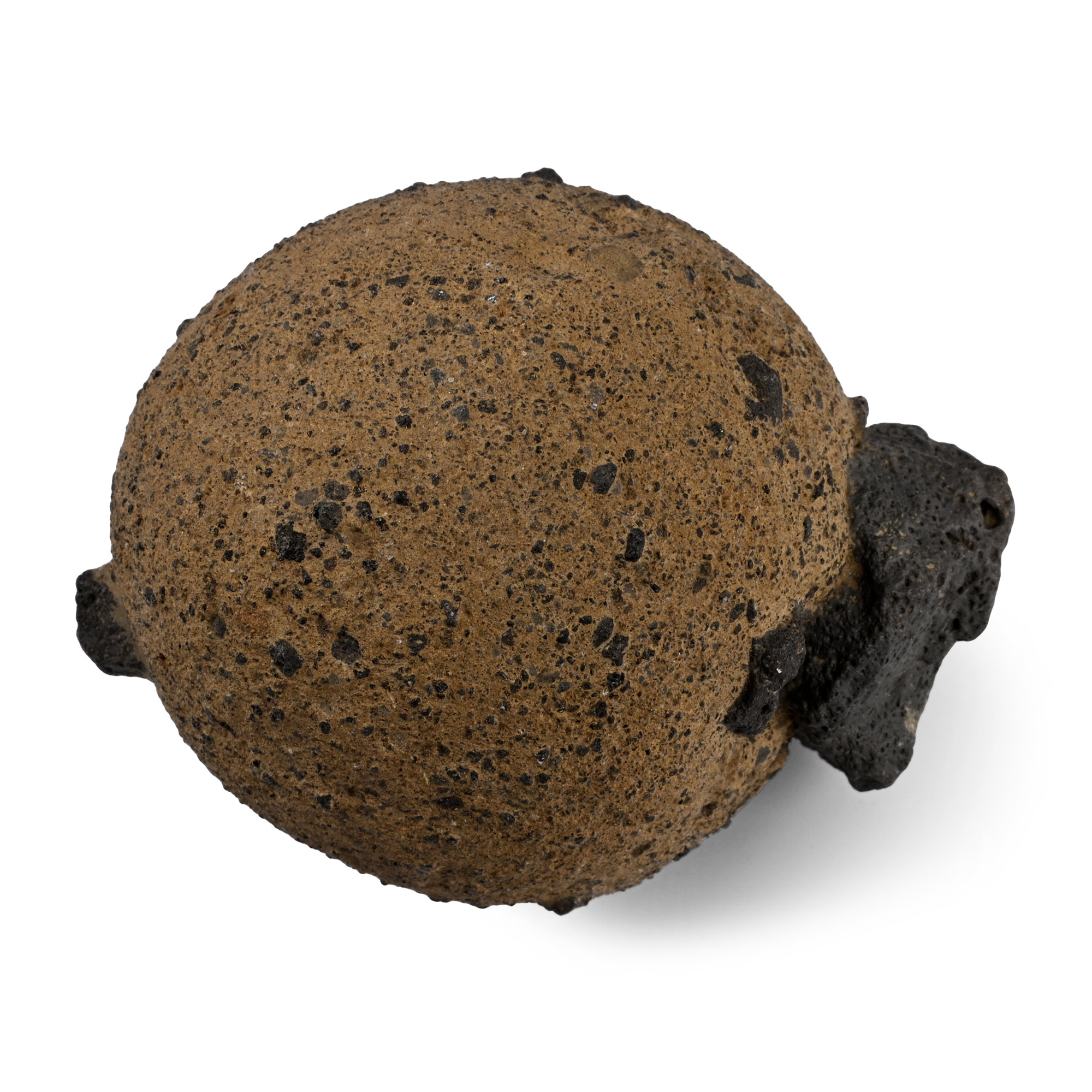
Spherical Sedimentary Concretion
4 in. (647 grams, 10.2 cm).
Naturally formed from hardened sediment with projecting porous, black stone nodules. [No Reserve]
ProvenanceAcquired on the UK art market in the 1990s.
From the Dr Ince collection, N.W. London, UK.
A concretion is a compact mass of mineral matter, usually spherical or disc-shaped, and they vary greatly in size. They usually form early in the burial history of sediment, before the rest of the sediment has hardened into solid rock. Concretions occur when a considerable amount of cementing material collects locally around a nucleus, often organic (a leaf, tooth, a section of fossil or shell or dead matter) and commonly a marine invertebrate.
CONDITIONTimeLine Auctions follows a vetting process to ensure the authenticity and legality of all items, reinforcing our commitment to integrity and responsible trading. Each antiquity, antique, and coin lot undergoes thorough examination by a vetting committee of at least ten external specialists, professional trade association members, scientists, and archaeologists: Our Vetting Process
AUCTIONS:
TimeLine is a leading auction house specialising in antiquities, ancient art, collectables, natural history, coins, medals, and books. Our auctions offer museums, collectors, historians, and enthusiasts the opportunity to acquire unique and historically significant pieces.
-
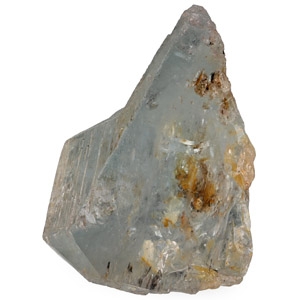
Aquamarine Crystal Mineral Display Specimen
Sold for (Inc. bp): £59
Light blue translucent crystal showing some internal iridescence. 600 grams, 10.4 cm
Property of a North West London, UK, lady. -

Dog Tooth Calcite Crystal Mineral Display Specimen
Sold for (Inc. bp): £33
Cluster of calcite crystals. 70 grams, 66 mm
Property of a North West London, UK, lady. -

Cut and Polished Fossil Auricaria Pinecone
Jurassic Period, circa 199-145 million years B.P.Sold for (Inc. bp): £195
Auricaria Mirabilis cone from an extinct coniferous tree. 133 grams total, 63 mm each
From Argentina, South America, 1998. From the private collection of Kenneth Machin (1936-2020), Buckinghamshire, UK; his collection of antiquities and natural history was formed since 1948; thence by descent.
