
Loading, please wait...
LOT 2132
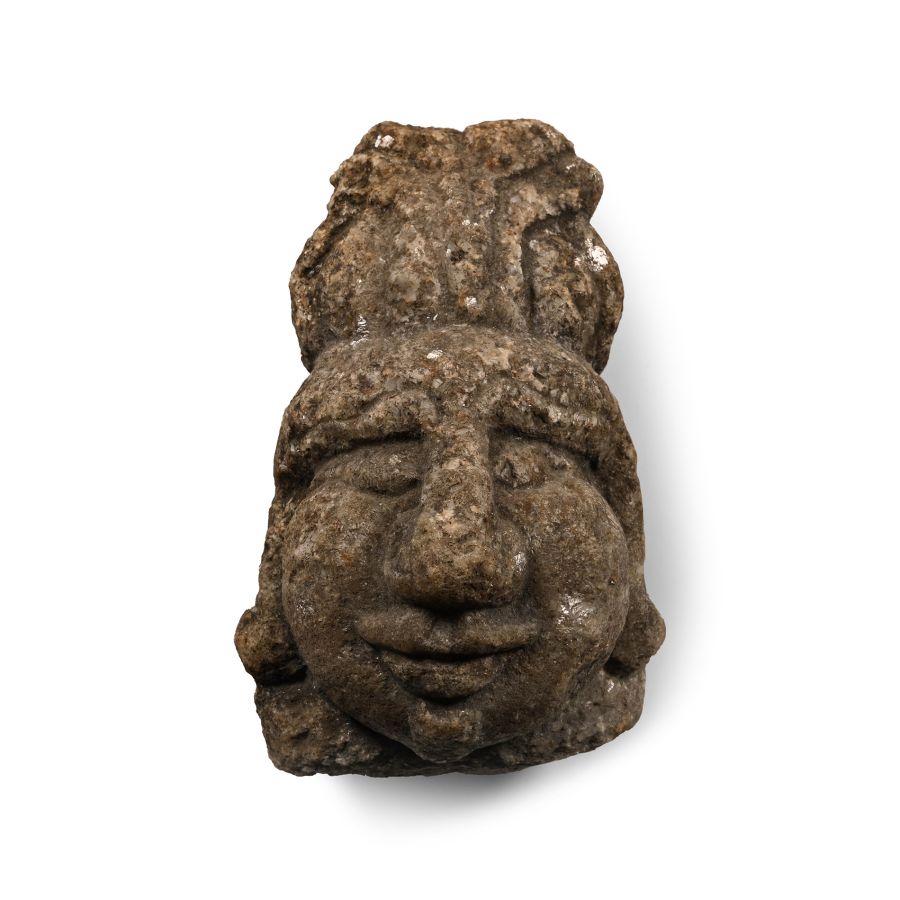
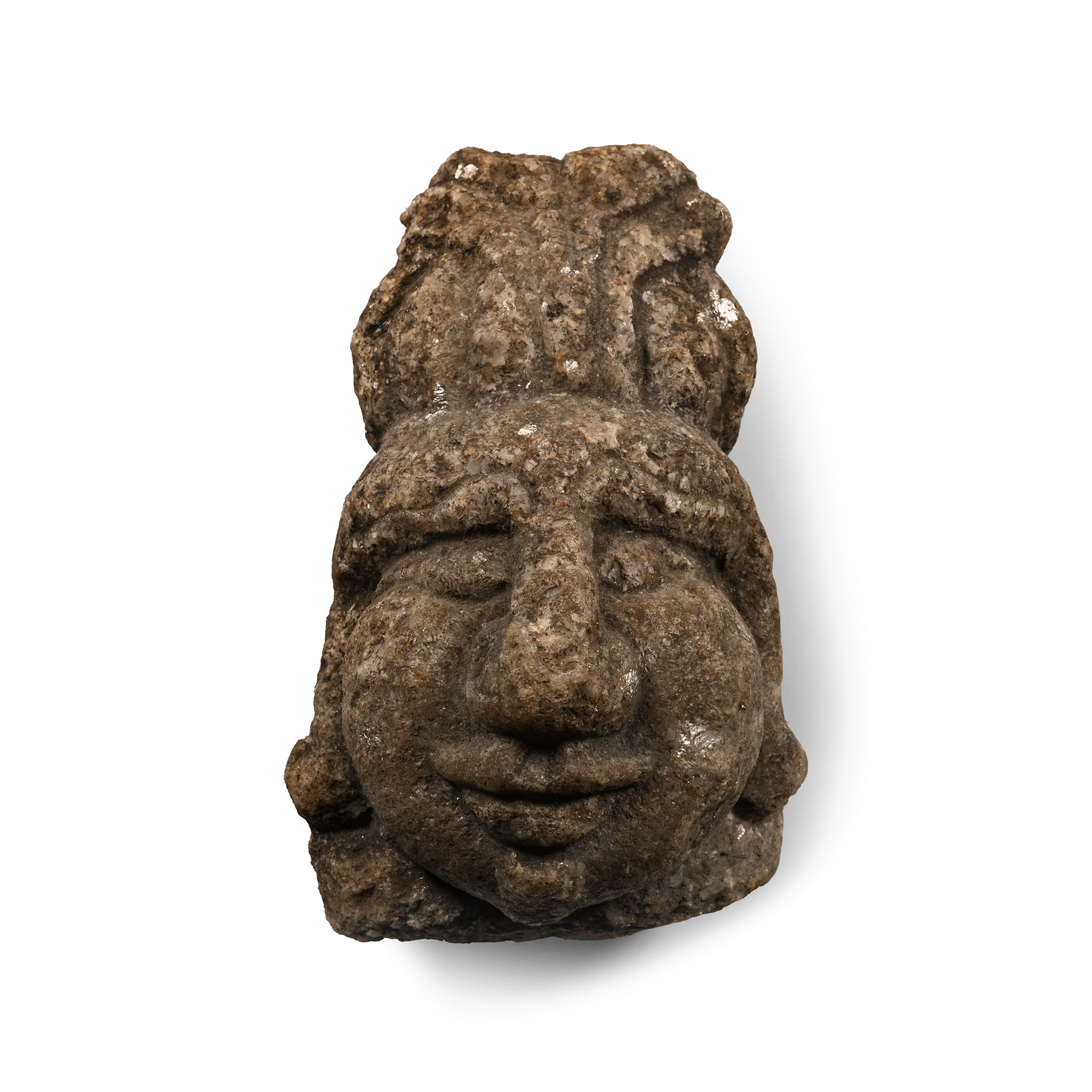
South East Asian Stone Head
20TH CENTURY A.D. OR EARLIER
4 1/2 in. (620 grams, 11.3 cm).
Carved in the round with rounded facial features and exaggerated nose, tall segmented headdress. [No Reserve]
ProvenanceFrom a private Barnsley, UK, family collection.
CONDITIONTimeLine Auctions follows a vetting process to ensure the authenticity and legality of all items, reinforcing our commitment to integrity and responsible trading. Each antiquity, antique, and coin lot undergoes thorough examination by a vetting committee of at least ten external specialists, professional trade association members, scientists, and archaeologists: Our Vetting Process
AUCTIONS:
TimeLine is a leading auction house specialising in antiquities, ancient art, collectables, natural history, coins, medals, and books. Our auctions offer museums, collectors, historians, and enthusiasts the opportunity to acquire unique and historically significant pieces.
-
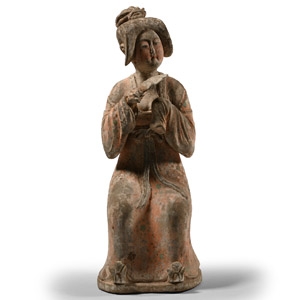
Chinese Tang Terracotta Courtly Lady
Tang Dynasty, 618-907 A.D.Sold for (Inc. bp): £2,080
Seated on a low folding chair, with elaborately dressed hair and blusher on her cheeks, dressed in a draped robe, cloud slippers emerging from beneath the hem; arms raised within the sleeves exposing one delicate hand holding a scallop-shaped fan. 1.4 kg, 29 cm
From a West Country, UK, collection, 1990s. Accompanied by a thermoluminescence analysis report no.C122k21 from Oxford Authentication. This lot has been checked against the Interpol Database of stolen works of art and is accompanied by a search certificate number no.12448-226142. -
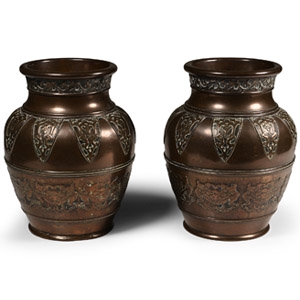
Chinese Bronze Vase Pair
18th-19th century A.D.Estimate: £300 - 400 (+bp*)
Opening Bid: £50
Each a barrel-shaped jar with scrolling decoration, lappets and dragons' heads. 2.66 kg total, 15.5 cm each
From the collection of the famous Eve Clarke. -
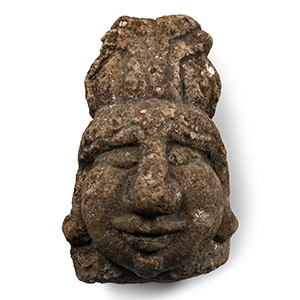
South East Asian Stone Head
20th century A.D. or earlierSold for (Inc. bp): £20
Carved in the round with rounded facial features and exaggerated nose, tall segmented headdress. 620 grams, 11.3 cm
From a private Barnsley, UK, family collection.
