
Loading, please wait...
LOT 2337
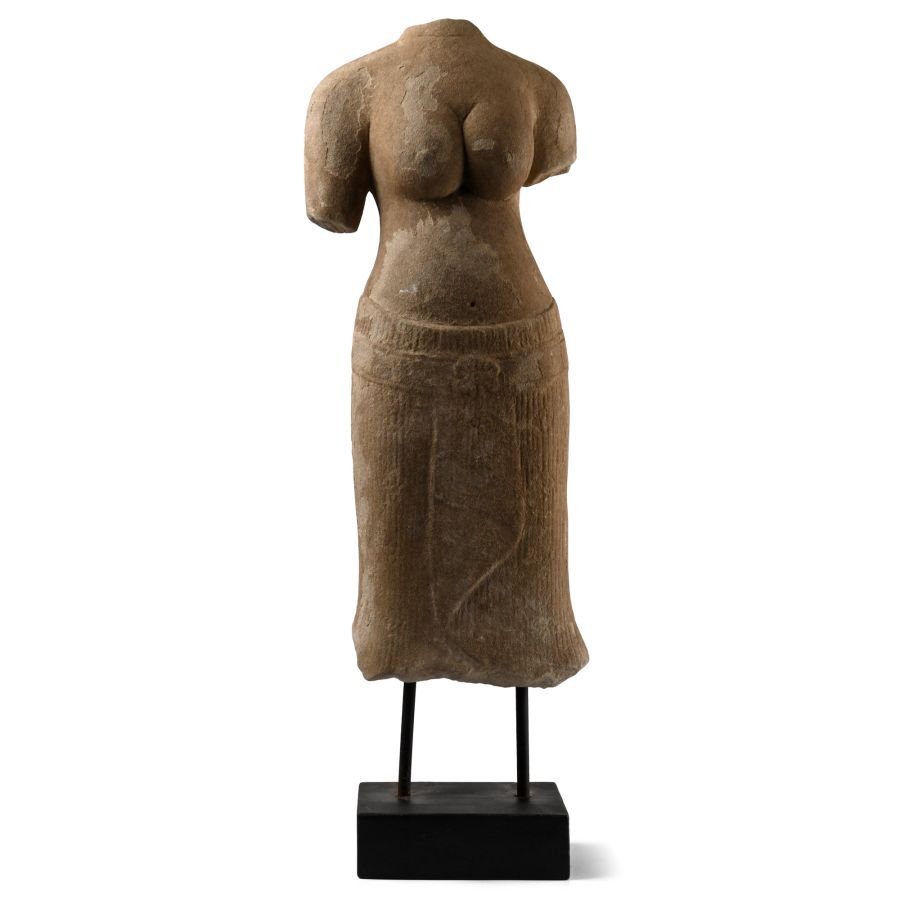
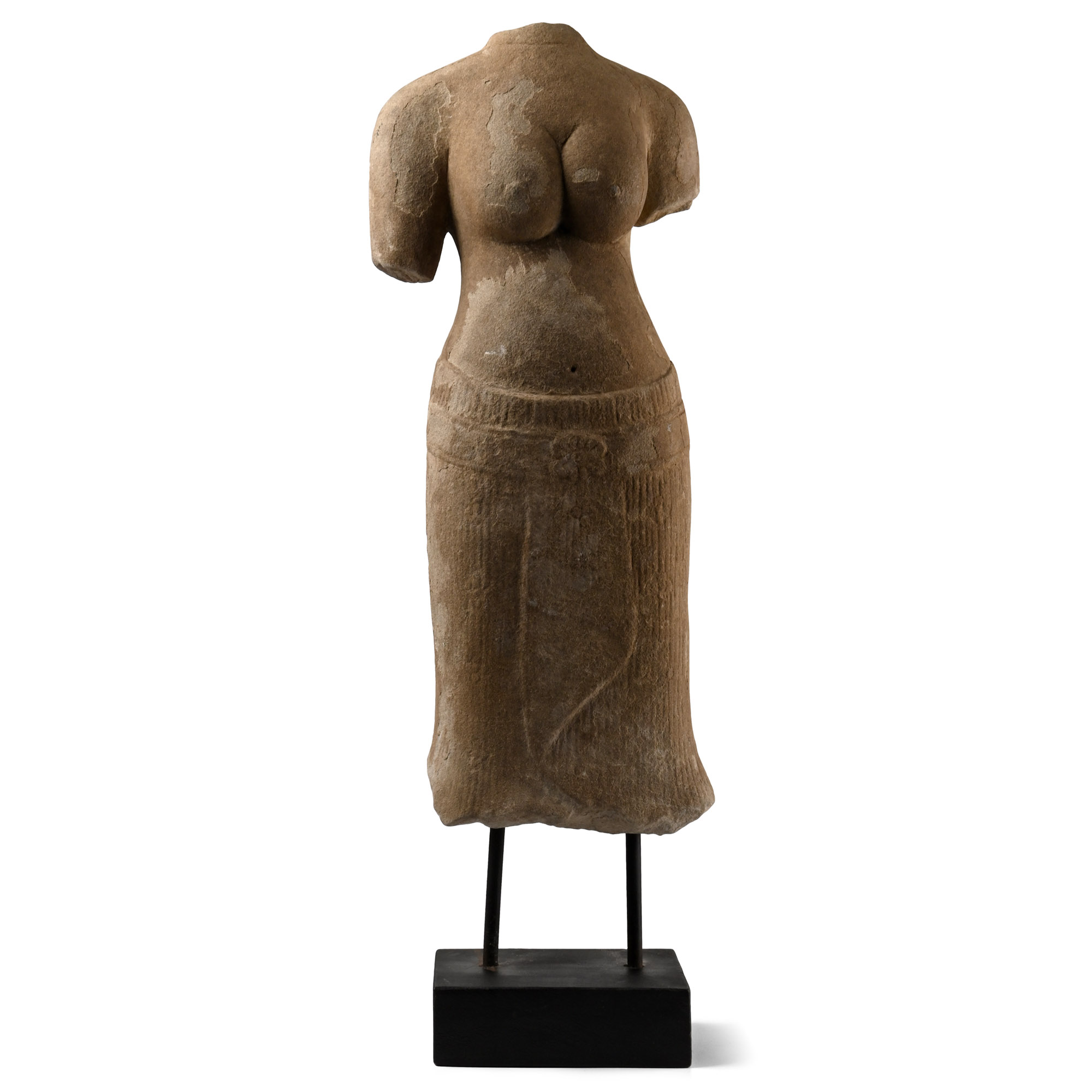
South East Asian Sandstone Statue of the Goddess Lakshmi
KHMER, 10TH-12TH CENTURY A.D.
25 1/2 in. (35.9 kg total, 65 cm including stand).
Standing in samabhanga pose with pleated skirt draped from the hips; mounted on a custom-made display stand. [No Reserve]
ProvenanceAcquired on the UK art market in the 1990s.
From the Dr Ince collection, N.W. London, UK.
This lot is accompanied by an illustrated lot declaration signed by the Head of the Antiquities Department, Dr Raffaele D'Amato.
The deities Parvati, Saraswati and Lakshmi comprise the Tridevi, the holy trinity of goddesses in Hindu tradition. Lakshmi is a goddess of abundance and good fortune for Hindus, Buddhists and Jains. Her broad array of associations made her one of the most important deities and in the guise of Shri, she is considered a goddess personifying a diverse range of talents and powers.
CONDITIONTimeLine Auctions follows a vetting process to ensure the authenticity and legality of all items, reinforcing our commitment to integrity and responsible trading. Each antiquity, antique, and coin lot undergoes thorough examination by a vetting committee of at least ten external specialists, professional trade association members, scientists, and archaeologists: Our Vetting Process
AUCTIONS:
TimeLine is a leading auction house specialising in antiquities, ancient art, collectables, natural history, coins, medals, and books. Our auctions offer museums, collectors, historians, and enthusiasts the opportunity to acquire unique and historically significant pieces.
LOT 2337
South East Asian Sandstone Statue of the Goddess Lakshmi
Sold for (Inc. bp): £2,730
-
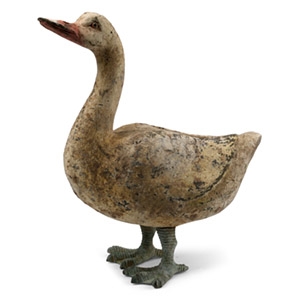
Chinese Han Terracotta Duck with Bronze Feet
Han Dynasty, 206 B.C.-220 A.D. or laterSold for (Inc. bp): £845
Modelled in the round with head erect, painted detailing; separate webbed feet. 1.29 kg, 24.5 cm
Previously from a Hong Kong collection. Ex property of a London, UK, gentleman. This lot is accompanied by an illustrated lot declaration signed by the Head of the Antiquities Department, Dr Raffaele D'Amato. -
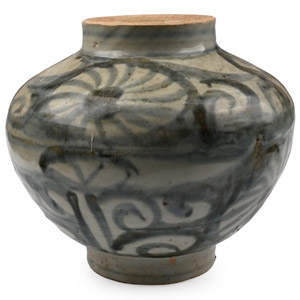
Chinese Yuan Blue and White Peony Jar
16th-17th century A.D.Sold for (Inc. bp): £156
Provincial footed jar with carinated profile, deep shoulder and narrow raised rim, dense floral motifs. 1.95 kg, 18.5 cm
Ex West Country collection, 1990s. This lot is accompanied by an illustrated lot declaration signed by the Head of the Antiquities Department, Dr Raffaele D'Amato. -
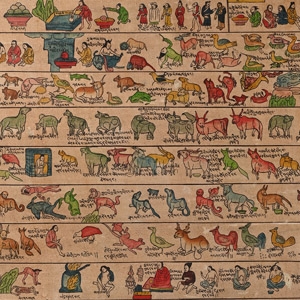
Vintage Tibetan Buddhist Hand-Painted Thangka
Mid 20th century A.D.Sold for (Inc. bp): £33
Painted pane with images of foodstuffs and preparation methods and other detailing, explanatory text and legends. 40 grams, 50 x 35 cm
From the private collection of a Canadian gentleman living in Essex, UK, formed since the 1920s-circa 1990. Property of an Essex lady until the late 1990s; thence by descent. From the private collection of an Essex gentleman since the late 1990s. This lot is accompanied by an illustrated lot declaration signed by the Head of the Antiquities Department, Dr Raffaele D'Amato.
