
Loading, please wait...
_900x900.jpg "South Arabian Alabaster Male Head")
_200x200.jpg "South Arabian Alabaster Male Head")
.jpg "South Arabian Alabaster Male Head")
LOT 0190
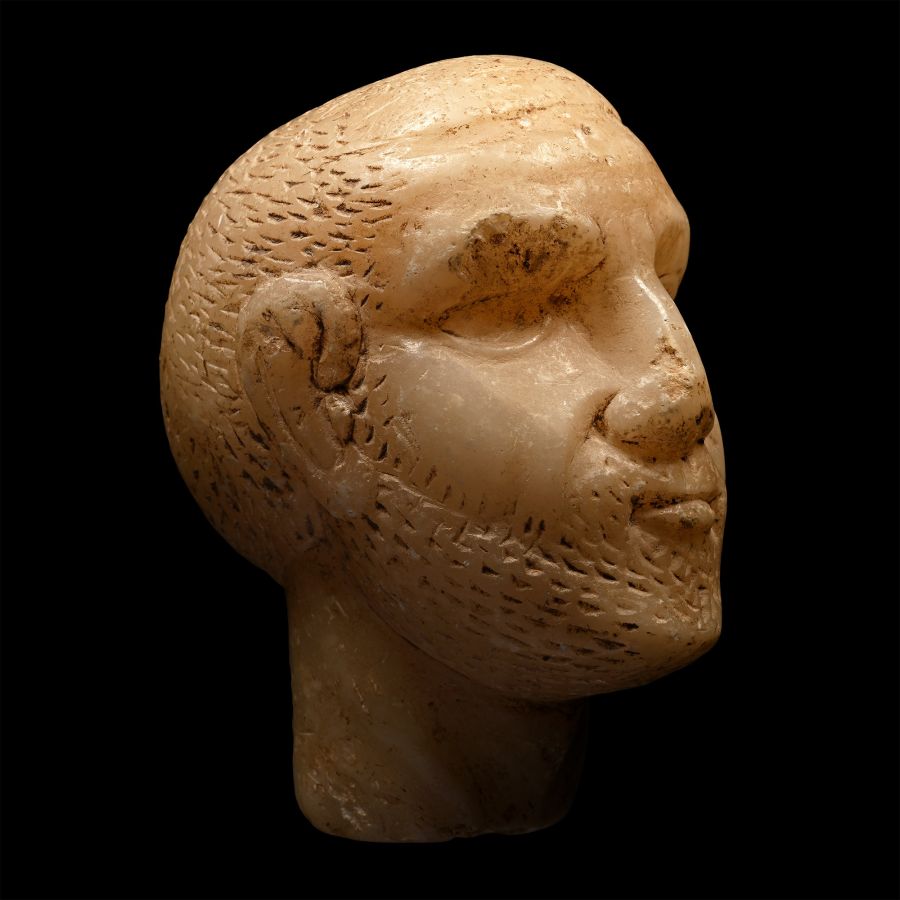
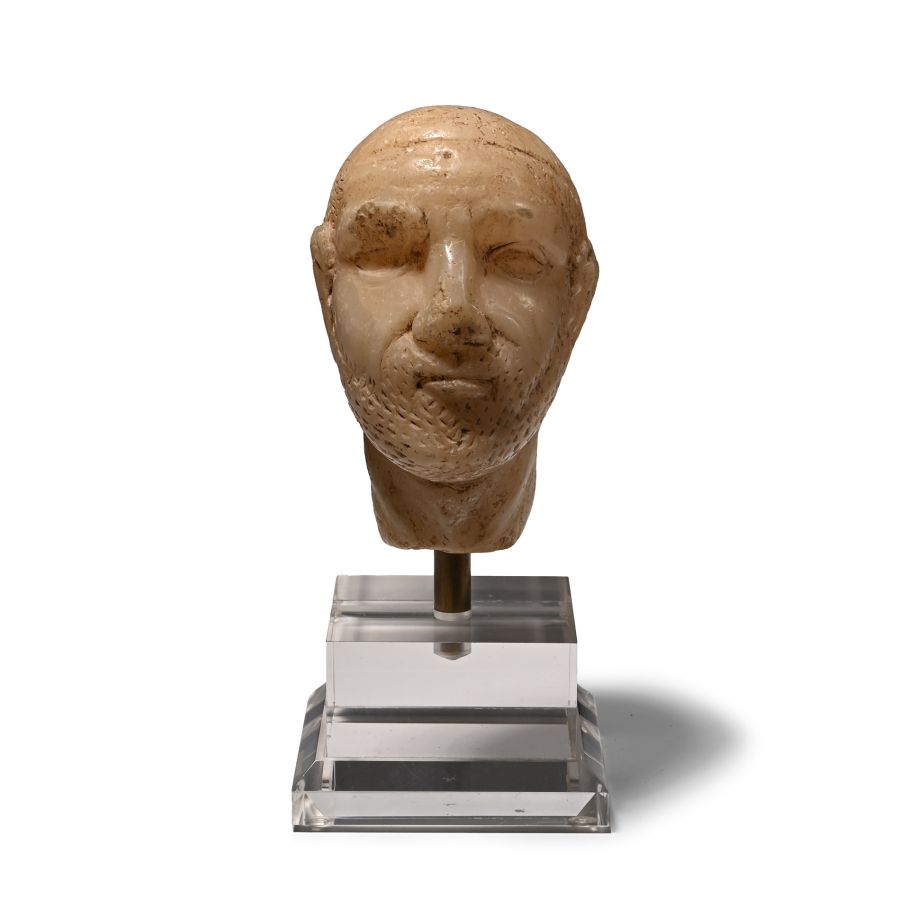
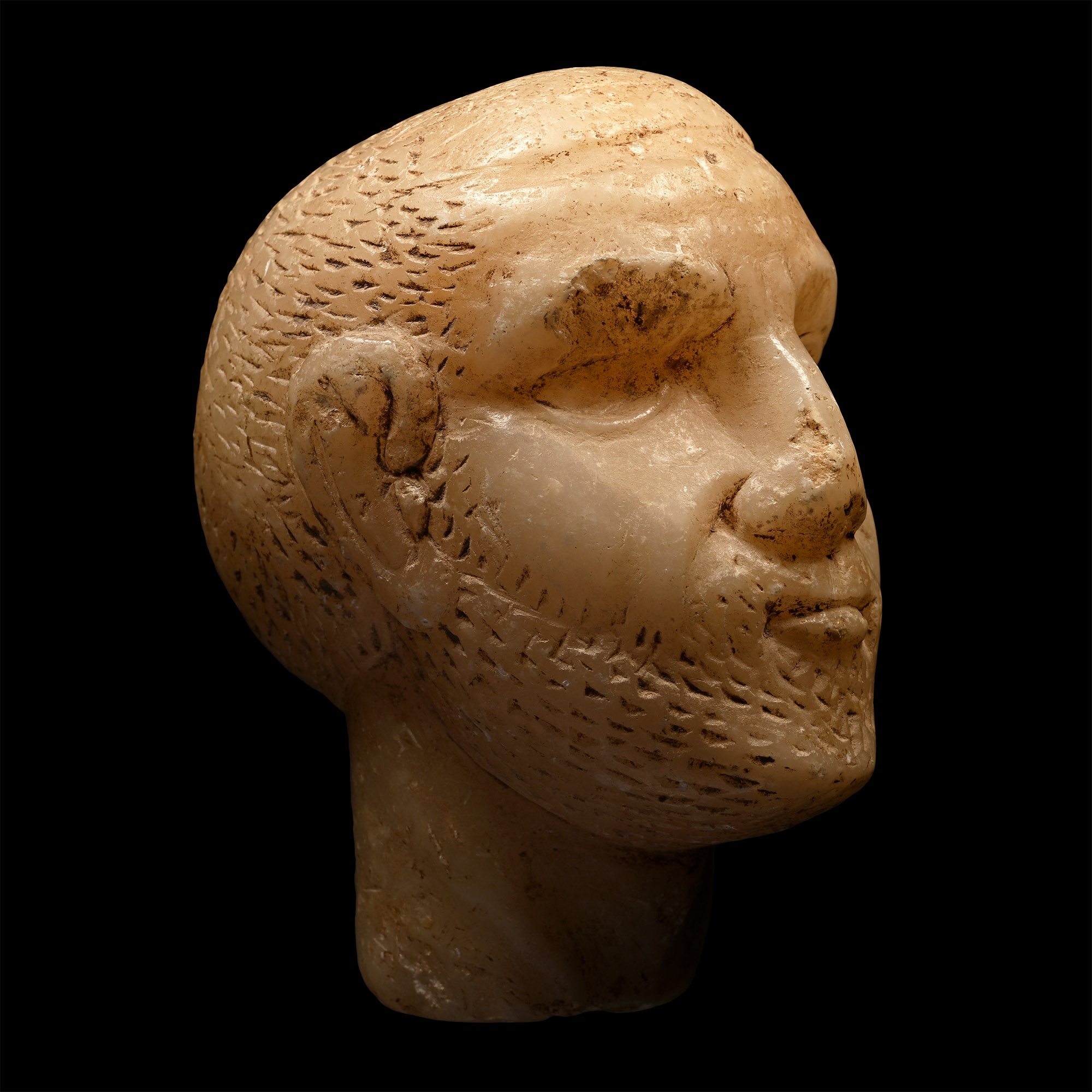
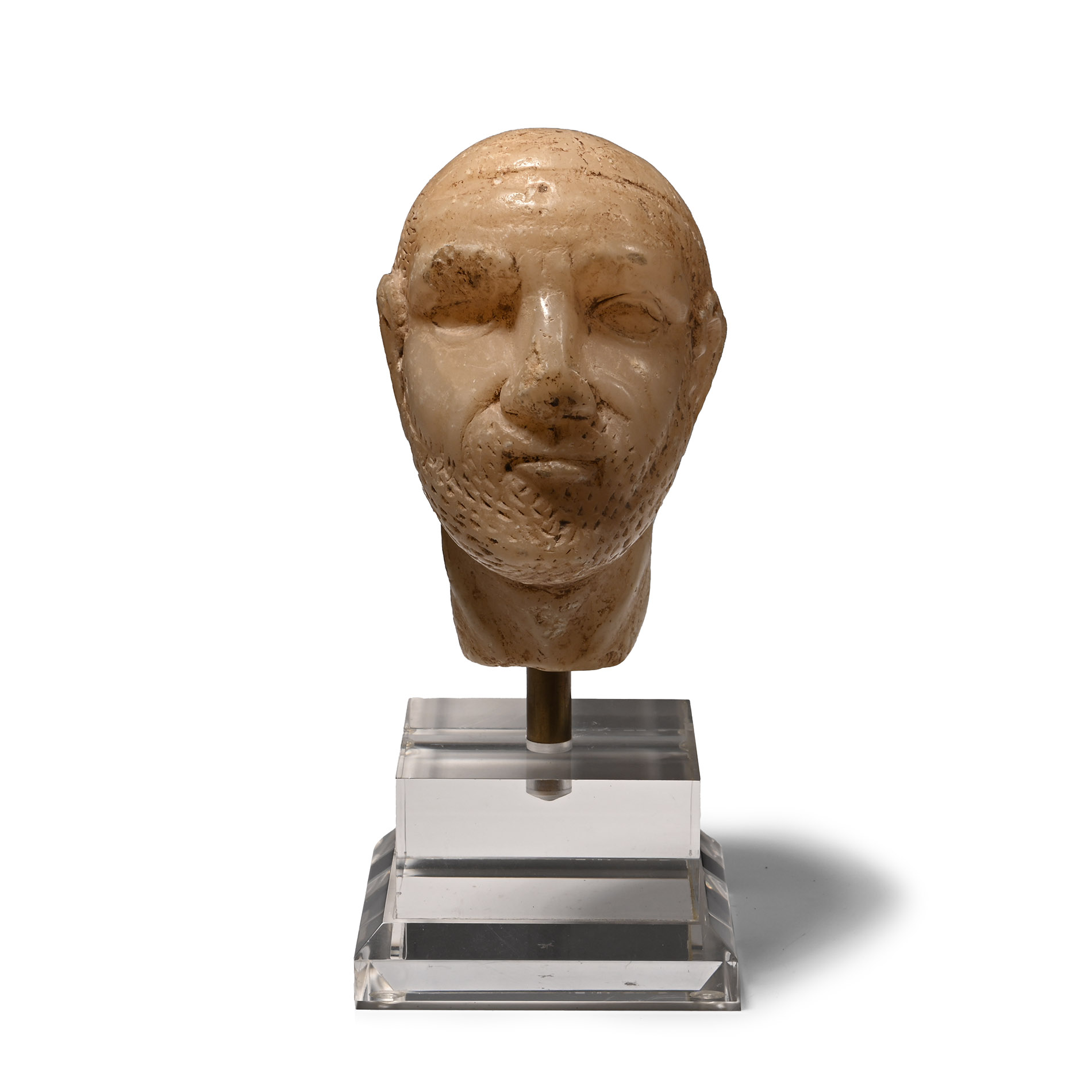
South Arabian Alabaster Male Head
LATE 2ND-3RD CENTURY A.D.
7 in. (1.17 kg total, 18 cm high including stand).
Carved in the round with deep-set eyes and broad aquiline nose; hair and short beard modelled with stippled surface; slender neck; mounted on a custom-made display stand.
ProvenanceFormerly private European collection.
with Christie's, New York, 7 December 1995, no.116.
This lot has been checked against the Interpol Database of stolen works of art and is accompanied by a search certificate number no.12262-222127.
This lot has been cleared against the Art Loss Register database, and is accompanied by an illustrated lot declaration signed by the Head of the Antiquities Department, Dr Raffaele D'Amato.
TimeLine Auctions follows a vetting process to ensure the authenticity and legality of all items, reinforcing our commitment to integrity and responsible trading. Each antiquity, antique, and coin lot undergoes thorough examination by a vetting committee of at least ten external specialists, professional trade association members, scientists, and archaeologists: Our Vetting Process
AUCTIONS:
TimeLine is a leading auction house specialising in antiquities, ancient art, collectables, natural history, coins, medals, and books. Our auctions offer museums, collectors, historians, and enthusiasts the opportunity to acquire unique and historically significant pieces.
LOT 0190
South Arabian Alabaster Male Head
Estimate £4,500 - 5,500€5,220 - 6,380 (for guidance only)$6,080 - 7,430 (for guidance only)
-
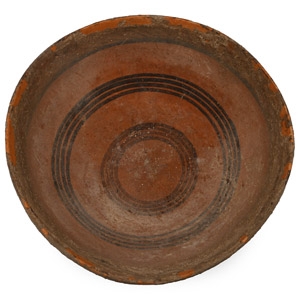
Bronze Age Bichrome Terracotta Bowl
2nd-1st millennium B.C.Sold for (Inc. bp): £91
Broad and squat with concentric painted rings in two bands to the inner face. 625 grams, 22.5 cm wide
Ex property of a London, UK, gentleman, 1990s. This lot has been cleared against the Art Loss Register database, and is accompanied by an illustrated lot declaration signed by the Head of the Antiquities Department, Dr Raffaele D'Amato. -
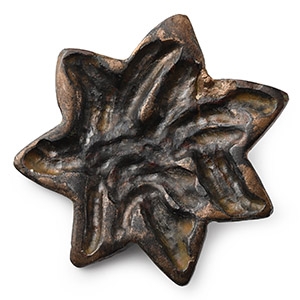
West Central Asian Bronze Star-Shaped Stamp Seal
Circa 2300-2000 B.C.Sold for (Inc. bp): £117
With segmented face and pierced lug handle; accompanied by an old scholarly note, typed and signed by W.G. Lambert, late Professor of Assyriology, University of Birmingham, 1970-1993, which states: ' Stamp Seal of Bronze. 39x41x8 mm. This has the shape of a seven-pointed star marked on the convex back as if seven petals around the central loop handle. The face is flat and has a design engraved into it. The interpretation of the design is not completely sure, but it seems to involve an eagle, perhaps carrying off prey. This comes from west central Asia and dates to c. 2300-2000 B.C. It is a rare type and the design is fascinating. The metal has been conserved and the piece is in very good condition.' 18.5 grams, 41 mm
From the collection of the late Mr S, 1970-1990s. Accompanied by an original typed and signed scholarly note by the late W.G. Lambert, Professor of Assyriology at the University of Birmingham, 1970-1993. This lot has been cleared against the Art Loss Register database, and is accompanied by an illustrated lot declaration signed by the Head of the Antiquities Department, Dr Raffaele D'Amato. -
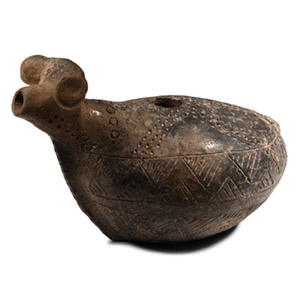
Anatolian Terracotta Ram Rhyton
19th-18th century B.C.Estimate: £2,500 - 3,500 (‡+bp*)
Opening Bid: £1,389
Ovoid in plan with ram-head finial and spout, filling-hole to the centre back and stub tail forming a handle; hatched panels to the sidewall with reserved running zigzag, radiating bands of impressed point ornament, head with forward-facing curled horns. 578 grams, 20.5 cm
with Artemis gallery, Münich. Acquired by the present owner from the above in 1992. This lot has been checked against the Interpol Database of stolen works of art and is accompanied by a search certificate number no.12260-222201. This lot has been cleared against the Art Loss Register database, and is accompanied by an illustrated lot declaration signed by the Head of the Antiquities Department, Dr Raffaele D'Amato.
