
Loading, please wait...
LOT 1044
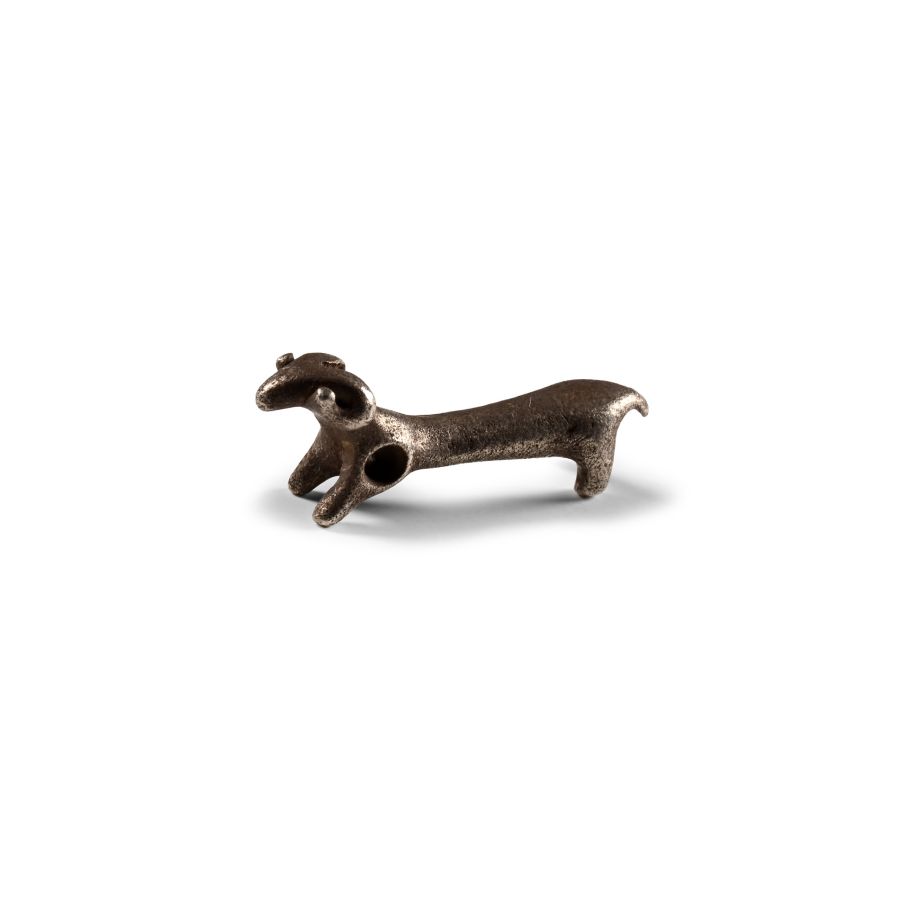
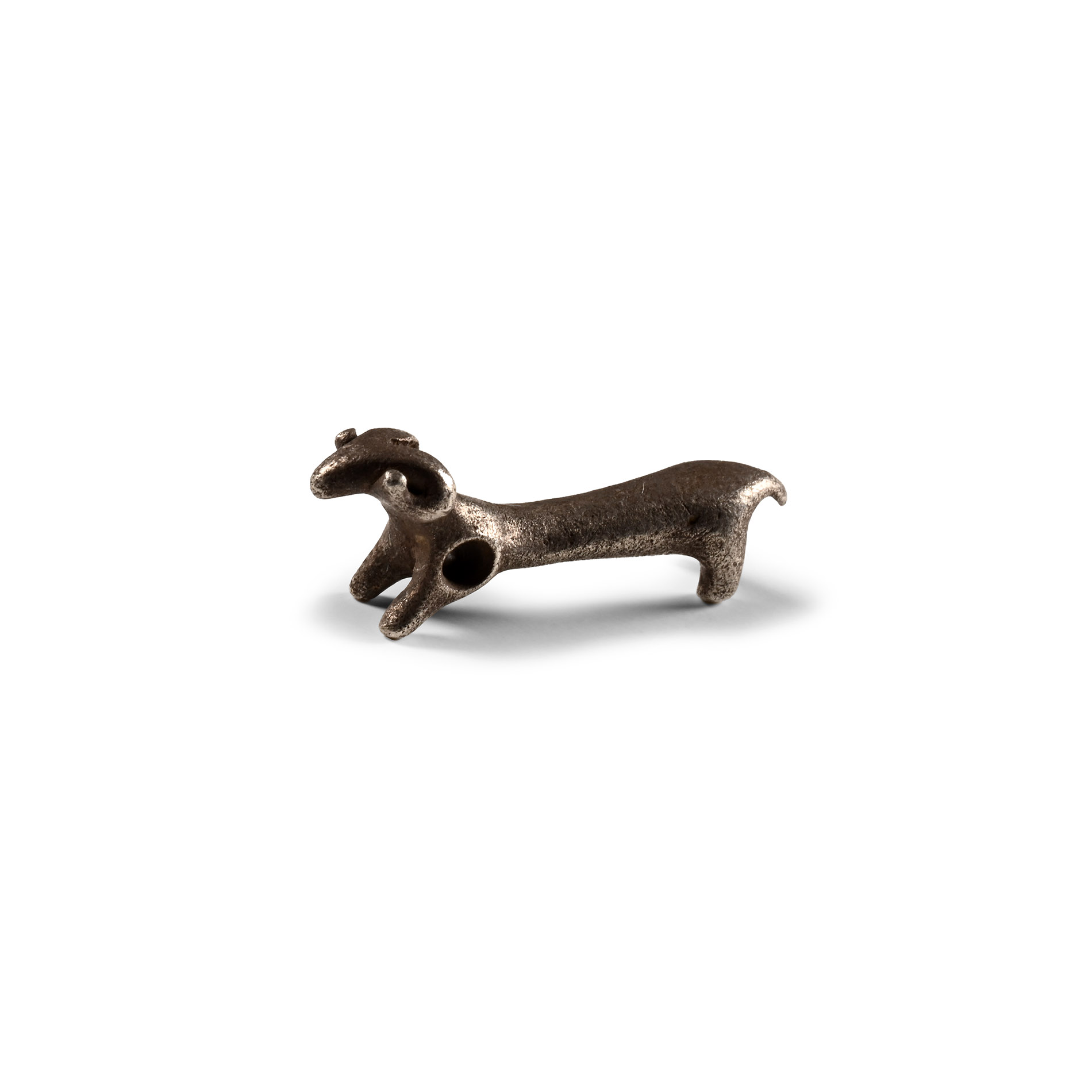
Silver Ram Amulet
MID 1ST MILLENNIUM B.C.
1 in. (3.26 grams, 27 mm).
Modelled in the round, displaying anatomical detailing including curled horns, pieced for suspension.
Provenance‘The Ancient Menagerie Collection’ formerly the property of a Cambridgeshire lady, collected since the 1990s and acquired from auctions and dealers throughout Europe and the USA, now ex London collection.
CONDITIONTimeLine Auctions follows a vetting process to ensure the authenticity and legality of all items, reinforcing our commitment to integrity and responsible trading. Each antiquity, antique, and coin lot undergoes thorough examination by a vetting committee of at least ten external specialists, professional trade association members, scientists, and archaeologists: Our Vetting Process
AUCTIONS:
TimeLine is a leading auction house specialising in antiquities, ancient art, collectables, natural history, coins, medals, and books. Our auctions offer museums, collectors, historians, and enthusiasts the opportunity to acquire unique and historically significant pieces.
-
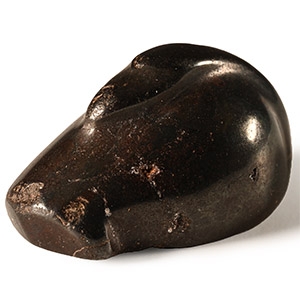
Neo-Babylonian Haematite Duck Weight
Circa 7th-6th century B.C.Sold for (Inc. bp): £338
Polished and modelled with its head resting along its back and with simple, stylised detailing. 8.7 grams, 22 mm
Ex Simmons Gallery, London E11, UK, in the 1990s. From a North London collection. -
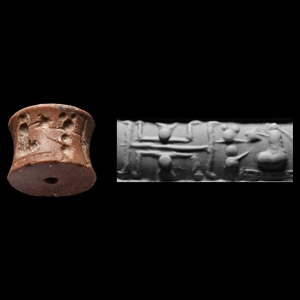
Western Asiatic Jasper Cylinder Seal with Seated Figures
Circa 3rd millennium B.C.Sold for (Inc. bp): £286
Cotton-reel type with drilled frieze of serpents, seated figures and other items. 13.6 grams, 22 mm
Acquired 1970s-1996. Property of a North American collector, collection no.070. London collection, 2016. -
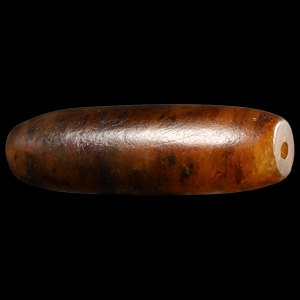
Large Western Asiatic Agate Bead
1st millennium B.C.Sold for (Inc. bp): £234
Polished with an amber-coloured appearance; drilled for suspension. 12.9 grams, 43 mm
From a family collection formed 1900-1950; by descent circa 1980.
