
Loading, please wait...
LOT 2084
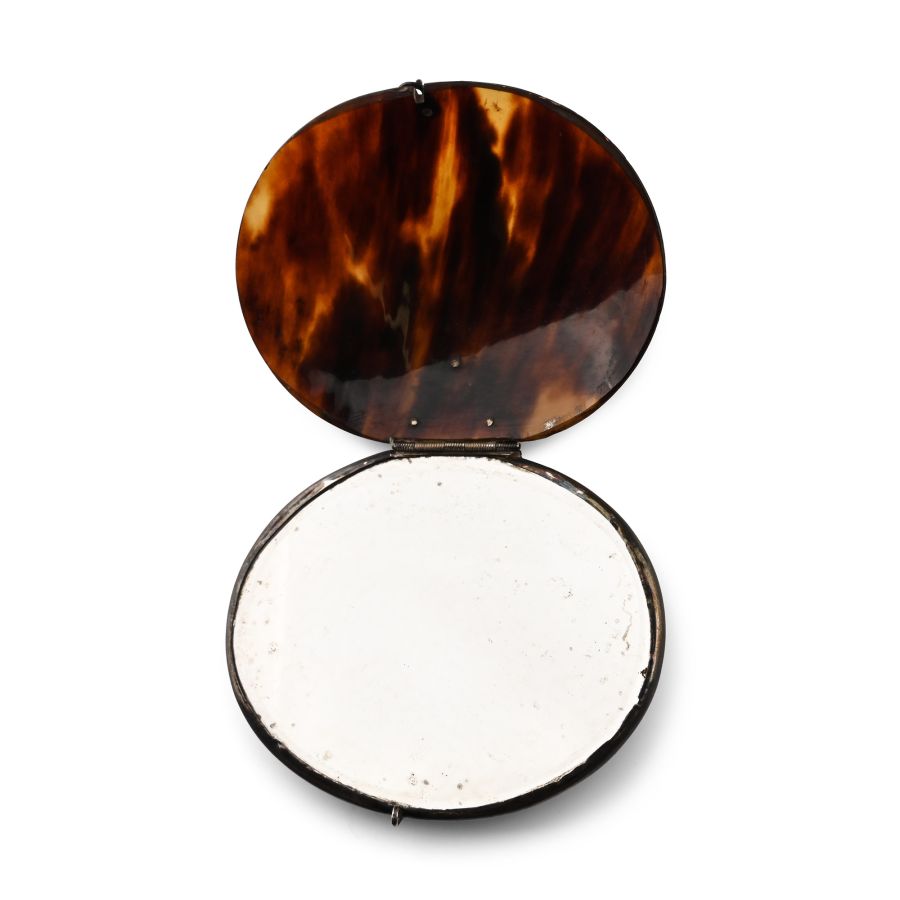
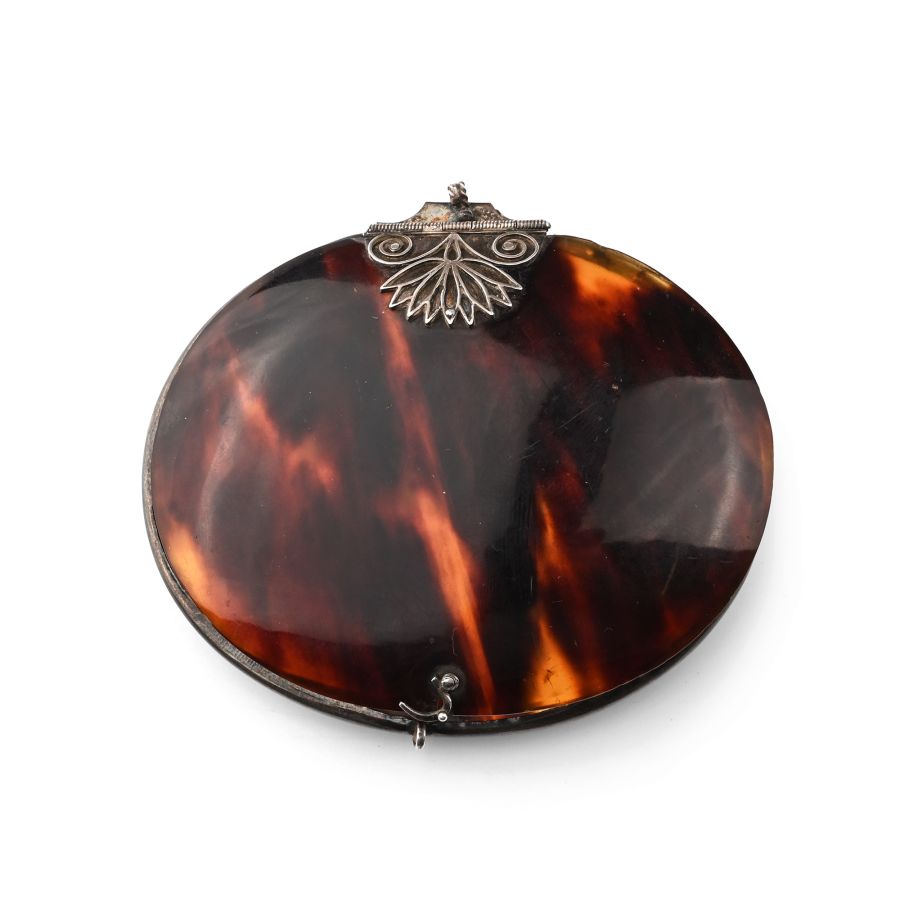
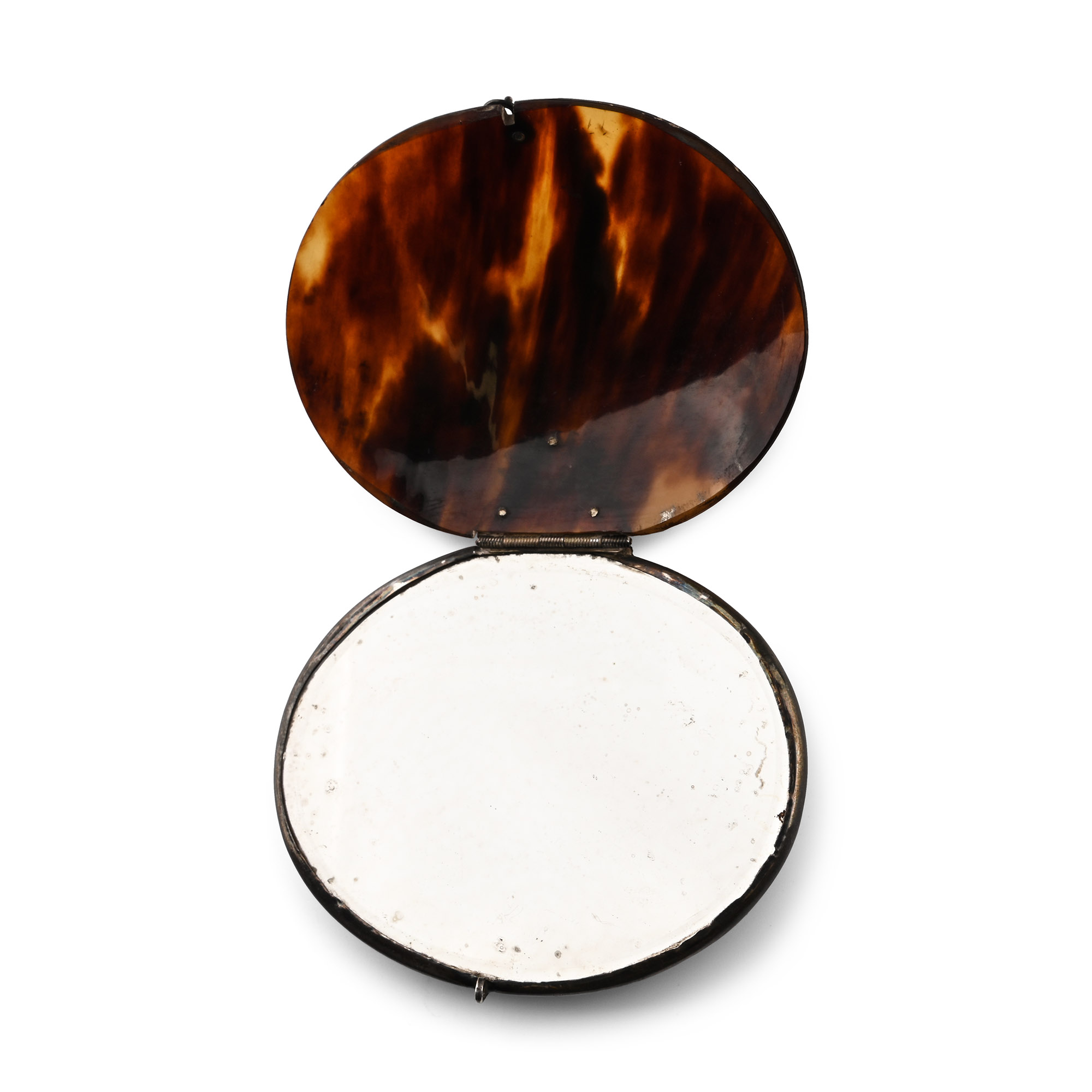
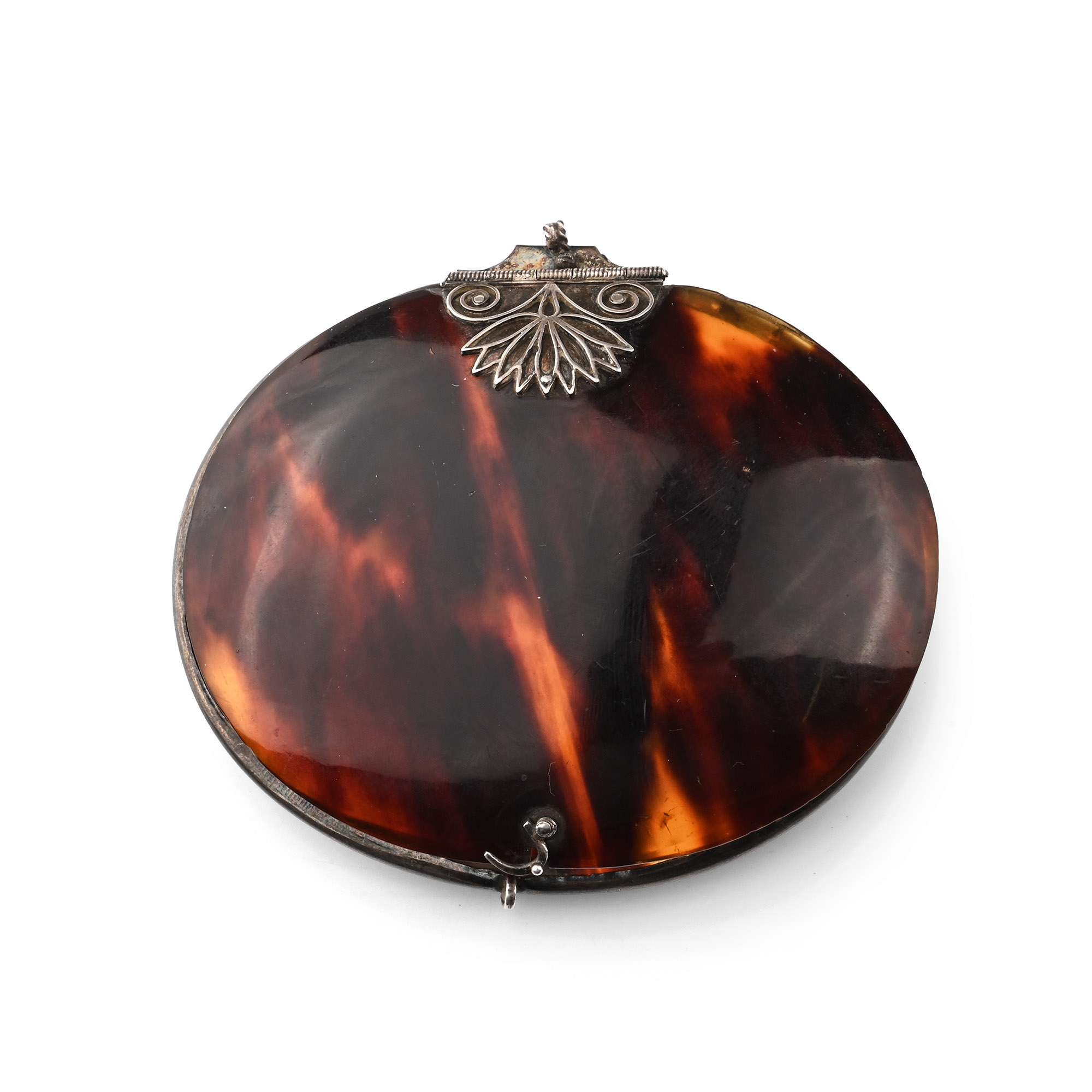
Silver-Mounted Shell Travelling Mirror
DUTCH COLONIAL, 17TH CENTURY A.D.
3 3/8 in. (56.2 grams, 86 mm).
Discoid mirror set in a silver frame and a polished shell case, secured with a silver flower-and-scroll mount and a small hook.
ProvenancePrivate collection, Europe.
Acquired on the English art market.
TimeLine Auctions follows a vetting process to ensure the authenticity and legality of all items, reinforcing our commitment to integrity and responsible trading. Each antiquity, antique, and coin lot undergoes thorough examination by a vetting committee of at least ten external specialists, professional trade association members, scientists, and archaeologists: Our Vetting Process
AUCTIONS:
TimeLine is a leading auction house specialising in antiquities, ancient art, collectables, natural history, coins, medals, and books. Our auctions offer museums, collectors, historians, and enthusiasts the opportunity to acquire unique and historically significant pieces.
LOT 2084
Silver-Mounted Shell Travelling Mirror
Estimate £350 - 450€410 - 520 (for guidance only)$470 - 610 (for guidance only)
-
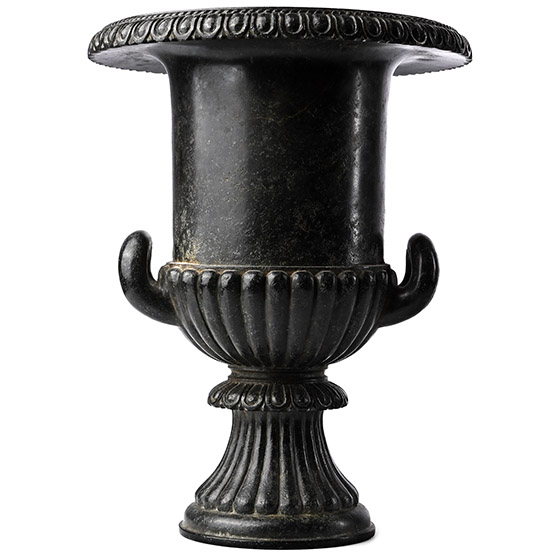
Neoclassical Roman Style Stone Krater
18th century A.D.Sold for (Inc. bp): £468
Comprising a cylindrical body and bell-shaped mouth with egg-and-dart detailing to the rim; segmented lower body with round-section strap handle; lotus-flower foot. 2.92 kg, 27.2 cm
Swiss private collection. Ex Herman Feldermann, Frankfurt, Germany, prior to 1985. Private collection, UK. -
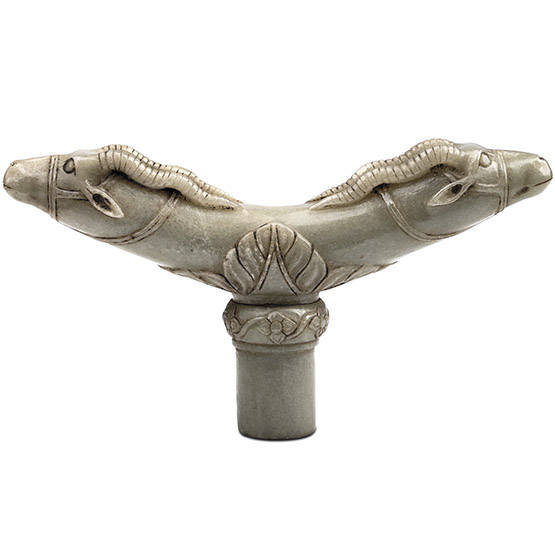
Indian Carved Jade Ibex-Headed Walking Stick Handle
Late 20th-21st century A.D.Sold for (Inc. bp): £416
Carved in the round with addorsed ibex heads, each with integral bridle, lotus flower at the junction above a floral collar and tubular stem. 243 grams, 15.5 cm
Private collection, UK. -
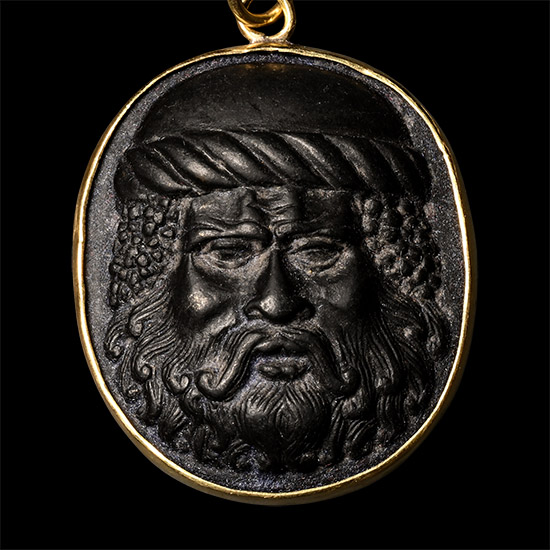
Gold Pendant with Glass Head
19th century A.D.Estimate: £600 - 800 (+bp*)
Opening Bid: £300
In low-relief, facing bust with braided band to his brow and bunch of grapes to each temple. 11.5 grams, 44 mm
Private collection, Europe. Acquired on the English art market.
