
Loading, please wait...
LOT 1411
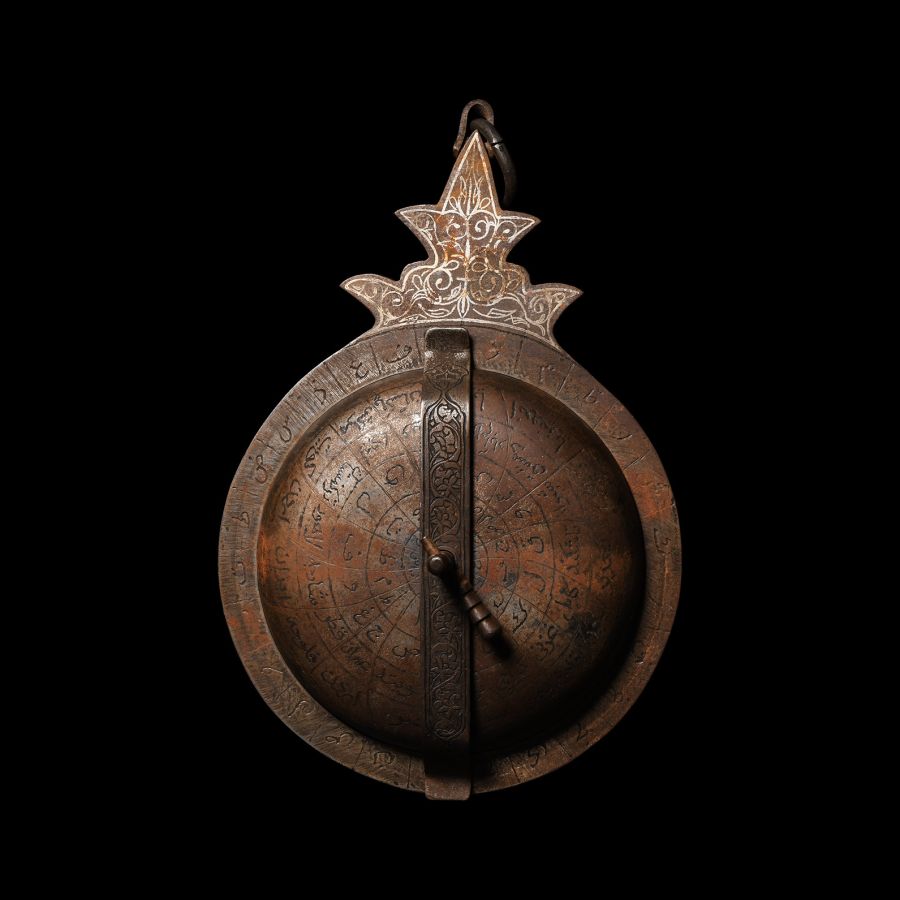
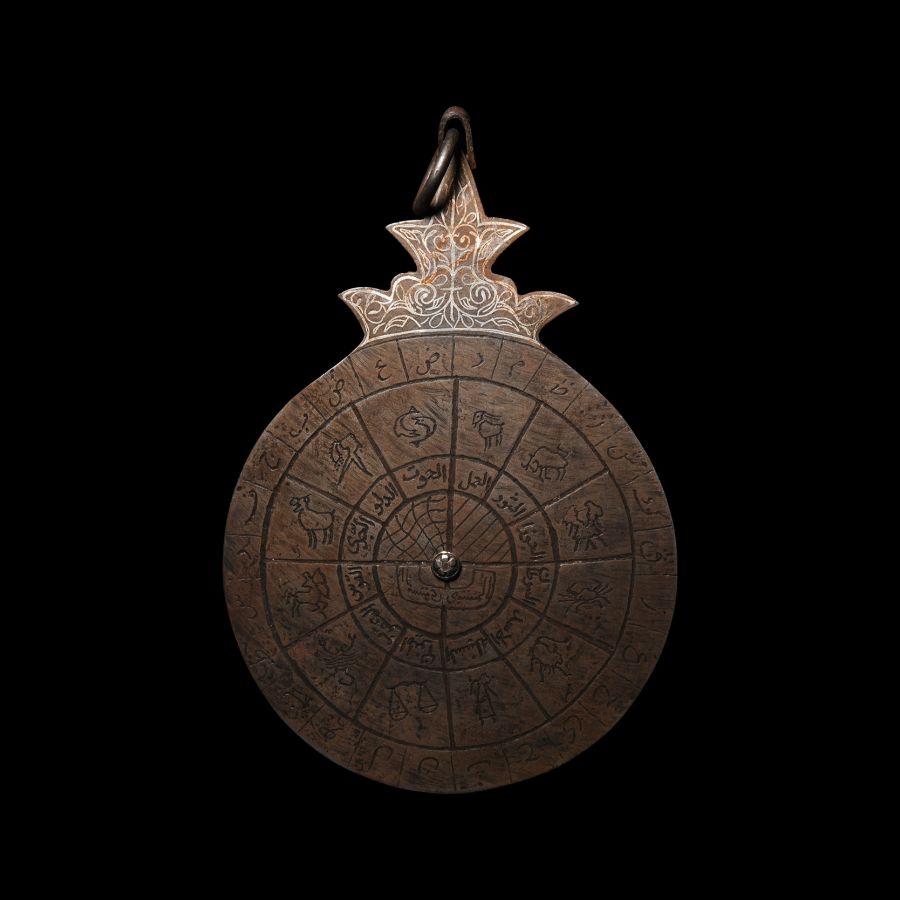
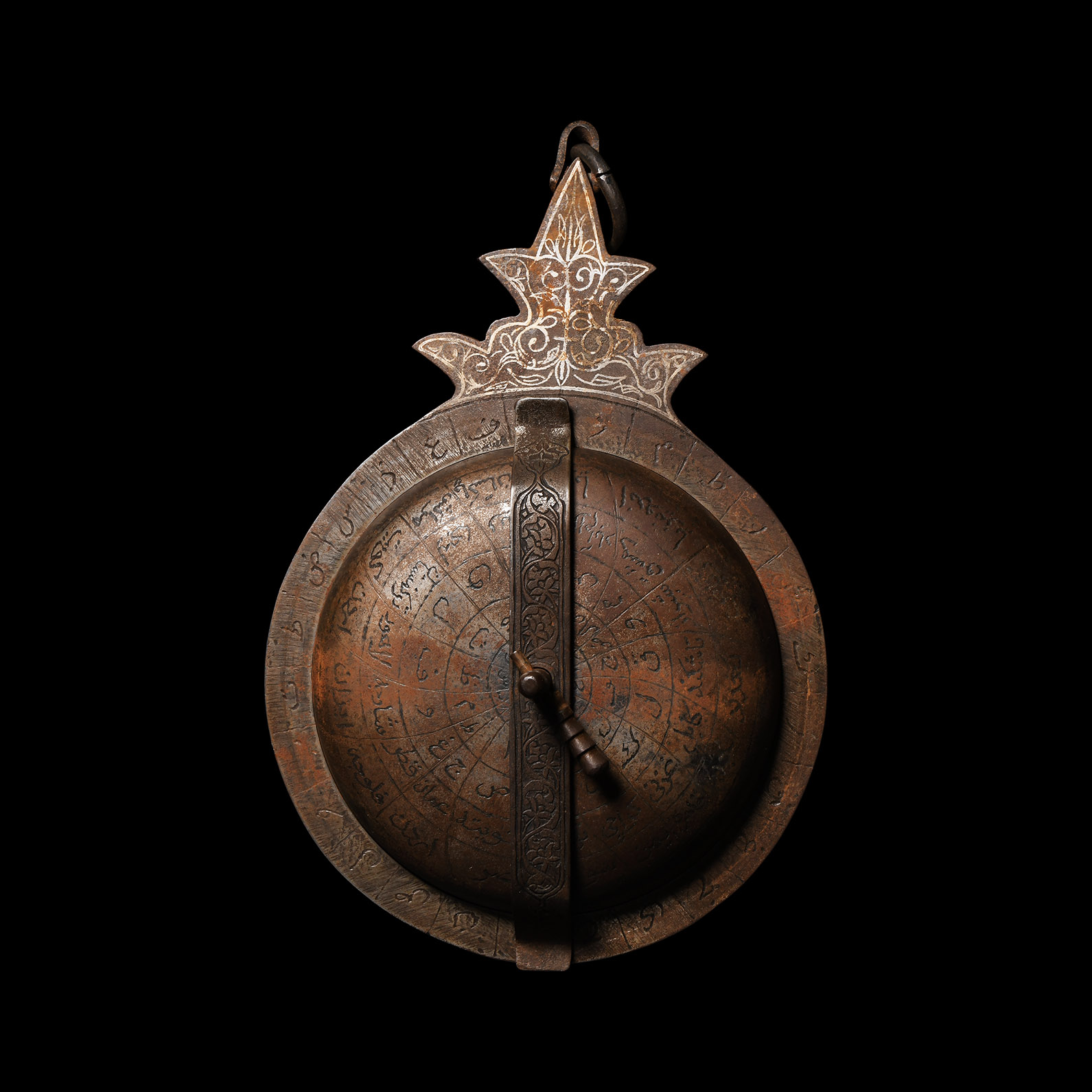
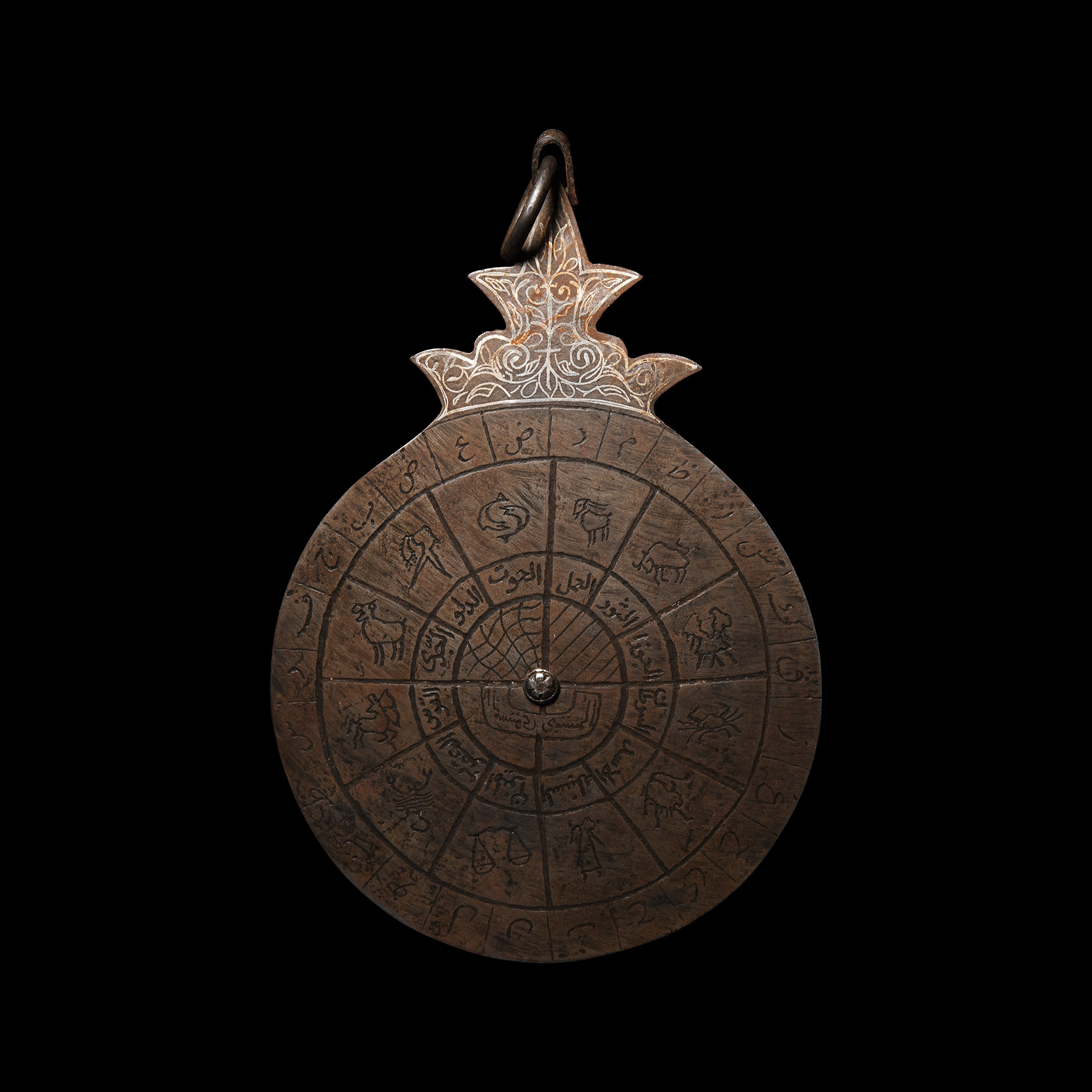
Silver Inlaid Astrolabe
20TH CENTURY A.D.
8 3/4 in. (1.08 kg, 22.5 cm high).
A base metal astrolabe, discoid with silver-inlaid zodiac to the reverse, domed obverse with numerals and text to the dome, removable cover with retaining bar, axle and cotter pin. [No Reserve]
ProvenanceAcquired 1998.
UK private collection.
TimeLine Auctions follows a vetting process to ensure the authenticity and legality of all items, reinforcing our commitment to integrity and responsible trading. Each antiquity, antique, and coin lot undergoes thorough examination by a vetting committee of at least ten external specialists, professional trade association members, scientists, and archaeologists: Our Vetting Process
AUCTIONS:
TimeLine is a leading auction house specialising in antiquities, ancient art, collectables, natural history, coins, medals, and books. Our auctions offer museums, collectors, historians, and enthusiasts the opportunity to acquire unique and historically significant pieces.
-
Grand Tour Relief with Satyrs
18th-19th century A.D.Estimate: £4,000 - 6,000 (+bp*)
Opening Bid: £2,000
A satyr Bacchus themed plaque featuring a nude woman and child with goat's legs and hooves, set in a formal landscape, the child holding bunches of grapes, a bearded male figure dressed in animal skins beside them; wax seal applied to the reverse; mounted on a custom-made display stand. 5.7 kg total, 37 cm high including stand
English private collection. This lot has been checked against the Interpol Database of stolen works of art and is accompanied by search certificate number no.11685-199804.
Possibly loosely based on C.M. Clodion's works. -
Limestone Madonna and Child Statue
Circa 16th century A.D.Sold for (Inc. bp): £546
A carved volcanic tuff figurine of Mary standing holding the infant Jesus. 1.5 kg, 26.5 cm high
From Southern Europe. Acquired 1970s onwards. Private collection of Michael O'Hara (d. 2021), Cambridgeshire, UK. -
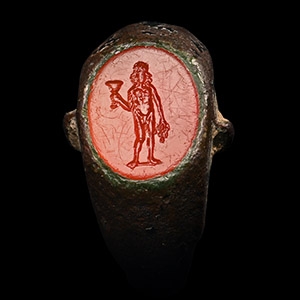
Ring with Standing Figure Gemstone
Circa 17th century A.D.Sold for (Inc. bp): £117
A copper-alloy ring with expanding arms and raised triangular knop to two faces, set with a carnelian intaglio gemstone engraved with a standing nude male figure holding a bunch of grapes and a goblet, possibly representing the god of wine. 9.25 grams, 26.43 mm overall, 17.76 mm internal diameter (approximate size British O 1/2, USA 7 1/4, Europe 15.61, Japan 15)
Acquired in the late 1990s-2000. Property of an East London gentleman.
