
Loading, please wait...
LOT 0731
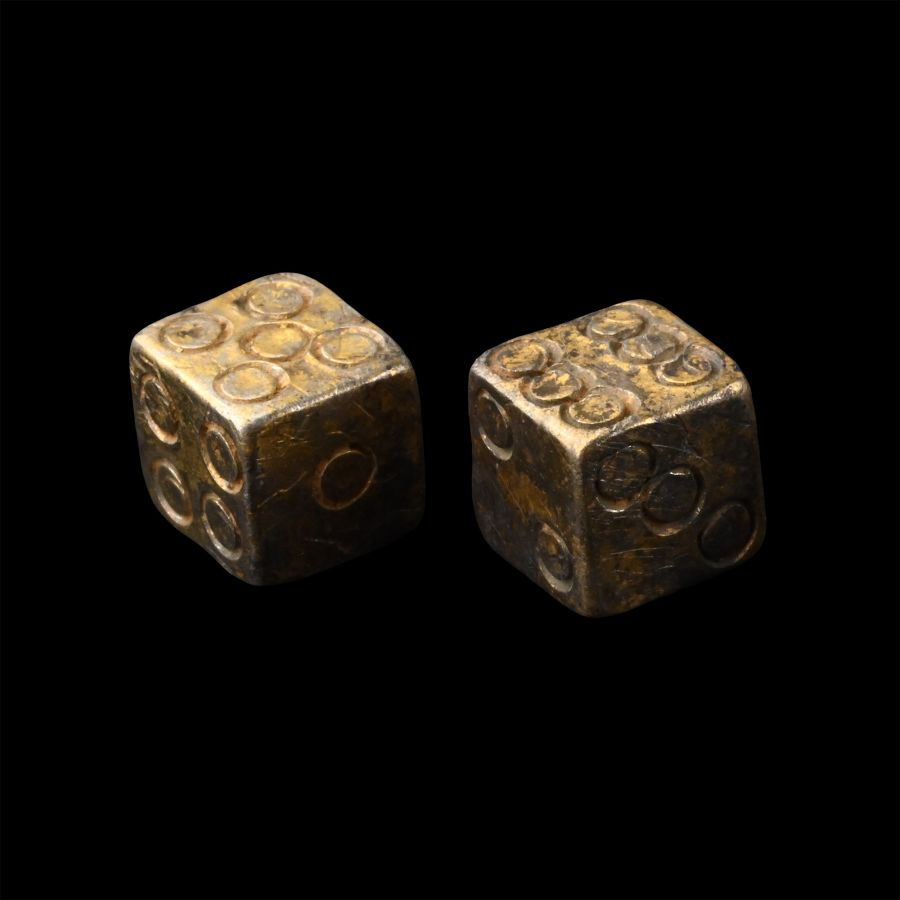
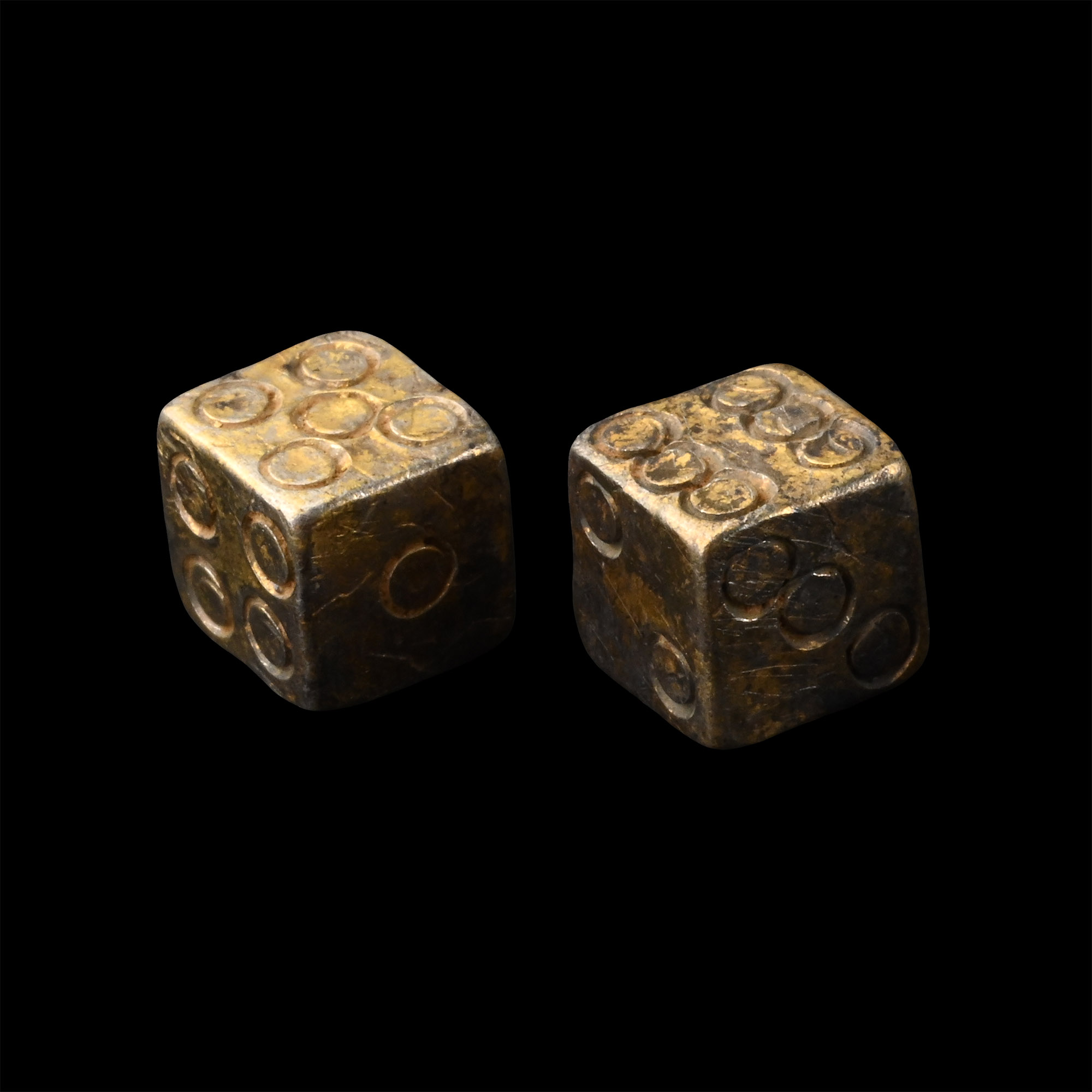
Silver-Gilt Gaming Dice Pair
ROMAN, 1ST-4TH CENTURY A.D. OR LATER
3/8 in. (8.63 grams total, 8 mm each).
Each cuboid with punched rings disposed 1:6, 2:4, 3:5. [2]
ProvenanceEx German art market, 2000s.
Acquired from an EU collector living in London.
From the collection of a Surrey, UK, gentleman.
This lot is accompanied by an illustrated lot declaration signed by the Head of the Antiquities Department, Dr Raffaele D'Amato.
TimeLine Auctions follows a vetting process to ensure the authenticity and legality of all items, reinforcing our commitment to integrity and responsible trading. Each antiquity, antique, and coin lot undergoes thorough examination by a vetting committee of at least ten external specialists, professional trade association members, scientists, and archaeologists: Our Vetting Process
AUCTIONS:
TimeLine is a leading auction house specialising in antiquities, ancient art, collectables, natural history, coins, medals, and books. Our auctions offer museums, collectors, historians, and enthusiasts the opportunity to acquire unique and historically significant pieces.
-
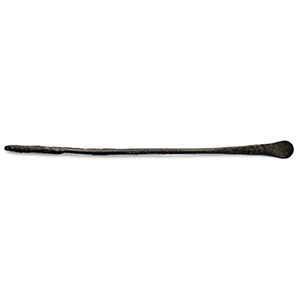
Roman Bronze Medical Spoon
1st-4th century A.D.Sold for (Inc. bp): £65
Comprising a round-section shank and flat tapering head with shallow bowl. 10 grams, 15.5 cm
Acquired on the UK art market during the late 20th century. From the private collection of David King (1940-2024), Hoddesdon, Hertfordshire, UK. This lot is accompanied by an illustrated lot declaration signed by the Head of the Antiquities Department, Dr Raffaele D'Amato. -
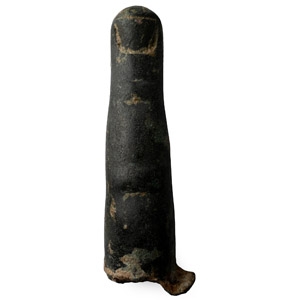
Life-Size Roman Bronze Finger
1st-4th century A.D.Sold for (Inc. bp): £715
Modelled in a relaxed pose with anatomical detailing and neatly trimmed nail, lead core. 190 grams, 92 mm
Ex German art market, 2000s. Acquired from an EU collector living in London. From the collection of a Surrey, UK, gentleman. This lot is accompanied by an illustrated lot declaration signed by the Head of the Antiquities Department, Dr Raffaele D'Amato. -
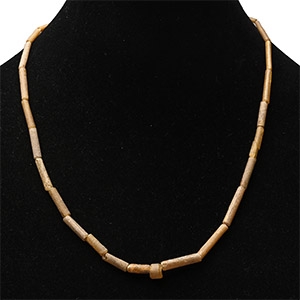
Roman Ochre Glass Bead Necklace String
1st-4th century A.D. and laterSold for (Inc. bp): £20
Composed of long tubular beads with a cylindrical bead to the centre; restrung. 10.5 grams, 45.2 cm
From the London, UK, art market in the 1990s. This lot is accompanied by an illustrated lot declaration signed by the Head of the Antiquities Department, Dr Raffaele D'Amato.
In the Roman period there was a strong formal and chromatic diversity of glass beads used for necklaces and bracelets. The most common beads in forms were small biconical (lenticular), barrel-shaped, spherical and annular; the most common colours were dark blue, followed by green and yellow. The succession of glass beads often imitates jewellery made of costly materials (gold, silver, semi-precious and precious stones).
