
Loading, please wait...
LOT 2114
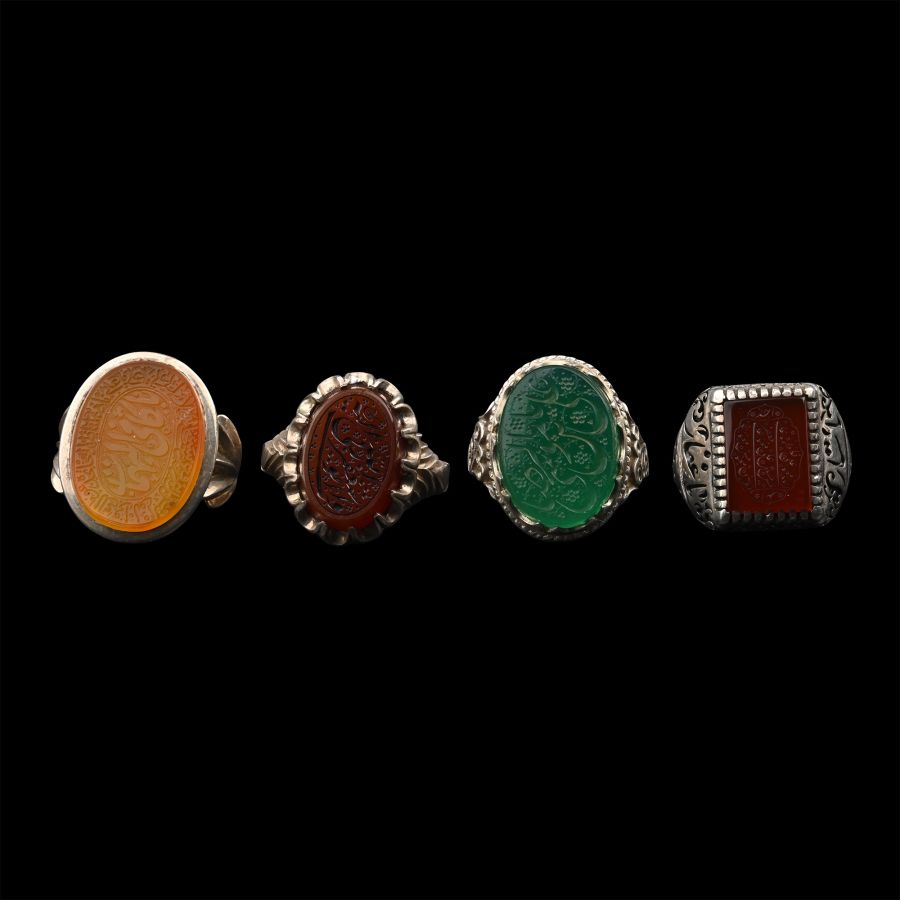
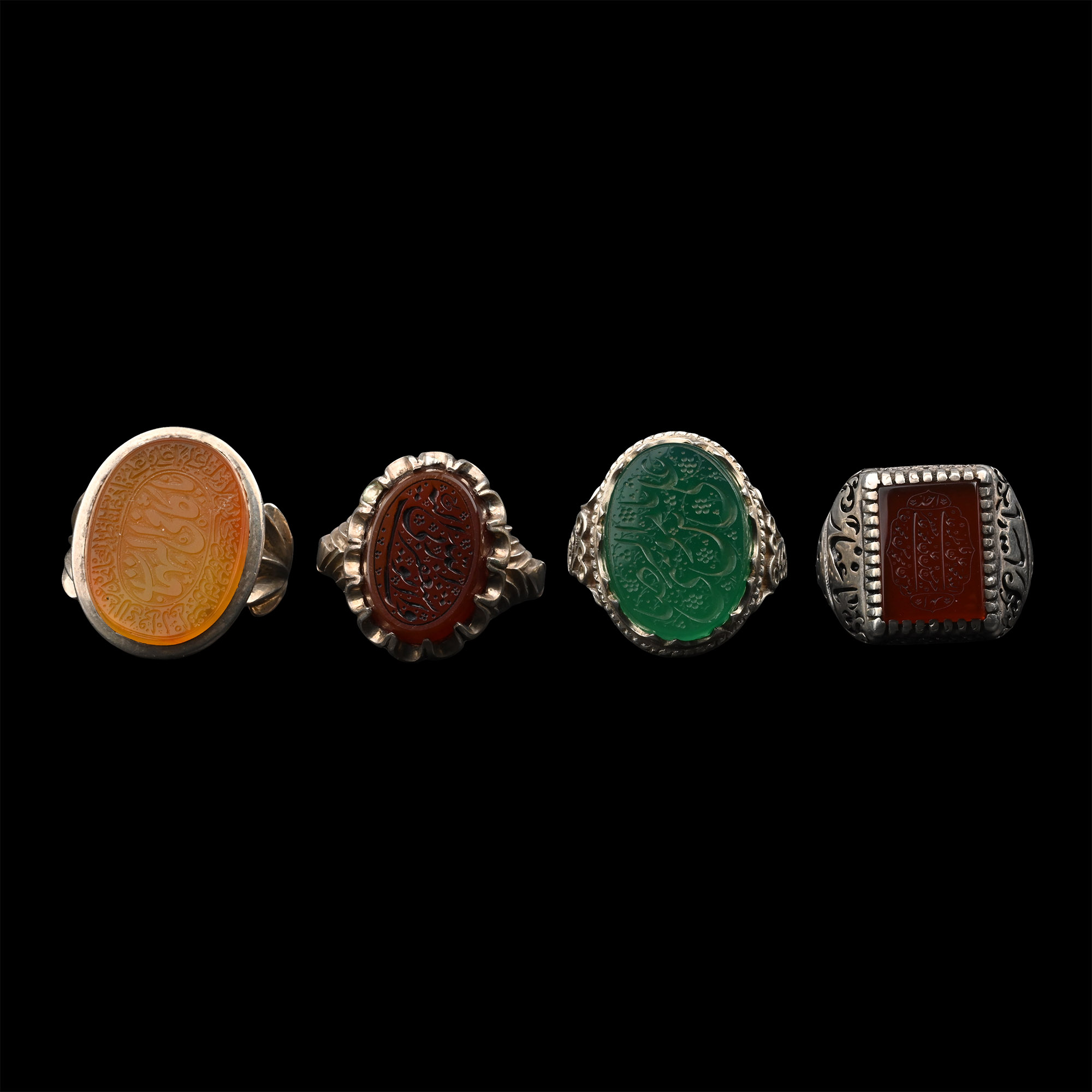
Silver-Coloured Metal Rings with Calligraphic Gems
LATE 20TH-21ST CENTURY A.D.
1 1/8 - 1 1/4 in. (65 grams total, 29-32 mm).
Each with an inset cloison engraved with dense calligraphic text on a field of rosettes. [4]
ProvenancePrivate collection, UK.
CONDITIONTimeLine Auctions follows a vetting process to ensure the authenticity and legality of all items, reinforcing our commitment to integrity and responsible trading. Each antiquity, antique, and coin lot undergoes thorough examination by a vetting committee of at least ten external specialists, professional trade association members, scientists, and archaeologists: Our Vetting Process
AUCTIONS:
TimeLine is a leading auction house specialising in antiquities, ancient art, collectables, natural history, coins, medals, and books. Our auctions offer museums, collectors, historians, and enthusiasts the opportunity to acquire unique and historically significant pieces.
-
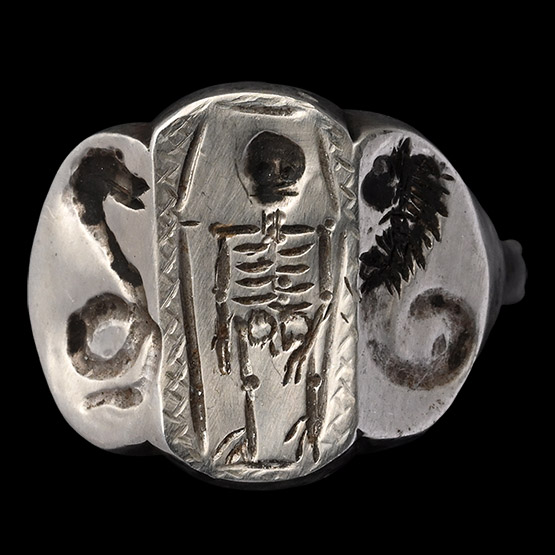
Post Medieval Silver Memento Mori Ring with Skeleton in Coffin Flanked by Rearing Snakes
18th-19th century A.D.Sold for (Inc. bp): £117
With facetted hoop, quatrefoil bezel with serpents flanking a coffin with skeleton inside; italic script legend to reverse 'jeap[...]'. 5.28 grams, 20.97 mm overall, 16.91 mm internal diameter (approximate size British N, USA 6 1/2, Europe 13.72, Japan 13)
Ex East Sussex private collection, 1970s-1980s. -
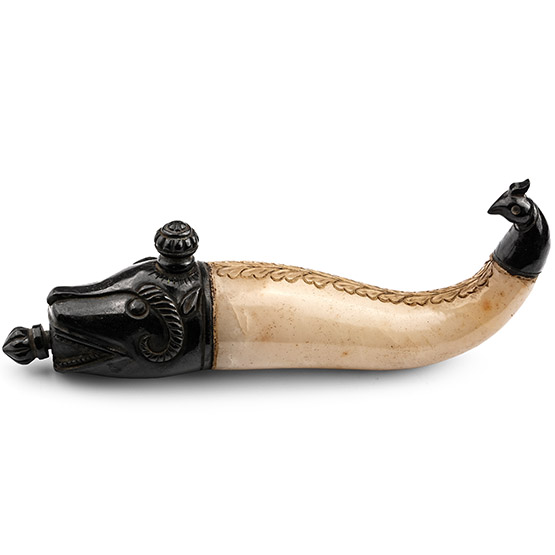
Indian Mutton Fat Jade Carved Fish-Shaped Gunpowder Flask
Late 20th-21st century A.D.Estimate: £200 - 300 (+bp*)
Opening Bid: £100
Carved in the round in the form of a fish with S-curved body in grey-white stone; the finial a bird's head and neck; fish-head with open jaws, lotus-flower knops as stoppers. 331 grams, 19.5 cm
Private collection, UK. -
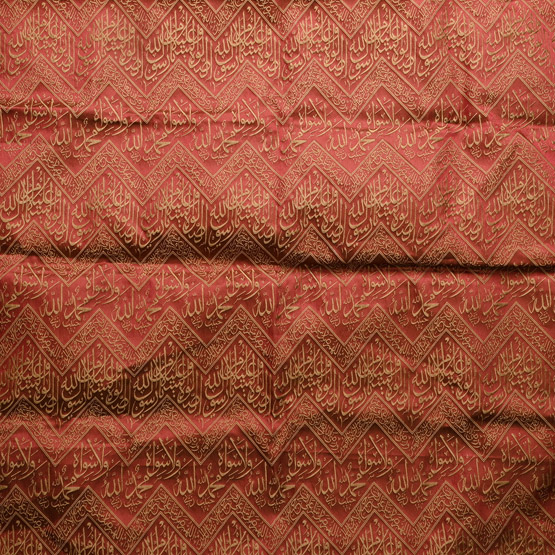
Western Asiatic Lined Calligraphic Table Cloth
20th century A.D.Sold for (Inc. bp): £338
Rectangle of crimson fabric on coarse carrier textile; dense zigzag layers of calligraphic text in various sizes. 260 grams, 77.5 x 85 cm
Private collection, UK.
