
Loading, please wait...
LOT 2101
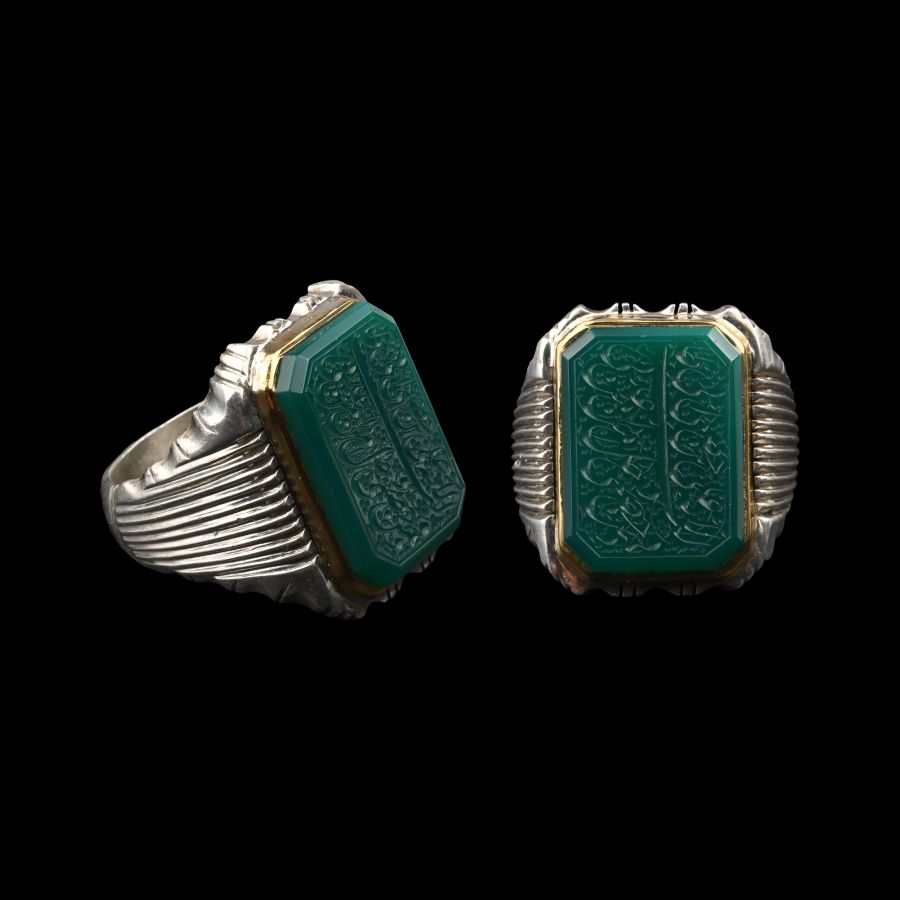
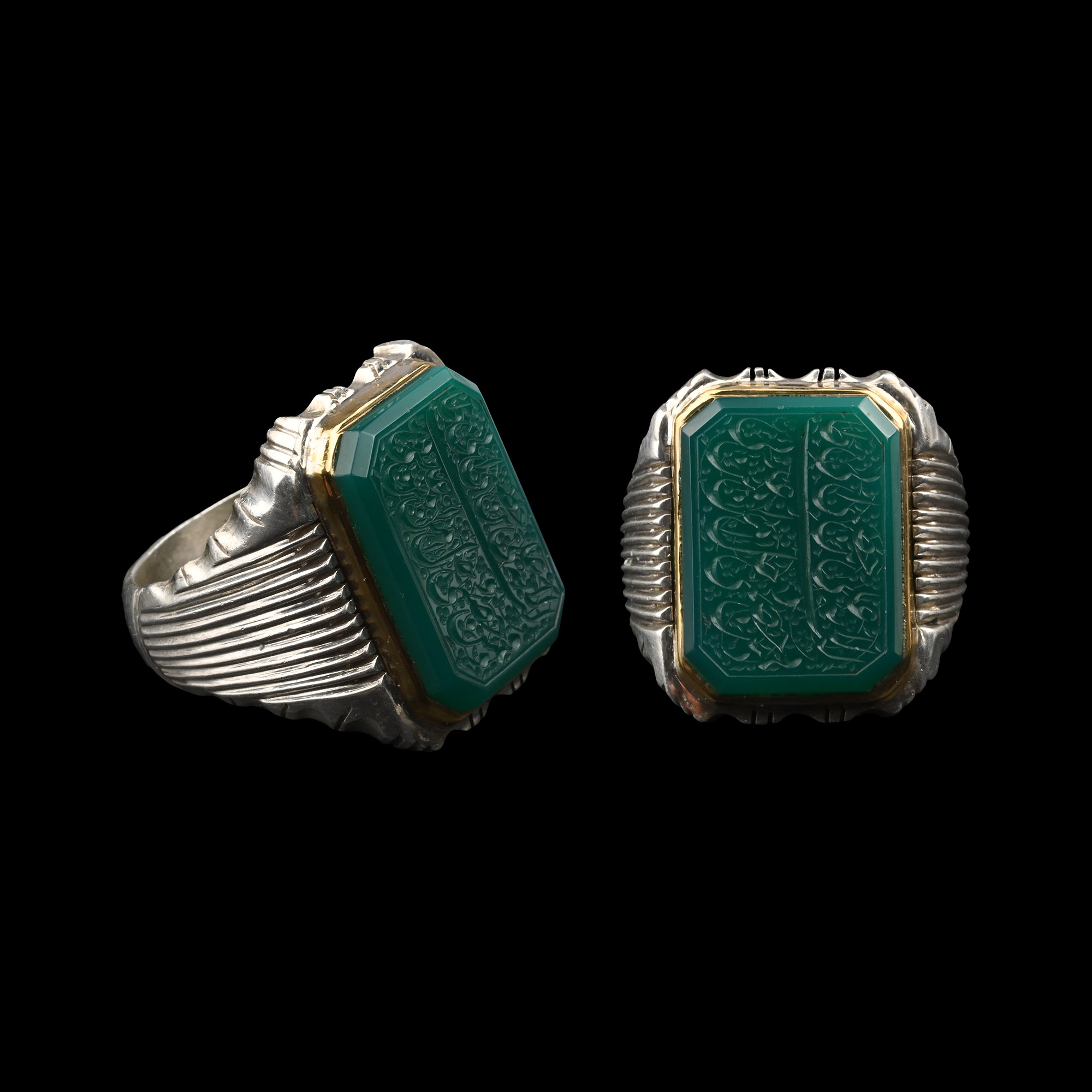
Silver-Coloured Metal Ring with Calligraphic Gem
LATE 20TH-21ST CENTURY A.D.
1 1/8 in. (20.30 grams, 28.52 mm overall, 21.51 mm internal diameter (approximate size British X 1/2, USA 11 3/4, Europe 26.92, Japan 25)).
With a broad, vertically banded hoop in a rectangular bezel; gilt cell with inset cloison, dense calligraphic script with floral ornament.
ProvenancePrivate collection, UK.
CONDITIONTimeLine Auctions follows a vetting process to ensure the authenticity and legality of all items, reinforcing our commitment to integrity and responsible trading. Each antiquity, antique, and coin lot undergoes thorough examination by a vetting committee of at least ten external specialists, professional trade association members, scientists, and archaeologists: Our Vetting Process
AUCTIONS:
TimeLine is a leading auction house specialising in antiquities, ancient art, collectables, natural history, coins, medals, and books. Our auctions offer museums, collectors, historians, and enthusiasts the opportunity to acquire unique and historically significant pieces.
-
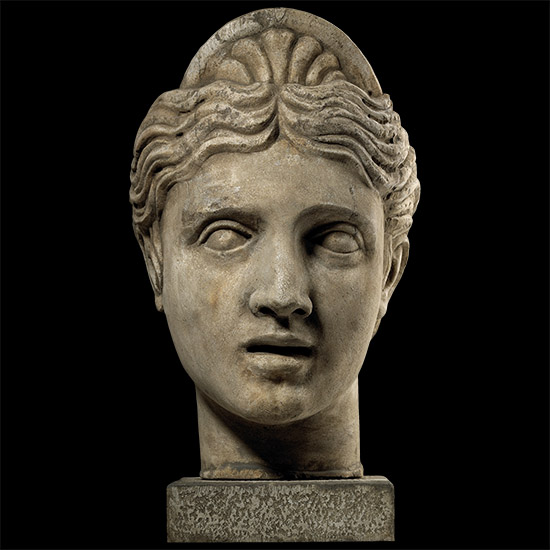
Post Medieval Marble Portrait of the Greek Goddess Hera
17th-18th century A.D.Sold for (Inc. bp): £5,980
Modelled in the round with gracile features, braided hair, arched diadem to the brow. 32 kg, 42 cm high including stand
Private collection, England. This lot has been checked against the Interpol Database of stolen works of art and is accompanied by search certificate no.13081-249676.
The type of sculpture seems to be inspired by the type of the Barberini Hera, a Roman copy from the imperial age, today in the Chiaramonti Museum (Vatican Museums). The sculpture was discovered by the antiquarian Leonardo Agostini in the late 17th century, during excavations on the Viminal Hill. The site was located beneath the convent affiliated with the church of San Lorenzo in Panisperna, an area known to have hosted the ancient Baths of Olympiades. Its identification as the Barberini Hera was established by its early owner, Cardinal Francesco Barberini. -
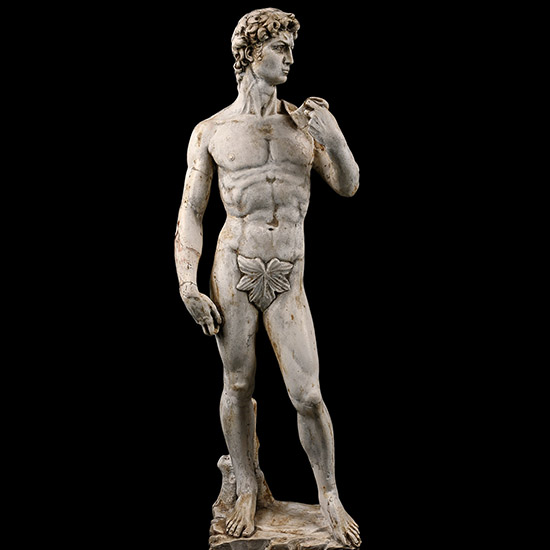
Replica of David Statue by Michelangelo
Late 19th-20th century A.D.Estimate: £600 - 800 (+bp*)
Opening Bid: £300
A composition statue modelled after the Italian Renaissance masterpiece sculpted by Michelangelo, David depicted nude in a contrapposto position, carrying the weight on his right leg, holding the sling in his raised left hand, and the handle of the sling placed in his right hand, with a large ivy leaf covering his genitals; restored. 18.75 kg, 82.5 cm high
Private collection, London.
Michelangelo created the original sculpture between 1501 and 1504, and it was originally commissioned as one of a series of statues of twelve prophets. However, it was then placed in the public square in front of the Palazzo della Signoria. -
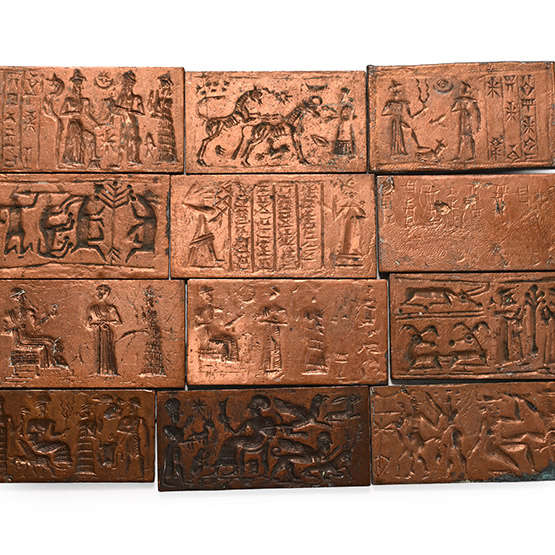
Cylinder Seal Electrotype Group
Late 19th-early 20th century A.D.Sold for (Inc. bp): £85
Of academic interest, copper-coated lead seal impressions including presentation scenes, combat scenes, court scenes and others; some with cuneiform text. 278 grams total, 39-47 mm
Possibly made by the British Museum. From a West Country, UK, private collection.
