
Loading, please wait...
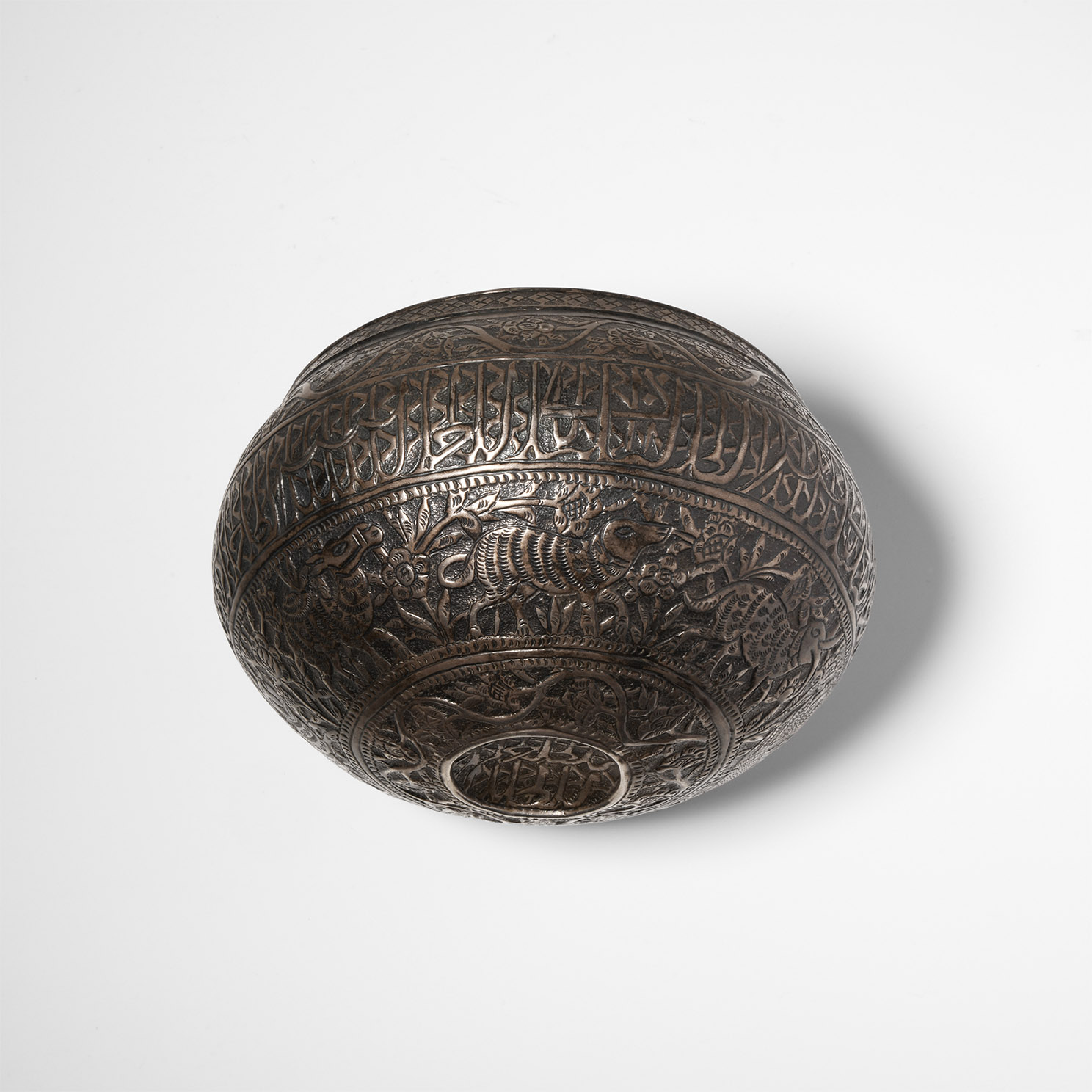
LOT 1988
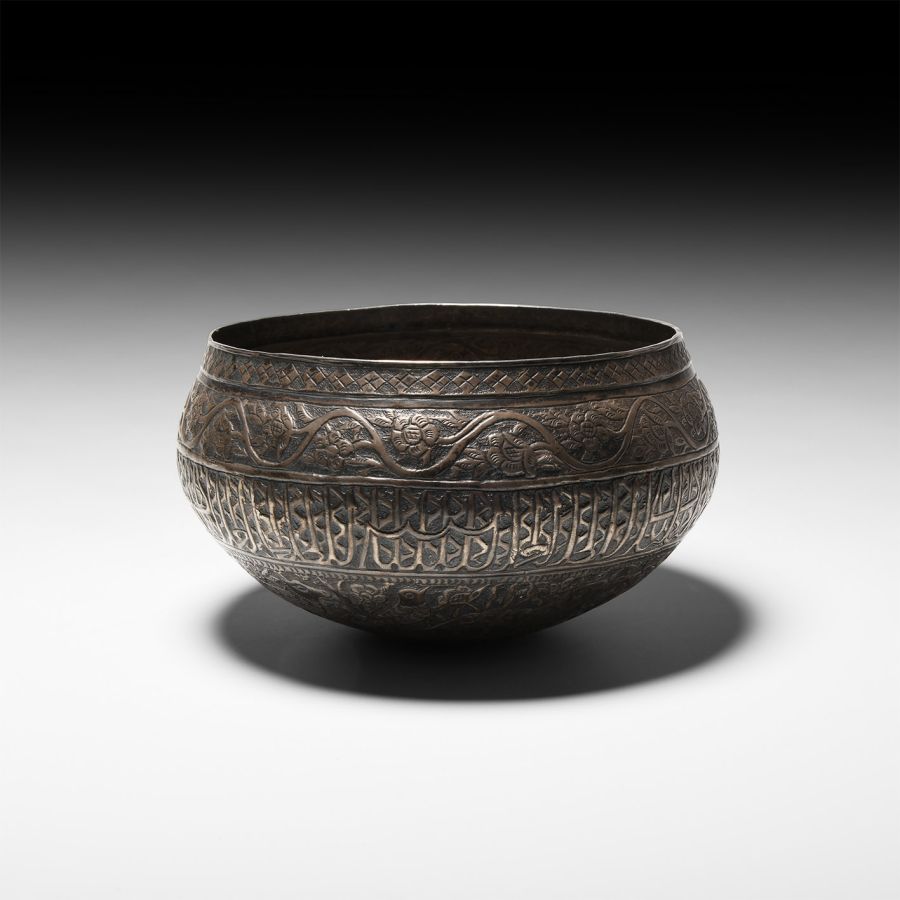
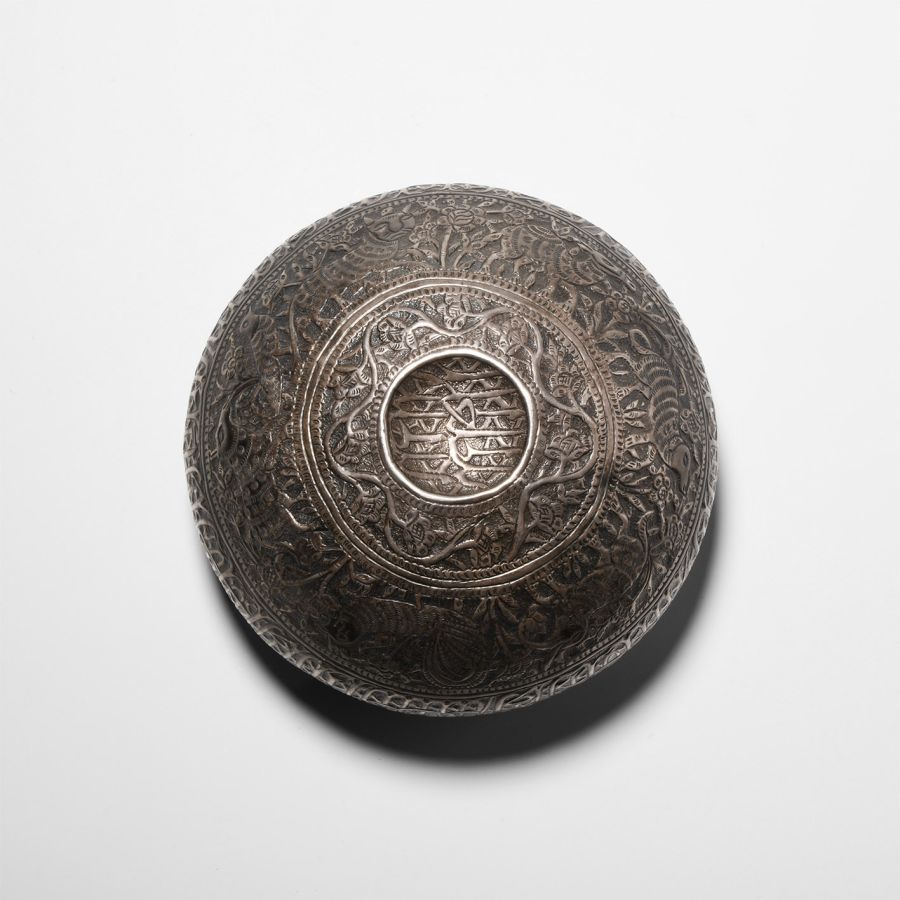
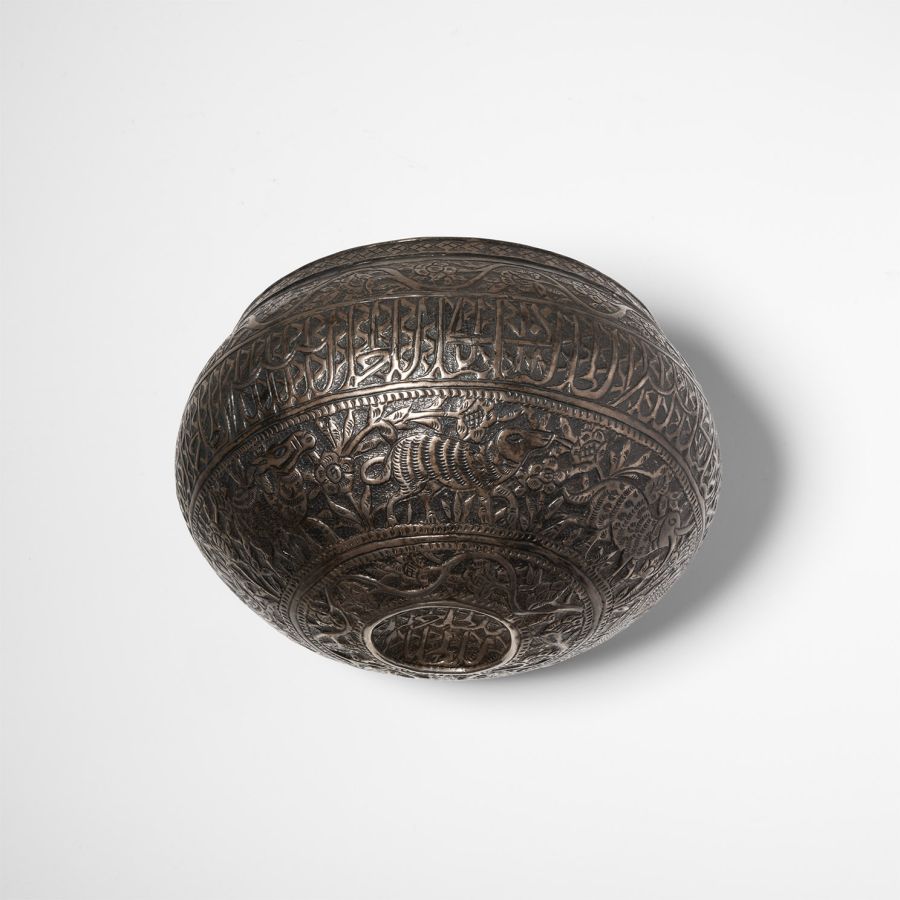
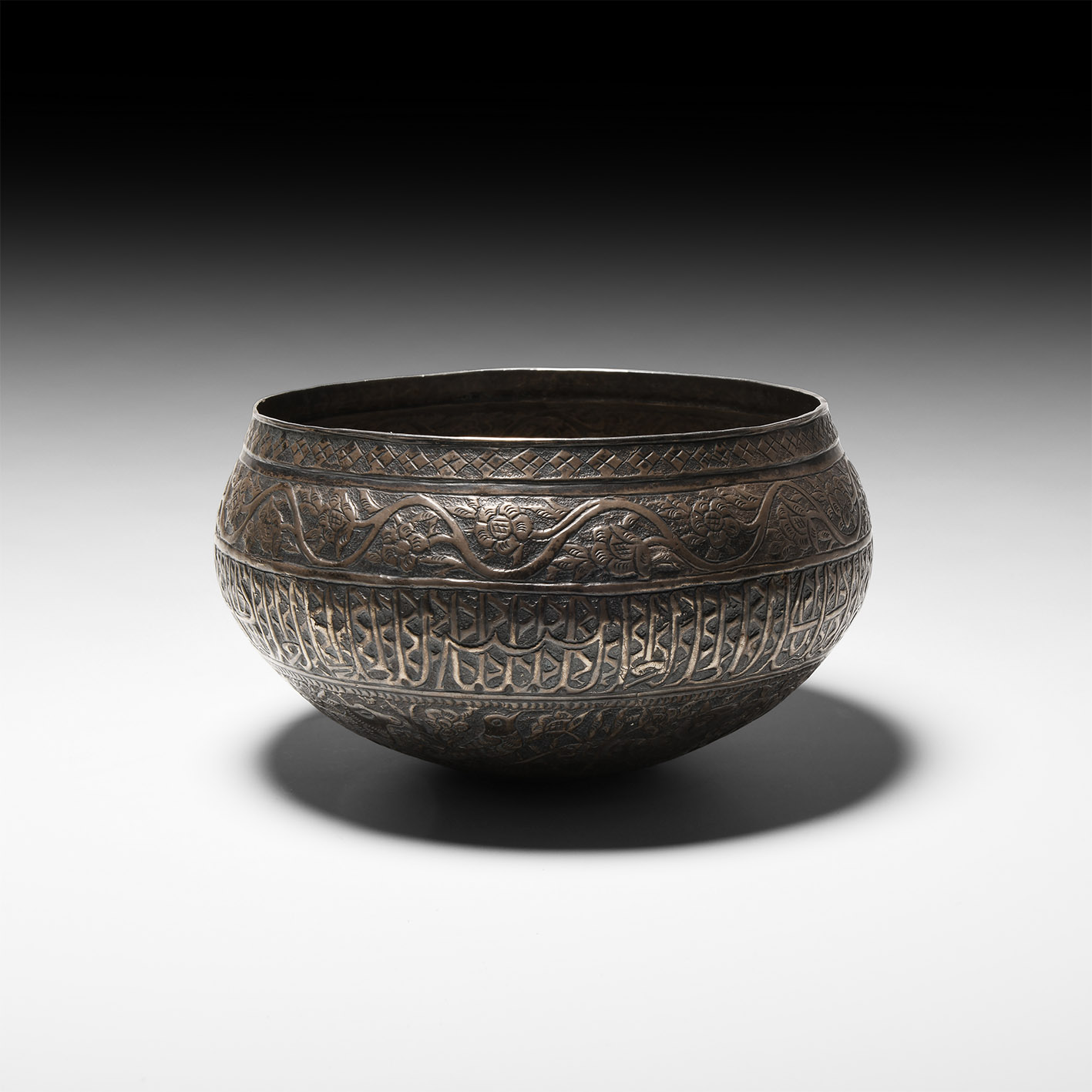
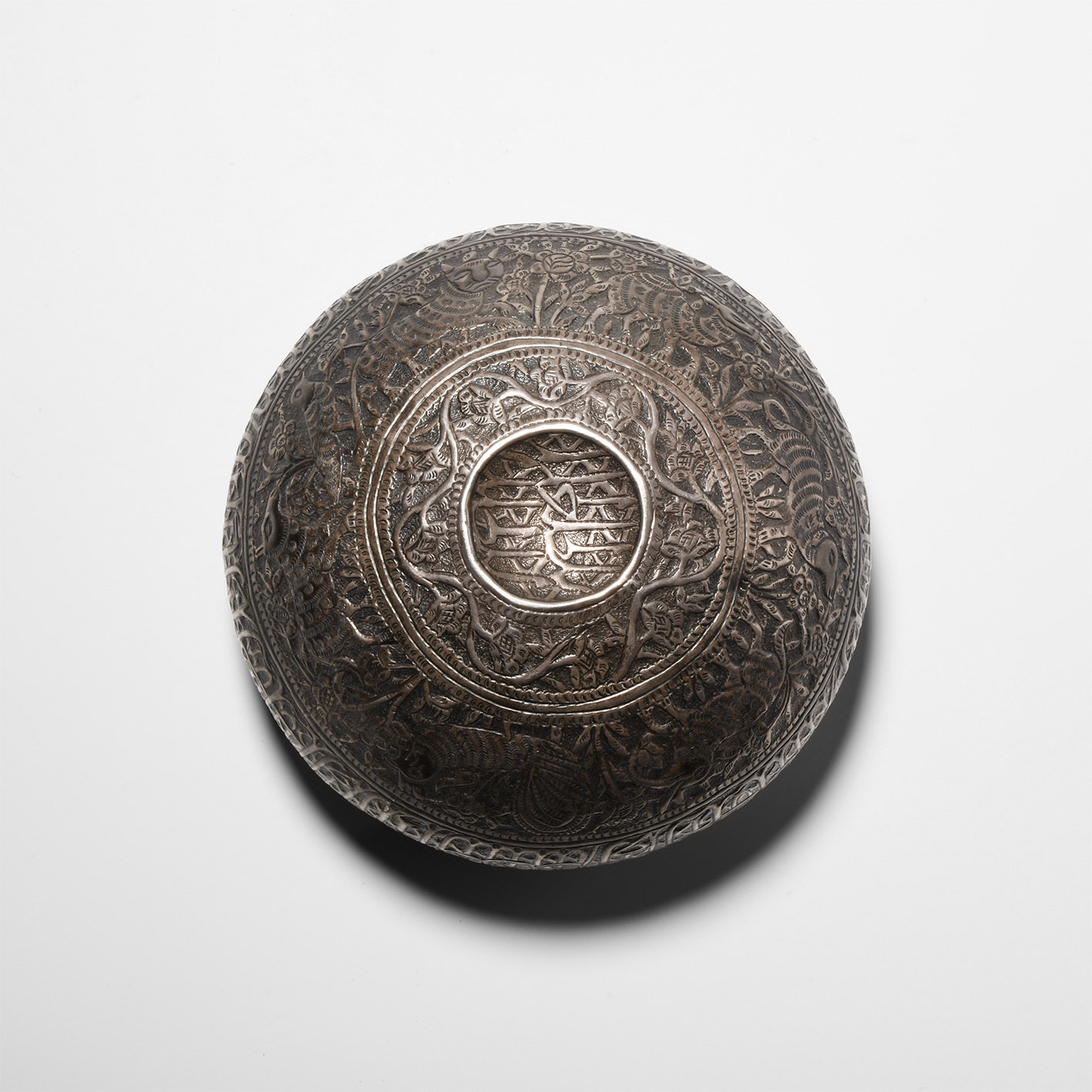
Silver Bowl with Animals and Calligraphy
18TH-19TH CENTURY A.D.
4 3/4 in. (140 grams, 12.2 cm wide).
Decorated with circumferential bands of lozenges, floral vines, calligraphic text, animals processing right amid flowers, second band of floral vines and panel of text to base.
ProvenanceAcquired on the UK art market, 2000s.
Property of a Suffolk gentleman.
TimeLine Auctions follows a vetting process to ensure the authenticity and legality of all items, reinforcing our commitment to integrity and responsible trading. Each antiquity, antique, and coin lot undergoes thorough examination by a vetting committee of at least ten external specialists, professional trade association members, scientists, and archaeologists: Our Vetting Process
AUCTIONS:
TimeLine is a leading auction house specialising in antiquities, ancient art, collectables, natural history, coins, medals, and books. Our auctions offer museums, collectors, historians, and enthusiasts the opportunity to acquire unique and historically significant pieces.
-
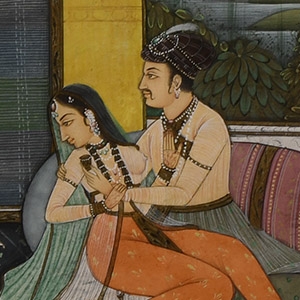
Framed Watercolour Painting
India, 20th century A.D.Estimate: £60 - 80 (+bp*)
Opening Bid: £30
A courtyard scene composed of a couple embracing, the woman reluctant to accept the contents of the cup the man is offering her, landscape of hills and water beyond; text above and below, gold-coloured borders framing the whole; set in a reveal within a glazed wooden frame. 598 grams, 30.3 x 22 cm
Fine condition.
Acquired on the UK art market, 1980s-1990s. The Woodbridge collection of Indo-Persian art. -
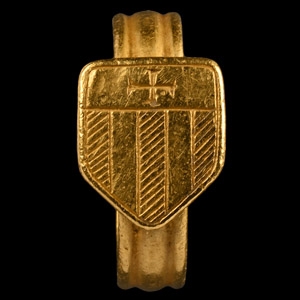
Post Medieval Gold Heraldic Signet Ring with the Arms of the Friars of the Order of the Blessed Virgin Mary of Mercy
15th-16th century A.D. or laterEstimate: £3,000 - 4,000 (+bp*)
Opening Bid: £1,500
A broad flat hoop with three raised bands to outer face to which is affixed a shield-shaped bezel engraved with 'party per fess, a croix pattée and paly' being the arms of the Order; possibly of Spanish manufacture. 7.79 grams, 22.13 mm overall, 19.72 mm internal diameter (approximate size British S, USA 9, Europe 20, Japan 19)
From a 1990s private collection. Property of a European gentleman. Accompanied by information on the history of the Order. This lot has been checked against the Interpol Database of stolen works of art and is accompanied by search certificate no.11908-205634.
This Order, sometimes known as the Mercedarians, was founded by Saint Peter Nolasco in 1218 A.D. in Barcelona and still exists today as an international community of priests and brothers who generally follow the monastic Rule of St Augustine; the Order originally sought to save or ransom Christian prisoners of the Moors and other followers of Islam, extending firstly from Moorish Spain and on eastwards, across north Africa and to the Saracen Holy Land, even going so far as the members of the Order specifically taking a Fourth Vow to offer themselves or their lives up to save a Christian captive who is in danger of losing their faith. This gold ring, showing the arms of the Order, would have been owned and worn by a senior member or office-holder. -
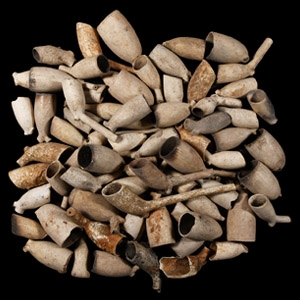
Post Medieval Decorated Pipe Bowl Group
Circa 18th century A.D.Sold for (Inc. bp): £26
Including armorials and decorative designs, comprising bowls of various shapes and dates; together with a number of stems. 882 grams total, 35-79 mm
Acquired 1990s-early 2000s. East Anglian private collection.
