
LOT 3149
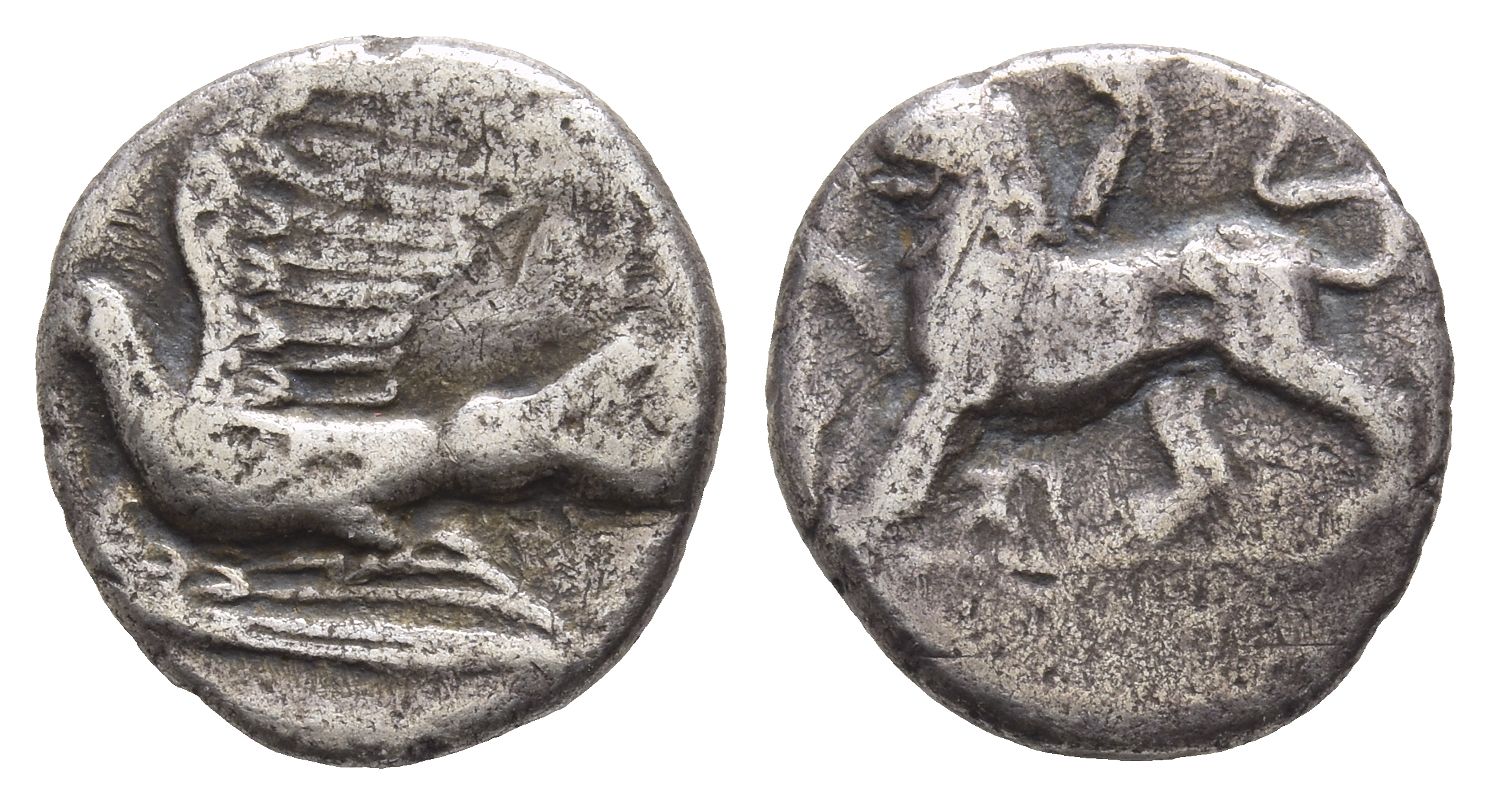
Sikyonia, Sikyon AR Triobol or Hemidrachm. Circa 330/20-280 BC.
Dove flying to left; [pellet above tail?] / Chimaera standing to left, raising forepaw; ΣI below. Cf. BCD Peloponnesos 292; HGC 5, 213. Near Very Fine.(2.49gr, 15mm, 12h.).
ProvenanceAcquired on the UK art market.
From the collection of Mr Carlos Bahamonde, Manchester, UK.
TimeLine Auctions follows a vetting process to ensure the authenticity and legality of all items, reinforcing our commitment to integrity and responsible trading. Each antiquity, antique, and coin lot undergoes thorough examination by a vetting committee of at least ten external specialists, professional trade association members, scientists, and archaeologists: Our Vetting Process
AUCTIONS:
TimeLine is a leading auction house specialising in antiquities, ancient art, collectables, natural history, coins, medals, and books. Our auctions offer museums, collectors, historians, and enthusiasts the opportunity to acquire unique and historically significant pieces.
-
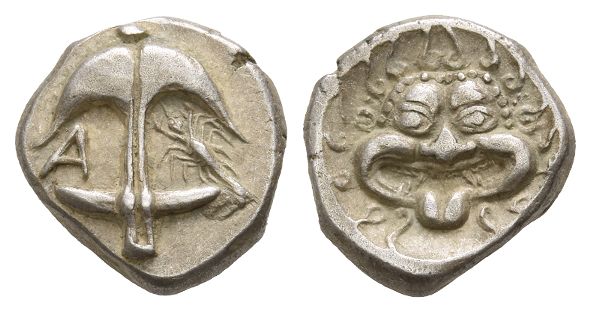
Thrace, Apollonia Pontika AR Drachm. Circa 470-435 BC.
Sold for (Inc. bp): £182
Upright anchor, A under left fluke and crayfish under right / Facing gorgoneion. SNG BM Black Sea 1507; SNG Ruse, MN II, 246-250; HGC 3.2, 1323. 3.32gr, 14mm, 12h.
Near Extremely Fine.
Ex Austran art market. Property of a Surrey, UK, gentleman. -
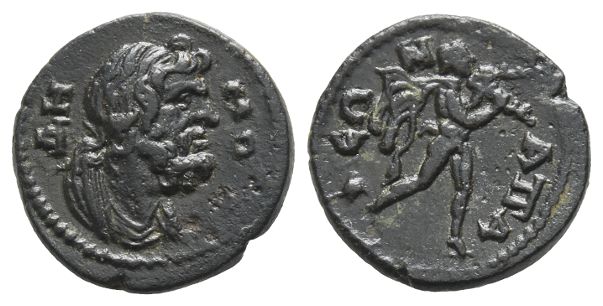
Phrygia, Apameia AE 18mm. Circa AD 180-250. Pseudo-autonomous issue.
Sold for (Inc. bp): £117
ΔHMOC, draped bust of Demos to right / ΑΠΑΜΕΩΝ, Marsyas advancing to right, playing double flute. SNG Copenhagen 200. 3.35gr, 18mm, 7h.
Near Extremely Fine. Rare.
Acquired on UK art market. Property of a Middlesex gentleman. -
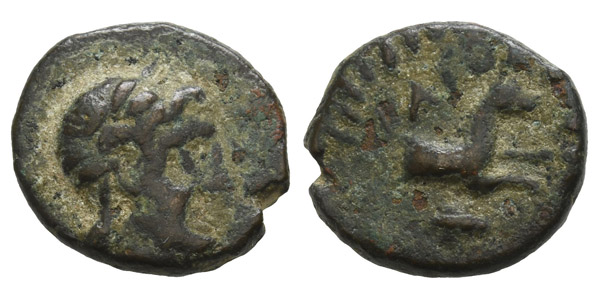
Cyclades, Karthaia on Keos AE 17mm. Circa late 3rd-2nd centuries BC.
Sold for (Inc. bp): £169
Laureate head of Apollo to right / Radiate forepart of the dog Seirios to right; KAPΘΑ above, bee below. BMC 44; SNG Copenhagen -; HGC 6, 560. 3.92gr, 17mm, 12h.
Near Very Fine. Rare.
Acquired on the European coin market. Property of a Kent, UK, gentleman.
The citizens of Keos watched for the rising of the Seirios ('Dog Star', the brightest star in the night sky) every year from the mountaintops. By observing the appearance of the star, the inhabitants would try to determine whether the island would suffer from epidemics or not. If the star appeared clear and bright, the islanders would experience a healthy year, but if it appeared misty and dull, disease would spread across the island. There was a cult where the inhabitants of Keos tried to guard against the effects of Seirios using rituals. They prayed to Aristaios, the son of Apollo and Kyrene, who was taught both medicine and divination by the Centaur Chiron. He came to the island, built an altar, and ordered the islanders to pray to Zeus for refreshing winds and rains (see Apollonius Rhodius, Argonautica 2.518 ff).
