
Loading, please wait...
LOT 0244
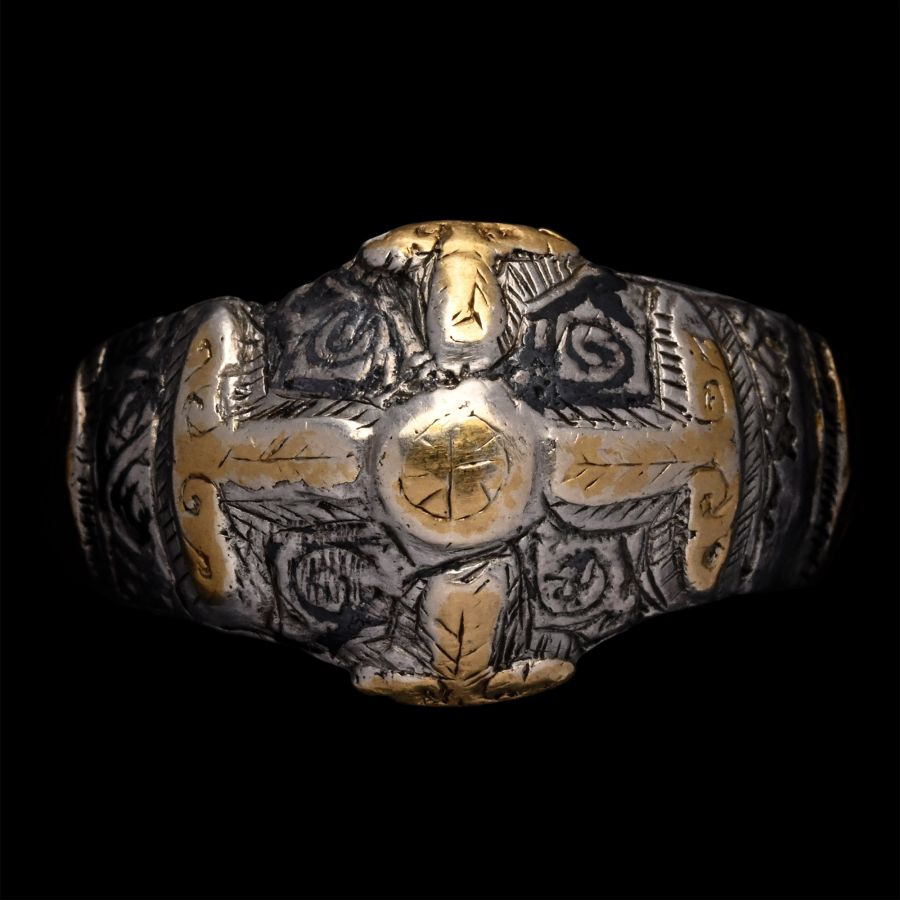
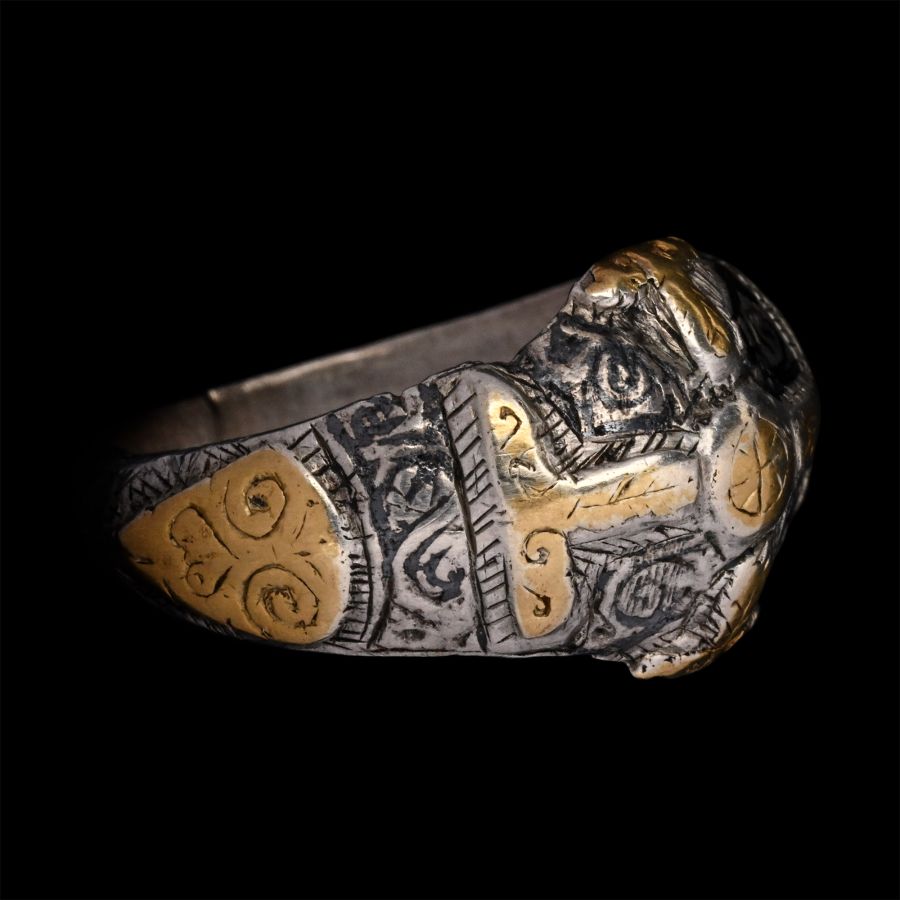
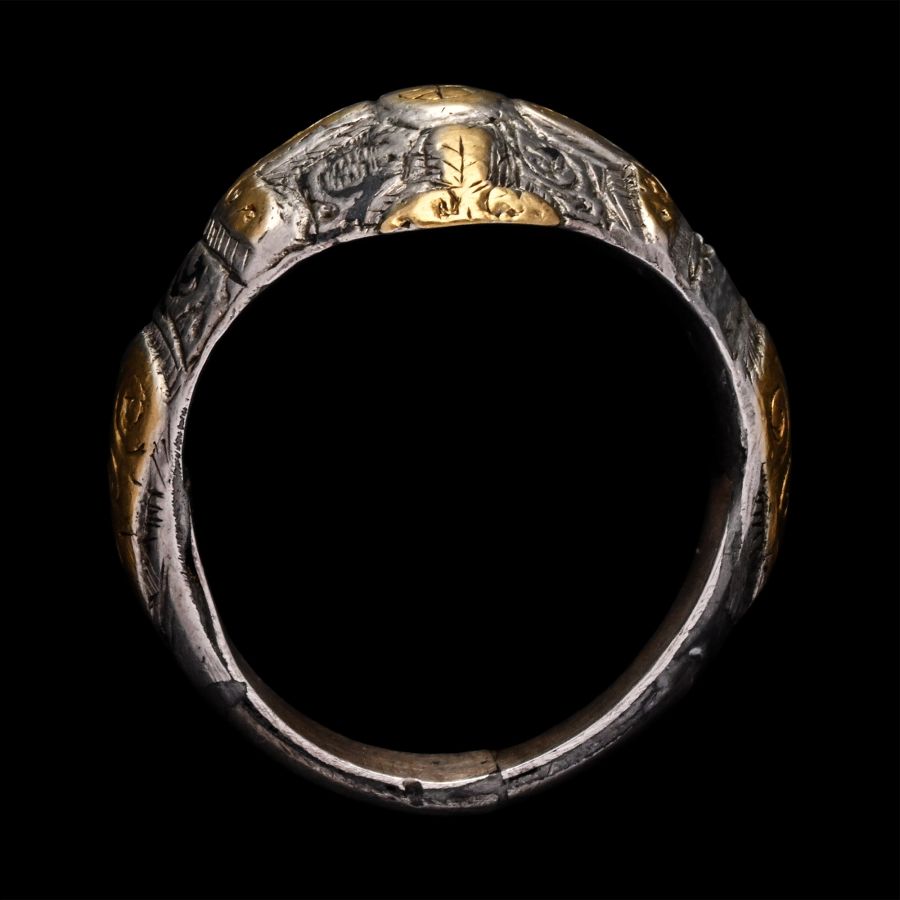
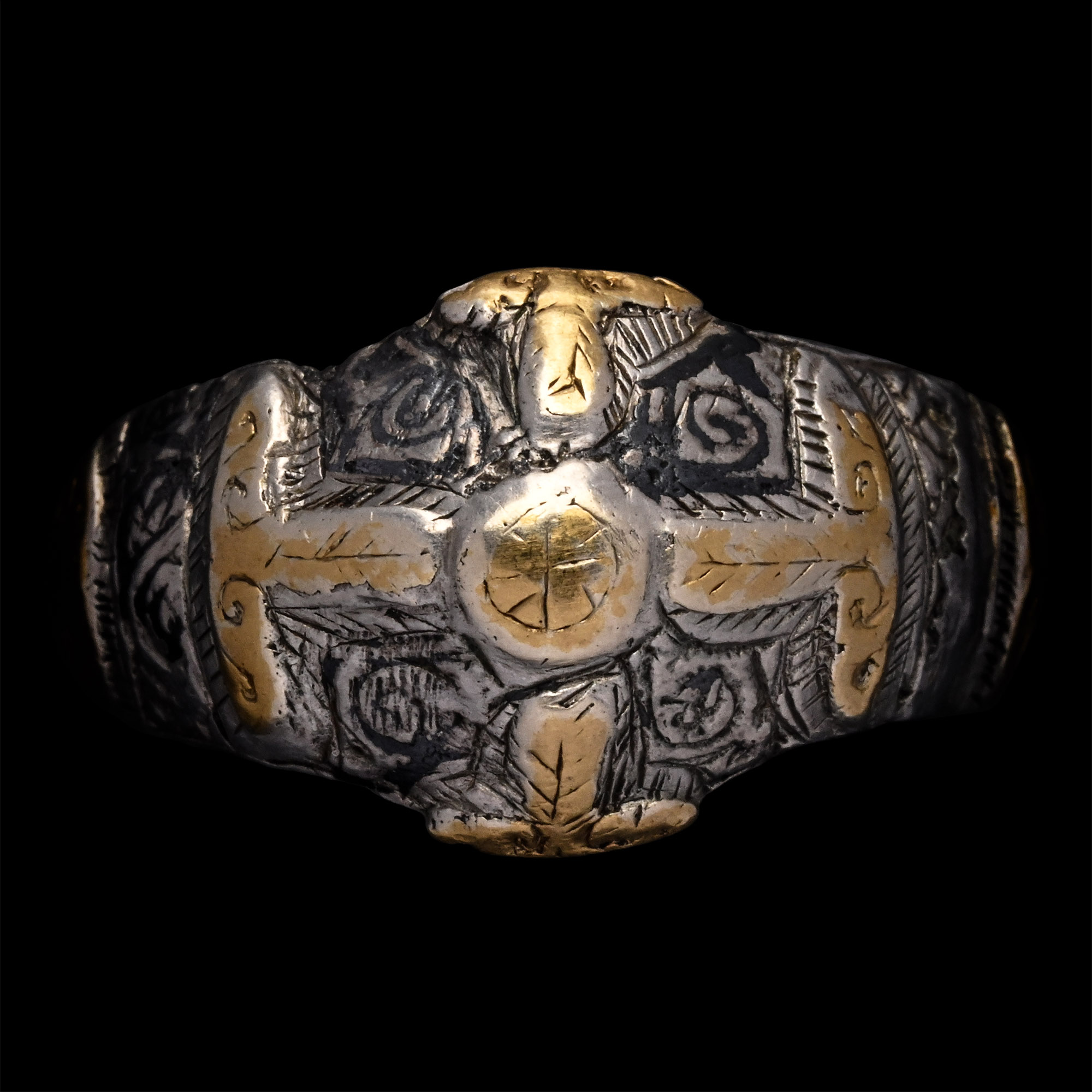
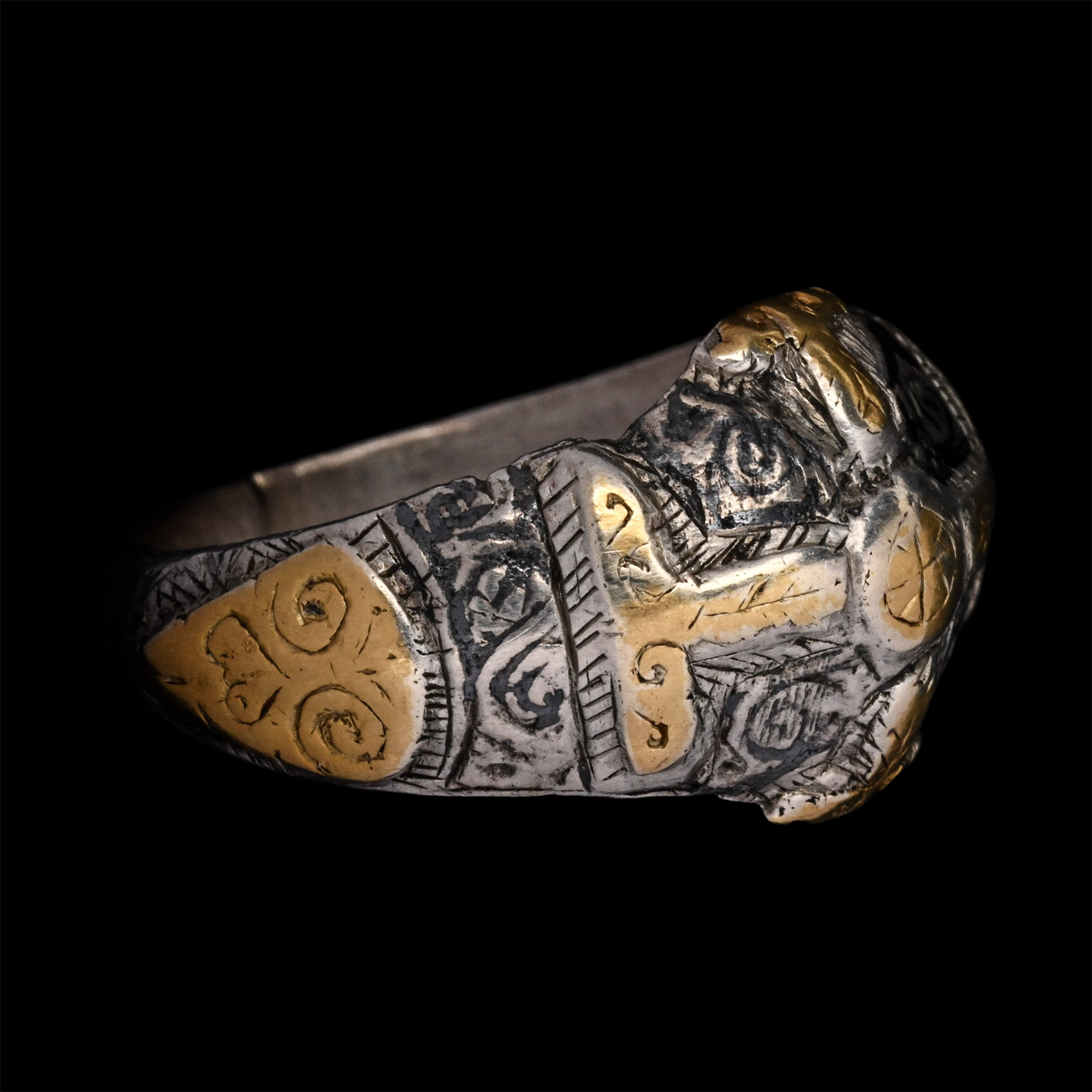
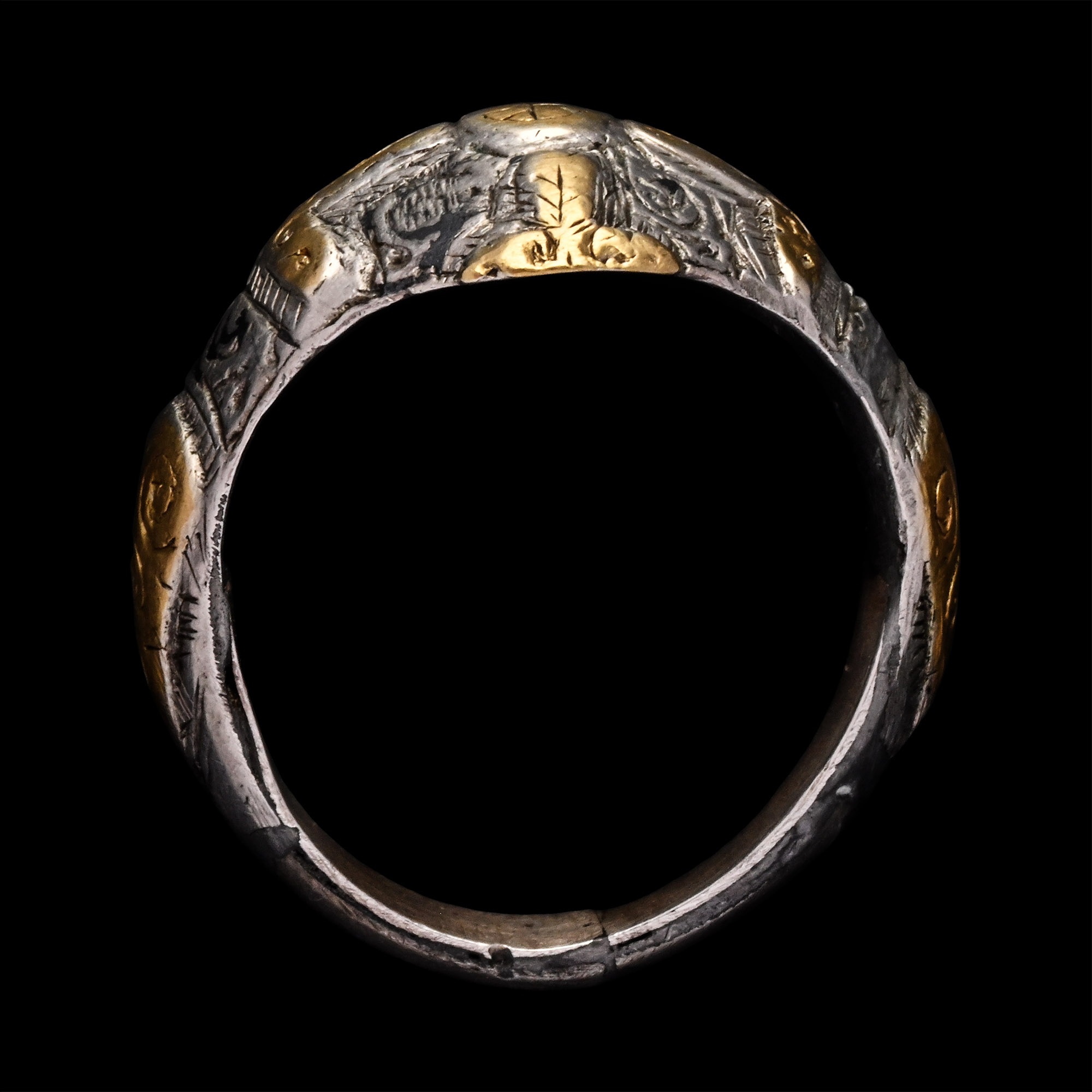
Seljuk Silver Ring with Gilt Cross
11TH-12TH CENTURY A.D.
1 in. (7.68 grams, 24.33 mm overall, 17.70 x 18.33 mm internal diameter (approximate size British O, USA 7, Europe 14.98, Japan 14)).
Comprising a D-section hoop with expanding shoulders, a gilt shield with scrolls on each shoulder, and a low-relief cross expanding across the bezel with scrollwork background.
ProvenanceAcquired on the European art market.
CONDITIONTimeLine Auctions follows a vetting process to ensure the authenticity and legality of all items, reinforcing our commitment to integrity and responsible trading. Each antiquity, antique, and coin lot undergoes thorough examination by a vetting committee of at least ten external specialists, professional trade association members, scientists, and archaeologists: Our Vetting Process
AUCTIONS:
TimeLine is a leading auction house specialising in antiquities, ancient art, collectables, natural history, coins, medals, and books. Our auctions offer museums, collectors, historians, and enthusiasts the opportunity to acquire unique and historically significant pieces.
-
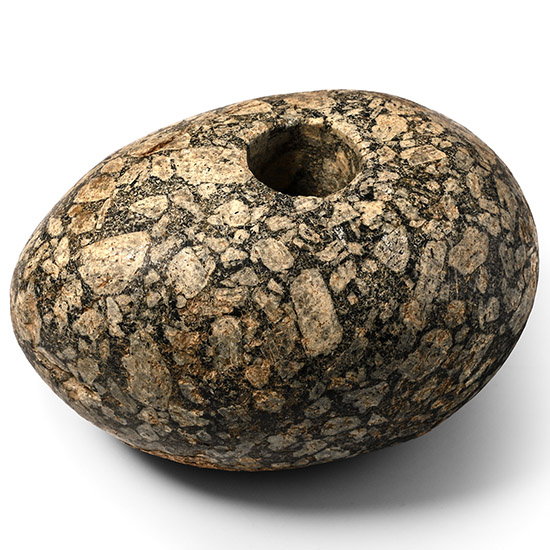
Western Asiatic Stone Macehead
4th millennium B.C.Estimate: £400 - 600 (‡+bp*)
Opening Bid: £200
Oval in plan with a tapering drilled central socket. 360 grams, 81 mm
Ex private collection, Contessa L.G., since the 1980s. Private collection, acquired in 1999.
The mace was a close-combat weapon consisting of a short handle and a massive striking element—the head, a striking weapon capable of inflicting severe contusions and internal fractures. Although a very archaic and rather primitive weapon, the mace was nevertheless widely used in the ancient East. Its sacred and representative role was particularly significant. Due to its shape, it symbolised the owner's masculinity and was therefore one of the primary insignia of power, symbolising the inseparability of its civil, military, and sacred-magical essences—ensuring the functioning and reproduction of the collective and the conditions for its existence. This is why we so often encounter ‘ceremonial’ maces, especially those made of stone—in this case, undoubtedly a ritual material. However, it must be said that stone, as a material for a mace head, was in no way inferior to metal in terms of combat qualities, while being much more labour-intensive to manufacture, which was precisely what appealed to the ritual, symbolic role of this weapon. -
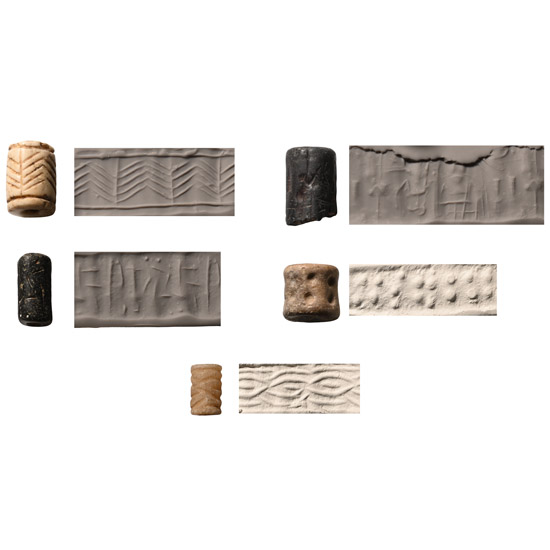
Western Asiatic Stone Cylinder Seal Group
3rd-2nd millennium B.C.Sold for (Inc. bp): £117
Comprising: a brown steatite seal with drilled motifs; a cream quartz seal with a geometric pattern; an intentionally broken hematite seal with a nude frontal woman, two small figures with antlers beneath, a male with curly hair and another figure with a long neck, a practise piece; a cram limestone seal with three tree motifs; a steatite seal with linear and pellet motifs; supplied with museum-quality impressions. 25.1 grams total, 13-21 mm
From the private collection of a European gentleman (1942-2024), formed since the 1970s. Accompanied by previous typed catalogue slips with collection nos.11, 12, 54, 62, 71. -
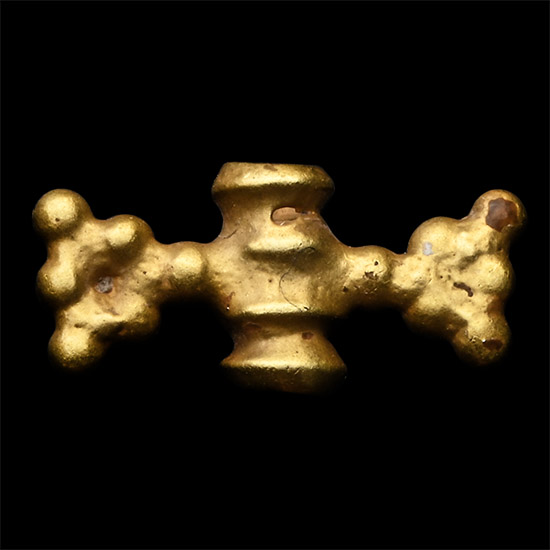
Western Asiatic Gold Bead Pendant
1st millennium B.C.Estimate: £100 - 140 (+bp*)
Opening Bid: £50
Featuring a tubular, ridged centre bead with triangular granulated projection above and below. 0.48 grams, 11 mm
From a late Japanese gentleman's collection, formed 1970s-2010. Accompanied by a previously illustrated catalogue card with provenance.
