
Loading, please wait...
LOT 1369
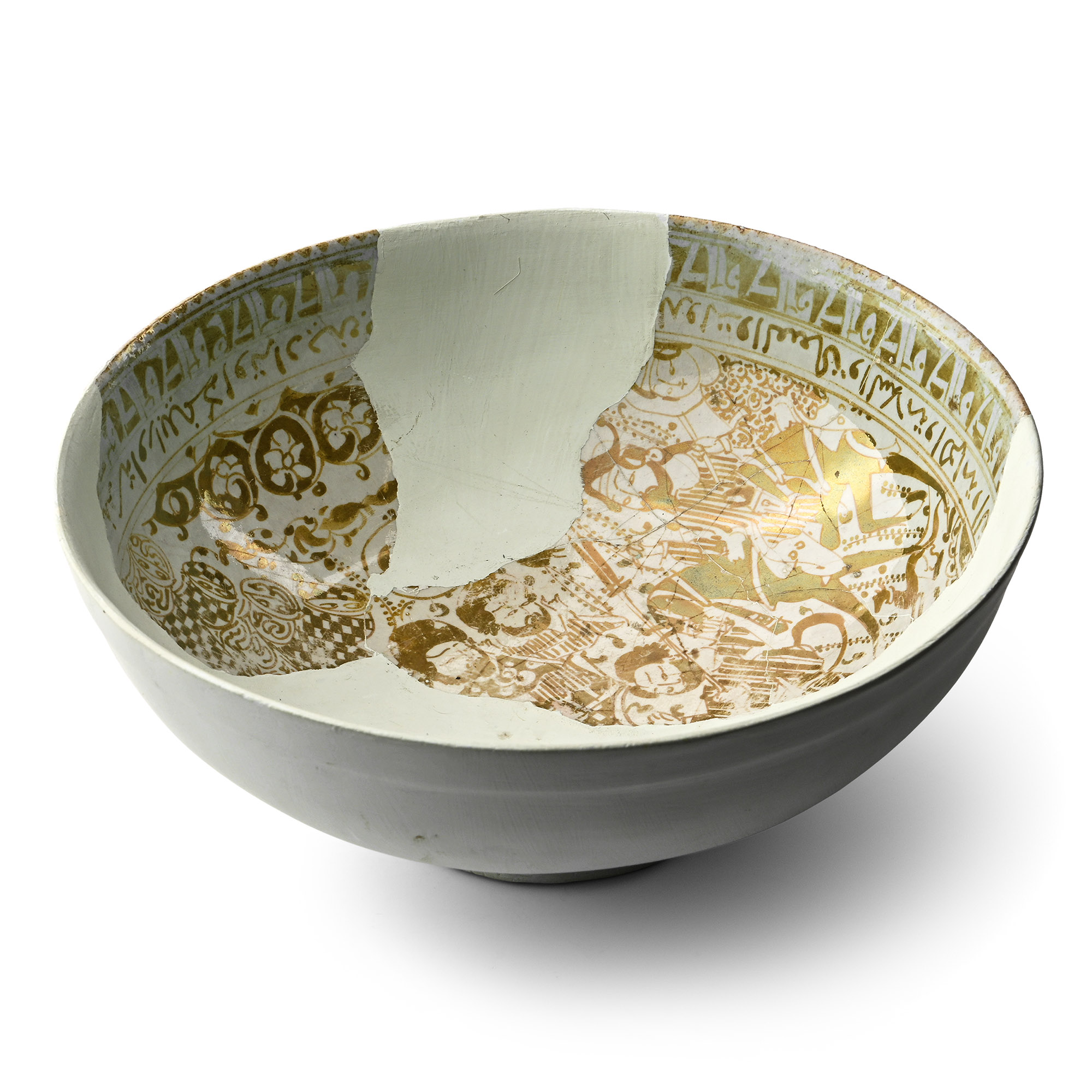
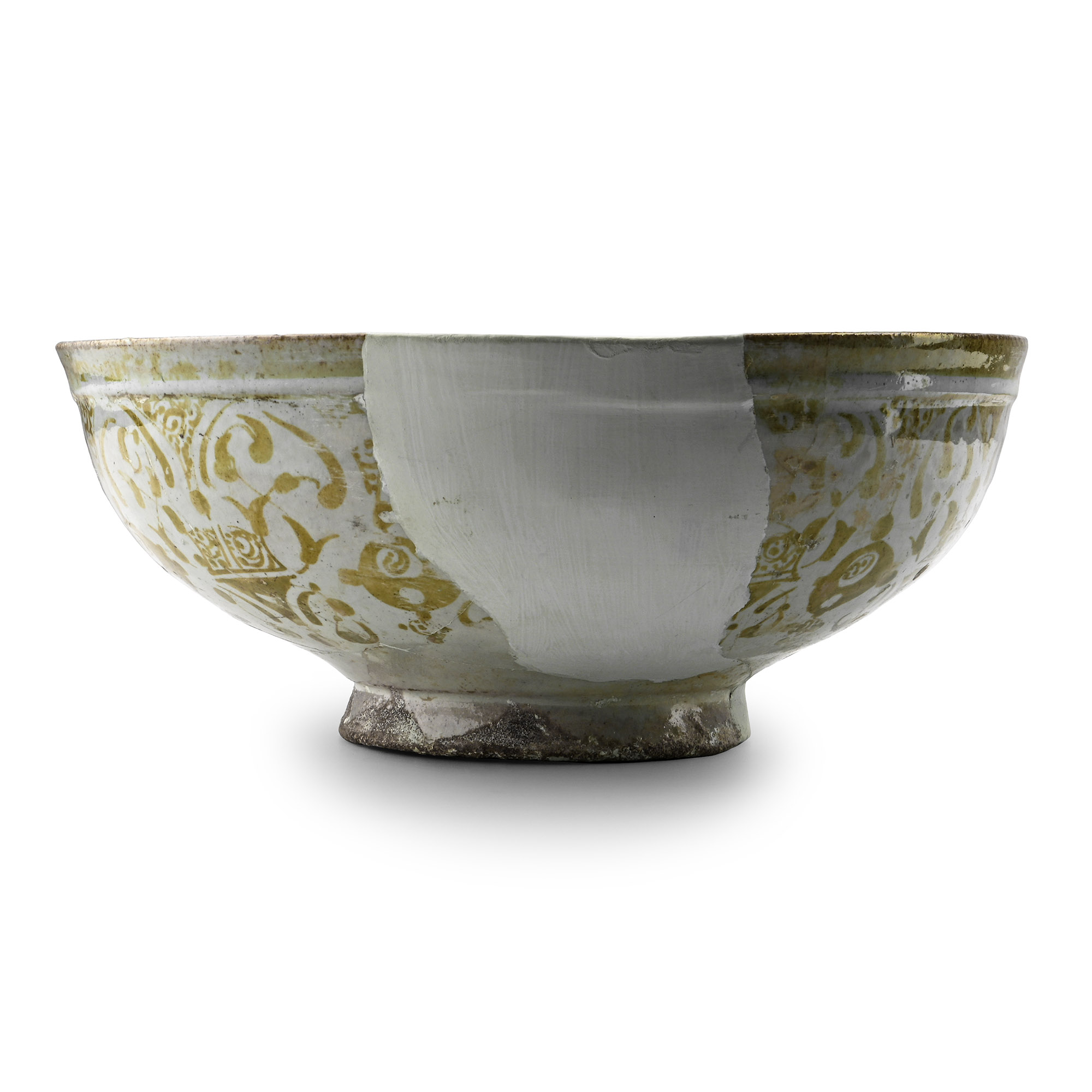
Seljuk Lustre Ware Fragments
10TH-12TH CENTURY A.D.
8 3/8 in. (414 grams, 21.3 cm wide).
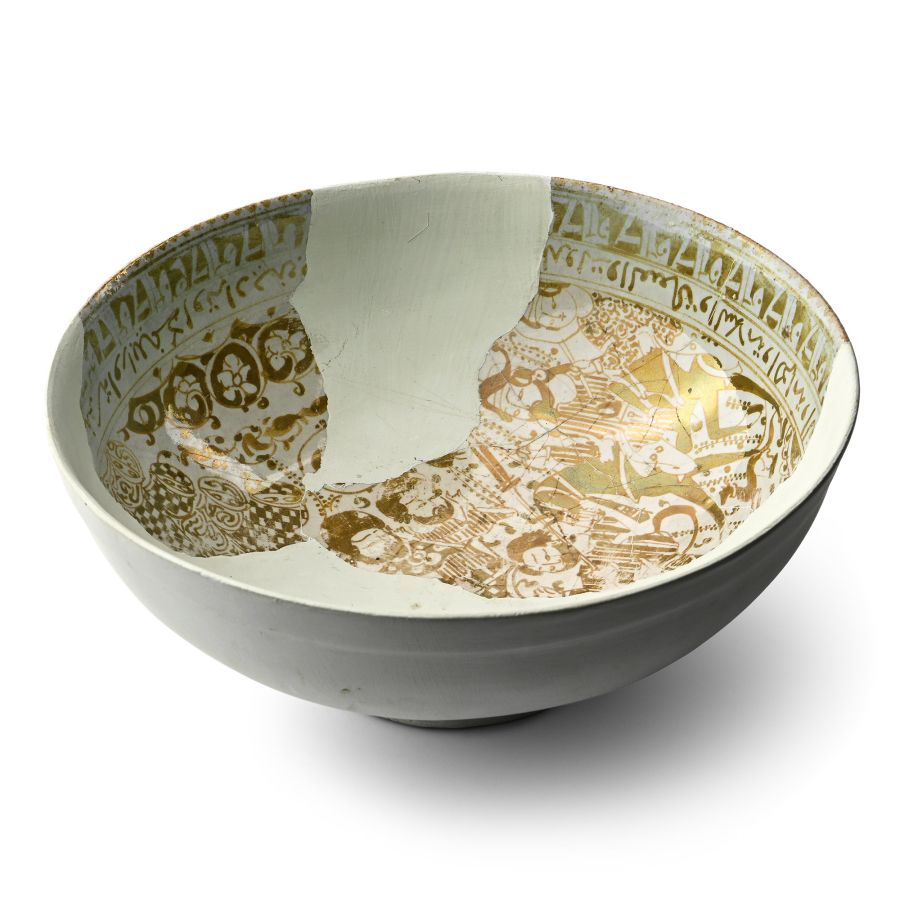
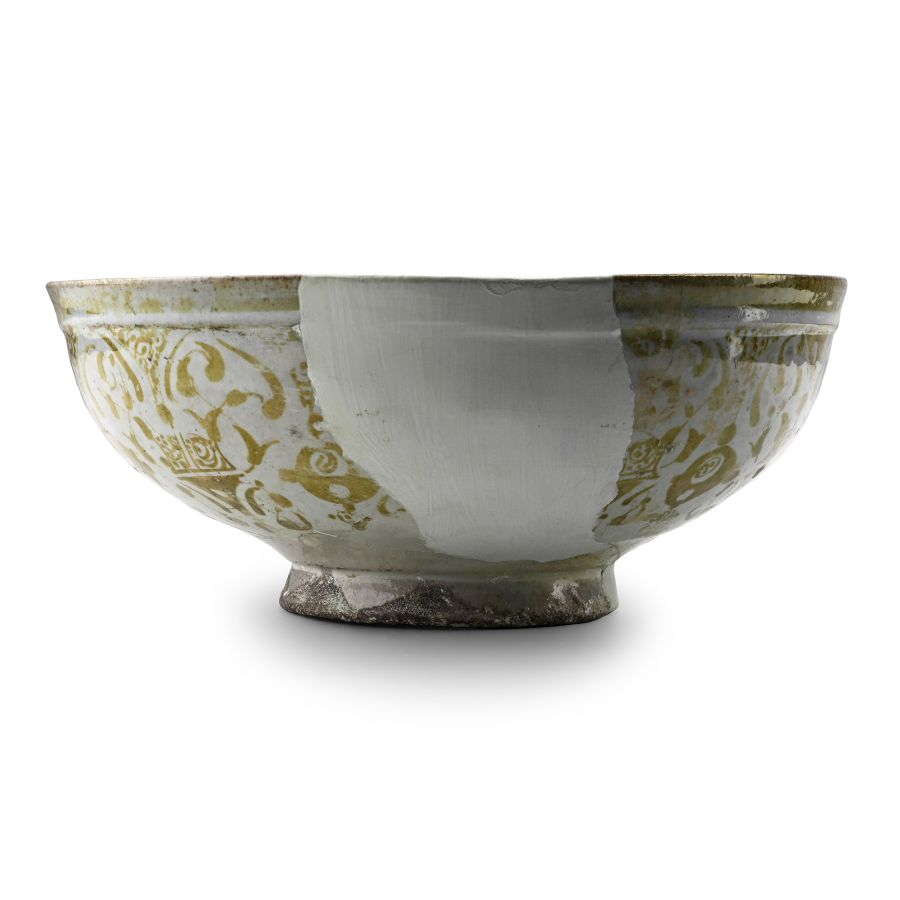
Fragments of a monochrome lustreware footed bowl; the tondo with dense figural scene including (i) left, four females wearing patterned burqa garments beneath a wreath of floral panels; (ii) right, mounted male in riding jacket on an advancing bridled horse with attendant to his rear holding a fan, hunting dog beneath the horse's legs and an attendant in striped clothing walking beore the horse carrying a spear or pole-arm over his shoulder; (iii) above the pearberaer, two bearded figures in patterned robes watching the horseman; border with reserved calligraphic Kufic text above a band of cursive writing; pellets to the rim; outer face with reserved arcade, dense arabesque scrolls and rosettes; mounted in a plain modern ceramic matrix.
ProvenancePrivate collection, UK.
LiteratureSee Watson, O., Ceramics of Iran. Islamic Pottery from the Sarikhani Collection, London, 2020, item 66, for an accompanied horseman image; item 103, 109, for dense foliage lustreware with text to the border.
CONDITIONTimeLine Auctions follows a vetting process to ensure the authenticity and legality of all items, reinforcing our commitment to integrity and responsible trading. Each antiquity, antique, and coin lot undergoes thorough examination by a vetting committee of at least ten external specialists, professional trade association members, scientists, and archaeologists: Our Vetting Process
AUCTIONS:
TimeLine is a leading auction house specialising in antiquities, ancient art, collectables, natural history, coins, medals, and books. Our auctions offer museums, collectors, historians, and enthusiasts the opportunity to acquire unique and historically significant pieces.
-
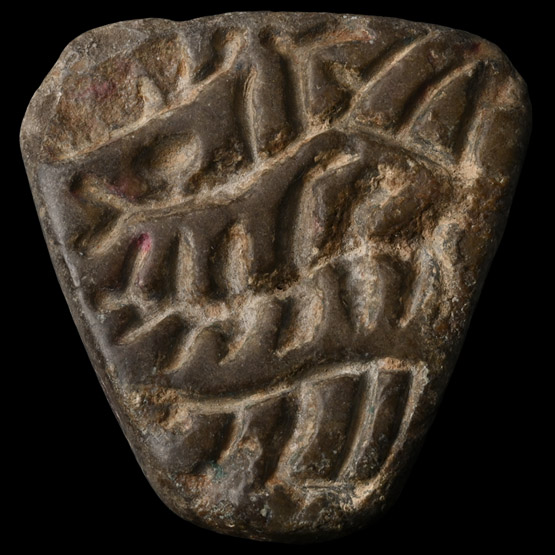
Western Asiatic Stone Seal with Engraved Design
3rd millennium B.C.Estimate: £150 - 200 (‡+bp*)
Opening Bid: £80
Triangular in plan and plano-convex in section with drilled upper face, geometric design to underside. 19 grams, 37 mm
Acquired in the mid 1980s-1990s. Private collection, Switzerland, thence by descent. Private collection, since the late 1990s. -
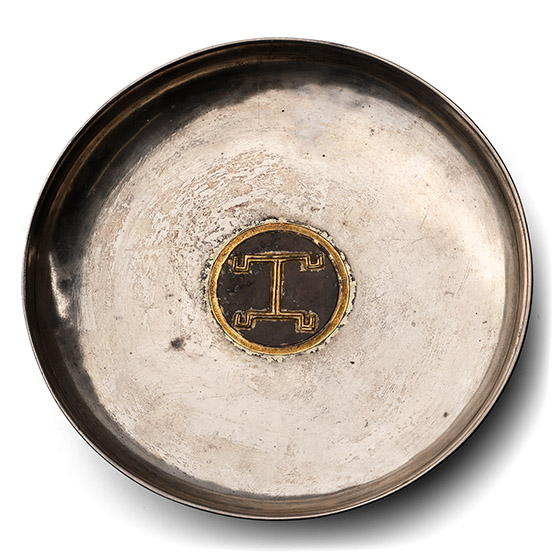
Post Sasanian Silver Footed Dish with 'Tamga'
Circa 8th-10th century A.D. or laterEstimate: £2,000 - 3,000 (+bp*)
Opening Bid: £1,000
Discoid footed dish with raised rim, central tondo with parcel-gilt ring and 'tamga' motif. 466 grams, 22 cm
Private collection, UK. Accompanied by an academic report by Dr Raffaele D’Amato. This lot has been checked against the Interpol Database of stolen works of art and is accompanied by search certificate number no.13029-247330.
During the Sasanian Empire, the North Iranian ‘tamgas’ became ‘Neshan’ or seals and heraldic symbols of nobility and military personnel, worn on their dress, horses, standards and personal belongings like this vessel. This characteristic also continued during the early Muslim domination. Among the Neshan published by Christensen, one particular ‘tamga’, related to an unknown Sasanian clan, recalls exactly half of the one impressed on the present example (Farrokh, 2005, p.23 no.5). -
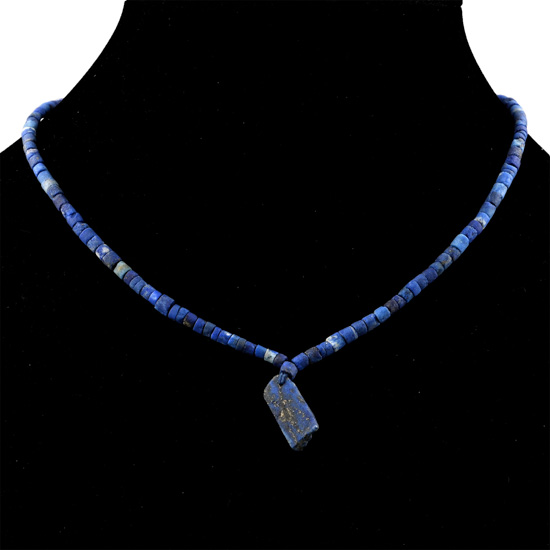
Bactrian Style Lapis Lazuli and Other Bead Necklace String
20th century A.D.Sold for (Inc. bp): £52
Composed of small tubular beads with a tabular pendant; restrung. 9.91 grams, 33 cm
From London, UK, gallery collection, 1990s.
