
LOT 2660
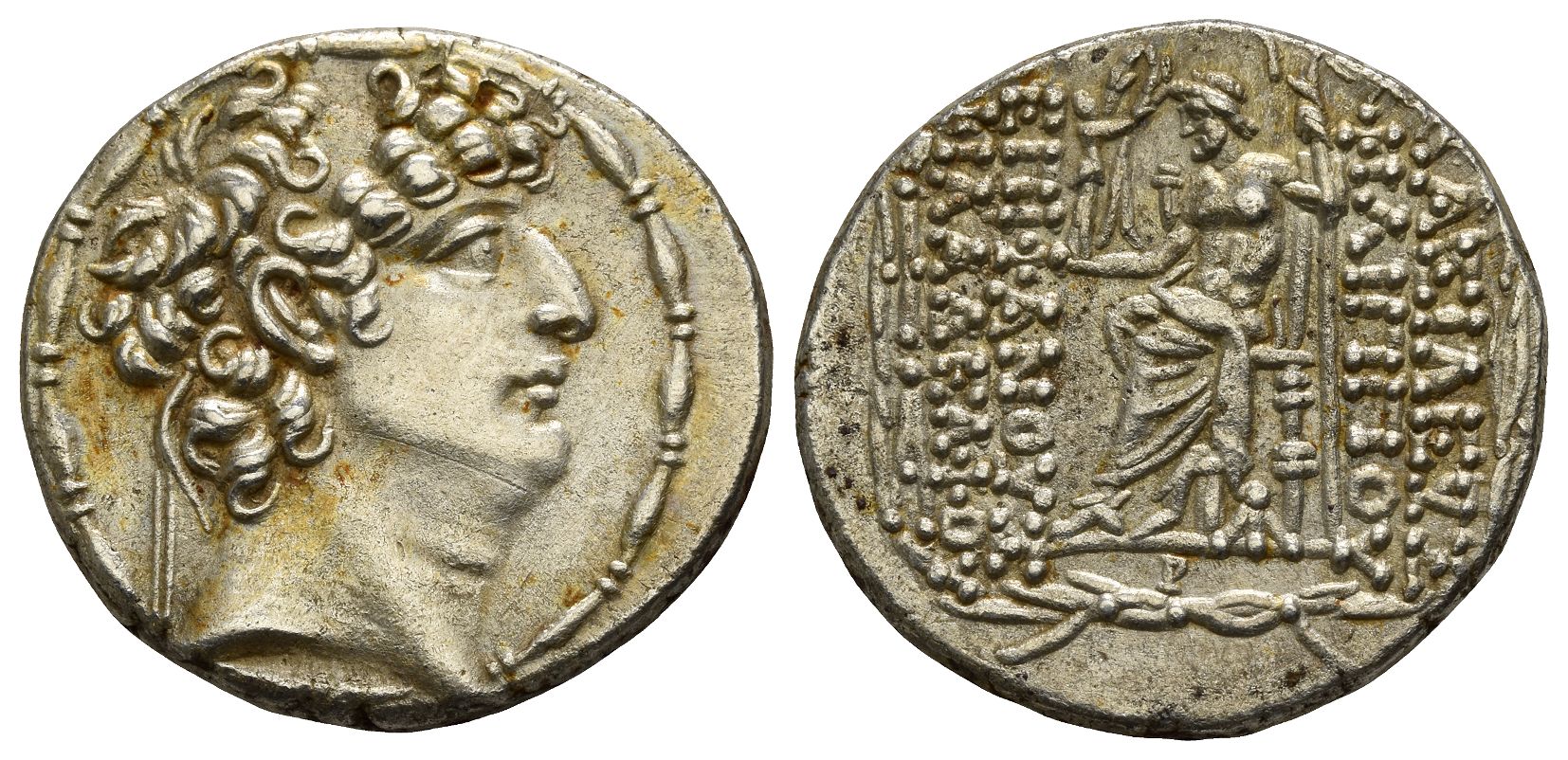
Seleukid Empire, Philip I Philadelphos AR Tetradrachm. Circa 95/4-76/5 BC.
Antioch on the Orontes mint. Struck circa 88/7–76/5 BC. Diademed head to right / Zeus Nikephoros seated to left on throne, holding sceptre; ΒΑΣΙΛΕΩΣ ΦΙΛΙΠΠΟY to right, ΕΠΙΦΑΝΟYΣ ΦΙΛΑΔΕΛΦΟY to left; to outer left, Φ above A; monogram beneath throne, P in exergue; all within wreath. SC 2463.3i; HGC 9, 1319. Near Extremely Fine.(15.81gr, 29mm, 1h.).
ProvenanceFrom the collection of a gentleman, acquired on the London art market in the 1990s.
Ex Classical Numismatic Group, Electronic Auction 558, 20 March 2024, lot 180.
TimeLine Auctions follows a vetting process to ensure the authenticity and legality of all items, reinforcing our commitment to integrity and responsible trading. Each antiquity, antique, and coin lot undergoes thorough examination by a vetting committee of at least ten external specialists, professional trade association members, scientists, and archaeologists: Our Vetting Process
AUCTIONS:
TimeLine is a leading auction house specialising in antiquities, ancient art, collectables, natural history, coins, medals, and books. Our auctions offer museums, collectors, historians, and enthusiasts the opportunity to acquire unique and historically significant pieces.
-
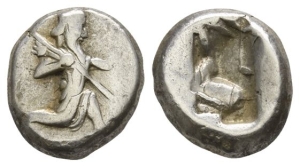
Persia. Achaemenid Empire, Time of Artaxerxes I to Artaxerxes II AR Siglos. Circa 450-375 BC.
Sold for (Inc. bp): £130
Lydo-Milesian standard. Sardes or subsidiary mint. Type IIIb (late). Persian king or hero, wearing kidaris and kandys, quiver over shoulder, in kneeling-running stance to right, holding transverse spear and bow / Oblong incuse punch. Carradice Type IIIb; BMC Arabia pl. XXV, 22. 5.46gr, 16mm.
Near Very Fine. Seemingly light tooling.
Ex 'V' gentleman's collection, Switzerland. From the property of a North London, UK, gentleman. -
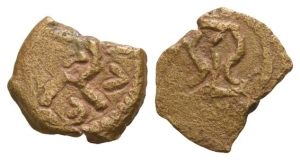
Judaea, Herod I AE Prutah. 40-4 BCE.
Sold for (Inc. bp): £20
Illegible inscription around small diadem with cross / Tripod table within dotted circle. HGC 10, 658. 1.45gr, 14mm, 2h.
Near Very Fine.
Property of a North London, UK, gentleman. -
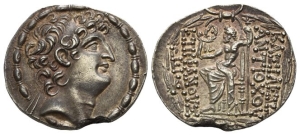
Seleukid Empire, Antiochos VIII Epiphanes (Grypos) AR Tetradrachm. 121/0-97/6 BC.
Sold for (Inc. bp): £520
Antioch mint; struck circa 109-96 BC. Diademed head of Antiochos to right within filleted border / ΒAΣΙΛEΩΣ ΑNTIOXOY EΠIΦANOYΣ, Zeus Nikephoros seated to left, holding sceptre; monogram of PE above A in outer left field, control mark beneath throne; all within wreath. SC 2309.2c. 16.06gr, 31mm, 12h.
Near Extremely Fine. Beautifully toned.
Acquired in 1995. From a private collection in Europe.
The Greeks loved to give nicknames to their kings, a custom that lasted until the late years of the Byzantine empire. An example of this is Antiochοs VIII Epiphanes, the so-called Grypos ('hook-nosed'), a fact confirmed in his iconography.
