
Loading, please wait...
LOT 0551
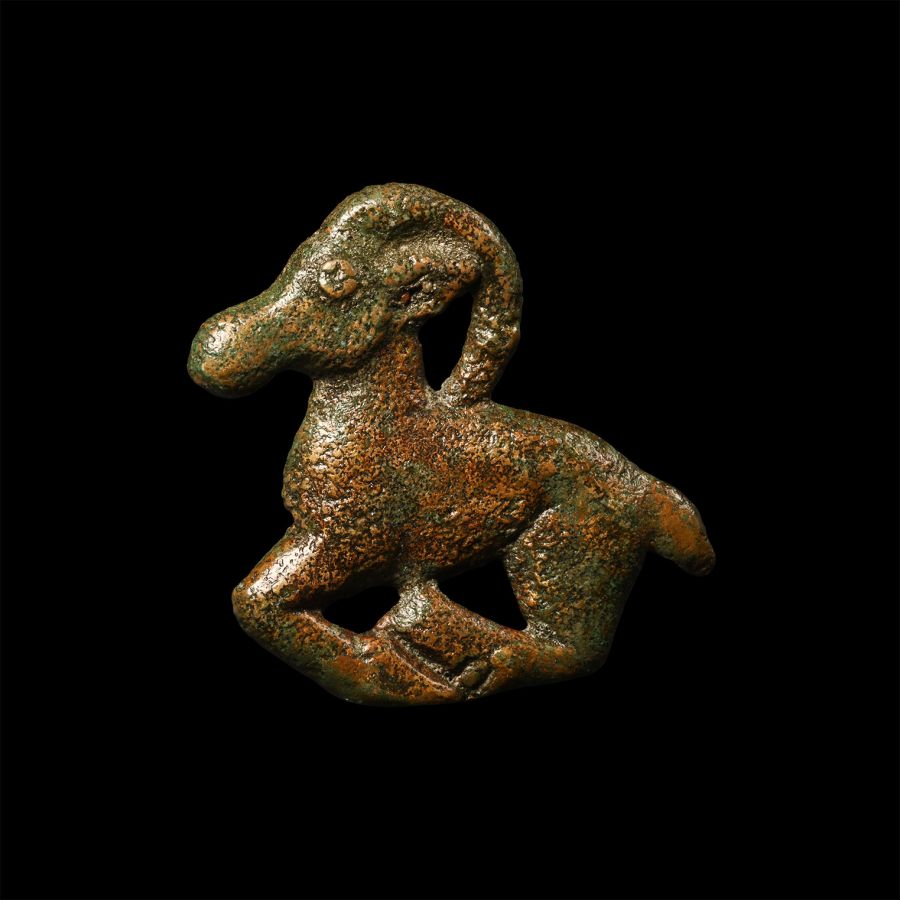
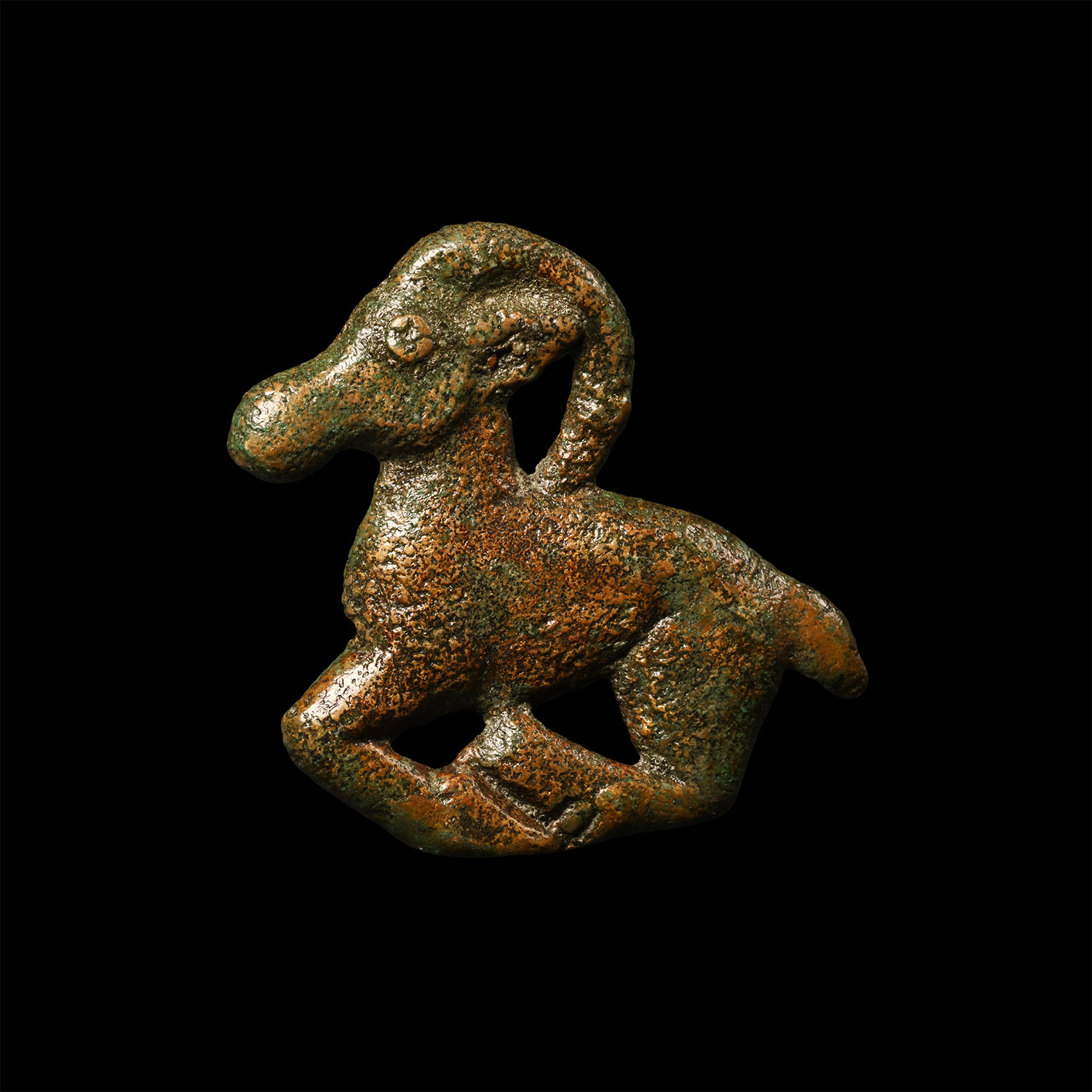
Scythian Ibex Mount
1ST MILLENNIUM B.C.
2 3/8 in. (38.6 grams, 60 mm).
A bronze mount depicting an ibex in profile with the legs folded beneath the body, mounting lug to the reverse.
ProvenanceAcquired 1980-2015.
Ex Abelita family collection.
TimeLine Auctions follows a vetting process to ensure the authenticity and legality of all items, reinforcing our commitment to integrity and responsible trading. Each antiquity, antique, and coin lot undergoes thorough examination by a vetting committee of at least ten external specialists, professional trade association members, scientists, and archaeologists: Our Vetting Process
AUCTIONS:
TimeLine is a leading auction house specialising in antiquities, ancient art, collectables, natural history, coins, medals, and books. Our auctions offer museums, collectors, historians, and enthusiasts the opportunity to acquire unique and historically significant pieces.
-
Greek Trailed Glass Vessel Group
2nd-1st century B.C.Estimate: £500 - 700 (‡+bp*)
Opening Bid: £250
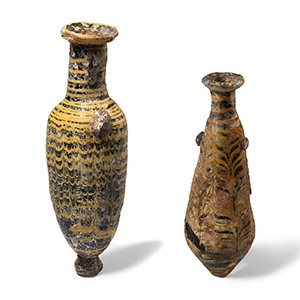
A pair of glass vessels with polychrome decoration and iridescent surfaces: an alabastron with fusiform body, conical foot and ledge handles, decorated with yellow feathering and trails; a blue amphoriskos with yellow festooning and trails, knop foot and everted rim; fragmentary. 197 grams total, 11.3-15 cm high
Acquired early 1990s. Ex private American collection; thence by descent. Private collection since 1998. -
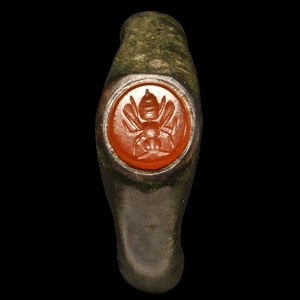
Greek Ring with Artemis Bee Gemstone
4th-3rd century B.C.Sold for (Inc. bp): £364
A bronze finger ring with inset carnelian gemstone, intaglio bee with legs splayed. 3.77 grams, 24.34 mm overall, 16.02 mm internal diameter (approximate size British K, USA 5 1/4, Europe 9.95, Japan 9)
Acquired before 2000. From the collection of a European gentleman living in the UK. -
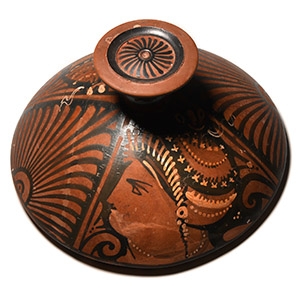
Greek Large Lekanis Lid with Lady of Fashion
5th-4th century B.C.Sold for (Inc. bp): £247
A lid from a large lekanis, composed of a domed body with inverted rim and large, tiered finial, the centre of the handle painted with lines radiating from a central circle, the painted motif to the body with areas of polychrome detailing and featuring the head of a lady of fashion to two sides, stylised shell panels between, waves around the rim; repaired. 596 grams, 22.5 cm wide
Acquired in the 1990s. Ex Cummings collection, UK.
A lekanis was a covered dish.
