
Loading, please wait...
LOT 0566
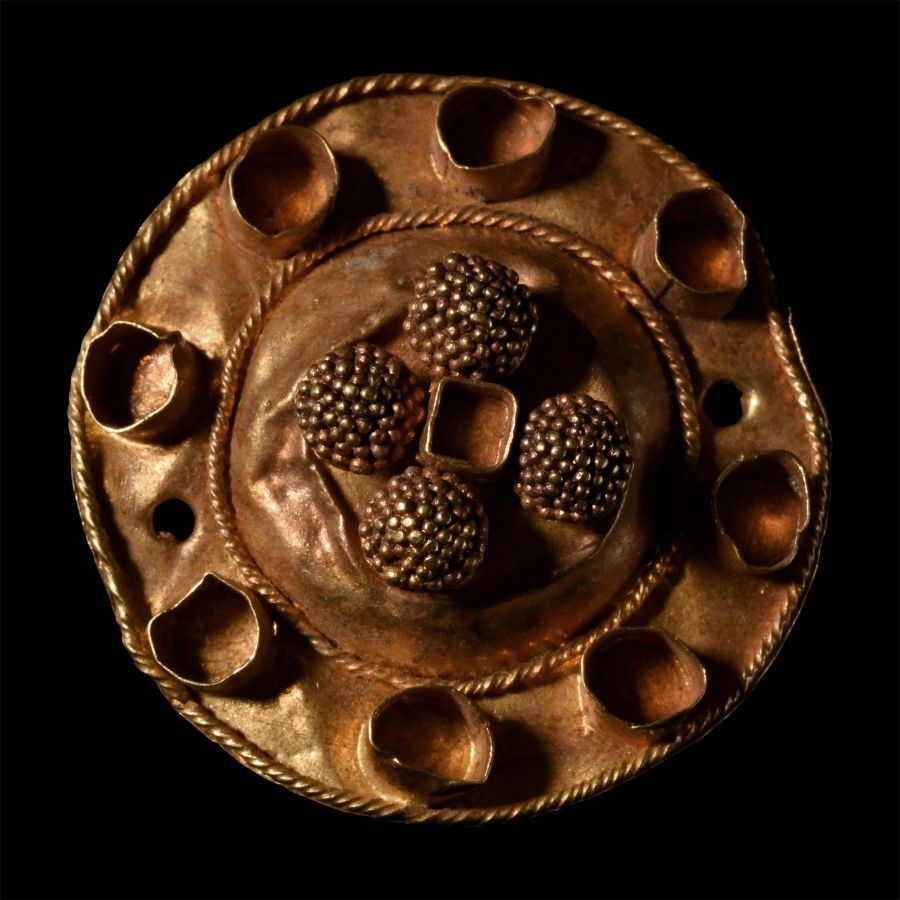
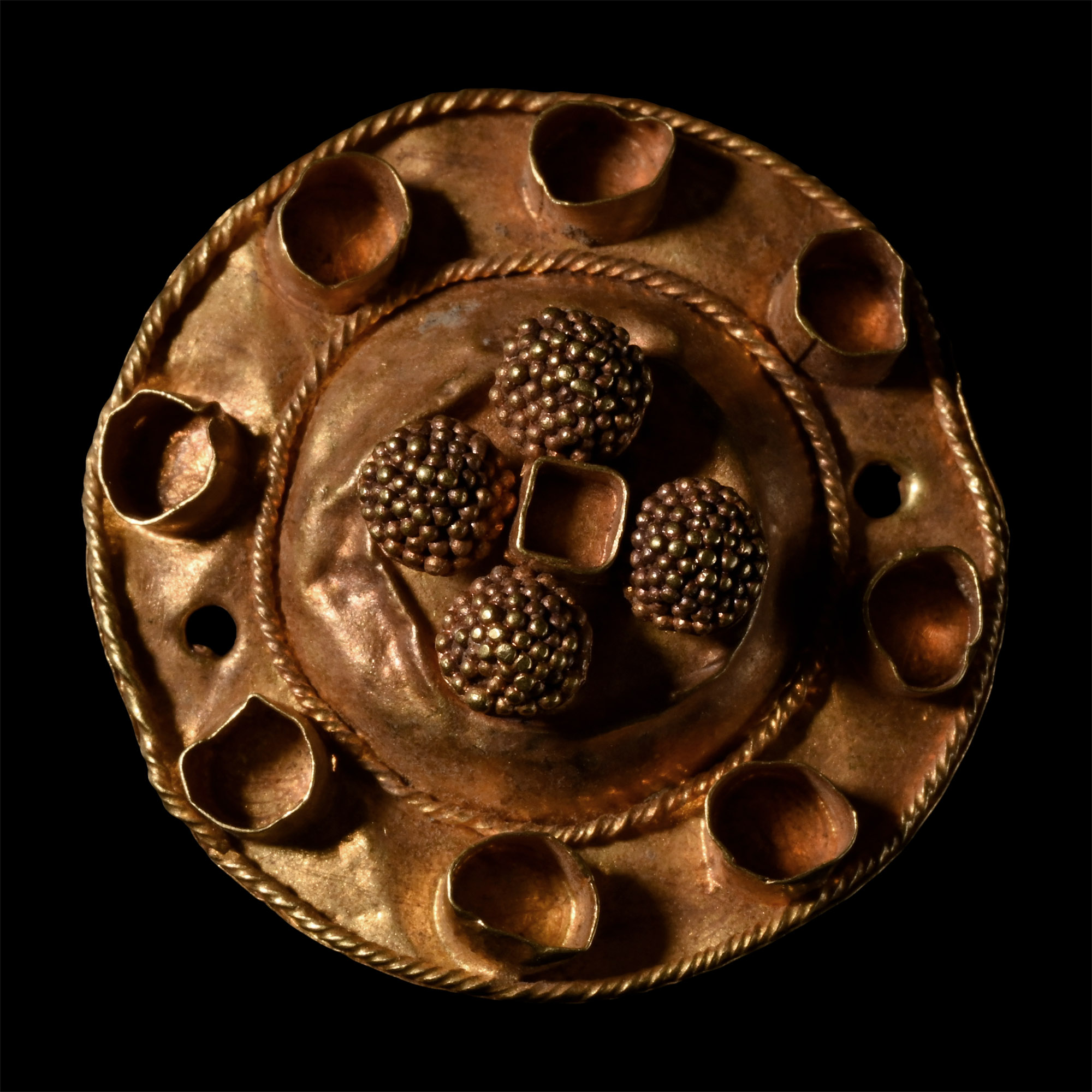
Scythian Gold Floral Mount
5TH-3RD CENTURY B.C.
1 1/8 in. (3.97 grams, 29 mm).
Discoid in plan with central dome, applied filigree trail to rim and base of dome, eight tubular cells to flange, four granulated clusters to boss and central square cell; flange pierced for attachment.
ProvenanceEx London, UK, gentleman's collection, 1980-1990s.
This lot is accompanied by an illustrated lot declaration signed by the Head of the Antiquities Department, Dr Raffaele D'Amato.
TimeLine Auctions follows a vetting process to ensure the authenticity and legality of all items, reinforcing our commitment to integrity and responsible trading. Each antiquity, antique, and coin lot undergoes thorough examination by a vetting committee of at least ten external specialists, professional trade association members, scientists, and archaeologists: Our Vetting Process
AUCTIONS:
TimeLine is a leading auction house specialising in antiquities, ancient art, collectables, natural history, coins, medals, and books. Our auctions offer museums, collectors, historians, and enthusiasts the opportunity to acquire unique and historically significant pieces.
LOT 0566
Scythian Gold Floral Mount
Estimate £400 - 600€460 - 700 (for guidance only)$540 - 810 (for guidance only)
-
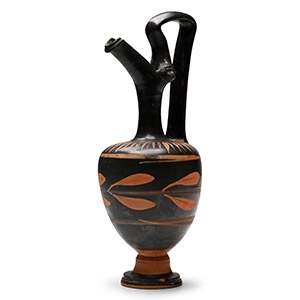
Greek Apulian Blackware Prochous with Laurel Leaves
South Italic, circa 4th century B.C.Sold for (Inc. bp): £546
With pedestal base, bulbous body, broad shoulder, tapering neck with beak-like spout and tall strap handle to the rear; the body painted with a laurel-leaf frond. 172 grams, 18 cm
From the private collection of a Canadian gentleman living in Essex, UK, formed since the 1920s-circa 1990. Property of an Essex lady until the late 1990s; thence by descent. From the private collection of an Essex gentleman since the late 1990s. This lot is accompanied by an illustrated lot declaration signed by the Head of the Antiquities Department, Dr Raffaele D'Amato. -
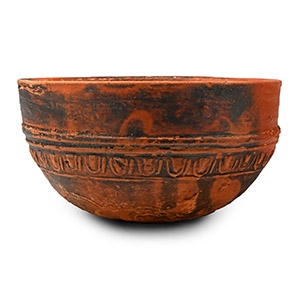
Greek Megarian Terracotta Bowl
2nd century B.C.Estimate: £350 - 450 (+bp*)
Opening Bid: £175
Hemispherical in profile with slightly everted rim and a matt glaze, raised architectural motifs to the shoulder, dense stylised vines below; shallow rosette foot. 208 grams, 13.5 cm
From the collection of a gentleman, acquired on the London art market in the 1990s. This lot is accompanied by an illustrated lot declaration signed by the Head of the Antiquities Department, Dr Raffaele D'Amato. -
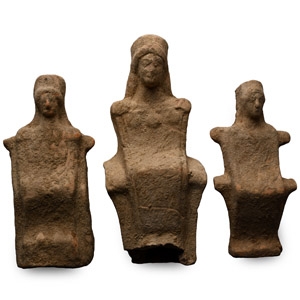
Archaic Greek Terracotta Seated Goddess Group
5th century B.C.Sold for (Inc. bp): £715
Each depicting a goddess seated on a wide high-backed throne and wearing a long dress, her hands resting on the lap. 778 grams total, 15.5-20 cm
with H.A.C., Basel, prior 1999. This lot is accompanied by an illustrated lot declaration signed by the Head of the Antiquities Department, Dr Raffaele D'Amato.
