
Loading, please wait...
LOT 0126
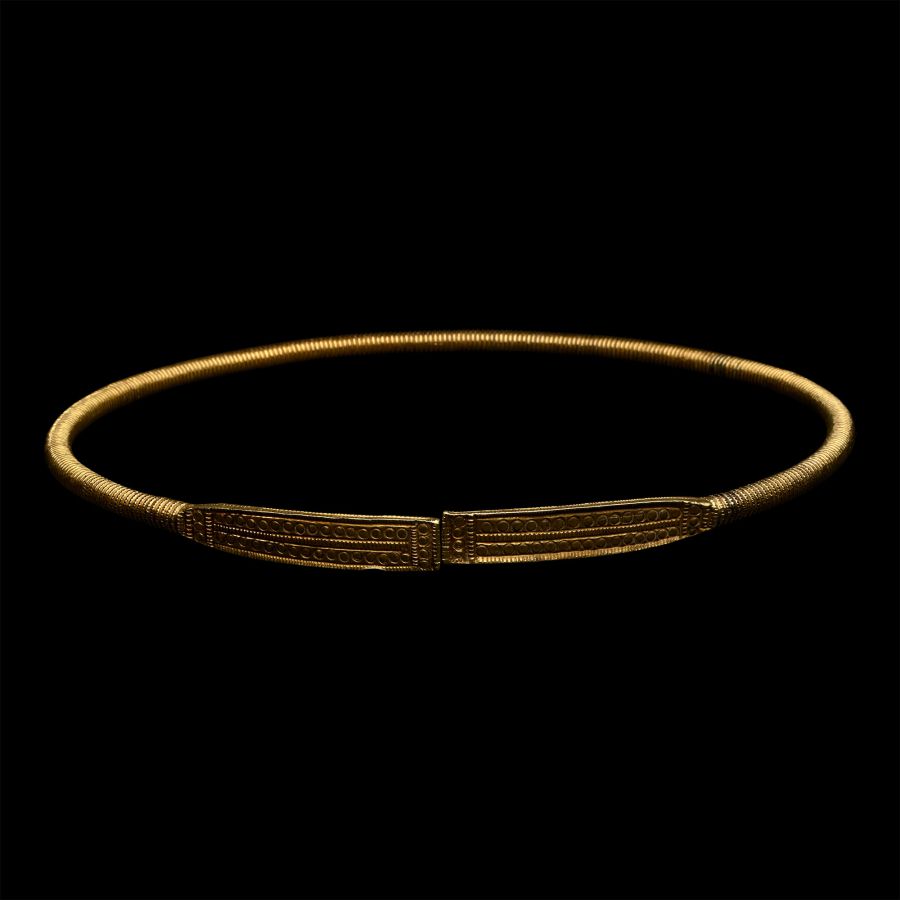
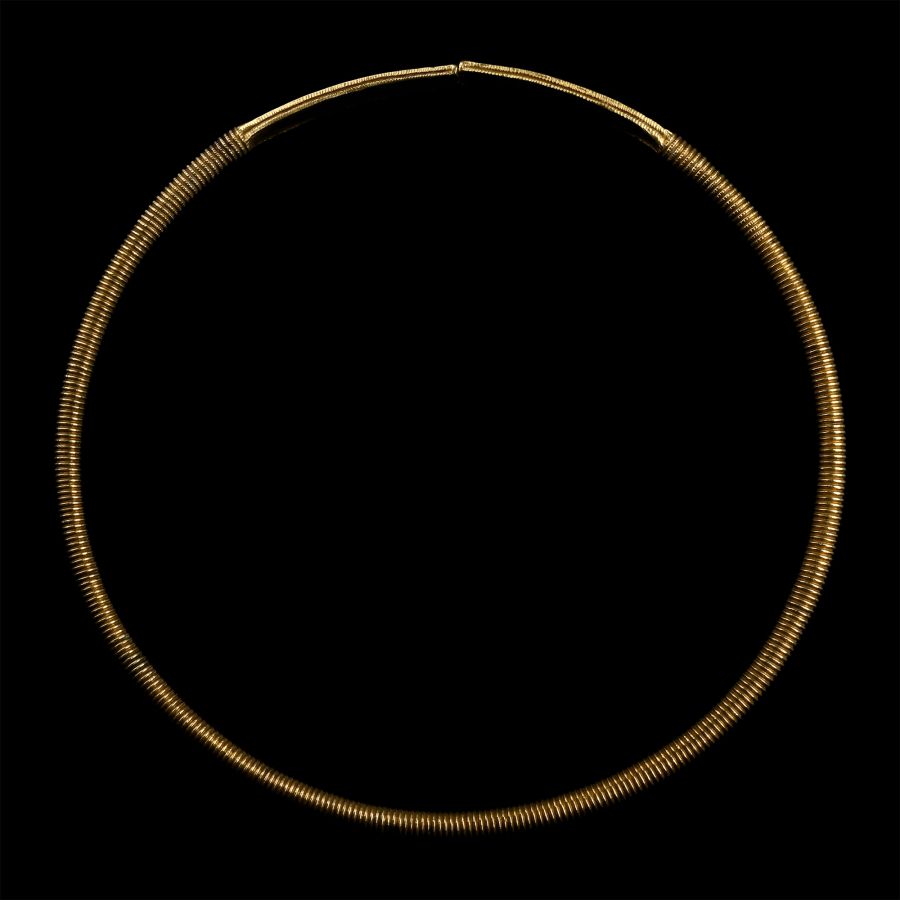
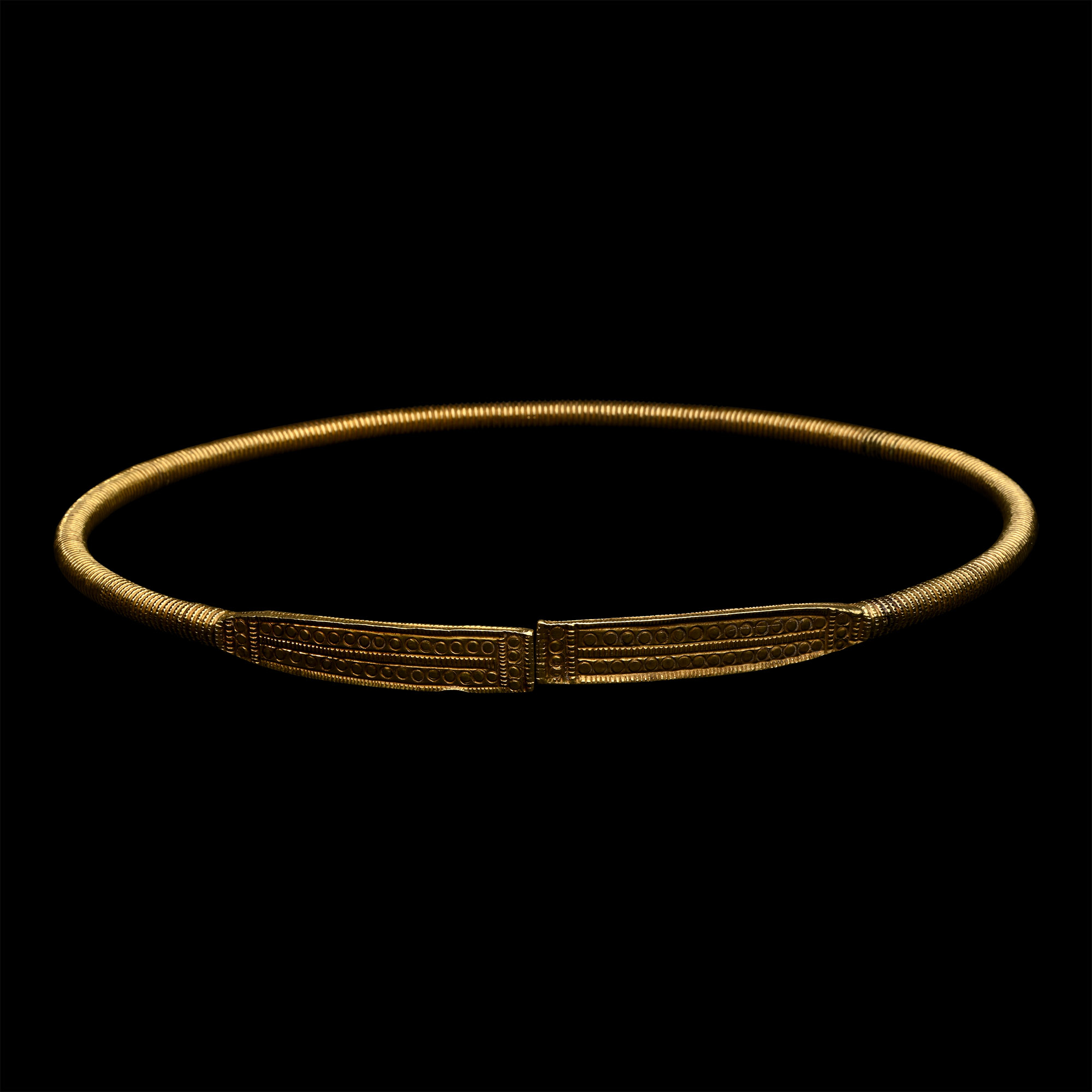
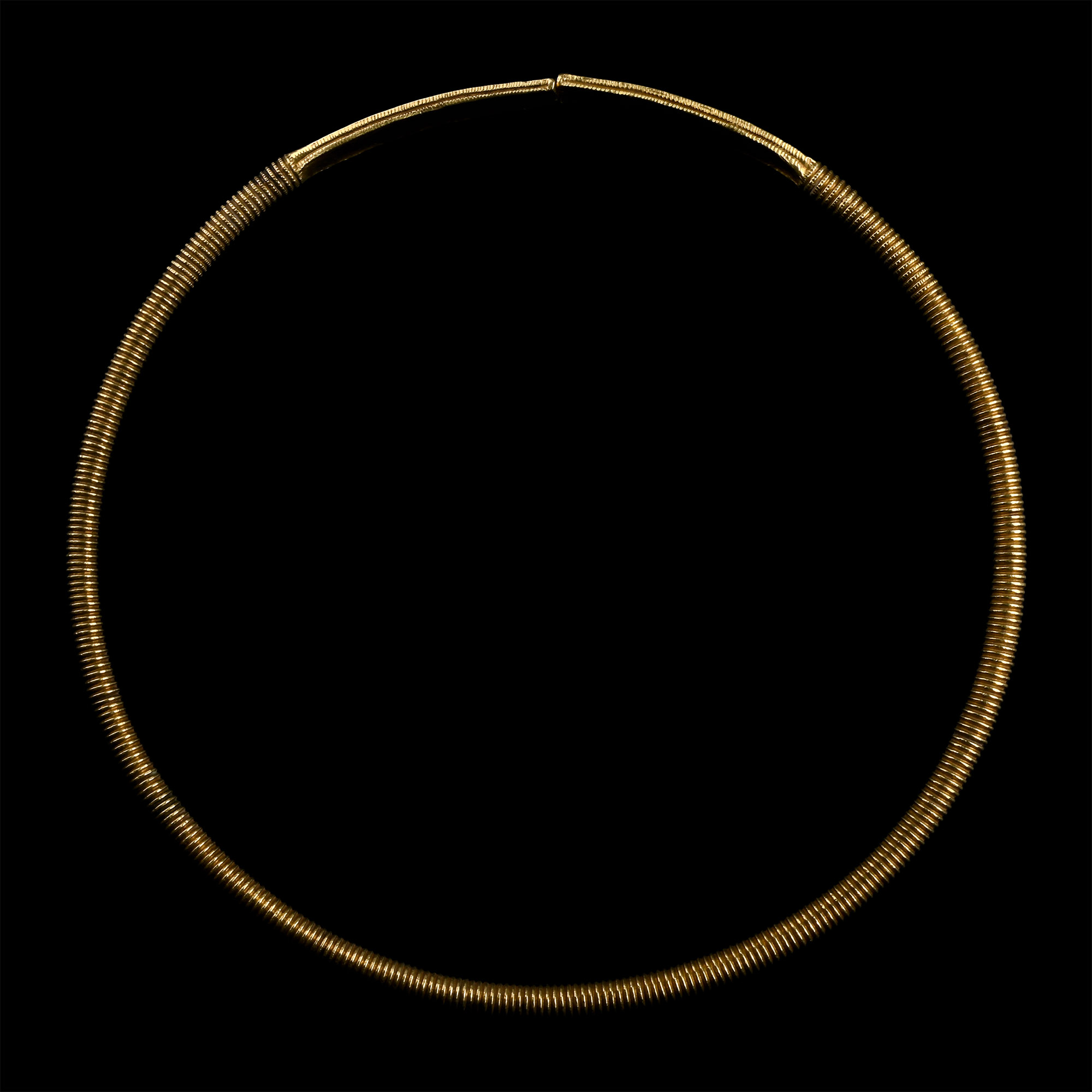
Scythian Gold-Clad Ribbed Torc with Decorated Terminals
4TH-3RD CENTURY B.C.
11 in. (481 grams, 28 cm).
Round in section with ribbing, rectangular finials with billeting to the borders and edges, and rows of impressed roundels.
ProvenancePrivate collection, Wagner family, Germany, 1955.
Private collection, London.
This lot has been checked against the Interpol Database of stolen works of art and is accompanied by a search certificate number no.12389-226870.
See Hellmuth, A., Da Esti A Ovest: Le Tombe Principesche degli Sciti, in Bonora, G.L. and Marzatico, F., Ori dei Cavalieri delle Steppe, Milan, 2007, p.175, pl.13.
CONDITIONTimeLine Auctions follows a vetting process to ensure the authenticity and legality of all items, reinforcing our commitment to integrity and responsible trading. Each antiquity, antique, and coin lot undergoes thorough examination by a vetting committee of at least ten external specialists, professional trade association members, scientists, and archaeologists: Our Vetting Process
AUCTIONS:
TimeLine is a leading auction house specialising in antiquities, ancient art, collectables, natural history, coins, medals, and books. Our auctions offer museums, collectors, historians, and enthusiasts the opportunity to acquire unique and historically significant pieces.
LOT 0126
Scythian Gold-Clad Ribbed Torc with Decorated Terminals
Sold for (Inc. bp): £9,360
-
Graeco-Roman Bronze Ring
1st century B.C.-1st century A.D. or laterSold for (Inc. bp): £20
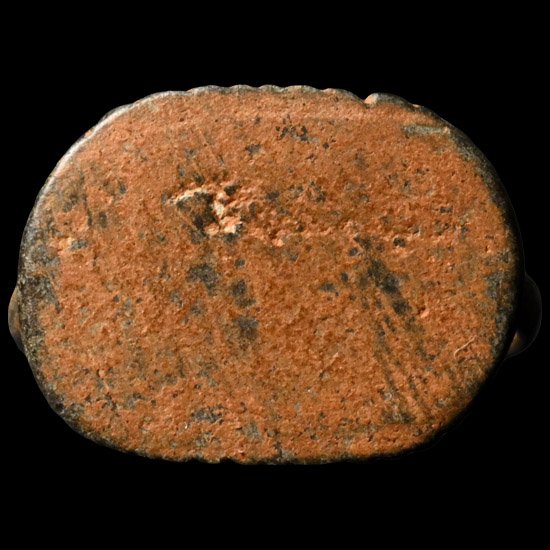
Comprising a slender hoop and a large oval bezel with a piecrust edge. 5.06 grams, 23.24 mm overall, 20.01 mm internal diameter (approximate size British Q, USA 8, Europe 17.49, Japan 16)
Acquired on the UK art market in 2013 Property of a West Northamptonshire, UK, gentleman. -
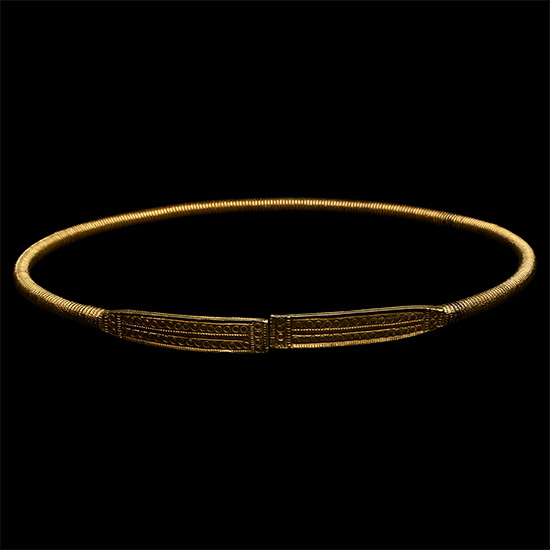
Scythian Gold-Clad Ribbed Torc with Decorated Terminals
4th-3rd century B.C.Sold for (Inc. bp): £9,360
Round in section with ribbing, rectangular finials with billeting to the borders and edges, and rows of impressed roundels. 481 grams, 28 cm
Private collection, Wagner family, Germany, 1955. Private collection, London. This lot has been checked against the Interpol Database of stolen works of art and is accompanied by a search certificate number no.12389-226870. -
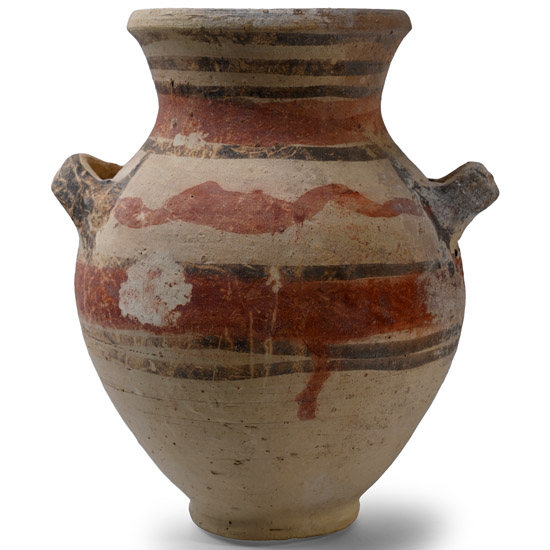
Eastern Mediterranean Two-Handled Vase
Iron Age, circa 6th century B.C. or laterSold for (Inc. bp): £221
With piriform body, broad neck and flared mouth with rolled rim, two lateral loop handles to the shoulder; painted circumferential bands. 593 grams, 19.3 cm
Property of a Northamptonshire collector. Acquired on the UK art market at auction in 2012. Property of a West Northamptonshire, UK, gentleman.
