
Loading, please wait...
LOT 0523
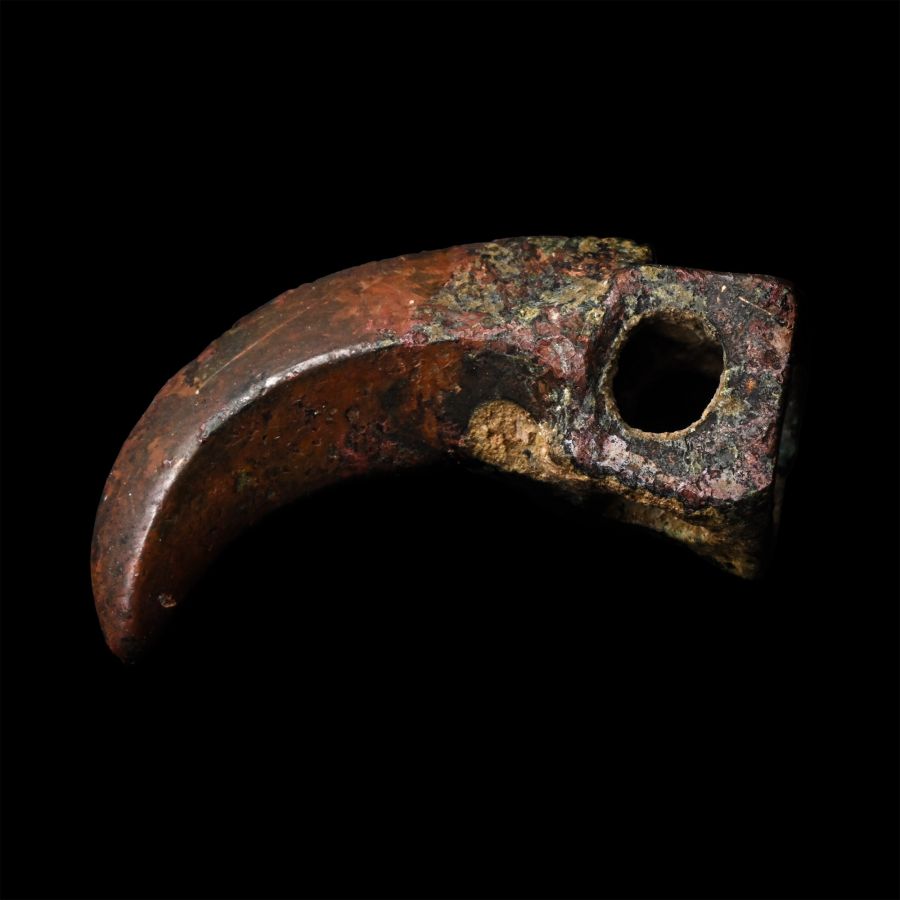
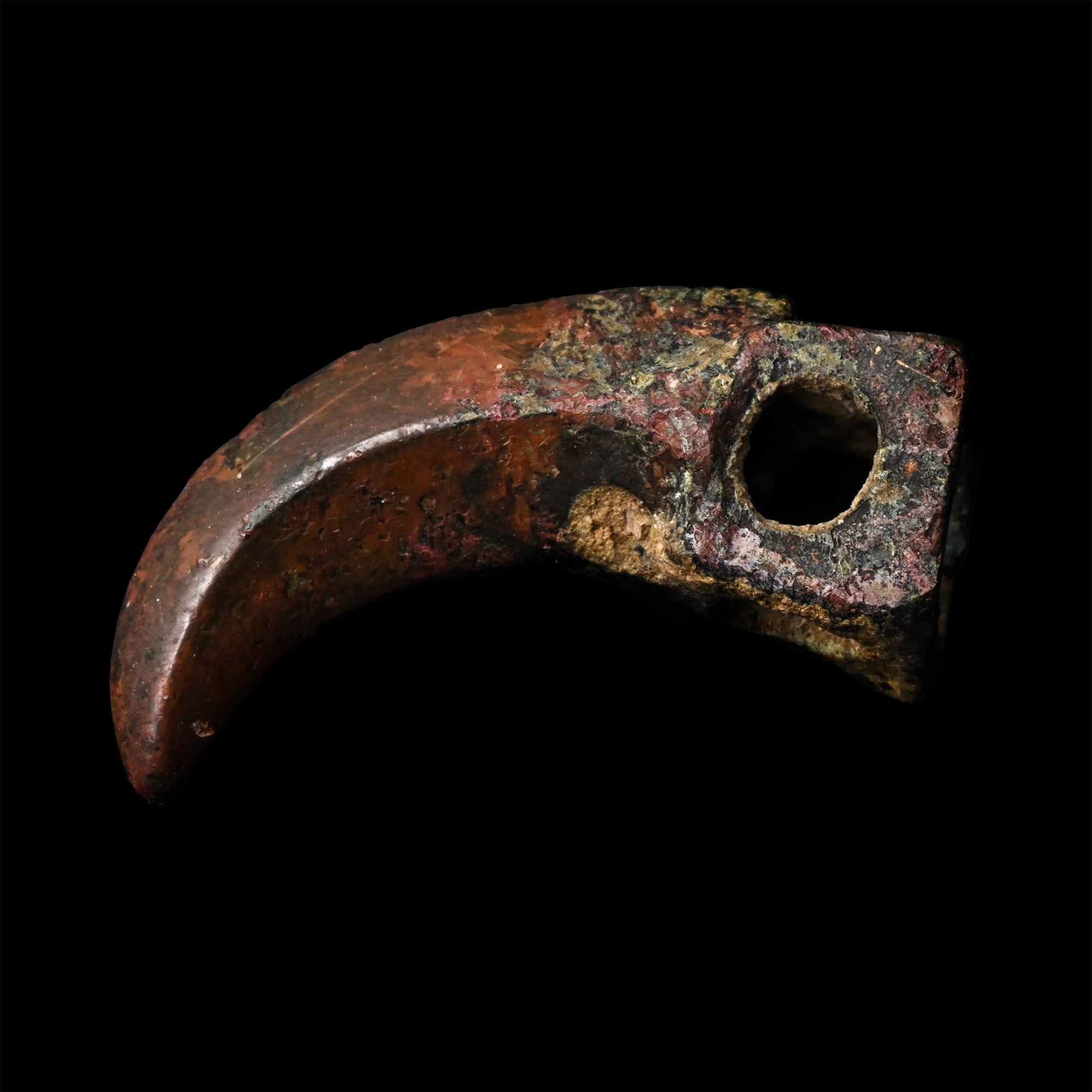
Scythian Bronze Eagle's Talon Pendant
CIRCA 6TH CENTURY B.C.
1 3/8 in. (12.45 grams, 36.19 mm).
Curved square-section hook with cuboid finial pierced on all four sides and to the top. [No Reserve]
ProvenanceFrom the private collection of a European gentleman (1942-2024), formed since the 1970s.
CONDITIONTimeLine Auctions follows a vetting process to ensure the authenticity and legality of all items, reinforcing our commitment to integrity and responsible trading. Each antiquity, antique, and coin lot undergoes thorough examination by a vetting committee of at least ten external specialists, professional trade association members, scientists, and archaeologists: Our Vetting Process
AUCTIONS:
TimeLine is a leading auction house specialising in antiquities, ancient art, collectables, natural history, coins, medals, and books. Our auctions offer museums, collectors, historians, and enthusiasts the opportunity to acquire unique and historically significant pieces.
-
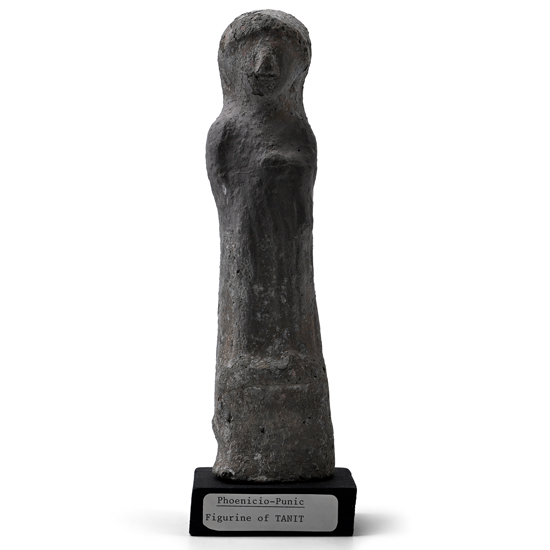
Phoenicio-Punic Terracotta Goddess Tanit Figure
Late 1st millennium B.C.Sold for (Inc. bp): £208
Modelled in the round, wearing a long dress and a veil, standing on a pedestal with her arms raised at her chest; mounted on a custom-made display stand with an old collector's sticker. 275 grams, 19.2 cm
From the private collection of Mr Brian Edwards, New Malden, Surrey, UK, formed from the late 1970s-early 1980s; thence by descent. Accompanied by a collector's data information card with collection reference no.113. -
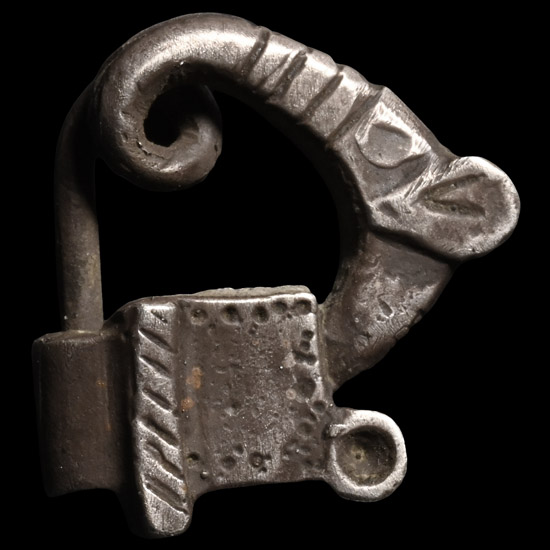
Phrygian Silver Bow Brooch
Iron Age, circa 8th-7th century B.C.Sold for (Inc. bp): £65
The bow formed as a stylised animal with teardrop-shaped ears and a long, curving trunk extending as the pin, square footplate with a small loop. 2.93 grams, 16.12 mm
From the private collection of a European gentleman (1942-2024), formed since the 1970s. -
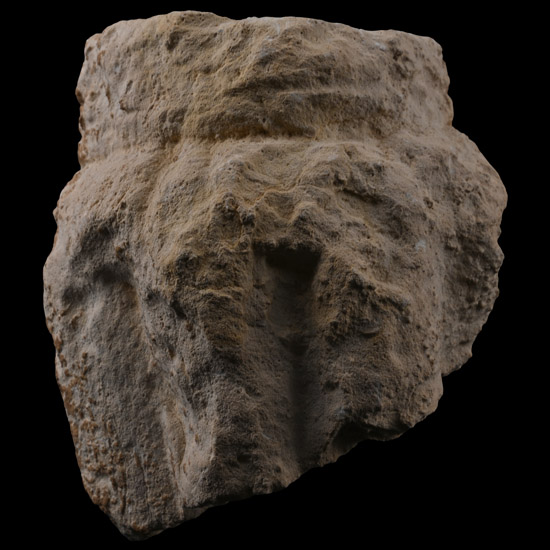
Graeco-Roman Stone Column Section
Late 1st century B.C.-early 1st century A.D.Sold for (Inc. bp): £26
A section showing tightly wrapped lotus petals. 492 grams, 95 mm
From the late collection of a Cornish couple formed from the early 1990s.
