
Loading, please wait...
LOT 0065
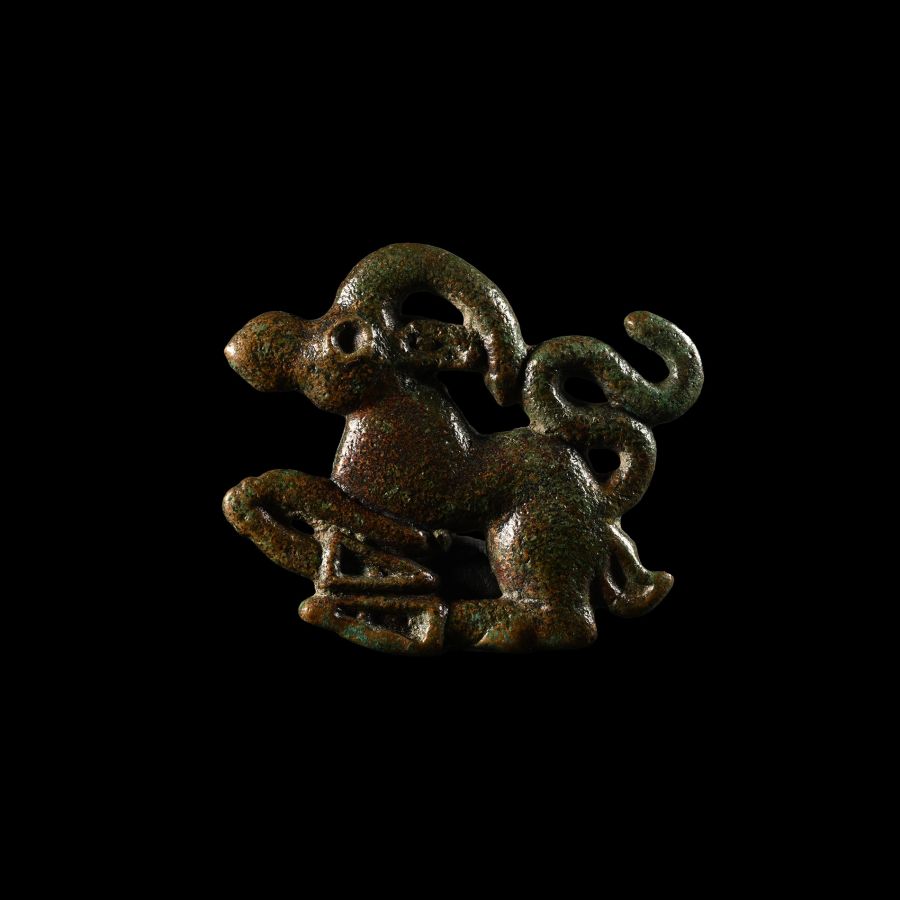
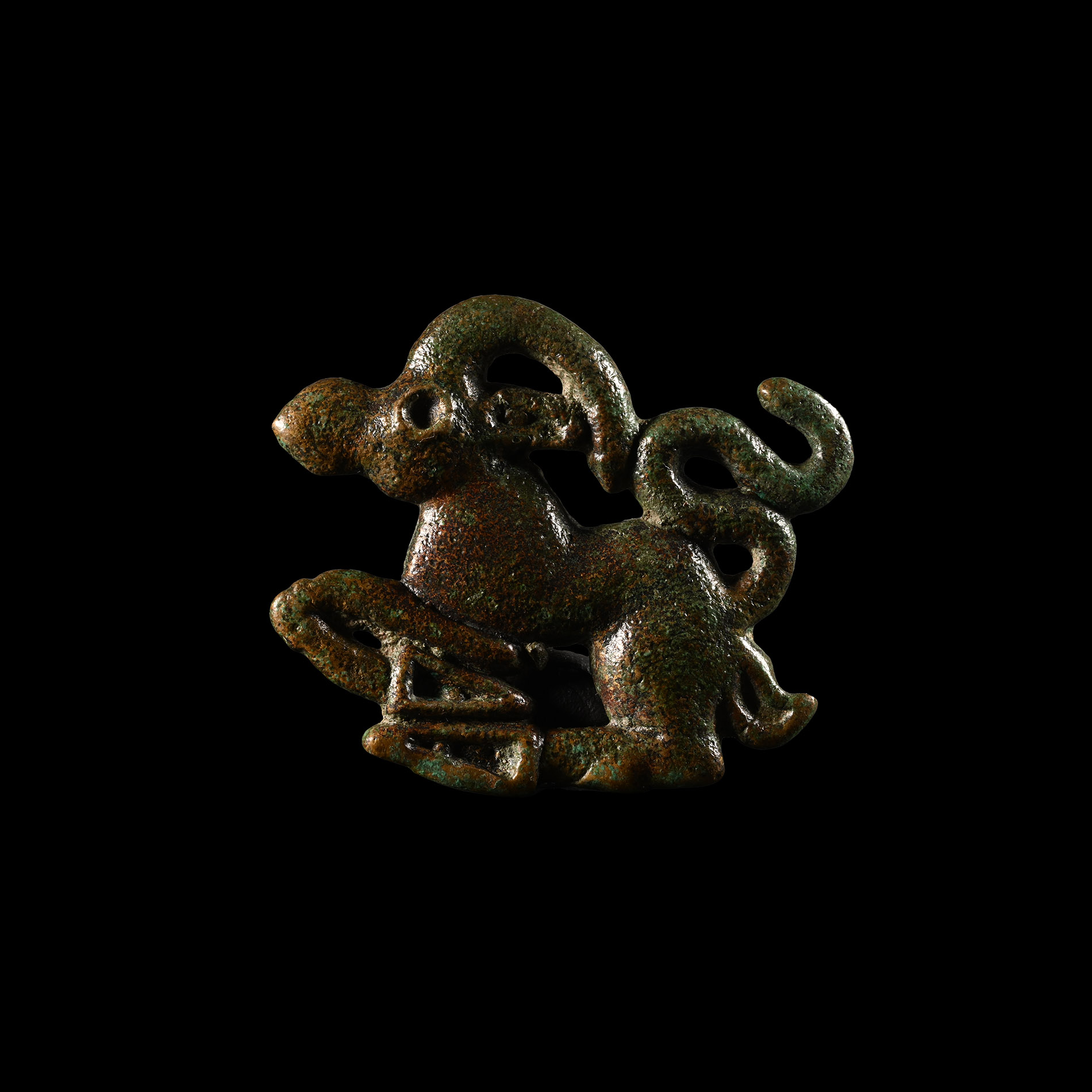
Scythian Bronze Antelope Mount
CIRCA 4TH-3RD CENTURY B.C.
2 3/8 in. (50 grams, 60 mm).
Openwork with mounting lug to the reverse; animal in active pose with S-curved tail.
ProvenanceAcquired 1980-2015.
Ex Abelita family collection.
TimeLine Auctions follows a vetting process to ensure the authenticity and legality of all items, reinforcing our commitment to integrity and responsible trading. Each antiquity, antique, and coin lot undergoes thorough examination by a vetting committee of at least ten external specialists, professional trade association members, scientists, and archaeologists: Our Vetting Process
AUCTIONS:
TimeLine is a leading auction house specialising in antiquities, ancient art, collectables, natural history, coins, medals, and books. Our auctions offer museums, collectors, historians, and enthusiasts the opportunity to acquire unique and historically significant pieces.
LOT 0065
Scythian Bronze Antelope Mount
Estimate £300 - 400€350 - 460 (for guidance only)$410 - 540 (for guidance only)
-
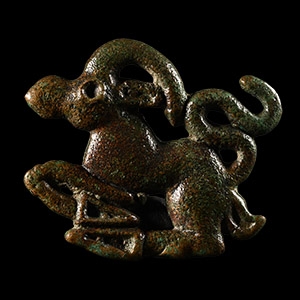
Scythian Bronze Antelope Mount
Circa 4th-3rd century B.C.Estimate: £300 - 400 (+bp*)
Opening Bid: £150
Openwork with mounting lug to the reverse; animal in active pose with S-curved tail. 50 grams, 60 mm
Acquired 1980-2015. Ex Abelita family collection. -
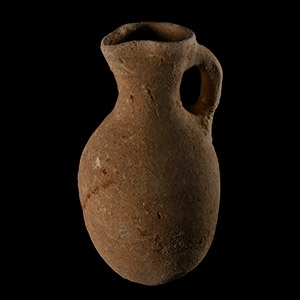
Eastern Mediterranean Terracotta Jug
Iron Age, circa 700-500 B.C.Sold for (Inc. bp): £72
With tapering rounded bottom, deep shoulder, tall neck pinched to a triangular shape spout, strap handle to the rear. 253 grams, 14.7 cm high
Acquired 1980-2015. Ex Abelita family collection. -
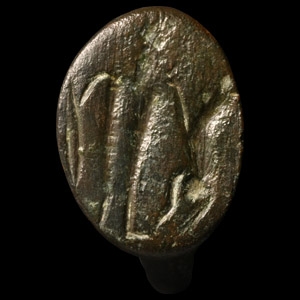
Hellenistic Bronze Ring with Lion Attacking a Warrior
Circa 3rd-1st century B.C.Sold for (Inc. bp): £39
With narrow flat-bottomed hoop, ellipsoid bezel with incuse combat scene of a standing human figure with a shield seizing a rearing lion. 9.17 grams, 24.52 mm overall, 19.78 mm internal diameter (approximate size British Q 1/2, USA 8 1/4, Europe 18.12, Japan 17)
Ex old English collection. London art market, pre 2000. Property of a London, UK, gentleman.
