
Loading, please wait...
LOT 0328
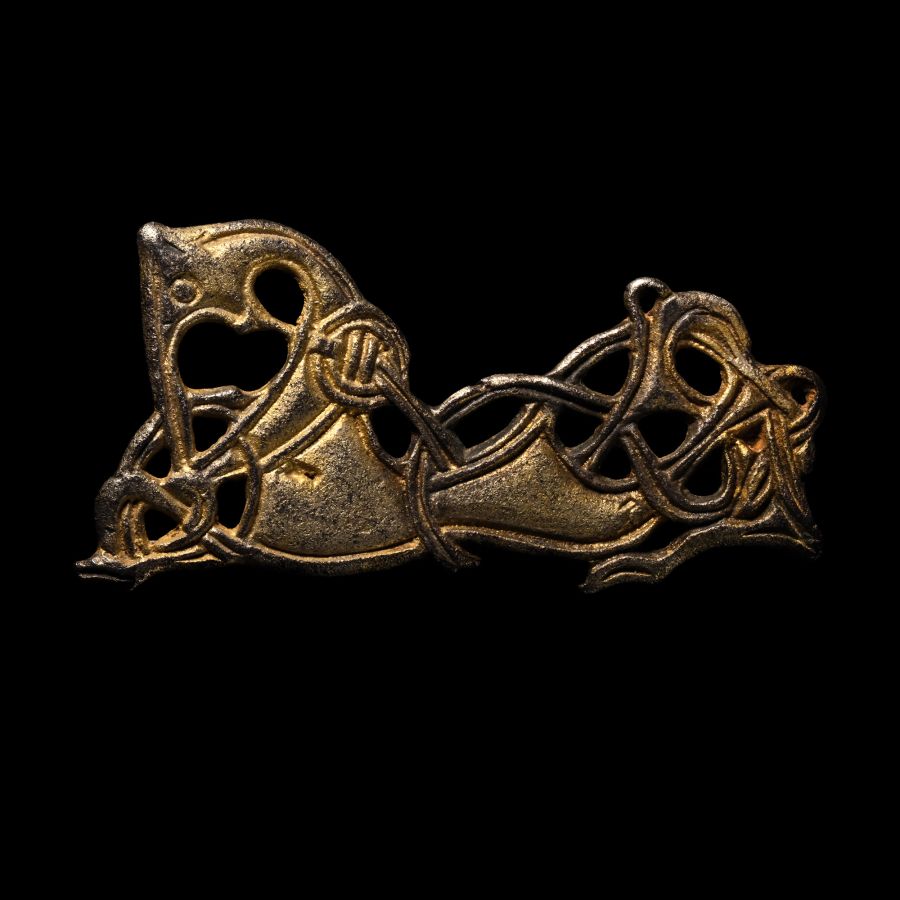
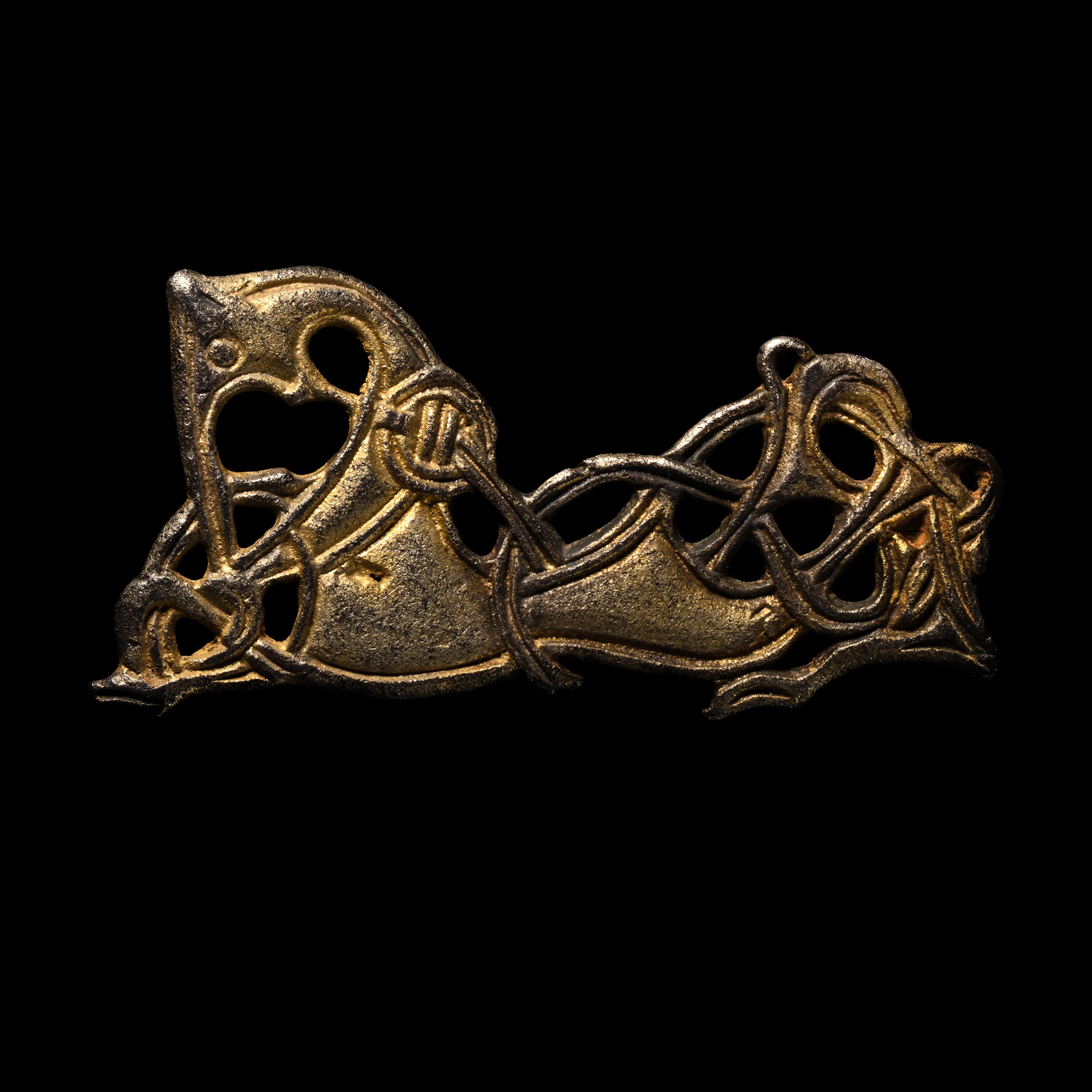
Scandinavian Viking Silver-Gilt Oseberg Style Brooch
9TH CENTURY A.D.
2 in. (8.88 grams, 50 mm).
Plate brooch formed as an advancing animal executed in early Oseberg Style with looped tendrils around the body; pin-lugs and catch to reverse. [No Reserve]
ProvenancePrivate collection formed in Europe in the 1980s.
Westminster collection, central London, UK.
This lot has been checked against the Interpol Database of stolen works of art and is accompanied by search certificate number no.13091-248792.
Cf. similar in Kulturhistorisk Museum, Oslo under Item ID C27220/n.
FootnotesRemarkably similar to the famous brooch from Lamøen, Vestfold, Norway, the brooch retains much of its original gilding.
CONDITIONTimeLine Auctions follows a vetting process to ensure the authenticity and legality of all items, reinforcing our commitment to integrity and responsible trading. Each antiquity, antique, and coin lot undergoes thorough examination by a vetting committee of at least ten external specialists, professional trade association members, scientists, and archaeologists: Our Vetting Process
AUCTIONS:
TimeLine is a leading auction house specialising in antiquities, ancient art, collectables, natural history, coins, medals, and books. Our auctions offer museums, collectors, historians, and enthusiasts the opportunity to acquire unique and historically significant pieces.
-
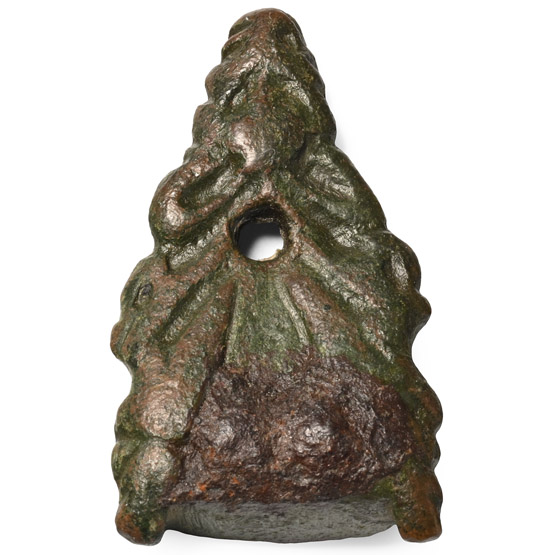
Anglo-Scandinavian Viking Bronze Stirrup Apex Mount with Beast Heads
11th century A.D.Sold for (Inc. bp): £104
Triangular mount of Williams's Class A Type 8, with bear-head finial and acanthus-leaf chevron, vestigial rear ledge, three piercings, two with iron rivets in situ. 25 grams, 46 mm
Found Norfolk, UK. -
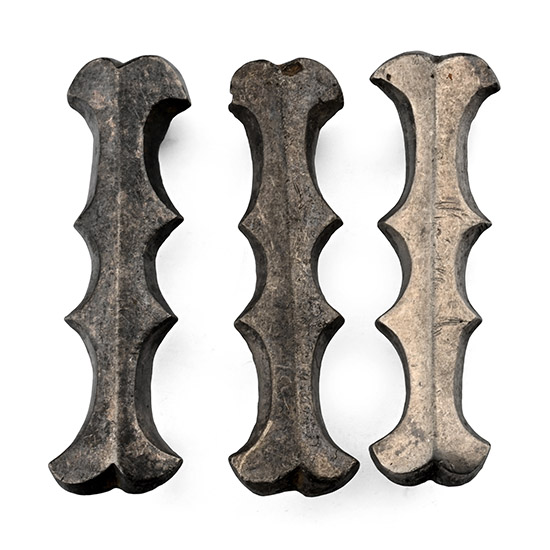
Viking Period Silver Belt Mount Group
Circa 9th-11th century A.D.Sold for (Inc. bp): £91
Each a rectangular bar with median carination, splayed ends, scooped edges; mounting pins to reverse. 27.7 grams total, 43.8-44.5mm
From an old English collection, 1980s. -
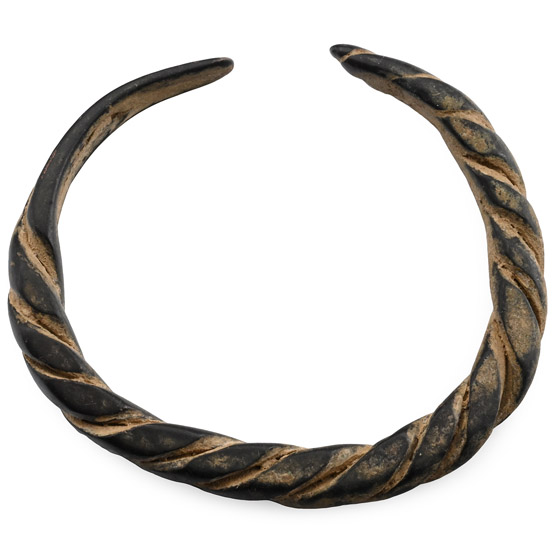
Viking Age Bronze Twisted Bar Bracelet
Circa 9th-11th century A.D.Sold for (Inc. bp): £85
Two rods tightly twisted and curved into a penannular shape, hammered flat towards the ends, one terminal with a hatched design to the outer edge. 36 grams, 62 mm
Ex East Sussex private collection, 1970s-1980s.
