
Loading, please wait...
LOT 0348
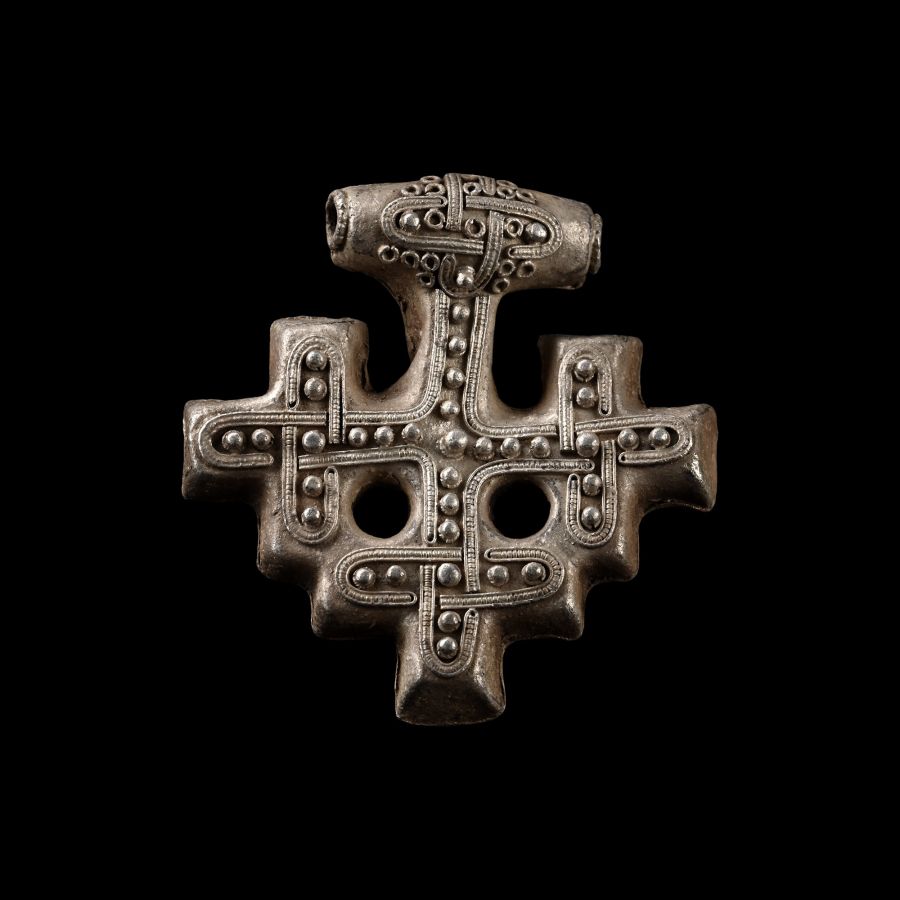
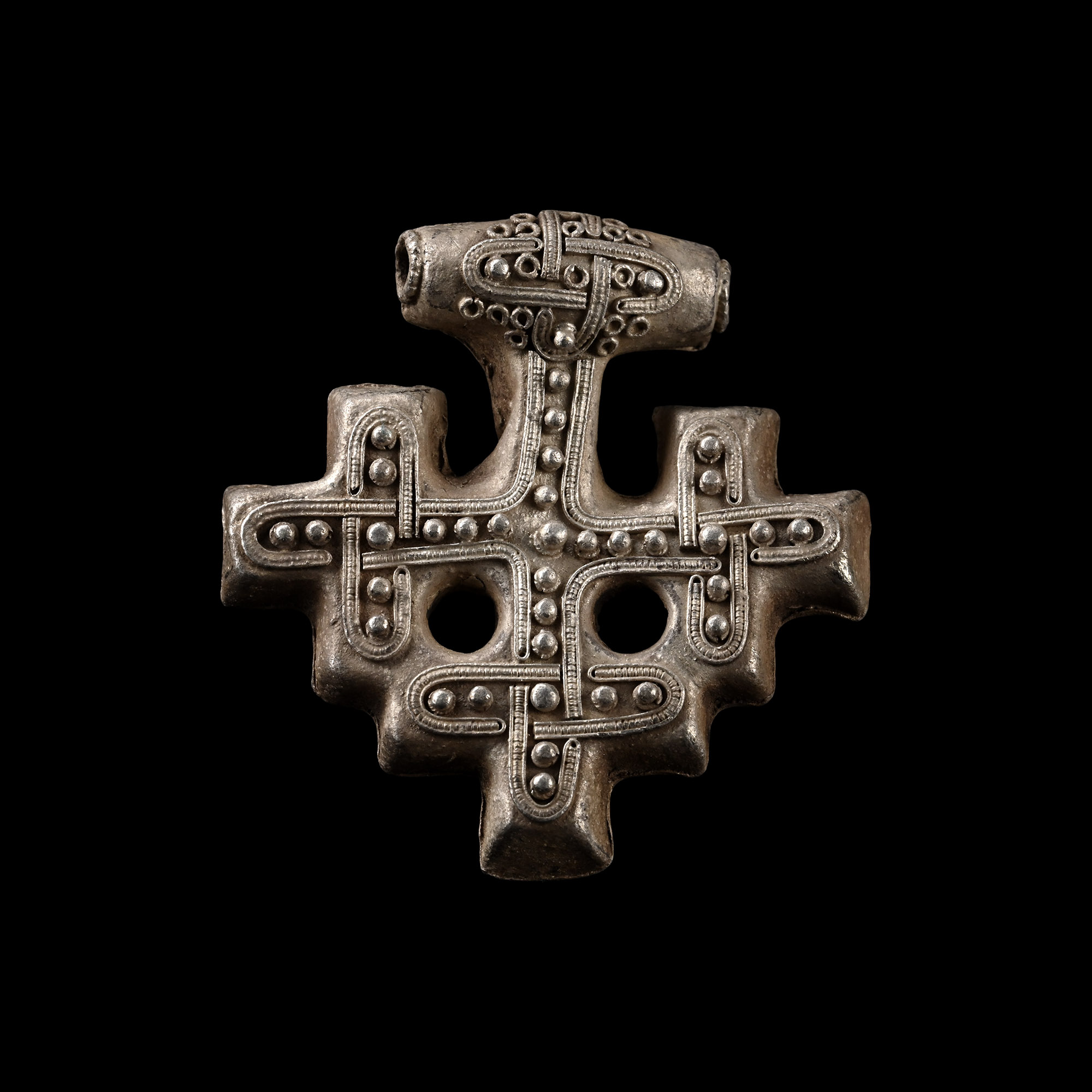
Scandinavian Viking Silver Filigree Tau Cross Pendant
CIRCA 10TH-12TH CENTURY A.D.
1 1/4 in. (3.62 grams, 31 mm).
Cruciform hollow pendant with applied interlaced granulation to the obverse, filigree borders and scrolled interlaced 'face' design on the suspension bar. [No Reserve]
ProvenancePrivate collection formed in Europe in the 1980s.
Westminster collection, central London, UK.
Cf. Franceschi, G., Jorn, A. & Magnus, B., Mennesker, Guder og Masker i Nordisk Jernalderkunst, vol.1, Borgen, 2005, pl.227, for type.
CONDITIONTimeLine Auctions follows a vetting process to ensure the authenticity and legality of all items, reinforcing our commitment to integrity and responsible trading. Each antiquity, antique, and coin lot undergoes thorough examination by a vetting committee of at least ten external specialists, professional trade association members, scientists, and archaeologists: Our Vetting Process
AUCTIONS:
TimeLine is a leading auction house specialising in antiquities, ancient art, collectables, natural history, coins, medals, and books. Our auctions offer museums, collectors, historians, and enthusiasts the opportunity to acquire unique and historically significant pieces.
LOT 0348
Scandinavian Viking Silver Filigree Tau Cross Pendant
Sold for (Inc. bp): £2,860
-
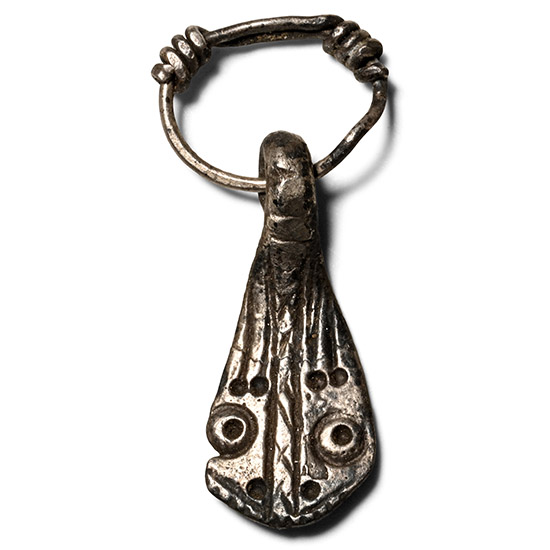
Viking Age Silver Duck Foot Pendant
Circa 9th-11th century A.D.Sold for (Inc. bp): £169
Silver ovoid pendant with incised duck-foot detailing, mounted on a wire suspension ring. 1.63 grams, 31 mm
Ex German art market, 2000s. Acquired from an EU collector living in London. From the collection of a Surrey, UK, gentleman. -
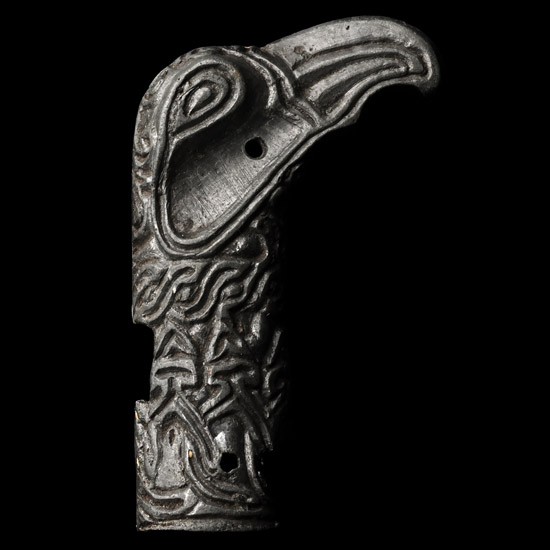
Viking Age Bronze Riding Crop Terminal Plate with Eagle's Head
Circa 9th-10th century A.D.Sold for (Inc. bp): £195
Displaying stylised feather, head and beak detailing; pierced twice for attachment; hollow-formed front plate. 14.19 grams, 56 mm
Private collection formed in Europe in the 1980s. Westminster collection, central London, UK. -
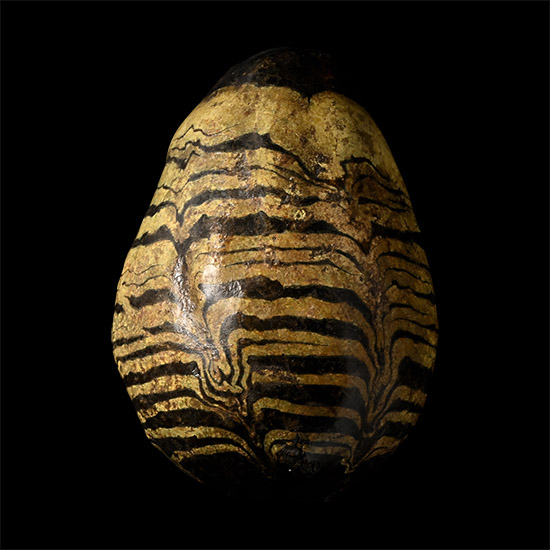
Viking Glazed 'Resurrection Egg'
Circa 9th-10th century A.D.Sold for (Inc. bp): £910
A glazed hollow ceramic egg with a hole to the underside and a smaller pellet inside; regular, dragged yellow lines to the outer face. 30.4 grams, 41 mm
From the private collection of a London gentleman, from his grandfather's collection formed before the early 1970s.
These eggs are usually assigned to Kievan Rus workmanship, but in fact, they were found in a wider geographical area. They are thought to represent an early form of a popular Orthodox tradition of painted eggs, or 'pysanka', popular during the Easter holiday as a symbol of resurrection. However, the symbolism may be pre-Christian, with a connection to an idea of a Cosmic Egg, from which the world was created.
