
Loading, please wait...
LOT 1935
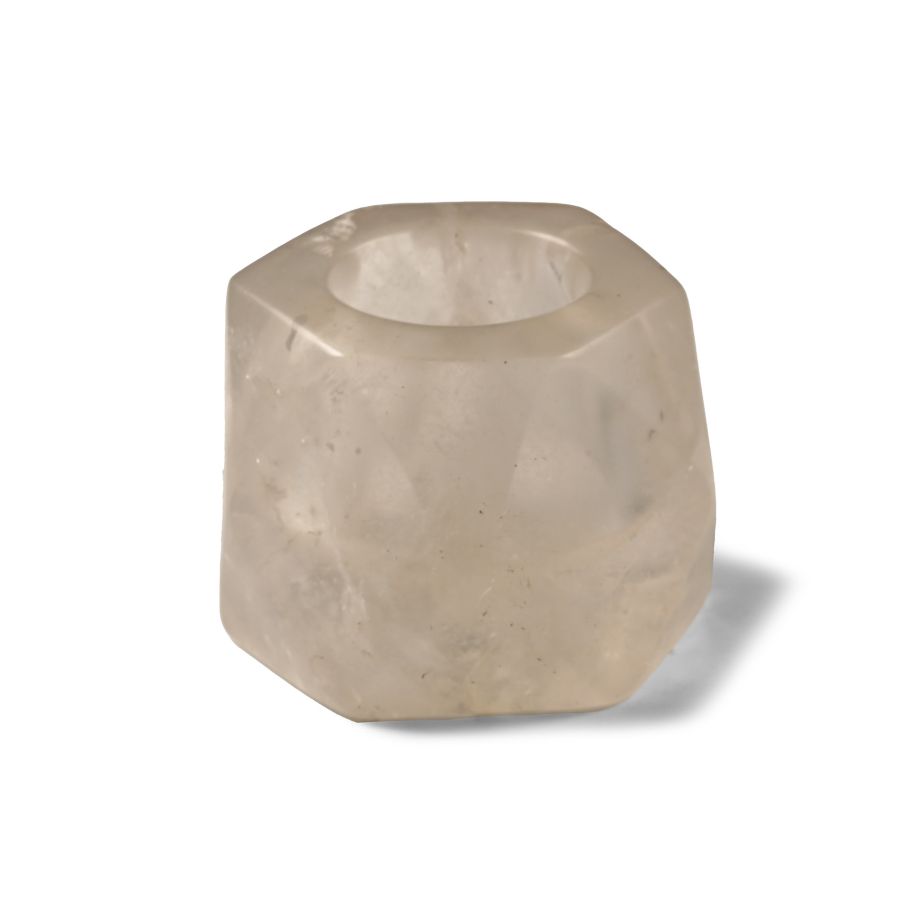
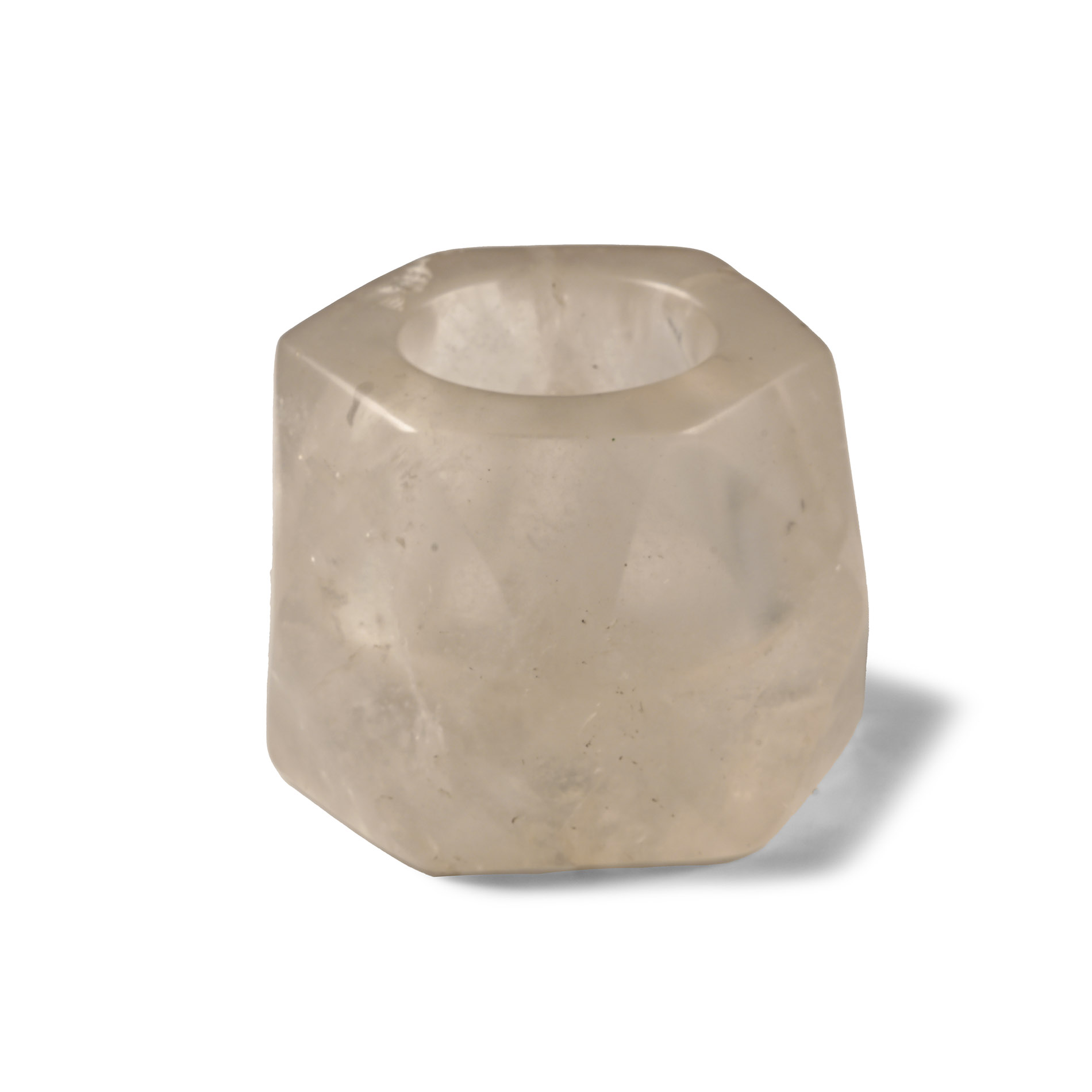
Sassanian Style Facetted Crystal Vessel
20TH CENTURY A.D. OR EARLIER
2 3/8 in. (230 grams, 62 mm).
Hexagonal in plan with facetted sidewall, round socket to upper face. [No Reserve]
ProvenanceFrom a Paris collection, France.
Ex French gallery, 1970-1990.
TimeLine Auctions follows a vetting process to ensure the authenticity and legality of all items, reinforcing our commitment to integrity and responsible trading. Each antiquity, antique, and coin lot undergoes thorough examination by a vetting committee of at least ten external specialists, professional trade association members, scientists, and archaeologists: Our Vetting Process
AUCTIONS:
TimeLine is a leading auction house specialising in antiquities, ancient art, collectables, natural history, coins, medals, and books. Our auctions offer museums, collectors, historians, and enthusiasts the opportunity to acquire unique and historically significant pieces.
-
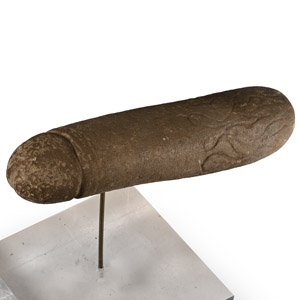
Detailed Stone Phallus
20th century A.D. or earlierSold for (Inc. bp): £598
Lentoid in section with incised scrolled tendril ornament; mounted on a custom-made stand. 1 kg total, 17 cm wide including stand
From a collection acquired on the UK art market from various auction houses and collections mostly before 2000. From an important Cambridgeshire estate; thence by descent. -
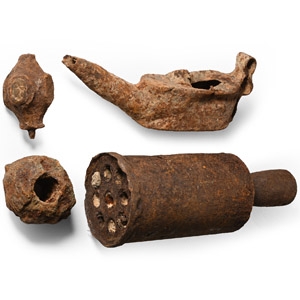
Mixed Iron Artefact Group
15th-20th century A.D.Sold for (Inc. bp): £65
Including a small bulbous macehead, a hollow-formed lamp with spout and loop handle, and other items. 3.63 kg total, 5.8-19.1 cm
From a collection acquired on the UK art market from various auction houses and collections mostly before 2000. From an important Cambridgeshire estate; thence by descent. -
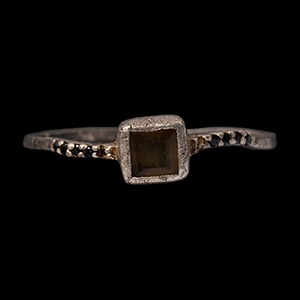
Post Medieval Silver Ring with Settings
18th-19th century A.D.Sold for (Inc. bp): £46
Slender hoop with four inset gemstone chips to each shoulder, square bezel with void to underside of cell and inset gemstone (citrine?). 1.28 grams, 22.65 mm overall, 18.34 mm internal diameter (approximate size British O 1/2, USA 7 1/4, Europe 15.61, Japan 15)
Acquired on the London art market in the late 1980s-1990s. From the family collection of an East London, UK, gentleman.
