
Loading, please wait...
_900x900.jpg "Sassanian Stamp Seal Collection")
_200x200.jpg "Sassanian Stamp Seal Collection")
.jpg "Sassanian Stamp Seal Collection")
LOT 0992
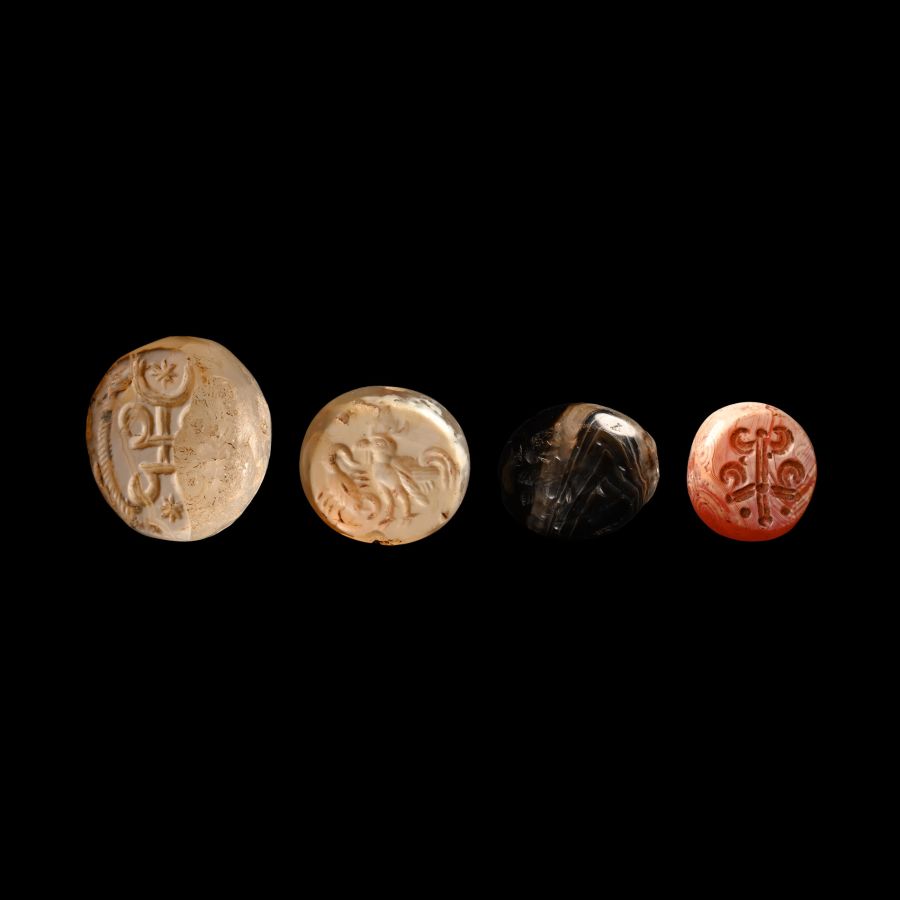
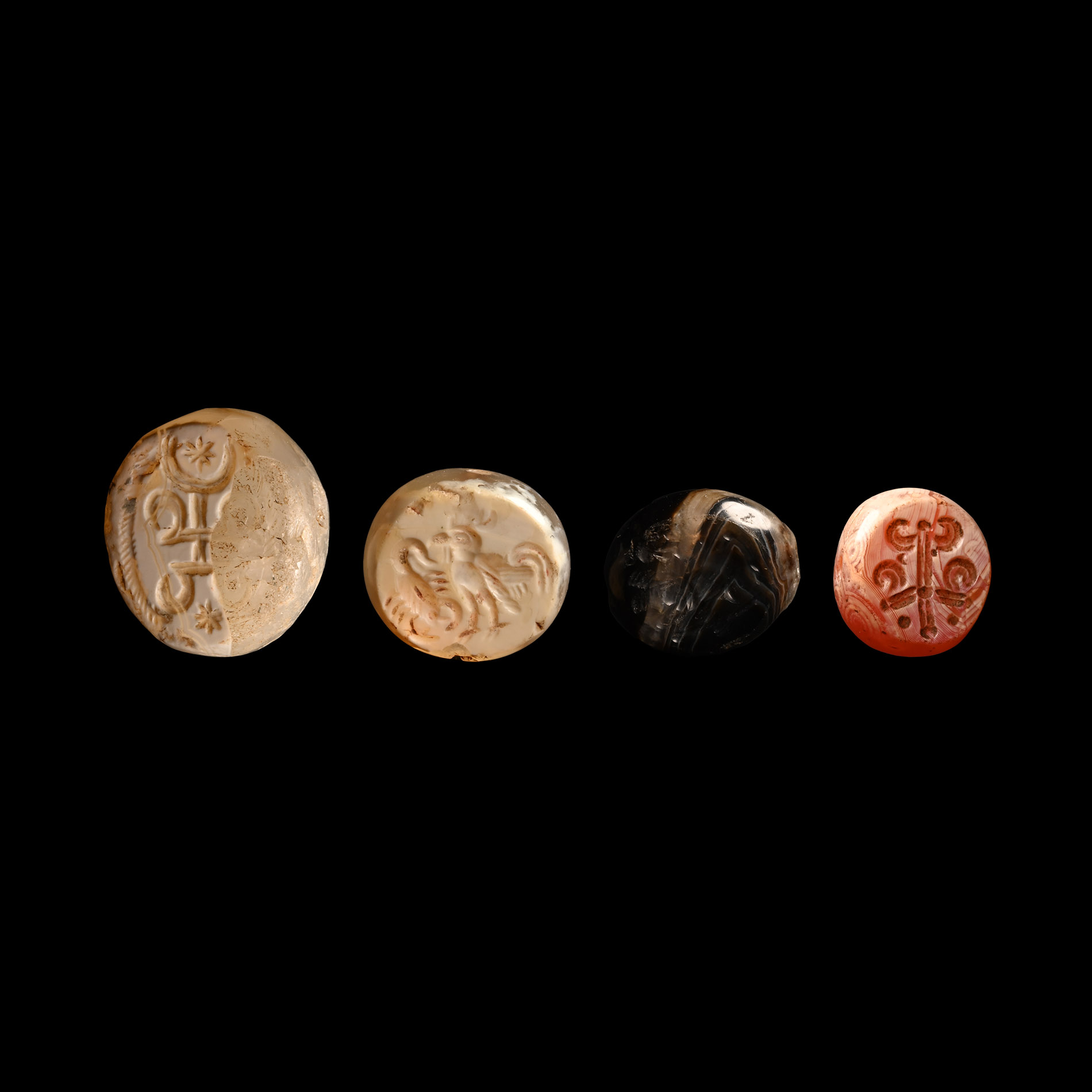
Sassanian Stamp Seal Collection
3RD-4TH CENTURY A.D.
5/8 - 7/8 in. (26 grams total, 15-22 mm).
A group of four plano-convex stone stamp seals, each drilled for suspension and bearing an incuse design to base: a quadruped; cockerel with scorpion; ritual symbols; accompanied by a museum-quality impression of each seal. [4, No Reserve]
ProvenanceFrom a UK private collection, 1980-1983.
CONDITIONTimeLine Auctions follows a vetting process to ensure the authenticity and legality of all items, reinforcing our commitment to integrity and responsible trading. Each antiquity, antique, and coin lot undergoes thorough examination by a vetting committee of at least ten external specialists, professional trade association members, scientists, and archaeologists: Our Vetting Process
AUCTIONS:
TimeLine is a leading auction house specialising in antiquities, ancient art, collectables, natural history, coins, medals, and books. Our auctions offer museums, collectors, historians, and enthusiasts the opportunity to acquire unique and historically significant pieces.
-
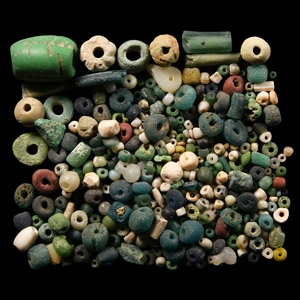
Western Asiatic Mixed Bead Group
Circa 1st millennium B.C.Sold for (Inc. bp): £124
A mixed group of glass, shell and stone beads of annular, oblate, melon, and other types. 67 grams total, 2-23 mm
Acquired 1970-2010. Collection of a late Japanese gentleman. -
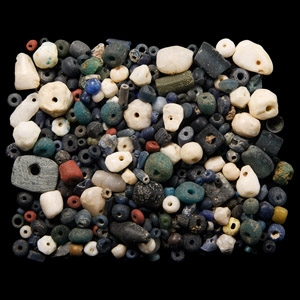
Western Asiatic Mixed Bead Group
Circa 1st millennium B.C.Estimate: £100 - 140 (+bp*)
Opening Bid: £50
A mixed group of glass, stone and shell beads of oblate, tabular, cylindrical and other types. 88 grams total, 1-18 mm
Acquired 1970-2010. Collection of a late Japanese gentleman. -
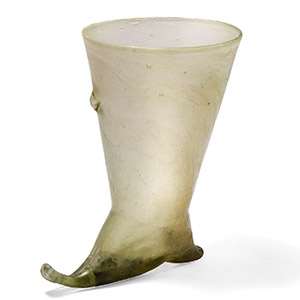
Sassanian Glass Rhyton- Style Vessel
3rd-7th century A.D.Estimate: £500 - 700 (+bp*)
Opening Bid: £250
A pale green glass vessel with tapering sidewalls and foot formed as a stylised shoe or boot; iridescent surfaces. 86 grams, 11.2 cm high
French collection, 1960s-early 2000s. From an important Paris gallery, France. with Vermot & Associés, Paris, France, 16 November 2019, lot 44.
